What Can and Can't Be Stored in a Storage Unit?
Self-storage is a convenient way to create extra space at home, organize your belongings, or keep business items in one accessible location. From seasonal decorations and furniture to clothing, sports equipment, and household essentials, a storage unit can hold many of the things you don’t need every day.
However, not everything is appropriate—or legally permitted—to keep in a storage unit. Knowing what you can and cannot store helps protect your belongings, other customers, and the storage facility itself.
Before packing your unit, here’s a helpful guide to what typically belongs in self-storage and what should stay out.
1. Household Items You Can Store
One of the most common reasons people rent a storage unit is to make more room at home. Many everyday household belongings can be safely stored when they are properly packed and prepared.
Some common examples include:
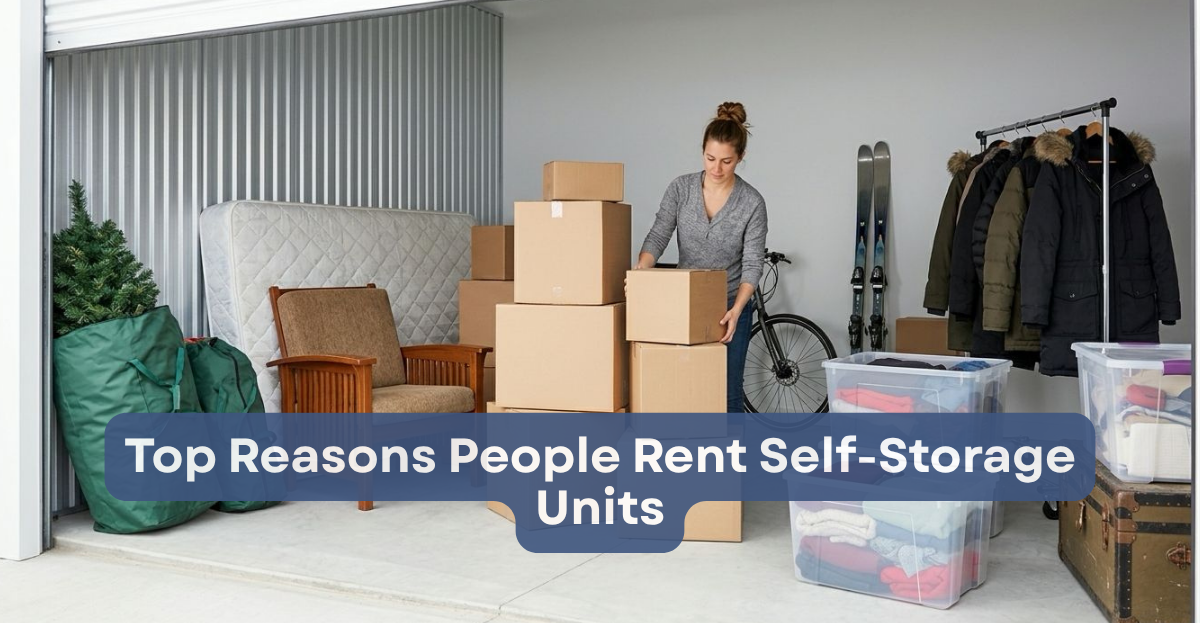
- Furniture such as tables, chairs, couches, and dressers
- Seasonal decorations and holiday items
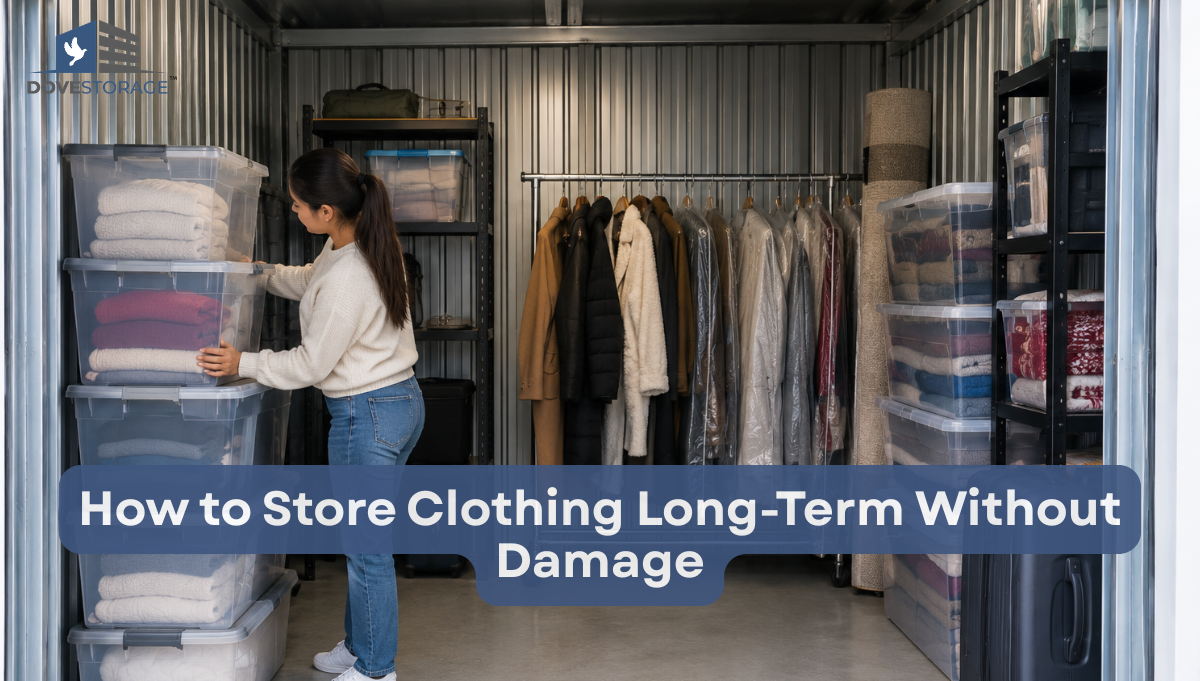
- Clothing and shoes
- Books and household goods
- Kitchenware and small appliances
- Bicycles and sporting equipment
- Toys and hobby supplies
- Boxes of personal belongings
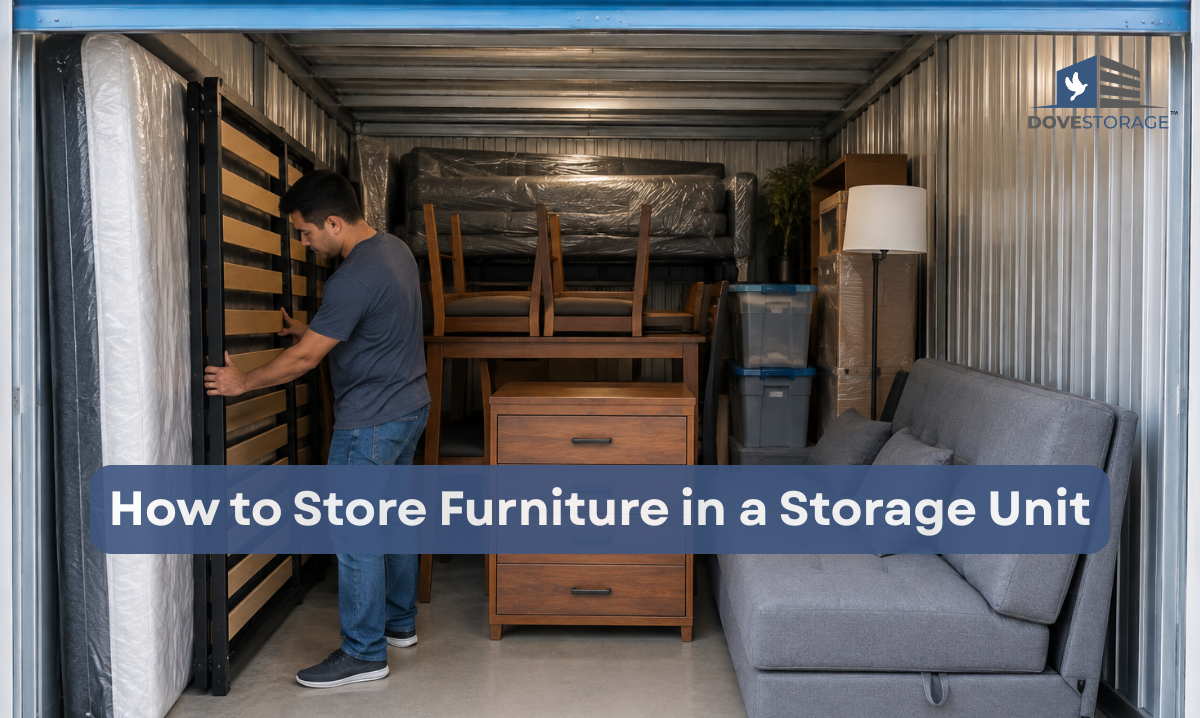
Before storing furniture, clean and dry each piece thoroughly. Cover furniture with breathable protective materials and avoid placing heavy boxes on top of items that could be damaged.
For more tips on protecting furniture in storage, check out our guide on how to store furniture safely in a self-storage unit.
Pro Tip: Create an inventory of your stored belongings before moving them into your unit. Label each box clearly so you can find what you need without having to unpack everything.
2. Seasonal Items Are Great for Self-Storage
Self-storage can be especially useful for belongings you only use during certain times of the year. Moving seasonal items out of your home can free up valuable closet, garage, basement, and attic space.
Items commonly suited for seasonal storage include:
- Holiday decorations
- Artificial Christmas trees
- Winter clothing
- Camping equipment
- Sports gear
- Patio furniture
- Gardening equipment
- Outdoor decorations
Rotating these items throughout the year can make your home easier to organize while keeping your belongings available when you need them.
Proper organization is especially important when storing seasonal belongings. Our guide on how to keep your belongings safe in a storage unit year-round includes additional tips for packing, protecting, and maintaining stored items.
3. Business and Work-Related Items
Self-storage can also provide valuable extra space for small businesses, contractors, and professionals. Depending on the facility's rules, you may be able to store business-related belongings such as:
- Inventory and merchandise
- Office furniture
- Displays and supplies
- Tools and equipment
- Packaging materials
- Business records and documents
A storage unit can help businesses avoid overcrowding an office, garage, or storefront. It can also provide a convenient place to keep items that aren't needed every day.
Always check your storage agreement before storing business equipment or other specialized items, as restrictions can vary by facility.
4. Personal Documents and Keepsakes
Important personal belongings can often be stored in a self-storage unit, including photographs, books, documents, and family keepsakes.
However, sensitive items should be packed carefully. Use sturdy containers and consider protective materials designed to help guard against moisture and environmental changes.
If you're planning to keep belongings in storage for an extended period, our guide on how to prepare your items for long-term storage offers additional advice on preparing, packing, and protecting your possessions.
For especially valuable or irreplaceable belongings, consider whether storing them in a dedicated home environment would provide better protection.
Pro Tip: Keep important identification documents, financial records, legal documents, and other irreplaceable paperwork in a secure location where you can access them when needed.
5. Items You Generally Can't Store
Storage facilities have rules designed to protect customers, employees, and property. Prohibited items commonly include anything that is hazardous, illegal, highly flammable, or capable of causing damage.
Items that generally should not be stored include:
- Flammable liquids or fuels
- Explosives or fireworks
- Illegal drugs or controlled substances
- Toxic or hazardous chemicals
- Perishable food
- Living plants
- Animals or pets
- Items that are stolen or illegally obtained
- Anything prohibited by local, state, or federal law
The exact list of prohibited items can vary, so always review your rental agreement and facility policies before moving belongings into your unit.
6. Avoid Storing Perishable Food
Food can create several problems inside a storage unit. Perishable items can spoil, develop unpleasant odors, attract insects or rodents, and potentially damage surrounding belongings.
Even non-perishable food may not be appropriate for storage depending on facility policies and packaging.
Instead of storing food, keep your storage unit focused on durable household, personal, seasonal, or business belongings that are suitable for the storage environment.
7. Don't Store Hazardous or Flammable Materials
Gasoline, propane tanks, paint thinners, certain chemicals, and other flammable or hazardous materials can create serious safety risks.
These materials can leak, release fumes, catch fire, or damage other customers' belongings. For everyone's safety, hazardous substances should be handled and disposed of according to local regulations rather than placed inside a storage unit.
If you're unsure whether a particular chemical, fuel, or other material is permitted, check with the storage facility before bringing it onto the property.
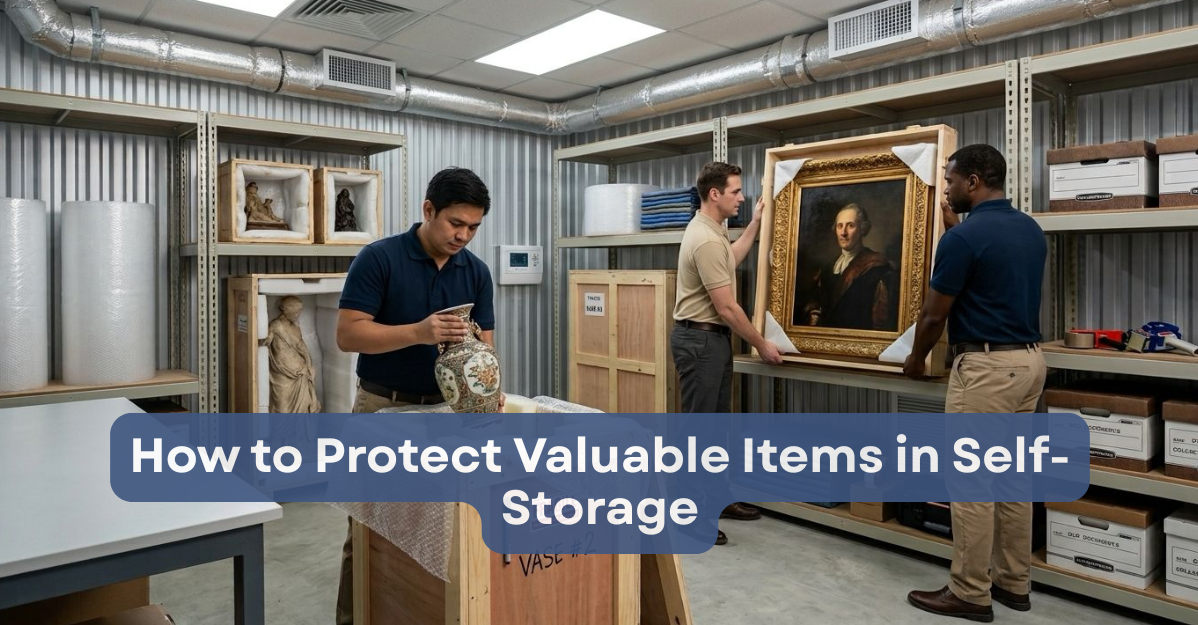
8. Be Careful With Valuable and Irreplaceable Items
Just because an item can be stored doesn't necessarily mean a storage unit is the best place for it.
Items such as expensive jewelry, large amounts of cash, irreplaceable family documents, and other highly valuable possessions may require specialized protection.
For belongings you do choose to store, consider:
- Using sturdy, sealed containers when appropriate
- Keeping items elevated from the floor
- Protecting furniture with suitable covers
- Labeling boxes clearly
- Creating a digital inventory
- Checking your rental agreement for insurance requirements and coverage details
Taking a few extra precautions can help make your storage experience more organized and give you greater peace of mind. You can also read our guide on how to keep your belongings safe in a storage unit year-round for more storage protection tips.
9. Check the Rules Before You Move In
Storage rules can differ between facilities, so never assume that an item is allowed simply because it seems harmless.
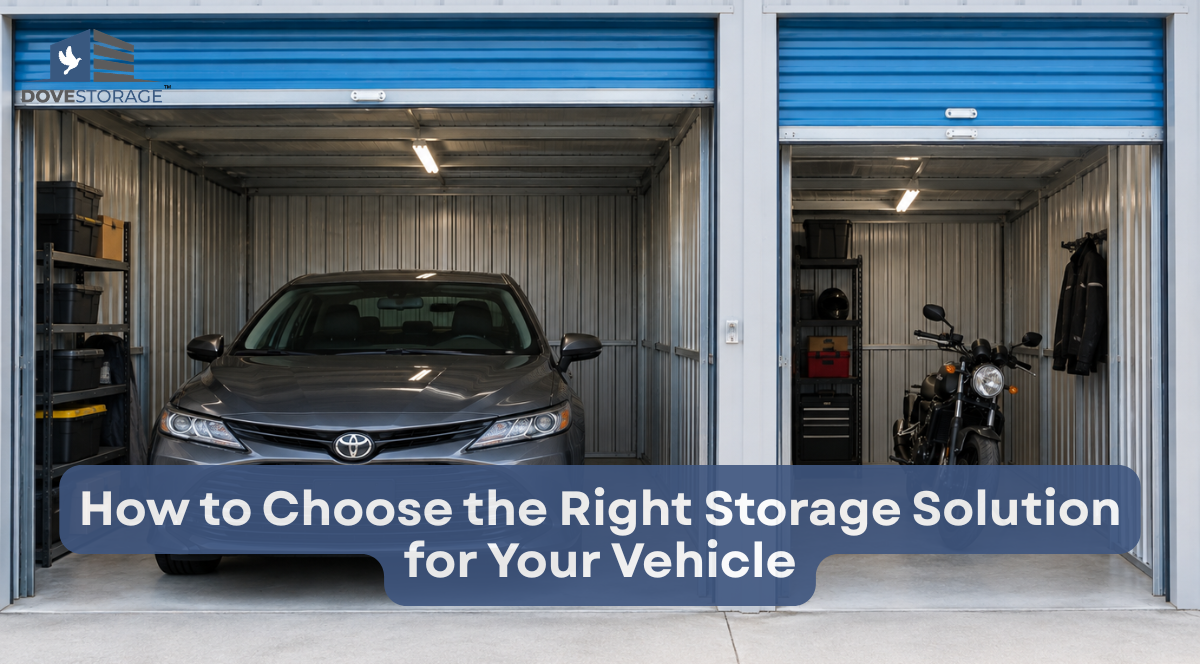
Before moving your belongings into a unit, review the rental agreement and ask about any items you're uncertain about. This is particularly important for vehicles, equipment, chemicals, business materials, and other specialized belongings.
Understanding the rules ahead of time can prevent problems and help ensure your belongings are stored appropriately.
Pro Tip: When in doubt, ask before you store it. A quick question can help you avoid bringing a prohibited item onto the property.
10. Choose the Right Storage Unit for Your Belongings
Once you've determined what you can store, the next step is choosing a unit that fits your needs. Storage units come in different sizes and configurations, so consider both the amount and type of belongings you plan to store.
Before choosing a unit, it's helpful to make a list of everything you plan to store. Our guide on what size storage unit you really need can help you determine how much space may be right for your belongings.
For example:
Small Units: Great for boxes, seasonal decorations, clothing, and smaller personal belongings.
Medium Units: Useful for furniture, appliances, multiple rooms of household items, or business inventory.
Large Units: Ideal for larger household moves, substantial furniture collections, business storage, or other bulky belongings.
Choosing the right size can help you avoid paying for more space than you need while still leaving enough room to organize your belongings properly. For a more detailed breakdown of common unit sizes, check out our complete storage unit size guide.
Knowing what can and can't be stored in a storage unit is an important part of having a safe and successful self-storage experience. Everyday household items, seasonal belongings, furniture, personal possessions, and many business items can make excellent candidates for storage, while hazardous, illegal, perishable, and other restricted items should stay out of your unit.
At Dove Storage, we offer clean, secure, and convenient self-storage solutions designed to help you create more space and keep your belongings organized. Before moving in, review your facility's storage policies and choose the unit that best fits your needs.
Whether you're decluttering your home, preparing for a move, storing seasonal belongings, or creating additional space for your business, Dove Storage can help you find a storage solution that works for you.