How to Reduce Storage Costs Without Giving Up Space
Finding enough room for your belongings doesn't have to mean spending more money. Whether you're moving, decluttering your home, managing seasonal items, or storing business supplies, self-storage offers a convenient way to create extra space. However, choosing a storage unit without considering your actual needs can sometimes lead to unnecessary expenses.
The good news is that you don't have to sacrifice valuable space to keep your storage costs manageable. With the right planning, organization, and storage strategies, you can make the most of your unit while staying within your budget. Here are some practical ways to save money on self-storage without giving up the space you need.
1. Choose the Right Storage Unit Size
One of the easiest ways to control your storage expenses is by choosing a unit that matches your needs. Renting a unit that's too large means paying for unused space, while choosing one that's too small can make organizing and accessing your belongings difficult.
Before renting, take inventory of everything you plan to store. Group similar items together and estimate how much space they'll require. Consider larger furniture, appliances, boxes, seasonal decorations, and other belongings that may take up more room than expected.
Here are a few general guidelines:
- 5x5 Unit: Suitable for boxes, seasonal decorations, small furniture, and personal belongings.
- 5x10 Unit: A good option for the contents of a small bedroom, including a mattress, boxes, and smaller furniture.
- 10x10 Unit: Often works well for the contents of a one-bedroom apartment.
- 10x20 Unit: Provides additional room for larger furniture, multiple rooms of belongings, or business inventory.
Pro Tip: Check out the Dove Storage Size Guide to help estimate how much space you'll need before choosing a unit. It's better to plan ahead than pay for more space than necessary.
2. Declutter Before Moving Items Into Storage
Before packing everything into a storage unit, take time to sort through your belongings. Storing items you no longer need can take up valuable space and increase your monthly expenses.
Separate your belongings into four categories: keep, store, donate, and discard. Be honest about what you actually use and what you're simply holding onto out of habit.
Consider asking yourself:
- Have I used this item in the past year?
- Will I realistically need it again?
- Is it worth paying to store?
- Could someone else make better use of it?
Clothing that no longer fits, broken appliances, duplicate household items, and outdated equipment may not be worth storing.
By removing unnecessary belongings before moving in, you can fit more of what matters into a smaller, more affordable storage unit.
For more helpful ideas, read our guide on Organizing Your Home with the Help of a Storage Unit.
3. Pack Strategically to Maximize Every Inch
How you pack your belongings can make a big difference in how much storage space you need. Poor packing often leaves empty gaps, makes boxes difficult to stack, and wastes valuable floor space.
To make the most of your storage unit, try these simple techniques:
- Use Uniform Boxes: Boxes of similar sizes are easier to stack and help create a more organized layout.
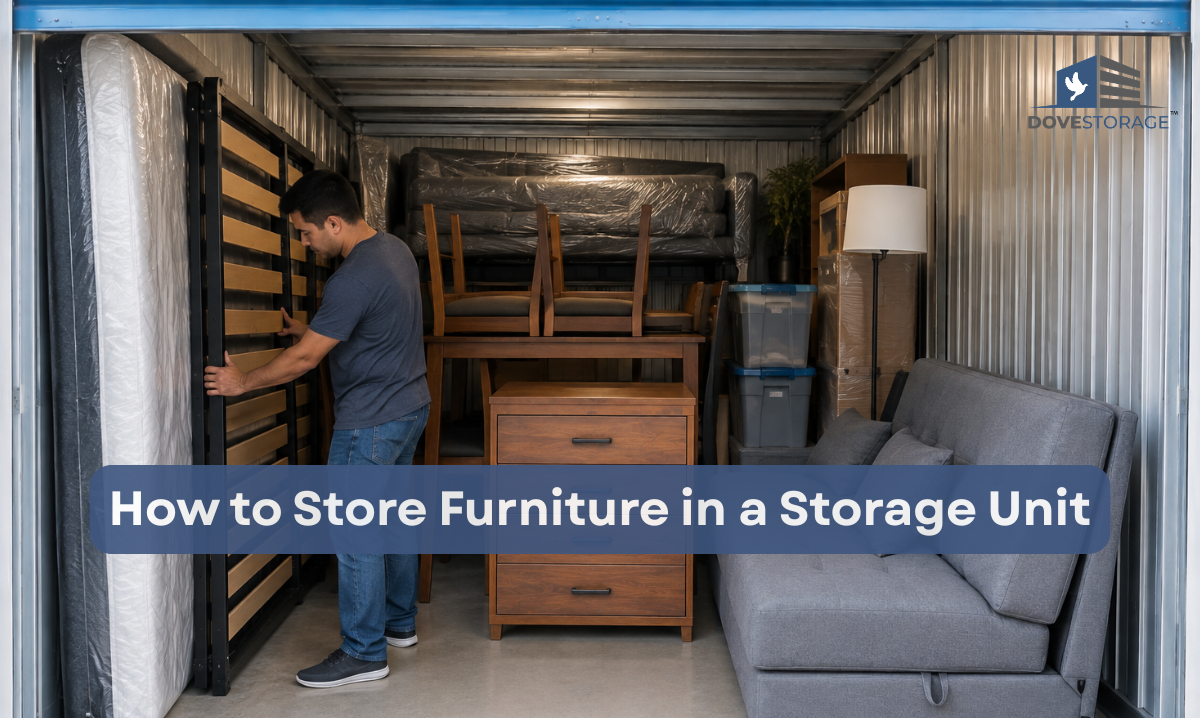
- Disassemble Furniture: Remove table legs, bed frames, and other detachable parts to reduce the amount of space bulky furniture occupies.
- Fill Empty Spaces: Use the inside of dressers, suitcases, and storage containers for smaller belongings.
- Stack Vertically: Place heavier boxes at the bottom and lighter ones on top to make better use of vertical space.
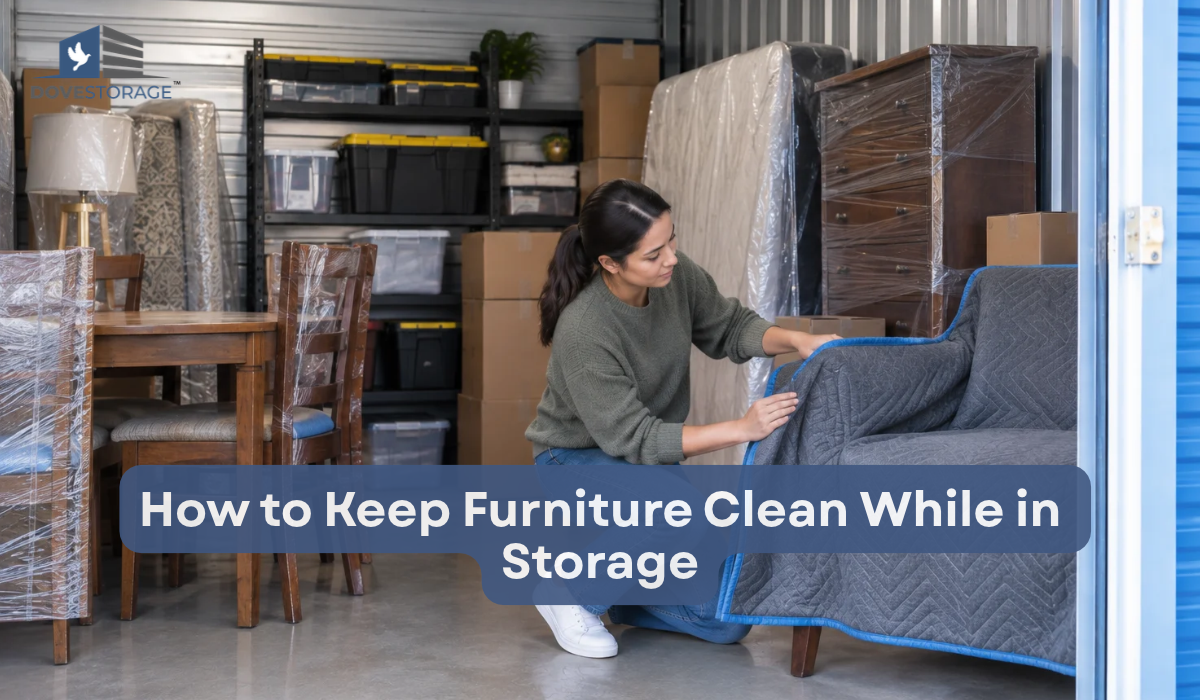
- Protect Furniture Properly: Use moving blankets or appropriate covers to help protect furniture while keeping items organized.
Pro Tip: Avoid packing boxes too heavily. Keeping them manageable makes stacking, moving, and retrieving your belongings much easier.
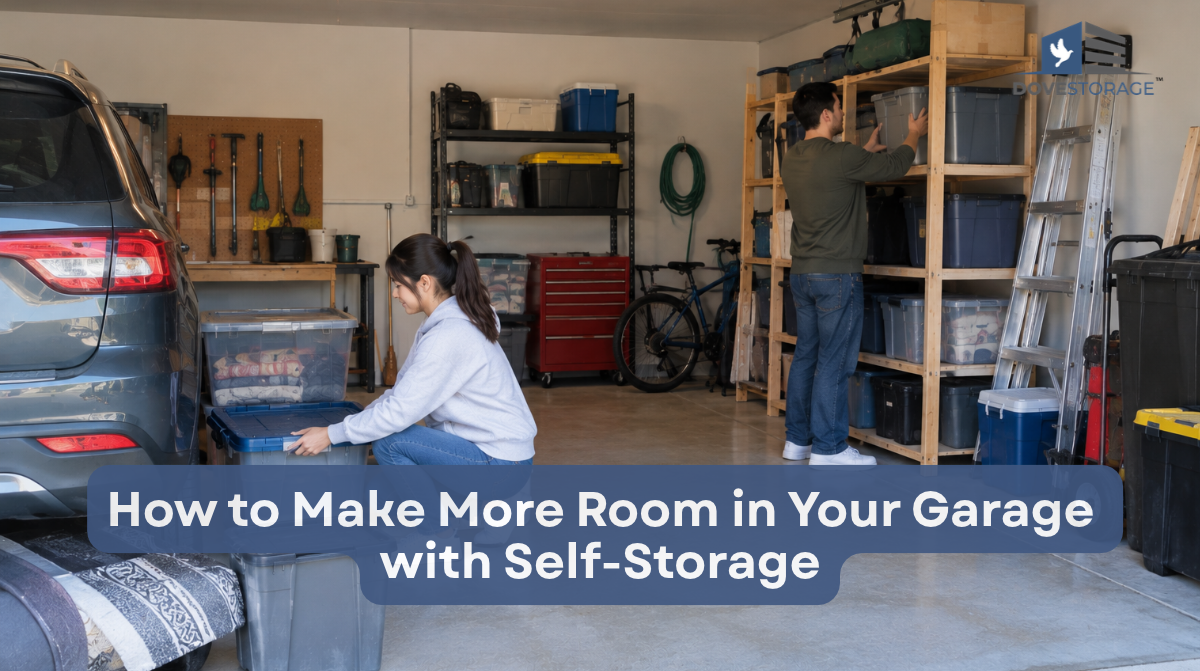
4. Take Advantage of Vertical Storage
When organizing a storage unit, many people focus only on the available floor space. However, using the height of your unit can help you store more without needing a larger space.
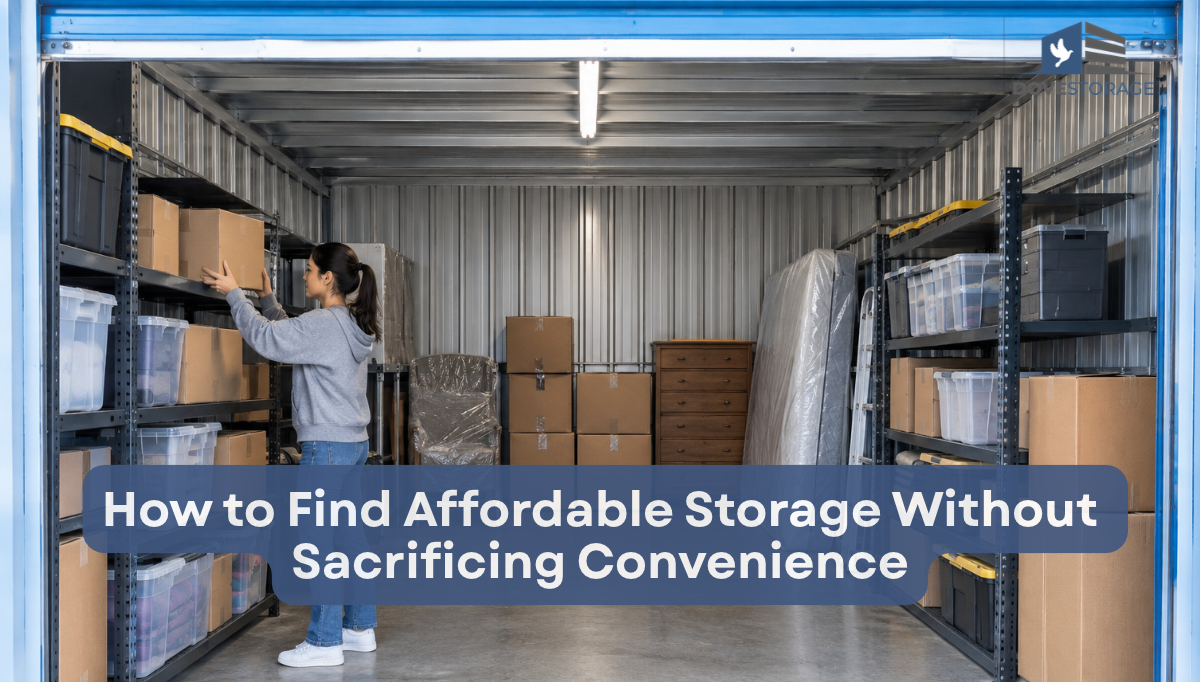
Shelving units, stackable containers, and properly secured storage racks can help you organize belongings vertically while keeping everything accessible.
For example:
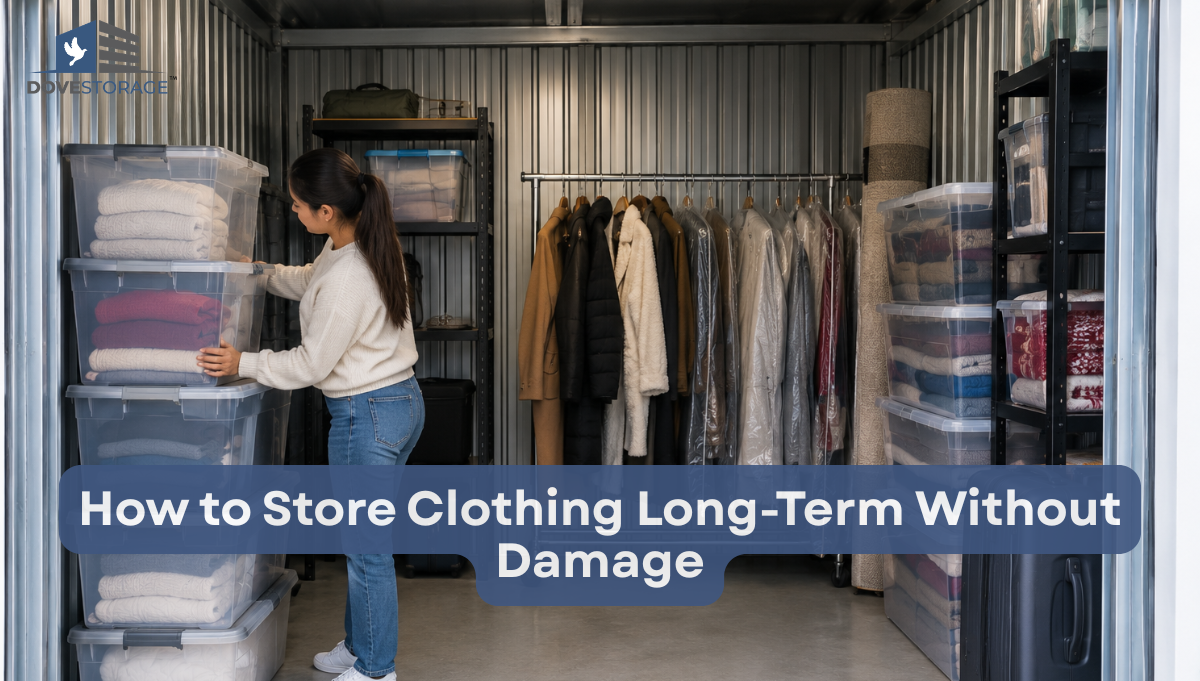
- Place labeled plastic bins on shelves instead of spreading them across the floor.
- Stack lightweight seasonal items above heavier belongings.
- Store folded chairs, small tables, and other space-saving furniture together.
- Keep frequently used belongings at a comfortable height for easier access.
Just remember to stack items safely and avoid placing heavy objects where they could fall or damage other belongings.
Making use of vertical space allows you to fit more into your existing unit without paying for additional square footage.
5. Compare Storage Features and Pricing
Not all storage units offer the same features, and the lowest advertised monthly rate isn't always the best value. Before choosing a facility, compare the available unit types, amenities, and pricing.
Consider the following factors:
- Drive-Up Storage: Convenient for loading and unloading heavy furniture, equipment, and large boxes.
- Indoor Storage: Provides an indoor storage option for belongings you want to keep inside a building.
- Climate-Controlled Storage: Worth considering for temperature-sensitive belongings such as wooden furniture, electronics, photographs, and important documents.
- Security Features: Look for features such as gated access and security cameras to help protect your stored belongings.
Also, ask about promotional rates, administrative fees, deposits, insurance requirements, and possible rate changes. Understanding the full cost upfront can help you avoid unexpected expenses.
Pro Tip: Compare the total value of a storage unit, not just its advertised monthly price. A unit with the right features and enough space may be a better investment in the long run.
Explore Dove Storage locations to find available storage options and compare facilities that may fit your needs.
6. Store Seasonal and Infrequently Used Items
You don't need to keep everything you own inside your home or business. Items you only use during certain times of the year can take up valuable space that could be used for everyday essentials.
A self-storage unit provides a convenient place to keep belongings you want to hold onto but don't need regularly.
Some examples include:
- Holiday decorations and artificial Christmas trees
- Winter coats, boots, and seasonal clothing
- Camping equipment and outdoor gear
- Patio furniture and gardening supplies
- Sports equipment and recreational items
By moving these belongings into storage, you can free up closets, cabinets, garages, and other areas without getting rid of things you'll need later.
Pro Tip: Label seasonal boxes clearly and group similar items together. This makes it easier to find what you need when the season changes.
If you need additional space for recreational belongings, check out Specialty Storage: Smart Solutions for Vehicles, Toys, and More.
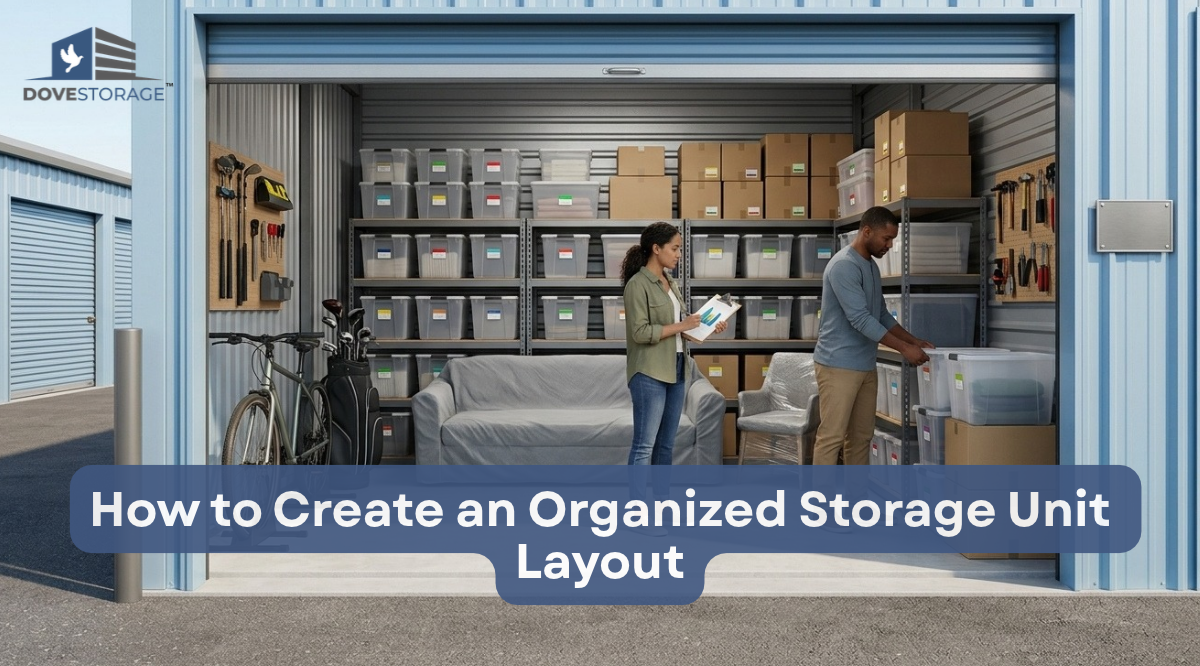
7. Keep Your Storage Unit Organized
An organized storage unit helps you make better use of your existing space and prevents you from needing a larger unit later.
Without a proper arrangement, belongings can become difficult to locate, boxes may get misplaced, and you might end up renting additional space unnecessarily.
Here are a few ways to keep your unit organized:
- Create a simple inventory of everything you're storing.
- Label boxes on multiple sides so you can identify their contents easily.
- Place frequently accessed items near the front of the unit.
- Leave a small walkway when possible so you can reach belongings in the back.
- Revisit your inventory occasionally and remove items you no longer need.
Regularly reviewing your belongings also helps you identify unused items that can be donated, sold, or discarded.
Keeping your storage unit organized ensures that you're making the most of the space you're already paying for.
8. Choose a Storage Solution That Fits Your Budget
Reducing storage costs isn't just about finding the cheapest unit. It's about choosing a storage solution that provides the right amount of space, features, and convenience for your needs.
Think about how long you'll need storage, how often you'll access your belongings, and what type of items you'll be keeping. These details can help you determine which unit makes the most sense for your situation.
Whether you need temporary storage during a move, additional room for household belongings, or extra space for business inventory, finding the right fit can help you avoid unnecessary expenses.
A little planning before renting can go a long way toward making self-storage more affordable and manageable.
Saving money on self-storage doesn't mean giving up the extra space you need. By choosing the right unit size, decluttering before moving in, packing efficiently, and keeping your belongings organized, you can maximize every square foot while keeping your expenses under control.
At Dove Storage, we offer clean, secure, and affordable storage solutions designed to fit a variety of household and business needs. Whether you're looking to create more room at home, organize seasonal belongings, or find additional space for your business, we're here to help you find the right storage solution. Visit Dove Storage today to explore your options and make the most of your storage space.