What Should You Check When Visiting Your Storage Unit
Renting a self-storage unit is a convenient way to keep your belongings organized while creating more space at home or work. Whether you're storing seasonal decorations, furniture, business supplies, or personal keepsakes, checking on your belongings from time to time can help you keep everything in good condition and your storage space organized.
A storage unit shouldn't be something you pack once and forget about completely. Occasional visits give you the opportunity to check for signs of moisture, review the condition of your belongings, and make sure everything is stored properly. Even a quick inspection can help you catch potential issues before they become bigger problems.
If you're planning your next visit, here's what you should check to keep your self-storage unit clean, organized, and well-maintained.
1. Inspect Your Belongings for Signs of Damage
One of the first things to do when visiting your storage unit is inspect your belongings. Take a few minutes to look over furniture, boxes, appliances, clothing, and other stored items for signs of damage or unexpected changes.
Pay attention to:
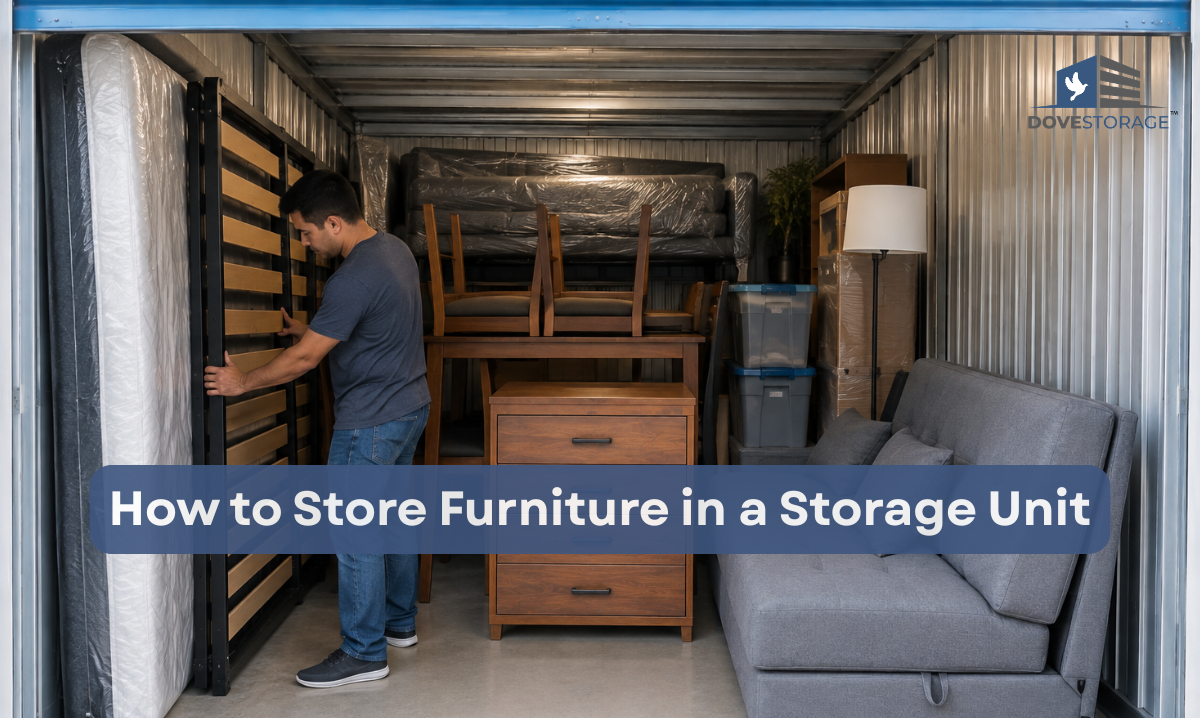
- Furniture: Check wooden surfaces, upholstery, and cushions for discoloration, unusual odors, or visible damage.
- Cardboard boxes: Look for crushed corners, weakened bottoms, or signs that the boxes may have become damp.
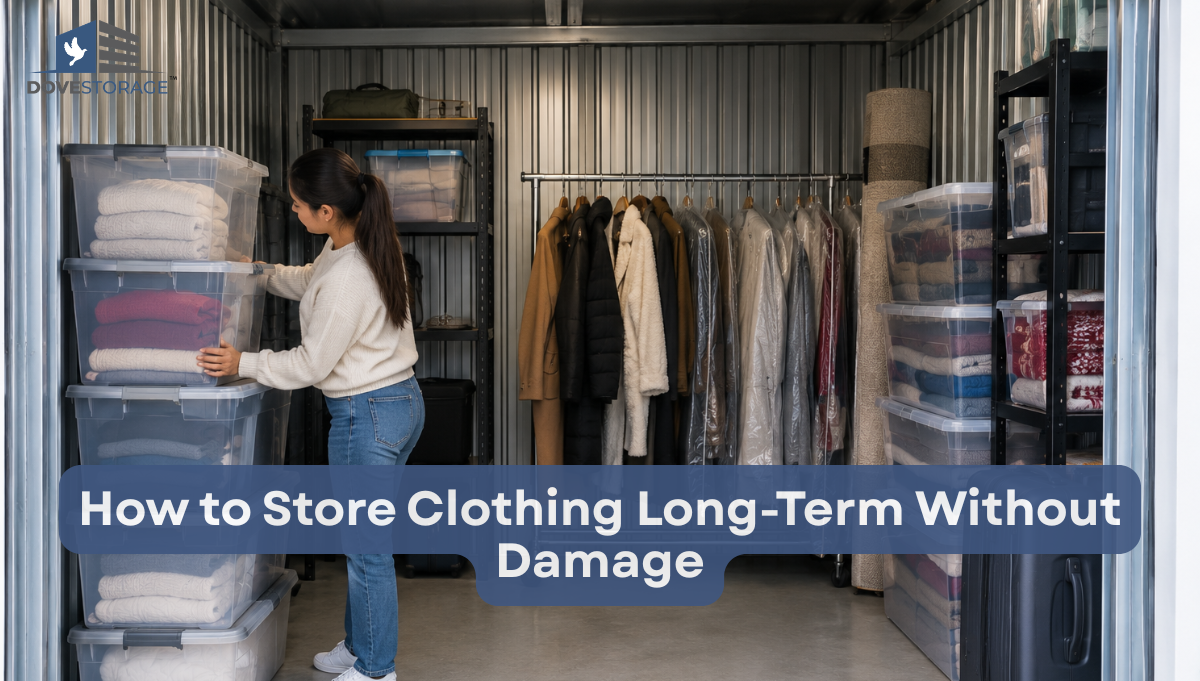
- Clothing and fabrics: Check for unusual odors, discoloration, or signs of pests.
- Electronics and appliances: Look for visible damage and make sure items remain properly packed and protected.
If you notice anything unusual, investigate the cause and take appropriate steps to protect your belongings. For example, replacing damaged boxes or repacking fragile items can help prevent further problems.
Pro Tip: Take photos of your stored belongings during your visits. Comparing them over time can help you identify changes and maintain an updated inventory. For more ways to protect your possessions, read our guide on how to keep your belongings safe in a storage unit year-round.
2. Look for Signs of Moisture or Water Intrusion
Moisture is one of the most important things to watch for when checking your storage unit. Excess moisture can damage cardboard, furniture, paper documents, fabrics, and other sensitive materials.
During your visit, look for water stains, damp packaging, musty odors, or visible moisture around your belongings. Check the condition of items near the floor and pay attention to boxes that may have become soft or discolored.
To help protect your belongings:
- Use plastic storage bins for items that could be damaged by damp cardboard.
- Make sure stored items are completely dry before packing them away.
- Keep belongings elevated off the floor when practical and permitted.
- Avoid placing boxes or furniture directly against walls if doing so would prevent you from checking for potential issues.
- Report suspected leaks or building-related concerns to facility management promptly.
Remember that ordinary storage units may experience temperature and humidity changes. If you're storing sensitive items such as photographs, important documents, or wooden furniture, consider whether a climate-controlled unit is appropriate for your needs. You can learn more about choosing the right storage environment in our guide on how to choose the right storage unit for your needs.
Pro Tip: Never ignore a persistent musty smell or signs of water damage. Addressing a potential problem early can help reduce the risk of damage spreading to other stored items.
3. Check for Signs of Pests
Pests can damage stored belongings, especially clothing, upholstered furniture, paper products, and items made from natural materials. Regular inspections can help you spot potential problems before they affect more of your possessions.
During your visit, look for:
- Small droppings or insect remains
- Chewed packaging or damaged cardboard
- Holes in fabrics or upholstery
- Nesting materials or unusual debris
- Unexplained odors or other signs of pest activity
Proper packing and cleanliness can help reduce the risk of attracting pests. Avoid storing food, perishable items, or anything prohibited under your facility's storage rules. Make sure everything is clean and dry before placing it in your unit.
If you notice signs of pest activity, avoid using pesticides or chemicals without checking the facility's policies. Notify facility management so the concern can be assessed and addressed appropriately.
Pro Tip: Inspect items before returning them to storage, especially furniture, outdoor equipment, and boxes that have been kept in garages or sheds.
4. Inspect Your Lock, Door, and Access Point
Your storage unit's lock and door are important parts of protecting your belongings. Each time you visit, take a moment to check that everything appears to be in good condition.
Before entering, look for visible damage around the door, hasp, lock, or frame. Check whether your lock operates normally and whether the door opens and closes properly. If anything appears damaged, loose, or unusual, notify facility management.
After finishing your visit, make sure you:
- Secure your lock properly.
- Close the unit door completely.
- Confirm that your belongings are not preventing the door from closing.
- Follow the facility's access and security procedures.
If your facility has gated entry or security cameras, follow the posted rules and report any concerns you notice. These features can contribute to a more secure storage environment, but it's still important to take responsibility for securing your own unit.
Pro Tip: Keep your key or access credential in a safe place, and avoid sharing access information with anyone who isn't authorized to enter your unit.
5. Review Your Unit's Organization and Layout
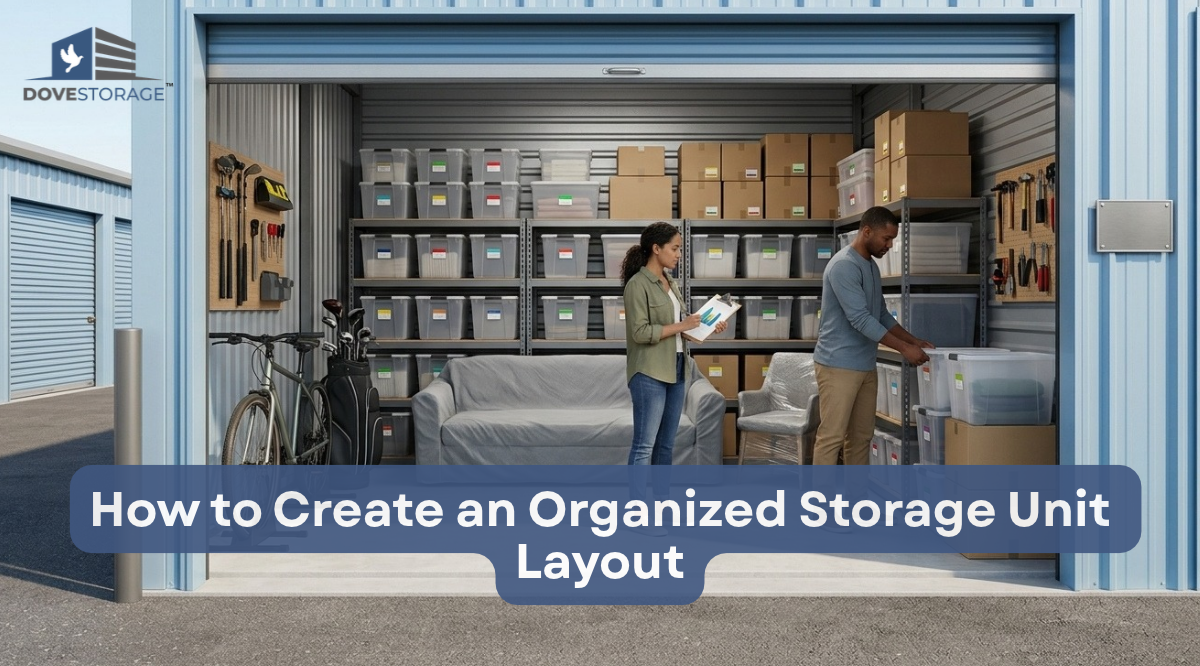
A storage unit can become cluttered over time, especially when you frequently add or remove belongings. Visiting periodically gives you an opportunity to reorganize your space and make sure you can find what you need without moving every box.
Start by checking whether boxes are stacked securely and whether heavier items are supporting lighter ones appropriately. Make sure furniture and other large objects are positioned safely, and avoid stacking items so high that they could fall when you retrieve something.
Here are a few ways to improve your unit's organization:
- Label every box: Include a brief description of the contents so you can identify items quickly.
- Maintain a clear walkway: Leave enough room to reach belongings toward the back of the unit.
- Group similar items together: Keep seasonal decorations, household goods, business supplies, and other categories in designated areas.
- Keep frequently needed items accessible: Place belongings you retrieve regularly near the front.
- Use shelving when permitted: Shelving can help you use vertical space while keeping items organized.
An organized unit makes every visit easier and reduces the likelihood of accidentally damaging belongings while searching for something. For additional ideas, explore our guide on how to maximize every inch of your storage unit.
Pro Tip: Keep a digital inventory on your phone with box labels, item descriptions, and photos. Update it whenever you add, remove, or rearrange important belongings.
6. Check Your Packing Materials and Containers
Even when your belongings appear fine, the materials used to protect them may need attention. Boxes can weaken, tape can loosen, and protective wrapping can shift during storage or when items are moved.
During your visit, check whether boxes remain sturdy and whether their contents are still adequately protected. Replace damaged containers and reinforce packaging when necessary.
Consider these storage packing practices:
- Use sturdy boxes or durable plastic bins appropriate for the items you're storing.
- Wrap fragile items individually with suitable protective materials.
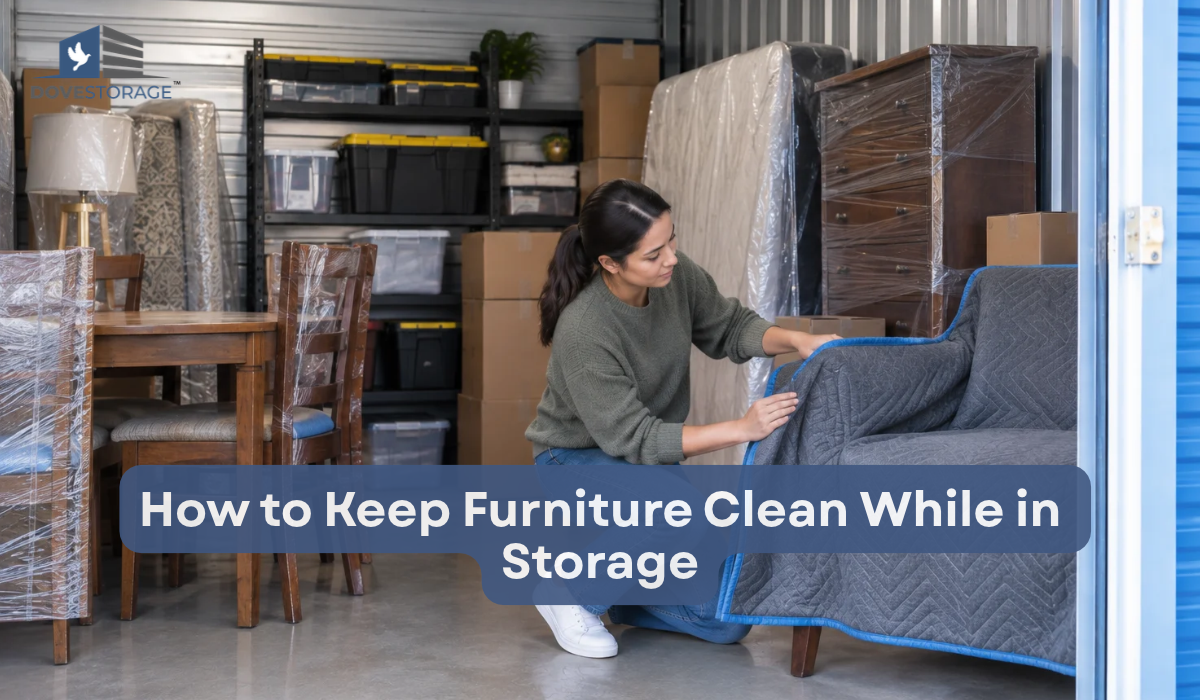
- Cover furniture with breathable protective covers rather than wrapping everything tightly in plastic for extended periods.
- Avoid overpacking boxes, which can make them difficult to lift and more likely to break.
- Store important paperwork in suitable protective containers and consider keeping irreplaceable documents in a more appropriate environment.
It's also a good idea to keep items clean before storing them. Dust, dirt, food residue, and moisture left on belongings can create problems during extended storage.
Pro Tip: Bring a small supply of packing tape, labels, and replacement boxes when you plan to reorganize your unit. Having these materials on hand makes it easier to address small issues during your visit. For more advice, check out our article on tips for packing and organizing your storage unit efficiently.
7. Make Sure Your Stored Items Still Meet Your Needs
Your storage needs can change over time. Items you originally planned to keep for a few months may no longer be necessary, while other belongings might need to be moved somewhere more accessible.
Use your visit to review what you're storing and decide whether your current arrangement still makes sense.
Ask yourself:
- Do I still need to keep these items?
- Are there belongings I should take home or donate?
- Have I stored anything that needs a different type of environment?
- Would reorganizing my unit make better use of the available space?
- Am I storing anything that isn't permitted under the facility's policies?
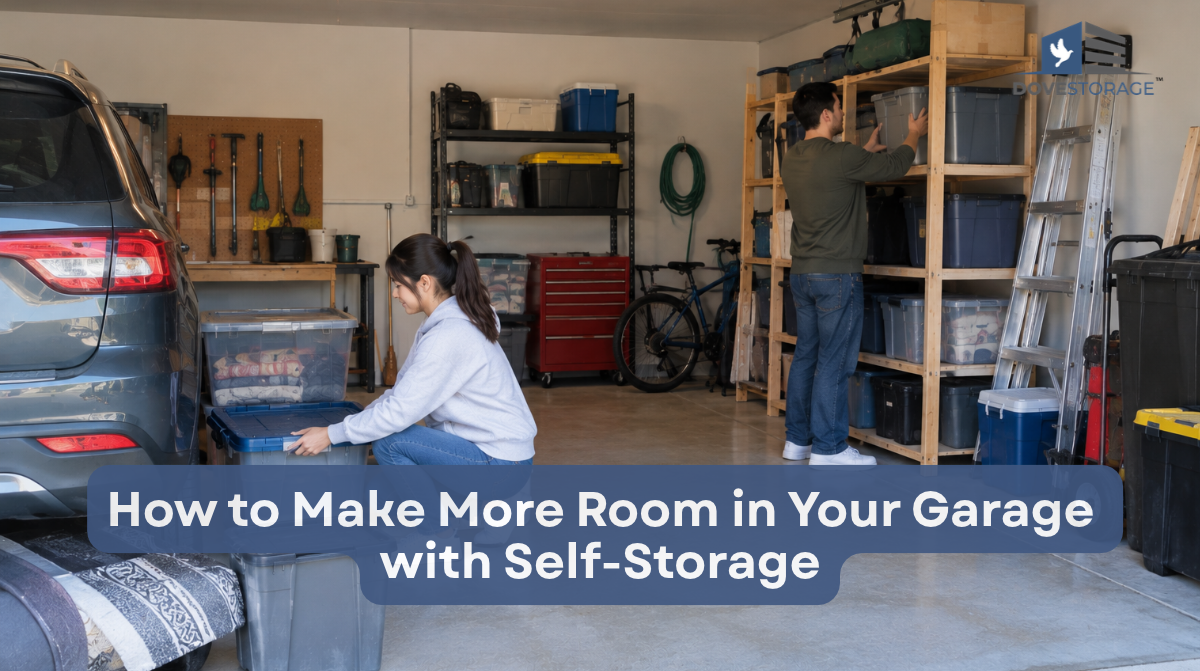
Removing items you no longer need can help you free up space and keep your unit manageable. If your storage needs have grown or changed, you may also want to explore whether a different unit size or storage type would be a better fit.
Pro Tip: Review your storage inventory at least seasonally or whenever your household or business needs change. A little planning can prevent unnecessary clutter from building up again. If you're running out of room, our complete storage unit size guide can help you evaluate which size may suit your belongings.
8. Review Your Storage Records and Account Details
A storage unit visit is also a good opportunity to check your rental records and make sure your account information is up to date.
Confirm that you understand your rental agreement, payment schedule, and facility policies. If your contact information or payment method has changed, update it through the appropriate account process.
It's also important to review your coverage arrangements. Dove Storage requires renters to have insurance for their stored belongings. If you don't have an existing policy that meets the requirements, Dove Storage offers a tenant protection plan starting as low as $12 per month. Review the applicable plan terms and coverage details to understand what protection is available.
Keep copies of your rental agreement, payment records, and relevant insurance or tenant protection documents in a convenient place.
Pro Tip: Set a reminder to review your account details and stored-item inventory periodically. Staying organized with both your belongings and rental records can make managing your storage unit much easier.
9. Report Maintenance or Security Concerns Promptly
If you notice a problem during your visit, don't wait until your next trip to address it. Reporting concerns promptly gives facility management an opportunity to investigate and determine what action may be needed.
Examples of concerns worth reporting include damaged doors, broken locks or access points, suspected leaks, signs of pests, damaged lighting, and other maintenance issues around the property.
When reporting a concern, provide a clear description of what you noticed and where it occurred. Photos may also be helpful when appropriate. Avoid attempting repairs to the facility's property yourself, and follow any instructions provided by management.
Although routine inspections can help you monitor your belongings, they don't replace the facility's own maintenance procedures or your responsibility to follow storage policies.
Pro Tip: Keep the facility's contact information available on your phone so you can report an issue when you notice it.
Checking on your storage unit doesn't have to be complicated. By inspecting your belongings, watching for moisture and pests, securing your unit, and keeping everything organized, you can help protect your possessions and make better use of your storage space.
Whether you're storing seasonal decorations, furniture, family keepsakes, or business supplies, regular visits can help you stay aware of your belongings' condition and address potential concerns early. A simple checklist can make each visit more productive and give you greater confidence in how your items are stored.
At Dove Storage, we offer clean, secure, and affordable self-storage solutions designed to meet a variety of household and business needs. Whether you're looking for extra room during a move, space for seasonal belongings, or a convenient place to keep items you don't need every day, we're here to help you find a suitable storage option.
Visit Dove Storage today to explore our available storage units and find the space that works for you.