Storage Solutions for Boats, Trailers, and Recreational Vehicles
Boats, trailers, and recreational vehicles (RVs) make it easier to enjoy road trips, outdoor adventures, and time on the water. However, when they’re not in use, finding a suitable place to keep them can be challenging. These larger vehicles often take up valuable driveway space, crowd garages, or create parking limitations at home.
Fortunately, self-storage solutions for your home and lifestyle can provide a practical option for owners who need extra space for their recreational vehicles and equipment. Whether you’re preparing for the off-season, protecting your driveway from clutter, or simply looking for a more convenient place to keep your equipment, choosing the right storage option can make a big difference. Here’s how to get started.
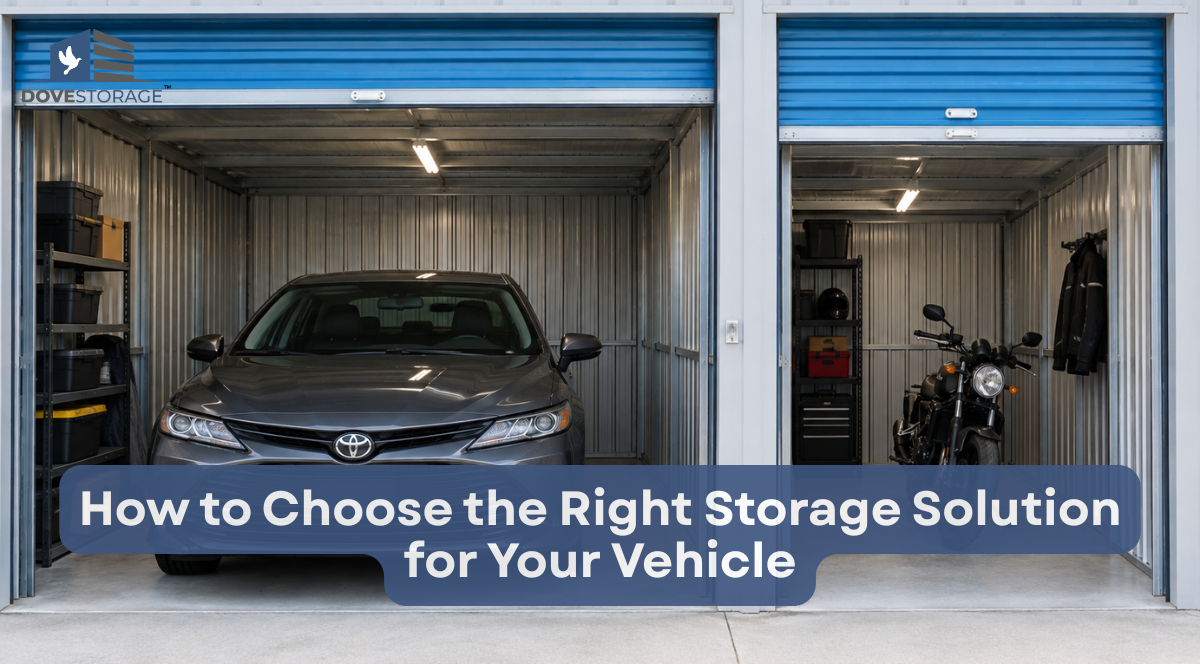
1. Choose the Right Storage Solution for Your Vehicle
Not all storage options are suitable for every vehicle. Before renting a storage space, consider the size of your boat, trailer, or RV, how often you plan to use it, and the type of protection it needs.
Here are a few factors to consider:
Outdoor Vehicle Storage: A practical option for boats on trailers, campers, and other recreational vehicles that can be stored outdoors. Look for a designated parking space that accommodates your vehicle's dimensions.
Drive-Up Storage: Some storage facilities offer drive-up units that make loading and unloading equipment easier. These units may be suitable for smaller recreational equipment, depending on the unit's dimensions and access requirements.
Covered or Enclosed Storage: If available, covered or enclosed spaces can provide additional protection from direct sunlight, rain, and other outdoor elements.
Before choosing a storage space, confirm that the facility accommodates your specific vehicle type and dimensions. Measure the full length, width, and height, including trailers, hitches, and other attachments. Our storage unit size guide can also help you understand storage dimensions when planning space for your additional equipment.
Pro Tip: Don't forget to account for the extra space needed to maneuver your vehicle safely into and out of the storage area.
2. Prepare Your Boat, Trailer, or RV Before Storage
Proper preparation helps keep your recreational vehicle in good condition while it's not being used. Taking a little time to clean and inspect it before storage can also make getting ready for your next adventure much easier.
Here are a few important steps:
- Clean the Exterior: Wash away dirt, road salt, mud, and other debris that could affect the vehicle's surfaces over time.
- Remove Personal Belongings: Take out food, trash, and unnecessary items that could attract pests or create odors.
- Inspect for Damage: Check tires, seals, windows, and visible components for signs of wear or damage before storing the vehicle.
- Protect the Interior: Remove valuables and use suitable covers to help protect upholstery, dashboards, and other interior surfaces.
- Follow Manufacturer Recommendations: Review the owner's manual for guidance on preparing the engine, battery, fuel system, plumbing, and other components for storage.
Boats may require additional preparation, such as cleaning the hull, removing equipment, and following the manufacturer's winterization recommendations when applicable. RV owners should also pay attention to water systems and plumbing if freezing temperatures are a concern.
Pro Tip: Create a checklist before storing your vehicle so you can complete each preparation step and remember what needs attention before your next trip.
3. Make the Most of Your Driveway and Garage Space
Large recreational vehicles can take up considerable room at home. A boat and trailer, travel trailer, or camper parked in the driveway may limit parking space, while storing outdoor equipment in the garage can make it harder to access everyday belongings.
Using a suitable storage facility can help you reclaim that space without giving up the recreational equipment you enjoy.
For example:
- Move your boat and trailer to storage between boating trips or during the off-season.
- Store a travel trailer or camper away from home when you're not planning a trip.
- Keep towing accessories, camping gear, and other outdoor equipment organized in an appropriately sized storage unit.
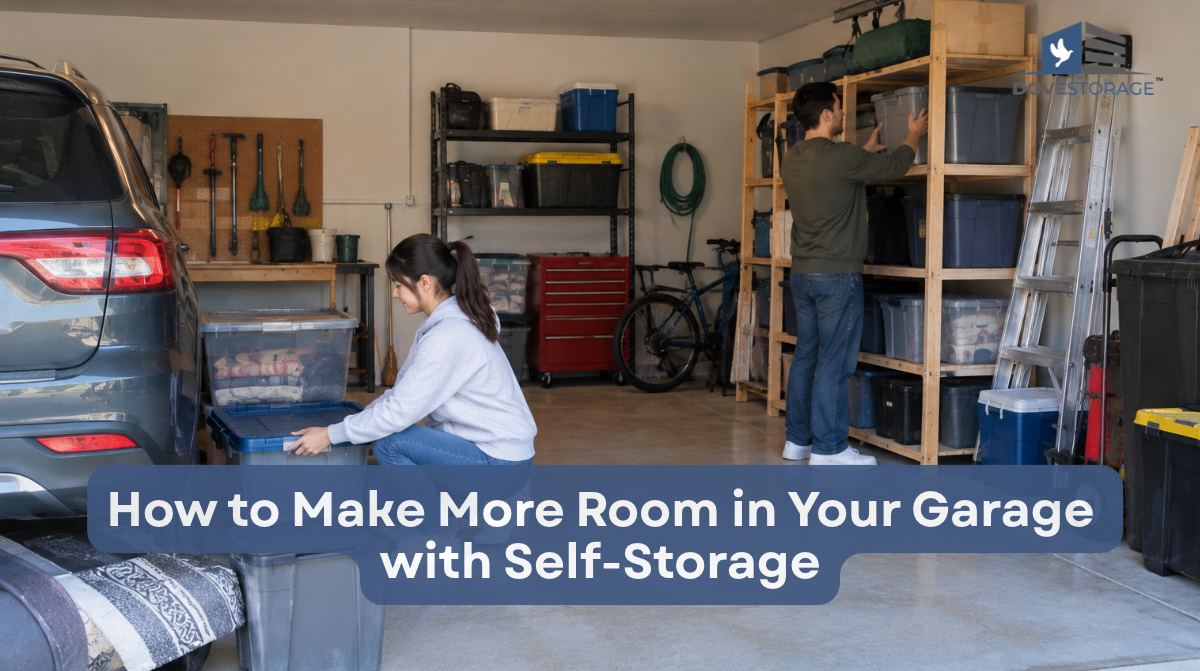
- Clear your garage so you can park your everyday vehicle or use the space for household projects.
By moving larger items off your property, you can make your home more functional while keeping your recreational equipment available for future use. For more ideas, explore these tips for packing and organizing your storage unit efficiently.
4. Protect Your Vehicle From Weather and Environmental Damage
Weather exposure is an important consideration when storing boats, trailers, and RVs. Sunlight, rain, wind, moisture, and seasonal temperature changes can affect exterior finishes, tires, seals, and other components over time.
Although no storage option eliminates every risk, taking preventive measures can help reduce unnecessary wear.
Consider these precautions:
- Use a Suitable Cover: Choose a breathable, properly fitted cover designed for your vehicle to help protect it from dirt, sunlight, and precipitation.
- Check Tire Condition: Inspect tires before storage and follow the manufacturer's recommendations for inflation and maintenance.
- Keep Moisture Under Control: Make sure the vehicle is dry before covering it, and inspect for signs of leaks or trapped moisture.
- Protect Exposed Components: Follow manufacturer guidance for maintaining batteries, hoses, seals, and other vulnerable parts.
- Choose Storage Carefully: Consider the local climate, expected storage duration, and whether covered or enclosed options are available.
Outdoor storage may be a convenient choice for many recreational vehicles, but owners should understand the limitations of storing equipment outside. If your vehicle requires additional weather protection, ask about available storage options before making a decision.
Pro Tip: Schedule occasional inspections during extended storage periods to check the vehicle's condition and address potential issues early.
5. Keep Your Recreational Equipment Organized
Storing your boat, trailer, or RV is only part of the process. Keeping the related accessories organized can save time and make preparing for your next outing much easier.
Camping equipment, life jackets, fishing gear, towing accessories, folding chairs, and maintenance supplies can quickly accumulate at home. A separate storage unit may help keep these items together without crowding your garage or closets.
To stay organized, consider the following:
- Group Similar Items: Keep boating supplies, camping equipment, and RV accessories in separate categories.
- Use Clearly Labeled Containers: Store smaller items in sturdy bins and label them so you can find what you need.
- Keep Equipment Dry: Clean and dry gear thoroughly before packing it away to help prevent mildew and unpleasant odors.
- Create an Inventory: Maintain a list of stored items so you can check what you already have before purchasing replacements.
- Leave Room for Access: Arrange boxes and equipment so frequently used items are easy to reach.
Remember that not every storage unit can accommodate a full-size vehicle. If you plan to store both your recreational vehicle and its accessories, check the available dimensions and storage rules to determine whether you need separate spaces.
6. Plan for Seasonal and Long-Term Storage
Many people use their boats, campers, and recreational vehicles more frequently during certain seasons. When colder weather arrives or outdoor activities slow down, finding an appropriate place to store these items can help keep them out of the way until they're needed again.
Planning ahead can make seasonal storage more manageable. Our seasonal storage tips offer additional ideas for organizing belongings as your needs change throughout the year.
For Boats: After your final outing of the season, clean the boat, remove personal belongings, and complete any required maintenance or winterization before storage.
For RVs and Campers: Inspect the roof, seals, tires, and exterior. Follow manufacturer guidance for plumbing, batteries, and other systems based on your expected storage conditions.
For Trailers: Clean the trailer, inspect its tires and lights, and check the hitch and other components before parking it for an extended period.
For long-term storage, consider how often you expect to use the vehicle, the environmental conditions at the storage location, and the maintenance it will need while parked.
Pro Tip: Reserve your storage space before peak seasonal demand when possible, and confirm the facility's rental terms, access hours, and vehicle storage policies in advance.
7. Prioritize Security and Convenient Access
When choosing a storage facility for a boat, trailer, or recreational vehicle, security and accessibility should both be part of your decision.
Your vehicle may represent a significant investment, so it's important to understand how a facility manages its property and what measures are available to help protect stored belongings. Learn more about security and maintenance at storage facilities before deciding where to keep your vehicle.
Look for facilities that offer features such as:
- Gated entry or controlled access, where available.
- Security cameras and property monitoring, where provided.
- Well-maintained grounds and clearly designated parking areas.
- Convenient access routes that accommodate your vehicle's size.
- Clearly explained rental policies and access hours.
You can also take steps to protect your vehicle yourself. Remove valuables, secure compartments, use appropriate locks, and maintain current insurance coverage. Ask the facility about its security features and any restrictions that apply to boats, trailers, or RVs.
Pro Tip: Before signing a rental agreement, visit the property if possible. Check the entrance, turning space, parking layout, and route to your assigned space to make sure your vehicle can be moved safely.
Finding the right storage solution for your boat, trailer, or recreational vehicle doesn't have to be complicated. By choosing an appropriate space, preparing your vehicle properly, protecting it from the elements, and keeping your accessories organized, you can free up valuable room at home while making future adventures easier to plan.
Whether you're storing a boat between trips, parking a camper during the off-season, or looking for extra space for recreational equipment, a suitable storage facility can help you keep your property organized and your equipment ready for when you need it.
At Dove Storage, we offer clean, secure, and affordable self-storage solutions designed to meet a variety of household and storage needs. Visit our Dove Storage locations to explore available options near you. If you're looking to store a boat, trailer, or recreational vehicle, contact your local Dove Storage facility to confirm available spaces, vehicle storage policies, and access options before renting.