How to Declutter Your Home Without Getting Overwhelmed
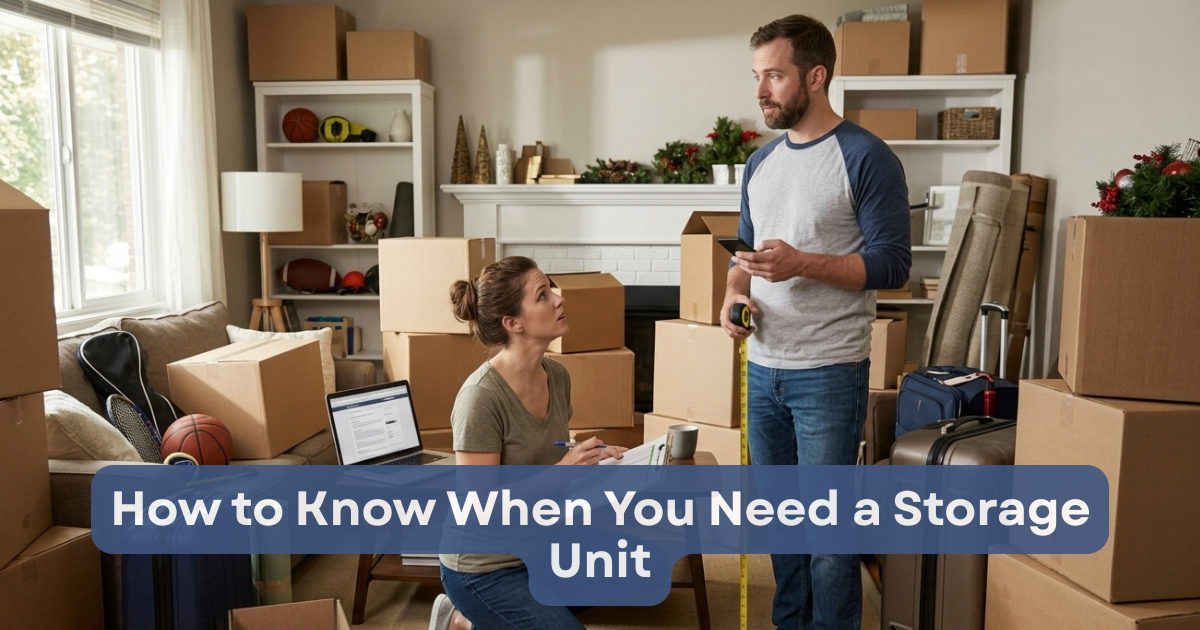
A cluttered home can quickly feel stressful, especially when you don’t know where to begin. Closets fill up, garages become difficult to navigate, and rooms can start feeling smaller than they really are. When there’s too much to sort through at once, it’s easy to feel overwhelmed and put off decluttering altogether.
The good news is that decluttering doesn’t have to happen all at once. By breaking the process into manageable steps and deciding what to keep, donate, discard, or store, you can gradually create a cleaner and more functional home without the stress.
Self-storage can also be a helpful part of the process. Instead of feeling pressured to get rid of belongings you may still need or value, a storage unit gives you additional space while you decide what belongs in your home. Here’s how to get started.
1. Start With One Small Area
One of the biggest decluttering mistakes is trying to tackle the entire house in a single day. Seeing everything that needs to be organized at once can make the process feel impossible.
Instead, choose one manageable area. Start with a closet, a single room, a garage corner, or even one drawer. Once you finish that space, move on to the next.
Breaking the project into smaller tasks makes it easier to see progress and stay motivated.
Ask yourself:
- What area causes the most frustration?
- Which items are taking up valuable space?
- What can I realistically finish today?
Pro Tip: Set a timer for 20–30 minutes and focus only on decluttering during that time. Short, consistent sessions can make a big difference without making the process feel exhausting.
For more ideas on making the most of your available space, check out Dove Storage’s guide to organizing your home with the help of a storage unit.
2. Sort Everything Into Simple Categories
Once you choose an area, take everything out and sort your belongings into clear categories. A simple system can help you make decisions without overthinking every item.
Try using these four groups:
- Keep: Items you use regularly or truly need.
- Store: Items you want to keep but don’t need in your home right now.
- Donate: Items that are still useful but no longer serve a purpose for you.
- Discard: Broken, damaged, expired, or unusable items.
This approach helps you focus on what each item means to you instead of simply moving clutter from one place to another.
Pro Tip: If you’re unsure about something, create a temporary “decide later” box. Revisit it after you’ve finished the rest of the space instead of letting one difficult decision stop your progress.
3. Ask Yourself What You Actually Use
It’s easy to hold onto things simply because you might need them someday. But if an item hasn’t been used in years, it may be taking up valuable space without adding much value to your daily life.
Before keeping something, ask yourself:
- When was the last time I used this?
- Do I expect to use it again?
- Would I replace it if I didn’t already own it?
- Is it worth the space it takes up?
- Could this item be stored somewhere else?
For seasonal belongings, sentimental items, extra furniture, and recreational equipment, getting rid of them may not be necessary.
Instead, consider whether moving them into a self-storage unit would give you the extra space you need at home.
If you’re unsure how much space you actually need, Dove Storage’s complete storage size guide can help you compare storage options before choosing a unit.
4. Use Self-Storage for Items You Still Want to Keep
Decluttering doesn’t mean getting rid of everything. Sometimes, you simply need more room.
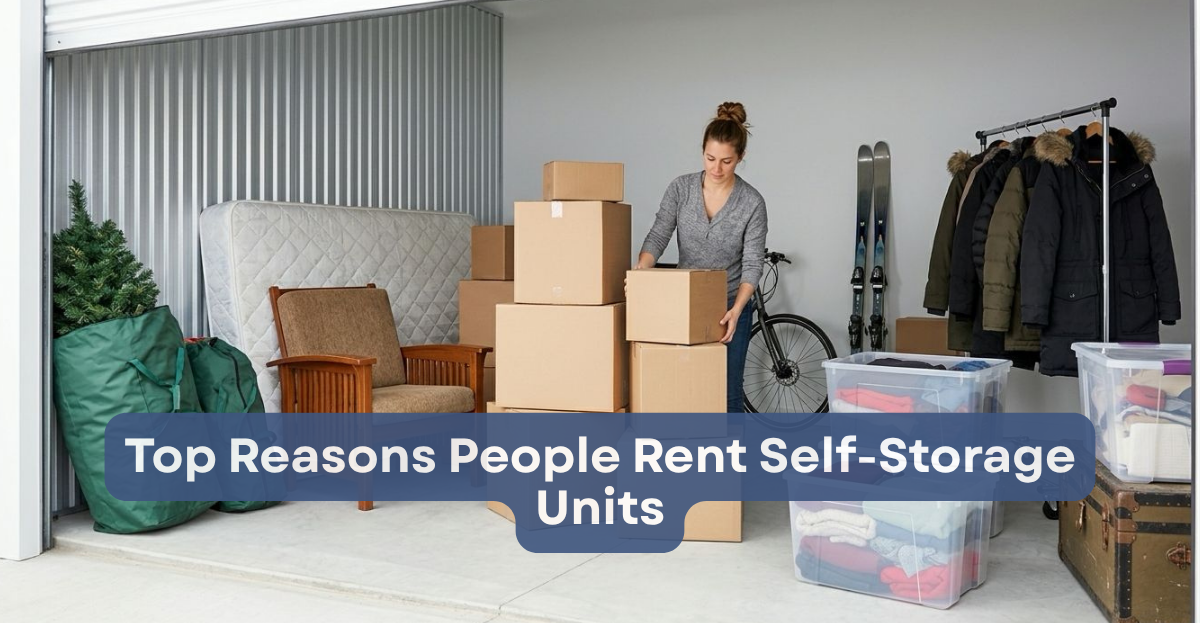
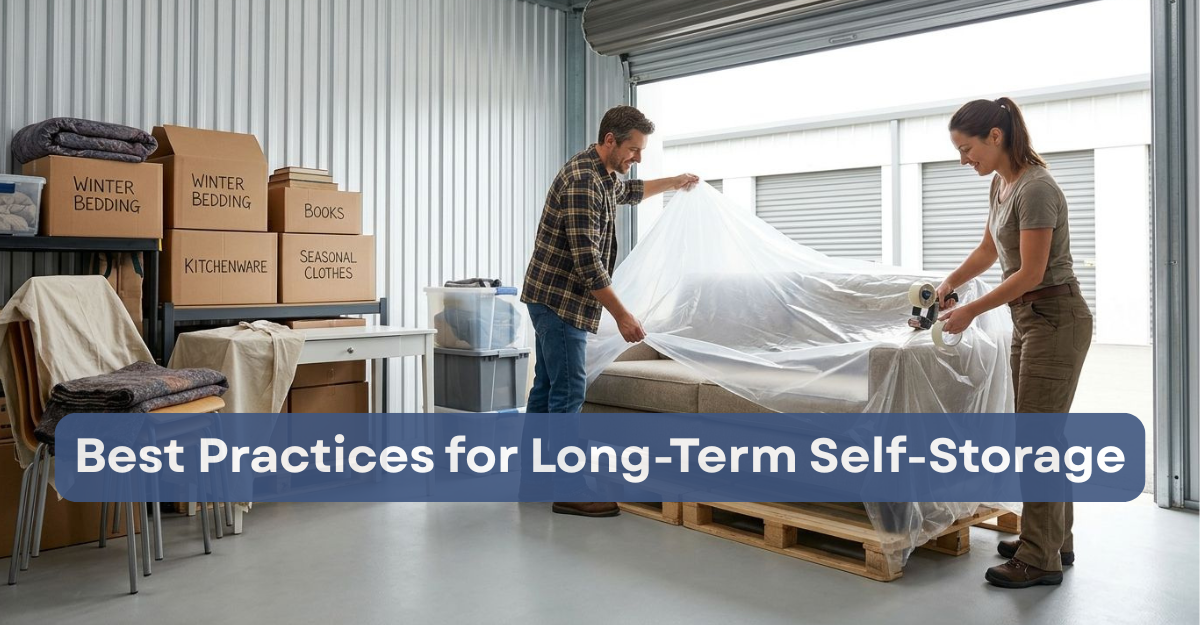
A self-storage unit can be useful for belongings that you want to keep but don’t need taking up space inside your home. Seasonal decorations, clothing, furniture, sports equipment, keepsakes, and other infrequently used items can be organized and stored outside your living areas.
This can be especially helpful when you’re:
- Preparing to move
- Downsizing your home
- Making room for a new family member
- Organizing a garage or spare room
- Rotating seasonal belongings
- Keeping sentimental items without filling your home with boxes
When choosing a storage unit, it’s important to consider your belongings and how often you’ll need to access them. Learn more about how to choose the right storage unit for your needs before making your decision.
Pro Tip: Before moving items into storage, create a simple inventory and label every box. Knowing exactly what you have will make it much easier to find something when you need it.
5. Declutter Room by Room
Once you’ve completed your first area, continue through your home one room at a time. A room-by-room approach keeps the project organized and helps you avoid creating an even bigger mess.
For example:
Kitchen: Remove duplicate appliances, expired items, and cookware you rarely use.
Bedroom: Sort clothing, shoes, accessories, and extra bedding.
Living Room: Organize books, decorations, electronics, and furniture.
Garage: Separate tools, outdoor equipment, seasonal items, and household storage.
Spare Room: Decide whether unused furniture, boxes, and miscellaneous belongings are still needed.
Working through one room at a time gives you a clear stopping point and lets you see your progress as you go.
If your garage is one of the areas causing the most clutter, using self-storage can help you create room for vehicles, equipment, or other items you still want to keep.
6. Create a Home for Everything You Keep
Decluttering is only part of the process. Once you’ve decided what stays, give those belongings a designated place.
Use bins, baskets, shelves, cabinets, and drawer organizers to keep similar items together. Store frequently used belongings where they’re easy to reach, while less frequently used items can go into higher or less accessible storage areas.
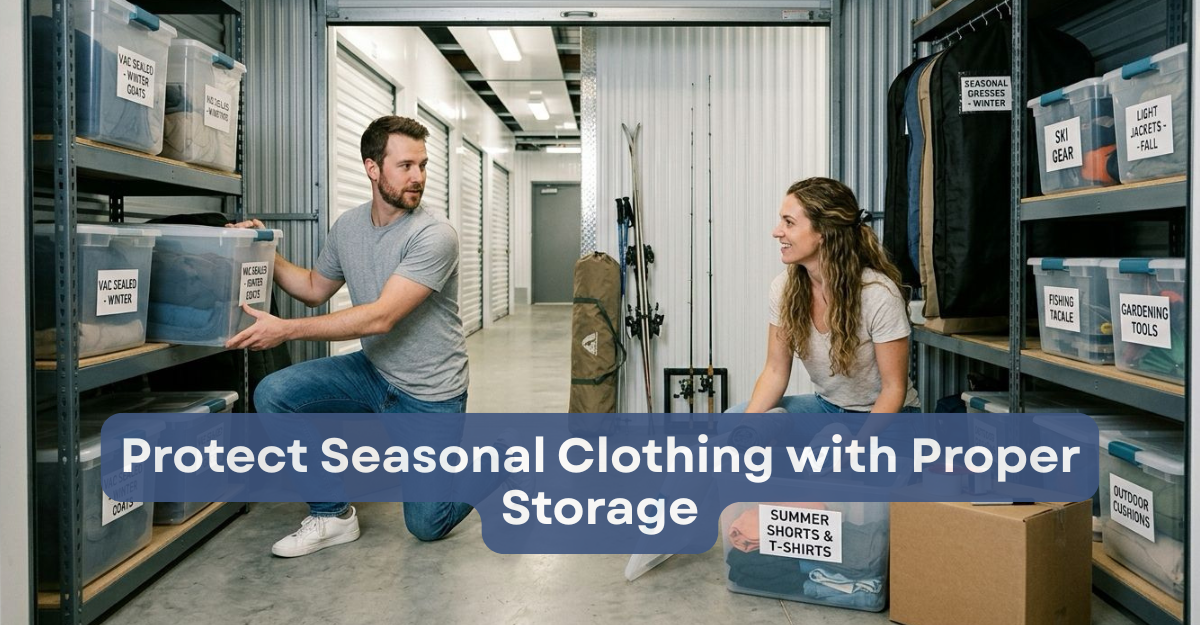
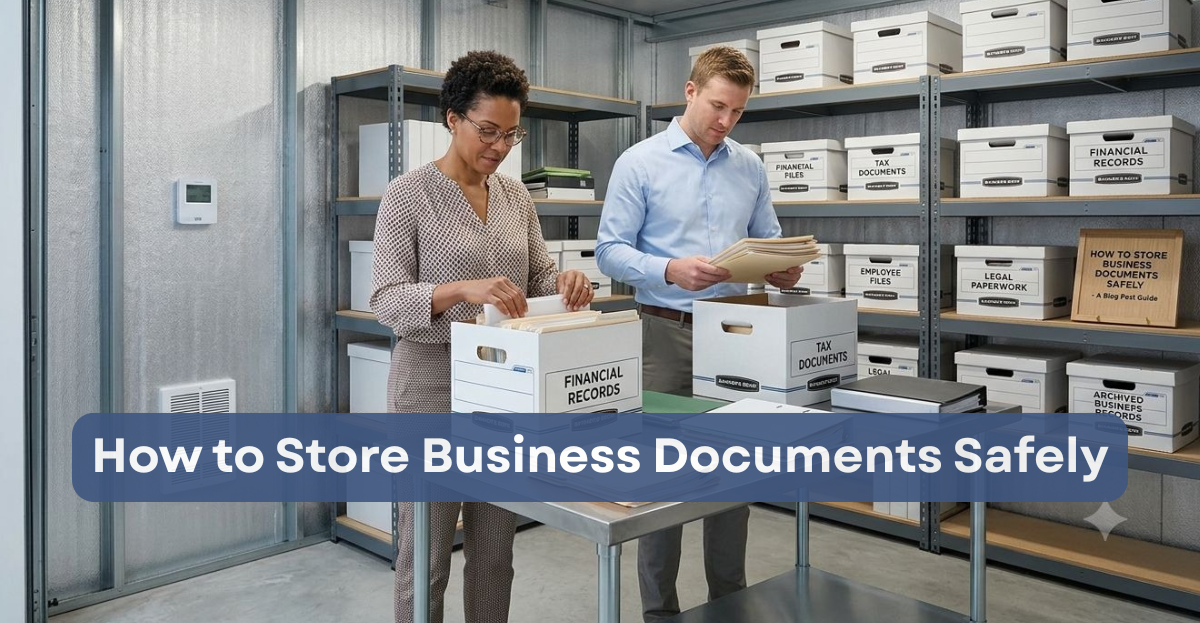
For items kept in a storage unit, use sturdy boxes and clear labels. Keep an aisle when possible so you can reach items toward the back without having to move everything.
For additional organization ideas, learn how to label storage boxes for easy organization. Proper labeling can save time and make finding stored belongings much easier.
Pro Tip: Label boxes on multiple sides. This makes it easier to identify their contents even when they’re stacked.
7. Give Yourself Time to Maintain the Space
Decluttering isn’t a one-time project. Without a simple system, clutter can gradually return.
Once you’ve organized your home, spend a few minutes each week putting things back where they belong. You can also make decluttering part of your seasonal routine.
When a new season begins, review items you no longer use and rotate seasonal belongings as needed. If you use a storage unit, this is also a good opportunity to check your stored items and reorganize anything that needs attention.
Seasonal rotation can be especially useful for clothing, holiday decorations, outdoor equipment, and other items that you only need during certain times of the year. For more ideas, check out these seasonal storage tips.
Keeping up with small tasks is much easier than waiting until clutter becomes overwhelming again.
Decluttering your home doesn’t have to mean getting rid of everything you own. The goal is to create a space that feels comfortable, organized, and functional while keeping the belongings that matter to you.
By starting small, sorting items thoughtfully, and using self-storage for belongings you want to keep but don’t need at home, you can create more space without feeling overwhelmed. Whether you’re organizing one closet or tackling your entire home, taking it one step at a time can make the process much more manageable.
At Dove Storage, we offer clean, secure, and affordable self-storage solutions to help you create the extra space you need. Whether you’re storing seasonal belongings, furniture, keepsakes, or items you simply don’t need at home right now, Dove Storage can help you make room for what matters. Visit Dove Storage today to find the storage solution that fits your needs.