Should You Rent a Storage Unit Before or After Moving?
Moving to a new home can be exciting, but it can also come with a long list of tasks, deadlines, and decisions. One question many people face is when to rent a storage unit: before the move or after?
The right timing depends on your moving situation, the amount of belongings you have, and how much space you’ll have at your new home. In many cases, renting a self-storage unit before moving can make the entire process more organized and less stressful. However, storage can also be useful after you move when you need time to settle in or decide what belongs in your new space.
Whether you’re downsizing, moving between homes, renovating, or simply need extra space during the transition, here’s how to decide when renting a storage unit makes the most sense.
1. Consider Renting a Storage Unit Before You Move
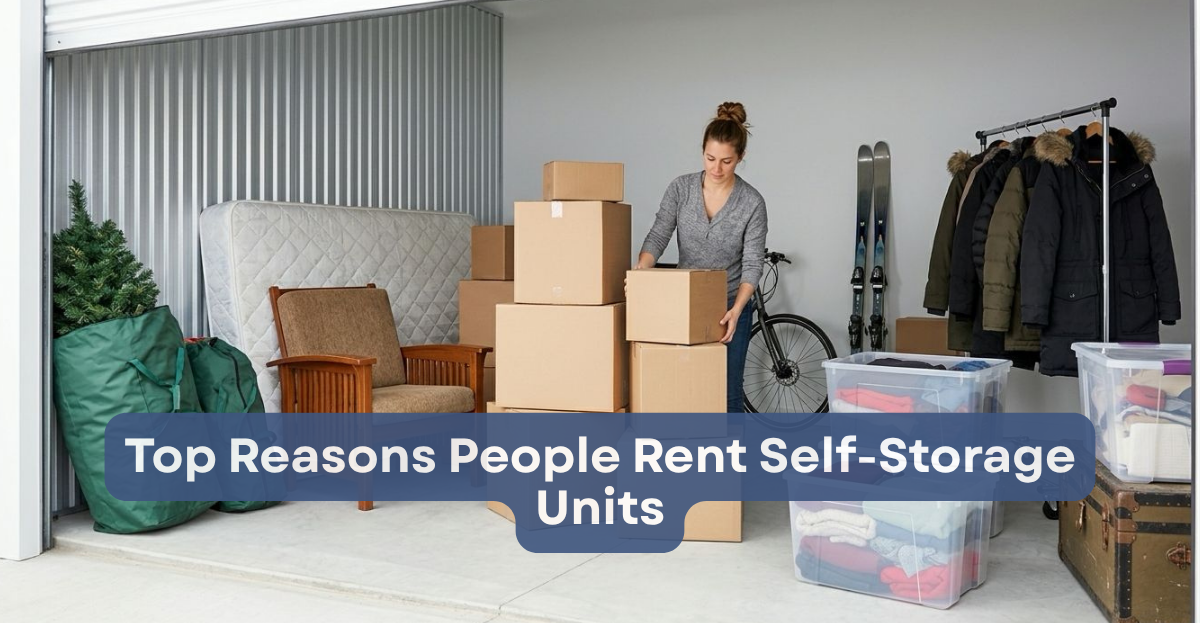
For many people, renting a storage unit before moving day can make the moving process much easier. Instead of moving everything directly from your current home to your new one, you can temporarily store items that you don’t need right away.
This can be especially helpful if:
- Your new home isn’t ready yet.
- You’re downsizing and need time to sort through belongings.
- You’re staging your current home for sale.
- You’re moving in stages.
- You have furniture or boxes that won’t fit in your new home immediately.
- You want to reduce clutter before moving day.
Moving some belongings into storage ahead of time can also give you more room to work. With fewer boxes and furniture pieces in your home, packing, cleaning, and preparing for the move can become much more manageable.
For additional ideas on making your move more organized, check out Dove Storage’s Moving & Organization Tips.
Pro Tip: Start with items you won’t need immediately, such as seasonal decorations, extra furniture, collectibles, and rarely used household items.
2. Renting Before Moving Can Make Packing Easier
Packing an entire home at once can quickly become overwhelming. A storage unit gives you somewhere to put packed belongings while you continue organizing the rest of your home.
Rather than having stacks of boxes throughout your hallways, bedrooms, and garage, you can gradually move packed items into storage. This creates more workspace and makes it easier to keep track of what has already been packed.
Consider organizing boxes by room and labeling each one clearly. This will make it easier to locate specific items when you eventually move them into your new home.
If you’re still deciding what type or size of unit you need, Dove Storage’s guide on how to choose the right storage unit can help you compare your options.
3. Use Storage When There’s a Gap Between Homes
Sometimes, your moving schedule doesn’t line up perfectly. You may need to leave your current home before you can move into your new one.
When there’s a gap between moving dates, a storage unit can provide a convenient temporary solution.
Instead of rushing to find somewhere to keep your furniture, boxes, and household belongings, you can place them in a storage unit while you wait for your new home to become available.
This can be particularly useful when:
- Your closing dates don’t match.
- You’re waiting for renovations to finish.
- You’re relocating to another city.
- You’re staying temporarily with family or friends.
- Your new home has a delayed move-in date.
Having a storage plan in place can help reduce the pressure of an unexpected scheduling gap. If you’re unsure whether you need storage for a few weeks or several months, learn more about short-term vs. long-term storage.
4. Renting After Moving Can Help You Settle In
While renting before a move can be extremely helpful, there are also situations where renting a storage unit after moving makes more sense.
Once you’re in your new home, you may realize that you have more belongings than you have space for. Instead of immediately getting rid of items you may still want or need, you can move them into storage while you decide what to keep.
Storage can also be helpful if you want to gradually organize your new home rather than unpacking everything at once.
For example, you might store:
- Extra furniture
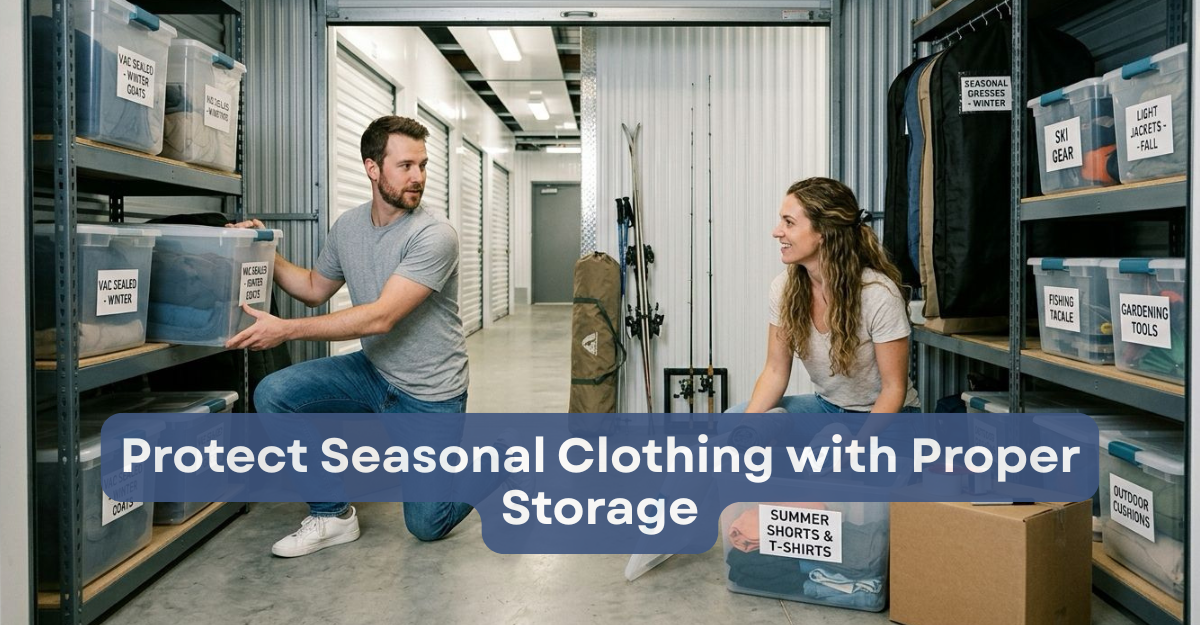
- Seasonal clothing
- Holiday decorations
- Sports equipment
- Family keepsakes
- Boxes you don’t need immediately
Pro Tip: Give yourself time to settle into your new home before making permanent decisions about belongings you’re unsure about.
5. Choose the Right Storage Unit Size
Whether you rent before or after your move, choosing the right unit size is important. Renting a unit that’s too small can make organizing difficult, while choosing one that’s much larger than necessary may mean paying for space you don’t need.
Start by making an inventory of what you plan to store. Consider the size and number of furniture pieces, boxes, appliances, and other belongings.
Think about how you’ll arrange everything inside the unit, too. Leave enough room to access items when necessary rather than packing everything tightly from floor to ceiling.
Dove Storage offers different storage unit sizes to help accommodate a variety of household and moving needs. You can also use the Dove Storage Size Guide to help estimate how much space you may need.
Pro Tip: If you’re unsure which size is right for you, create a list of the larger items you plan to store first. This gives you a better starting point when comparing available unit sizes.
6. Pack Your Storage Unit With the Move in Mind
If you know you’ll eventually be moving your stored belongings into your new home, organize your unit accordingly.
Keep frequently needed items toward the front and less frequently used belongings toward the back. Label every box with its contents and the room where it belongs.
For example:
- Kitchen: Dishes, cookware, small appliances
- Bedroom: Bedding, clothing, décor
- Living Room: Books, electronics, decorations
- Garage: Tools, outdoor equipment, seasonal items
Creating clear categories can save you time when it’s finally time to move everything into your new home.
For more ideas on packing efficiently, explore Dove Storage’s guide to packing and organizing your storage unit.
7. Consider the Type of Storage You Need
Your storage needs may also influence when and where you rent a unit.
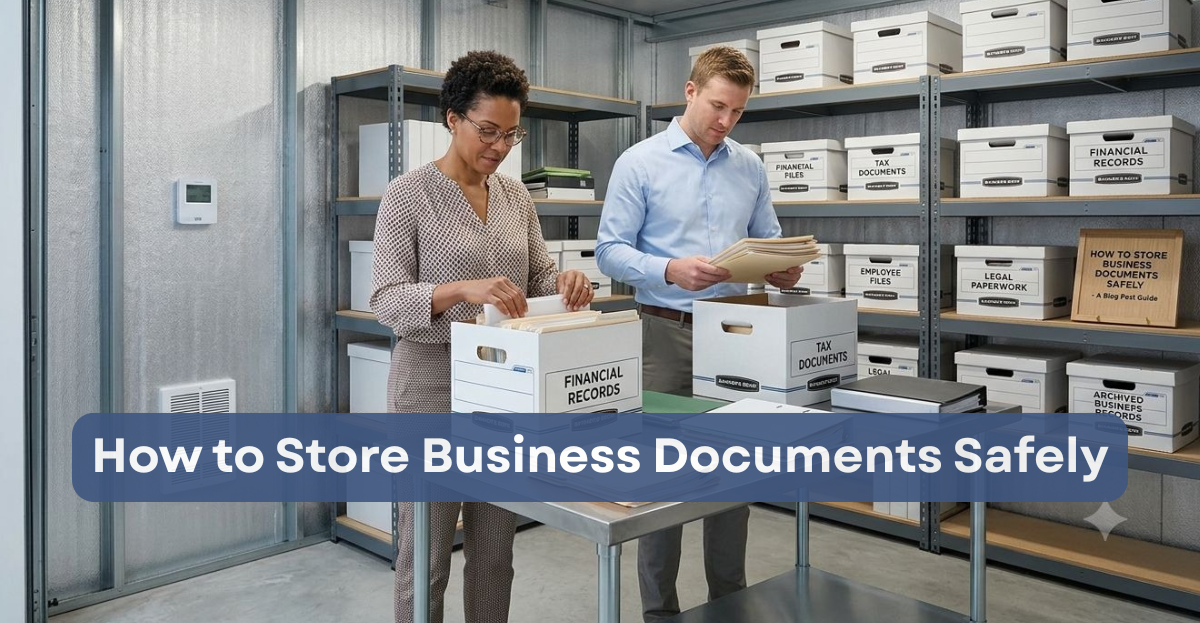
For bulky furniture and heavy boxes, a drive-up storage unit can make loading and unloading more convenient. Indoor storage can be useful when you want an added layer of protection from outdoor weather. Depending on the facility and your needs, climate-controlled storage may be worth considering for temperature-sensitive belongings such as documents, electronics, photographs, and certain furniture.
Before renting, think about what you’re storing and how often you expect to access it.
Dove Storage explains the differences between climate-controlled and standard storage units so you can choose an option that fits your belongings and moving plans.
The goal is to choose a storage solution that makes your move easier—not create another logistical challenge.
8. Keep Your Belongings Protected During the Transition
Moving means your belongings may be handled several times, so taking steps to protect them is important.
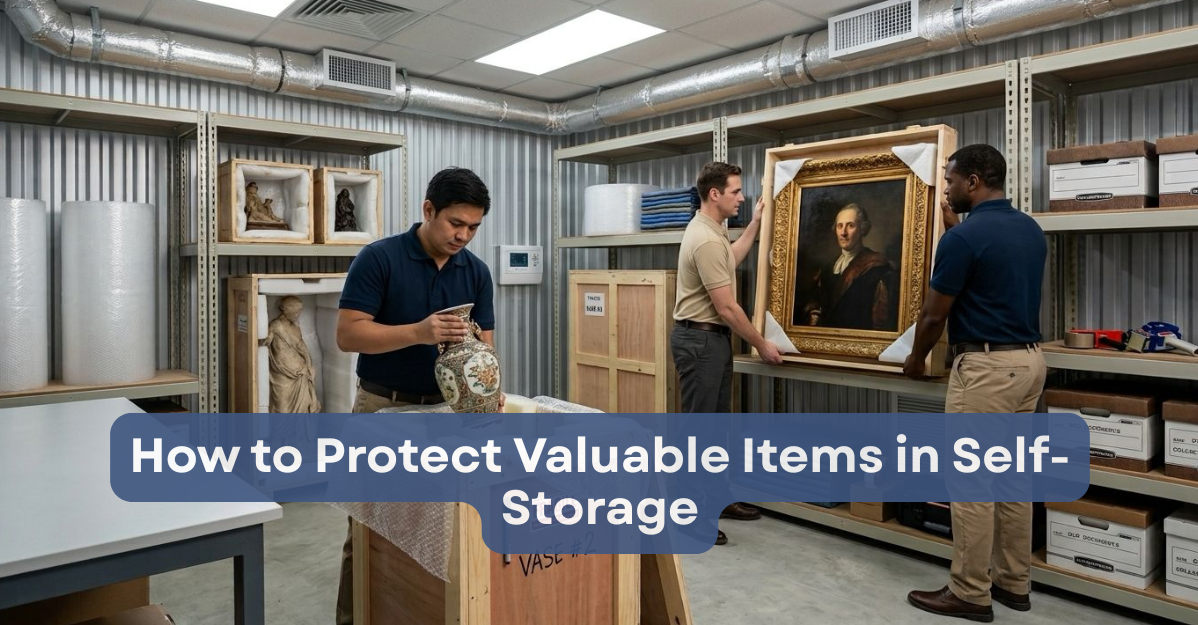
Use sturdy boxes and avoid overpacking them. Wrap fragile items individually and use appropriate padding. Furniture can be covered to help protect it from dust and scratches.
It’s also a good idea to keep an inventory of what you place in storage. Taking photos of valuable or sentimental items can make it easier to keep track of your belongings.
Dove Storage requires renters to have insurance for their stored belongings. If you don’t already have coverage, Dove Storage offers a tenant protection plan that can provide an additional option for protecting your belongings.
For more tips, read our guide on how to protect your belongings in a storage unit.
9. Decide Based on Your Moving Timeline
Ultimately, there’s no single answer to whether you should rent a storage unit before or after moving.
Rent before moving if you:
- Need to declutter your current home.
- Are downsizing.
- Have a gap between homes.
- Need somewhere to keep furniture temporarily.
- Want to make packing and moving day more manageable.
Rent after moving if you:
- Need additional space in your new home.
- Are still deciding what to keep.
- Have belongings that don’t fit comfortably in your new space.
- Want to unpack and organize gradually.
- Need a place for seasonal or rarely used items.
In some situations, renting before and after a move can make sense. Your storage needs may change as you transition from one home to another.
Moving doesn’t have to mean fitting everything into your new home all at once. A self-storage unit can give you the flexibility and extra space you need to make the transition more manageable.
Whether you need storage before moving, during a gap between homes, or after you’ve settled in, choosing the right unit can help you stay organized and reduce moving-day stress. With careful planning, packing, and organization, storage can become a useful part of your moving strategy.
At Dove Storage, we offer clean, secure, and affordable storage solutions designed to make moving, organizing, and storing your belongings easier. Whether you’re preparing for a move or settling into a new home, visit Dove Storage to find a storage option that fits your needs.