How to Find Affordable Storage Without Sacrificing Convenience
Finding the right self-storage unit doesn’t have to mean choosing between affordability and convenience. Whether you’re moving to a new home, decluttering your living space, storing seasonal belongings, or managing business inventory, a storage unit can provide the extra space you need without stretching your budget.
The key is knowing what to look for before renting. From choosing the right unit size to comparing storage features and understanding rental costs, a little planning can help you find a storage solution that fits both your needs and your budget. Here’s how to make the most of your self-storage experience without overspending.
1. Choose the Right Storage Unit Size
One of the easiest ways to save money on self-storage is to choose a unit that fits your belongings. Renting a unit that is too large means paying for unused space, while choosing one ›that is too small can make it difficult to organize and access your items.
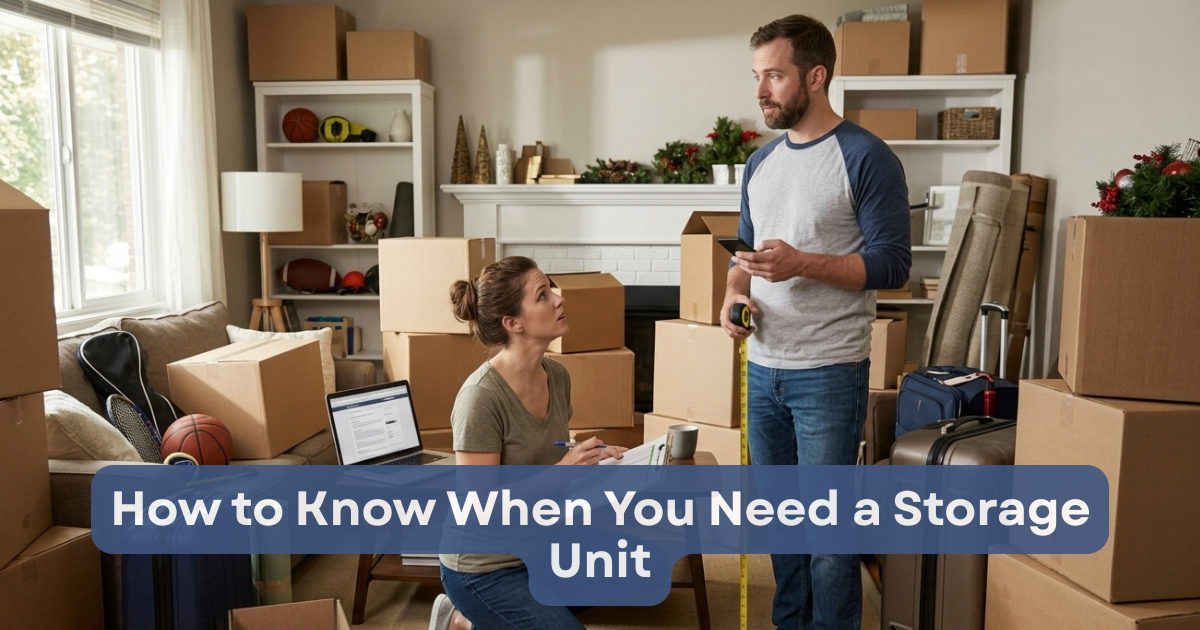
Before renting, take inventory of everything you plan to store. Group similar items together and estimate how much space they will require. Furniture, appliances, boxes, seasonal decorations, and business supplies may all need different amounts of room.
Consider these general storage needs:
- Small Units: Ideal for boxes, seasonal clothing, holiday decorations, and a few small pieces of furniture.
- Medium Units: Suitable for the contents of a bedroom or apartment, including furniture, appliances, and multiple boxes.
- Large Units: Helpful for storing the contents of a larger home, bulky furniture, business inventory, or equipment.
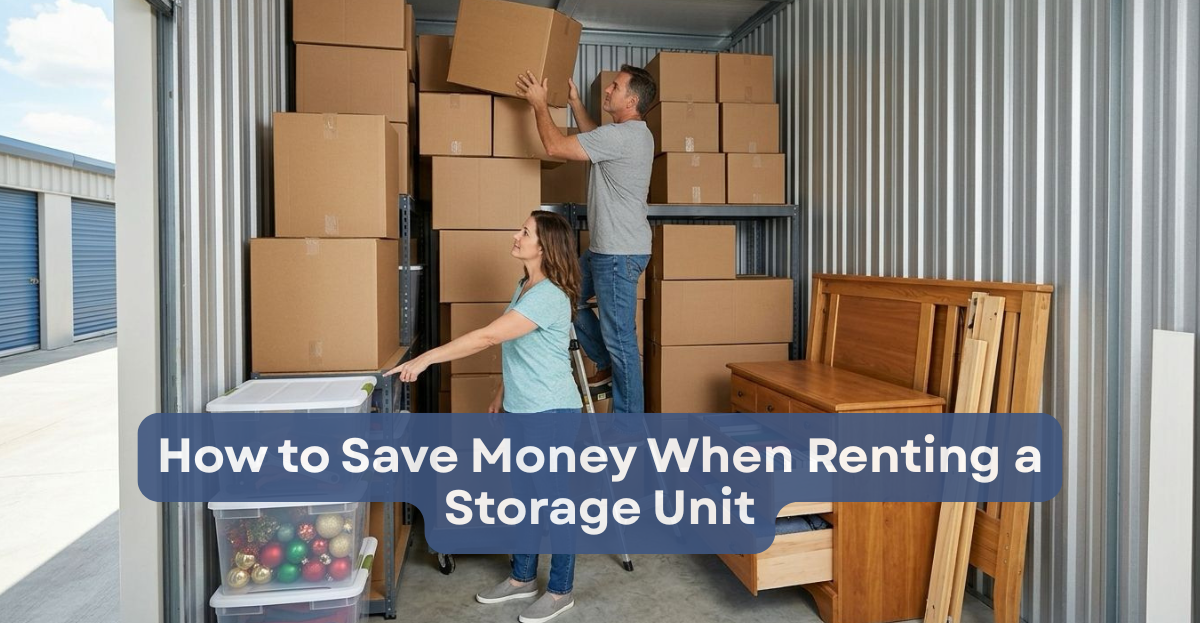
Remember to consider how you will arrange your belongings. Stacking boxes safely and using vertical space can help you make the most of your unit without paying for additional square footage.
Pro Tip: Use a storage unit size guide and ask about available options before making a decision. A little planning can help you avoid renting more space than you actually need.
2. Compare Storage Prices and Rental Terms
Finding affordable self-storage involves more than looking at the advertised monthly rate. Before choosing a facility, make sure you understand the full cost of renting a unit.
Some storage facilities advertise introductory promotions that provide savings during the first few months. These offers can be helpful, but it is important to understand the regular monthly rate once the promotion ends.
When comparing storage options, ask about:
- Monthly rental rates and promotional offers
- Administrative or one-time fees
- Required insurance or tenant protection coverage
- Lock requirements and any additional charges
- Payment policies and potential rate changes
- Minimum rental periods and cancellation requirements
Understanding these details upfront makes it easier to compare facilities fairly and avoid unexpected expenses.
Pro Tip: Look beyond the initial advertised price. Compare the total expected cost over the time you plan to rent, including any required fees and protection coverage.
3. Find a Convenient Location Close to Home or Work
A low monthly rate may seem attractive, but a storage facility that is far from your home or workplace could cost you more in travel time, fuel, and effort.
Choosing a conveniently located self-storage facility can make a noticeable difference, especially if you expect to visit your unit regularly. For example, a nearby facility can make it easier to retrieve seasonal decorations, access business supplies, or pick up furniture during a move.
Before renting, consider:
- How far the facility is from your home or workplace
- How often you expect to visit your unit
- Whether the roads and entrance are convenient for your vehicle
- Whether the facility's access hours fit your schedule
- How easy it is to load and unload your belongings
The most affordable option is not always the one with the lowest monthly price. Convenience, travel expenses, and the time you save should also factor into your decision.
Explore Dove Storage locations to find facilities in your area and compare available storage options.
4. Choose the Right Type of Storage for Your Belongings
Different storage options serve different purposes. Choosing the right type can help you avoid paying for features you do not need while ensuring your belongings are stored appropriately.
Here are a few common options to consider:
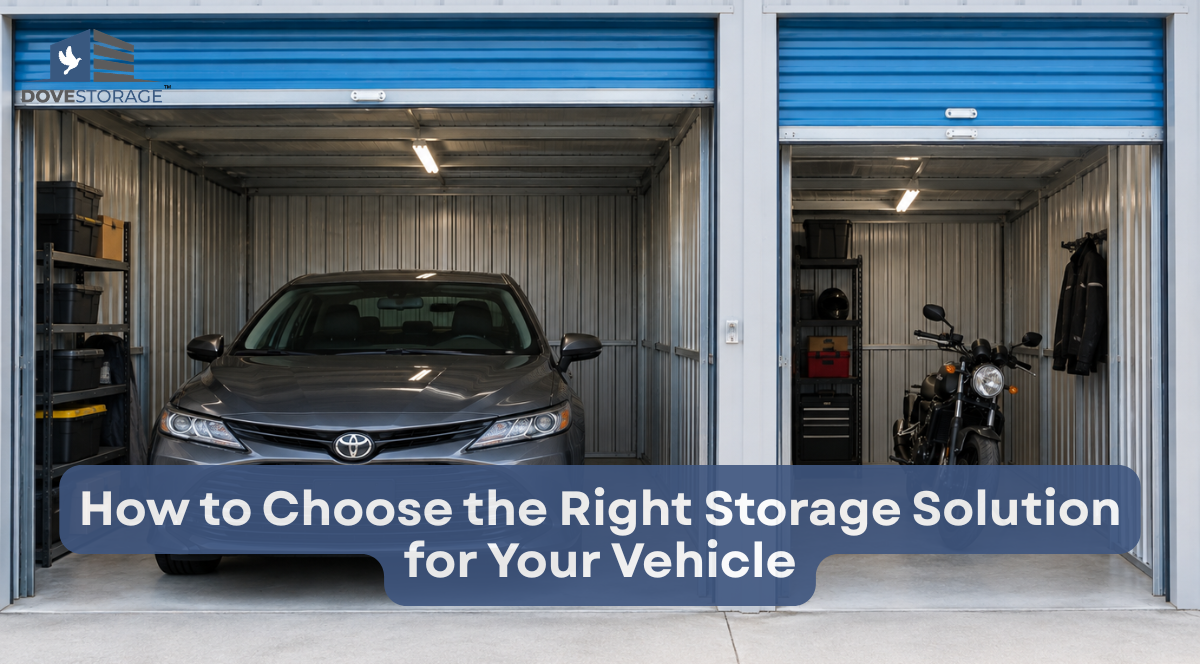
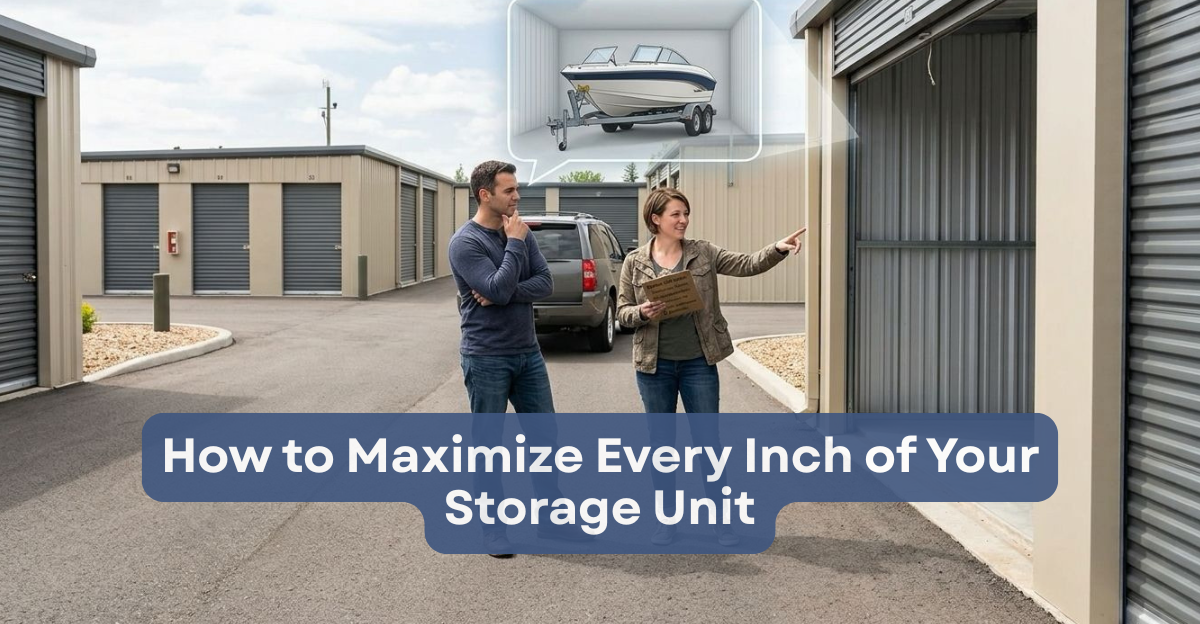
Drive-Up Storage: These units allow you to drive directly to the unit entrance, making loading and unloading furniture, boxes, tools, and other bulky belongings easier. They can be especially convenient during a move or when storing equipment you may need to retrieve regularly.
Indoor Storage: Indoor units are located within a building and can provide an additional barrier between your belongings and outdoor weather during access. They may be a practical choice for boxes, household items, and other possessions that you want to store inside a building.
Climate-Controlled Storage: These units help maintain more stable temperature and humidity conditions than standard storage spaces. They can be worth considering for temperature-sensitive belongings such as wooden furniture, photographs, electronics, and important documents.
Not every renter needs climate control or the same type of unit. Consider the value, sensitivity, and storage requirements of your belongings before deciding which features are worth the additional cost.
Learn more about climate-controlled vs. standard storage units to determine which option may suit your belongings and budget.
Pro Tip: Make a list of your must-have features before comparing facilities. This helps you focus on the storage options that offer the best value for your particular needs.
5. Look for Convenient Access and Useful Facility Features
Affordable storage should still make your everyday life easier. Before signing a rental agreement, check whether the facility offers the features you need to access, transport, and organize your belongings comfortably.
For example, drive-up access can be useful when moving heavy furniture or transporting business supplies. A convenient entrance, clear property layout, and well-maintained grounds can also make visits more manageable.
Depending on the facility, useful features may include:
- Gated access
- Security cameras
- Drive-up or indoor storage options
- Well-maintained property grounds
- A variety of unit sizes
- Convenient online rental or payment options
Availability varies by location, so confirm which features are offered at the specific facility you are considering. It is also important to review access hours to ensure they work with your schedule.
Pro Tip: Think about how you will use your storage unit before renting. A facility with the right combination of location, access, and features can save you time and effort throughout your rental period.
6. Consider Security and Protection When Comparing Value
Saving money matters, but so does choosing a storage facility where you feel comfortable keeping your belongings. The right balance between affordability and security can help you make a more confident decision.
When comparing facilities, ask about the security measures available at each location. Features may include gated entry, surveillance cameras, and controlled access to the property.
You should also consider how you will protect your belongings inside the unit. Use sturdy boxes, secure containers, and appropriate packing materials to help keep items organized and reduce the risk of damage.
Insurance or tenant protection coverage is another important consideration. Dove Storage requires renters to have insurance and offers a tenant protection plan for eligible renters who need coverage. Ask about the available options and terms so you can choose appropriate protection for your stored belongings.
Pro Tip: Review your existing homeowners or renters insurance policy before purchasing additional coverage. Check whether it covers belongings stored off-site and understand any applicable limits or exclusions.
7. Pack Efficiently to Make the Most of Your Space
Once you have found an affordable storage unit, organizing it properly can help you avoid needing a larger space later.
Efficient packing allows you to fit more belongings into your unit while keeping everything accessible. It can also reduce the time you spend searching for items when you need them.
Here are a few ways to maximize your storage space:
- Use Uniform Boxes: Boxes of similar sizes are easier to stack and help create a more organized layout.
- Label Everything: Clearly label each box so you can identify its contents without opening it.
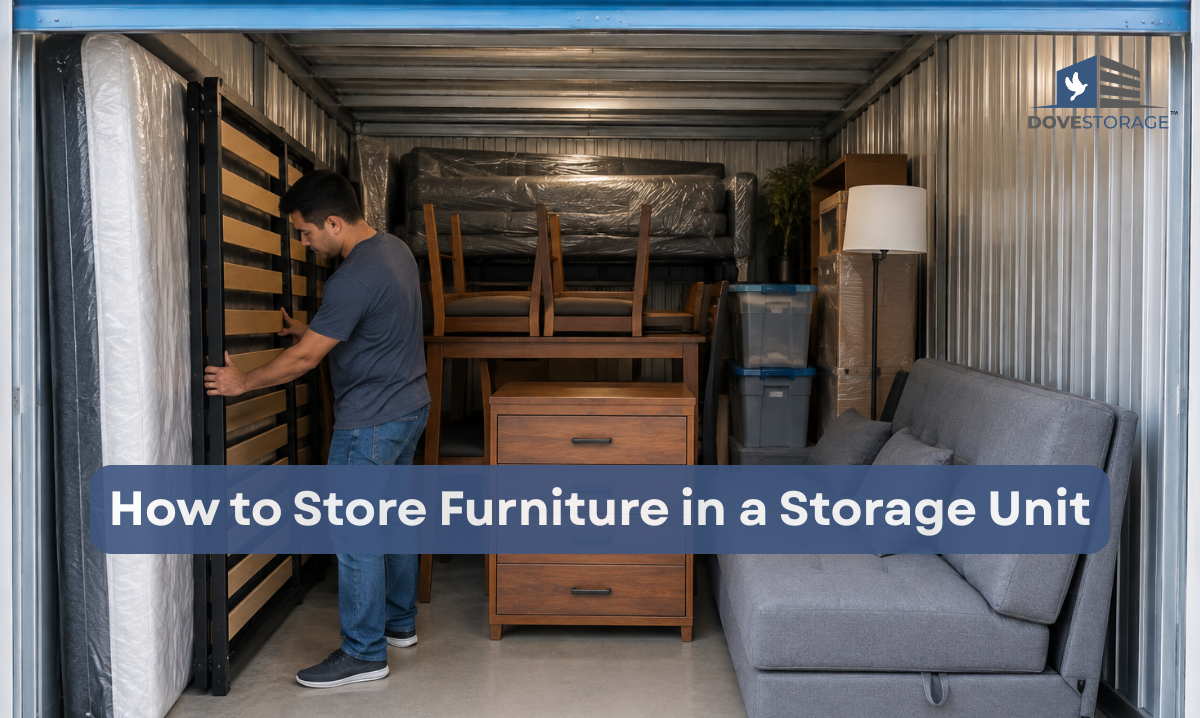
- Disassemble Furniture: Remove table legs, shelves, and other detachable parts when practical to save space.
- Use Vertical Space: Stack sturdy boxes carefully and place heavier items on the bottom.
- Create a Walkway: Leave enough room to reach items toward the back of your unit without moving everything.
- Keep Frequently Used Items Accessible: Place belongings you may need sooner near the entrance.
Avoid packing your unit so tightly that you cannot safely reach your belongings. A well-organized space can make your storage rental more useful and convenient over time.
For more practical advice, check out our guide to packing and organizing your storage unit efficiently.
Pro Tip: Create a simple inventory of everything you store. Keep a copy on your phone so you can quickly check what you have before making a trip to the facility.
8. Choose Flexible Storage That Fits Your Timeline
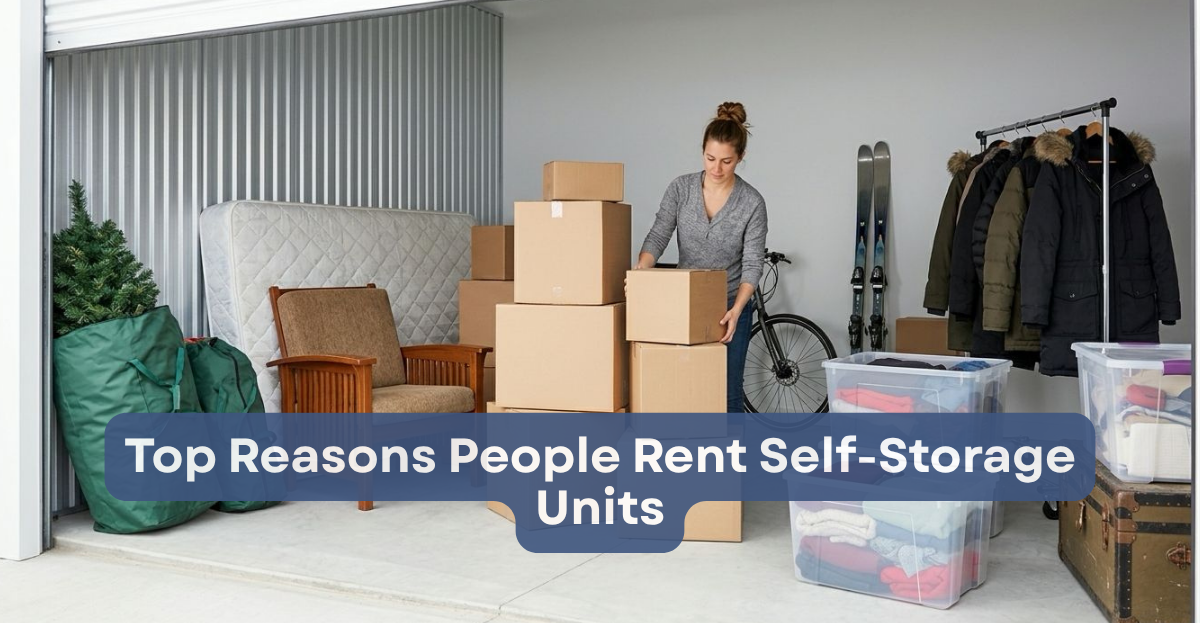
Your storage needs may change over time. You might need a unit for a few weeks while moving, several months during a home renovation, or longer while storing seasonal belongings and business inventory.
Choosing a rental arrangement that matches your timeline can help prevent unnecessary expenses. Before renting, ask about the facility's rental terms, payment schedule, and procedures for moving out.
Consider your plans carefully:
- Short-Term Storage: Useful during a move, renovation, temporary relocation, or transition between homes.
- Long-Term Storage: Helpful for seasonal items, furniture, keepsakes, and belongings you do not need to access regularly.
- Business Storage: Can provide extra room for inventory, supplies, tools, and equipment without requiring additional office or commercial space.
If you are unsure how long you will need storage, look for rental terms that suit your circumstances. Review the agreement carefully so you understand the conditions for ending or extending your rental.
Dove Storage offers personal storage solutions with month-to-month rental agreements, giving renters flexibility as their needs change. Explore our personal storage options to learn more.
Pro Tip: Reassess your storage needs periodically. If you remove items, reorganize your belongings, or no longer need as much space, you may be able to move into a smaller unit and reduce your monthly costs.
Finding affordable storage without sacrificing convenience comes down to making informed choices. By selecting the right unit size, comparing rental costs, choosing a convenient location, and focusing on the features you genuinely need, you can find a storage solution that works for your budget and lifestyle.
You do not have to pay for more space or features than you need to enjoy the benefits of self-storage. A little preparation can help you save money, keep your belongings organized, and make everyday storage tasks easier.
At Dove Storage, we offer a variety of storage solutions designed to meet different needs and budgets. Whether you are making room at home, preparing for a move, or looking for additional space for your business, we can help you explore available options. Visit Dove Storage today to find a storage unit that fits your belongings, budget, and convenience needs.