How to Save Money When Renting a Storage Unit
Self-storage can be a smart and affordable solution when you need extra space, but the cost can add up if you choose a unit that’s larger than necessary or overlook ways to make the most of your storage space. Whether you’re moving, downsizing, organizing your home, or storing business belongings, a little planning can help you keep storage costs under control.
The good news is that saving money on self-storage doesn’t mean sacrificing convenience or the security of your belongings. By choosing the right unit, packing efficiently, and reviewing your storage needs over time, you can get the space you need while staying within your budget. Here’s how to make it work.
1. Choose the Right Storage Unit Size
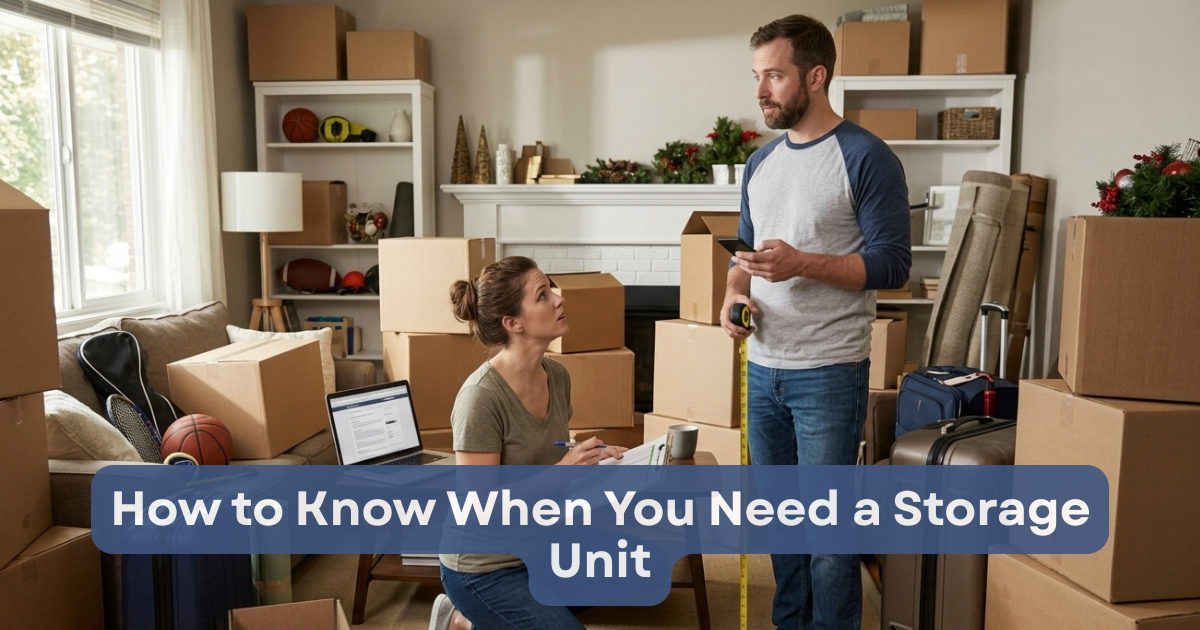
One of the easiest ways to save money is to avoid paying for more space than you actually need. Before renting a storage unit, take inventory of everything you plan to store and estimate how much space those belongings will require.
Storage units come in a variety of sizes, so consider what you’re storing and how efficiently you can pack it. A smaller, well-organized unit may be all you need.
For more help determining the right size, check out our guide on What Size Storage Unit Do You Need? A Complete Size Guide.
Ask yourself:
- What items am I planning to store?
- Can furniture be disassembled?
- Can boxes be stacked safely?
- Will I need room to walk inside the unit?
- Which items will I need to access regularly?
Pro Tip: Make a list of your larger belongings and estimate how many boxes you’ll need before choosing a unit. This can help prevent you from paying for unnecessary space.
2. Compare Storage Prices and Features
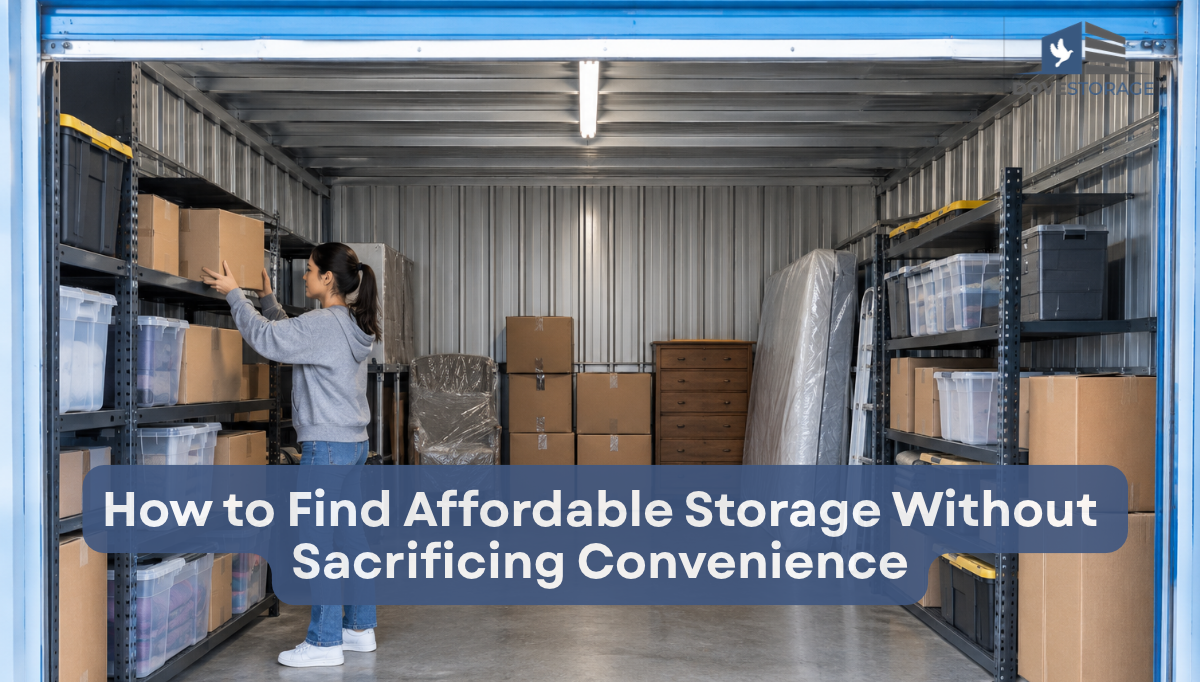
Price is important, but the cheapest storage unit isn’t always the best value. When comparing facilities, look at what’s included with the rental and consider the overall convenience and features.
Factors to compare may include:
- Monthly rental price
- Unit size
- Drive-up access
- Indoor storage options
- Security features
- Gate access
- Location and convenience
- Promotions or move-in specials
A slightly different unit size or facility location could make a meaningful difference in your overall storage expenses.
For a closer look at what can affect your monthly storage costs, read our guide on Average Cost of a Storage Unit and What Affects the Price.
Pro Tip: Compare the total value of each option instead of choosing based only on the advertised monthly rate.
3. Pack Your Storage Unit Efficiently
The way you pack your unit can have a direct impact on how much space you need. Efficient packing allows you to fit more belongings into a smaller unit, which can help reduce your monthly costs.
Here are a few simple ways to maximize your space:
- Use sturdy boxes that can be safely stacked.
- Fill boxes completely without making them too heavy.
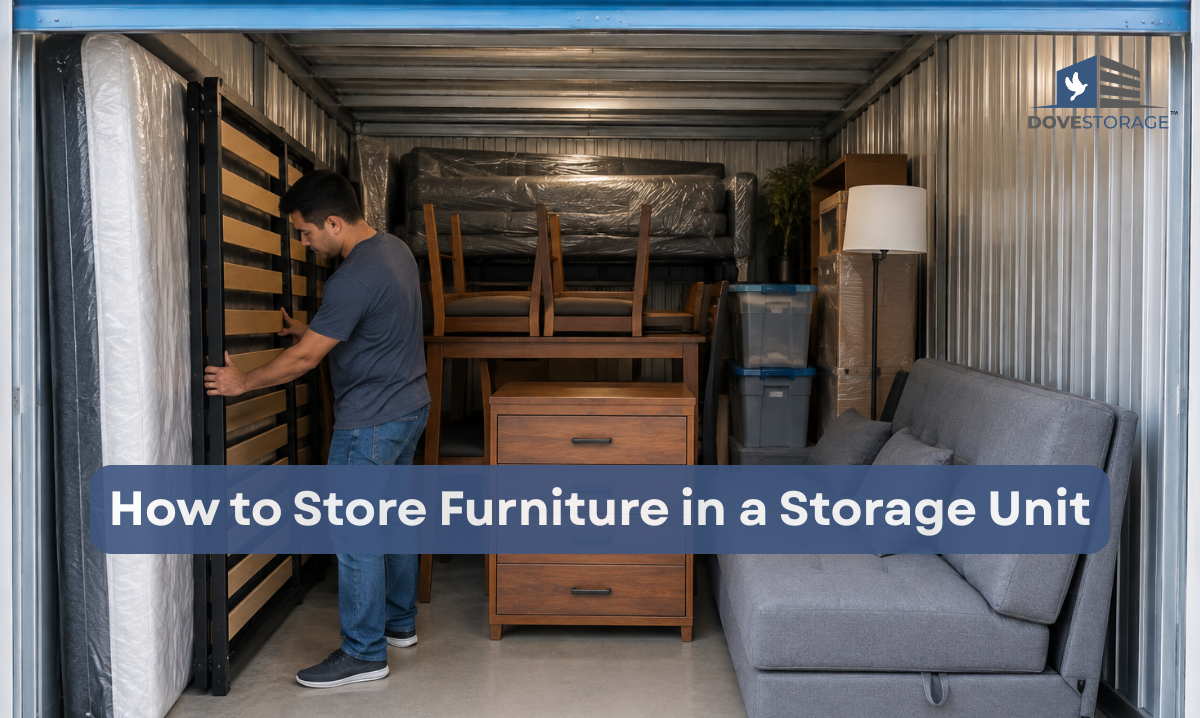
- Disassemble tables, bed frames, and other furniture when possible.
- Place smaller items inside larger pieces of furniture.
- Use vertical space by stacking boxes carefully.
- Keep frequently needed items near the front.
An organized storage unit makes it easier to find your belongings and reduces the temptation to rent additional space simply because your current unit feels cluttered.
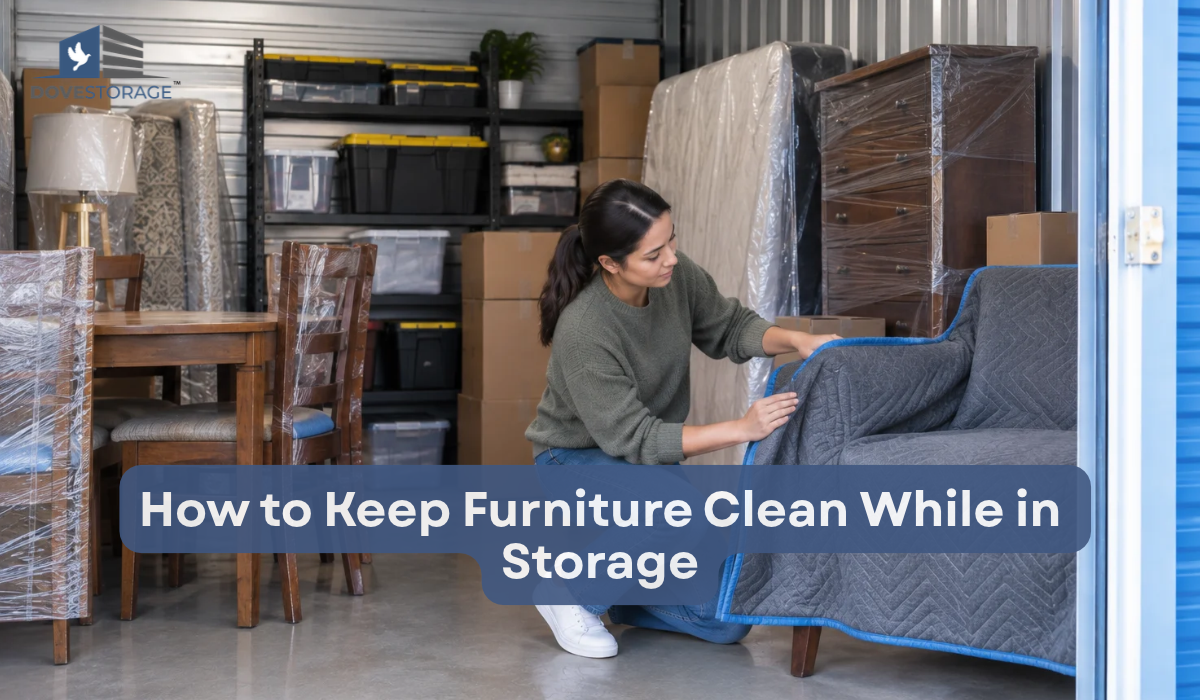
For more space-saving packing ideas, check out Using Proper Packing Materials to Maximize Space for a Storage Unit.
4. Declutter Before You Rent
Before moving everything into storage, take some time to decide what is actually worth storing. Renting a unit for items you no longer need can quickly become an unnecessary expense.
Sort your belongings into categories such as:
- Keep
- Store
- Donate
- Sell
- Discard
If you haven’t used something in years and don’t expect to need it in the future, consider whether it’s worth paying monthly storage fees to keep it.
Pro Tip: Selling unwanted furniture, electronics, or household items before renting a unit can help offset some of your initial storage costs.
5. Consider How Long You’ll Need Storage
Think about your expected storage timeline before choosing a unit. If you only need storage temporarily while moving or renovating, you may not need the same setup as someone storing belongings for several years.
For short-term storage, focus on convenience and choosing an appropriately sized unit. For long-term storage, consider how often you’ll access your belongings and whether certain items require additional protection.
Planning ahead can help you avoid paying for a larger or more specialized space than necessary.
Not sure whether short-term or long-term storage is right for you? Read Short-Term vs. Long-Term Storage: Which Is Right for You? for more information.
6. Take Advantage of Storage Promotions
Storage facilities may offer move-in specials, discounts, or other promotions that can help reduce your initial costs. When comparing options, check whether there are current offers available.
However, don’t choose a facility based solely on a promotional rate. Make sure you understand the regular monthly price and the terms of the promotion before renting.
Pro Tip: Ask about current specials when comparing storage facilities so you can factor promotional savings into your overall budget.
7. Store Items You Actually Need to Keep
Self-storage is most cost-effective when it helps solve a real space problem. Before placing an item in storage, consider its usefulness and future value.
Good candidates for storage may include:
- Seasonal decorations
- Holiday items
- Sports equipment
- Furniture you plan to use later
- Business inventory
- Moving boxes
- Family keepsakes
- Outdoor equipment
The goal isn’t simply to move clutter from your home into a storage unit. It’s to create additional space while keeping belongings that still have a purpose.
If you’re storing belongings for an extended period, proper preparation can help protect your items. See How to Prepare Your Items for Long-Term Storage for helpful tips.
8. Keep Your Storage Unit Organized
An organized unit can help you save money over time because you’ll know exactly what you have. When belongings are difficult to find, it’s easy to accidentally buy duplicates or rent additional space because you think you’ve run out of room.
Label every box clearly and consider keeping a simple inventory of your stored belongings. Group similar items together and leave a clear path to the things you may need most often.
Regularly reviewing your unit can also help you identify items you no longer need, allowing you to reduce the amount of space you rent when possible.
Saving money on self-storage comes down to making smart decisions before and during your rental. Choosing the right unit size, comparing prices and features, packing efficiently, decluttering, and reviewing your storage needs can all help you get the most value from your monthly rental.
Self-storage doesn’t have to be expensive when you use your space wisely. Whether you’re creating room at home, preparing for a move, or managing business belongings, the right storage solution can give you the space you need without paying for more than you use.
At Dove Storage, we offer clean, secure, and affordable storage solutions designed to fit a variety of needs. Visit Dove Storage today to explore your storage options and find the right space for your belongings and budget.