How to Maximize Every Inch of Your Storage Unit
A storage unit can give you valuable extra space, but getting the most out of it requires more than simply filling it from floor to ceiling. Without a plan, boxes can quickly become difficult to reach, furniture can take up more room than necessary, and finding a specific item can turn into a frustrating search.
Fortunately, with the right packing and organization strategies, you can maximize every inch of your self-storage unit while keeping your belongings accessible and protected. Whether you’re storing household items, seasonal decorations, furniture, or business supplies, these tips can help you make the most of your storage space.
1. Choose the Right Storage Unit Size
The best way to maximize storage space starts with choosing a unit that matches what you actually need. A unit that is too small can become overcrowded, while a unit that is significantly larger than necessary may leave you paying for unused space.
Before renting, make an inventory of everything you plan to store. Consider the size and shape of larger items, the number of boxes you’ll have, and whether you’ll need room to walk inside the unit.
Ask yourself:
- What furniture and large items am I storing?
- How many boxes do I expect to have?
- Will I need regular access to certain belongings?
- Do I need additional room for items I may store later?
Choosing the right unit size from the beginning can make packing and organizing much easier. For more help determining how much space you need, check out our guide on What Size Storage Unit Do You Need? A Complete Size Guide.
Pro Tip: When estimating your storage needs, think beyond floor space. The height of your unit can also provide valuable storage capacity.
2. Use Vertical Space
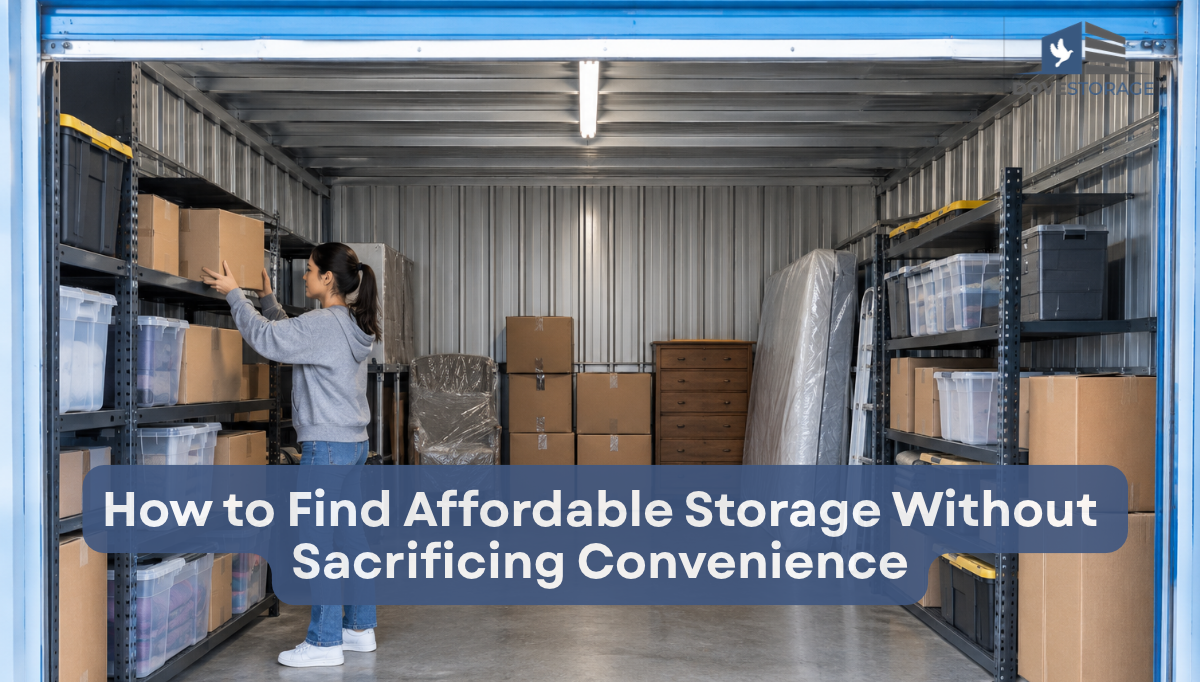
One of the easiest ways to maximize every inch of a storage unit is to think vertically. Instead of spreading everything across the floor, stack sturdy boxes and containers upward whenever it is safe to do so.
Use the height of your unit to your advantage by:
- Stacking similarly sized boxes.
- Placing lighter boxes on top of heavier ones.
- Using sturdy shelving where appropriate.
- Keeping heavier belongings lower to the ground.
- Leaving enough space around stacked items for safe access.
Vertical organization can significantly increase the amount of storage space available without requiring a larger unit.
Pro Tip: Avoid stacking boxes so high that they become unstable or difficult to reach safely.
3. Use Uniform Boxes and Containers
Different-sized boxes can create awkward gaps and make stacking difficult. Whenever possible, use boxes or storage containers that are similar in size and shape.
Uniform containers can help you:
- Create more stable stacks.
- Reduce wasted space between boxes.
- Keep your belongings organized.
- Make it easier to create rows and aisles.
- Find items more quickly.
For heavier belongings, use smaller boxes so they’re easier to lift. Reserve larger boxes for lightweight items such as bedding, clothing, and seasonal decorations.
For additional packing and organization ideas, take a look at our guide on Tips for Packing and Organizing Your Storage Unit Efficiently.
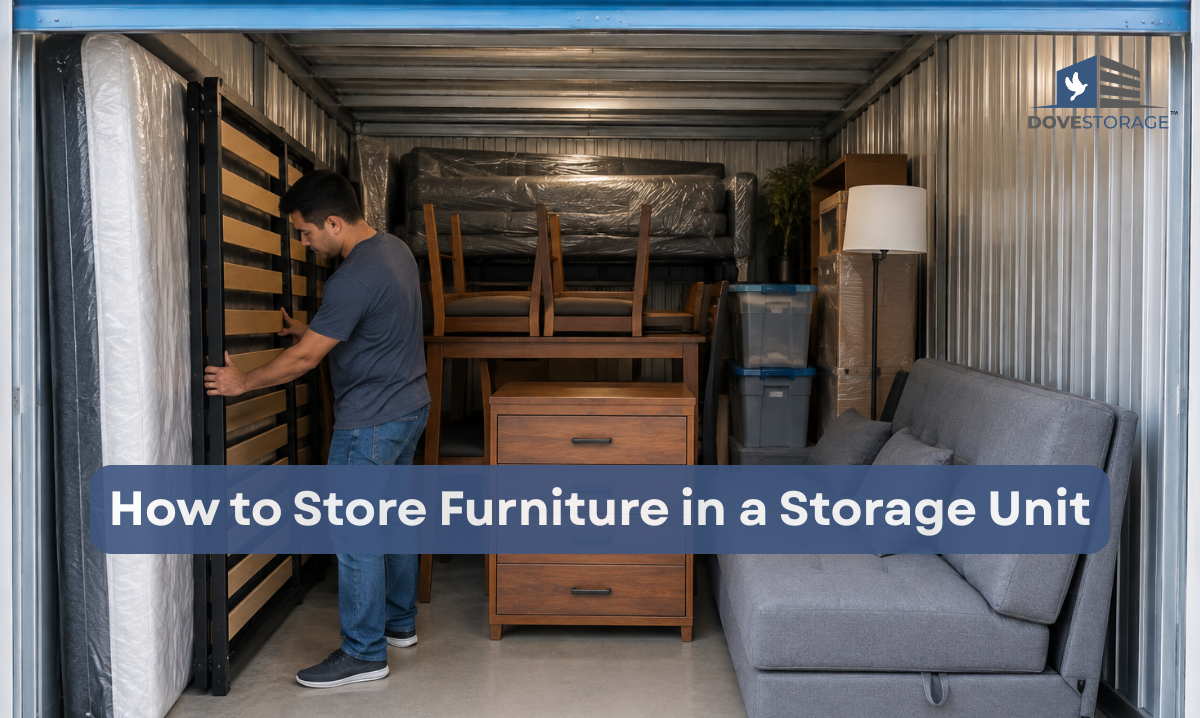
4. Disassemble Large Furniture
Large furniture can consume a significant amount of floor space. If possible, disassemble beds, tables, shelving units, and other furniture before placing them in your storage unit.
Remove legs from tables and chairs when practical, and take apart bed frames and other pieces that are designed to be assembled and disassembled.
Keep screws, bolts, and other hardware in labeled bags and attach them to the corresponding furniture whenever possible. This can save time when you’re ready to use the furniture again.
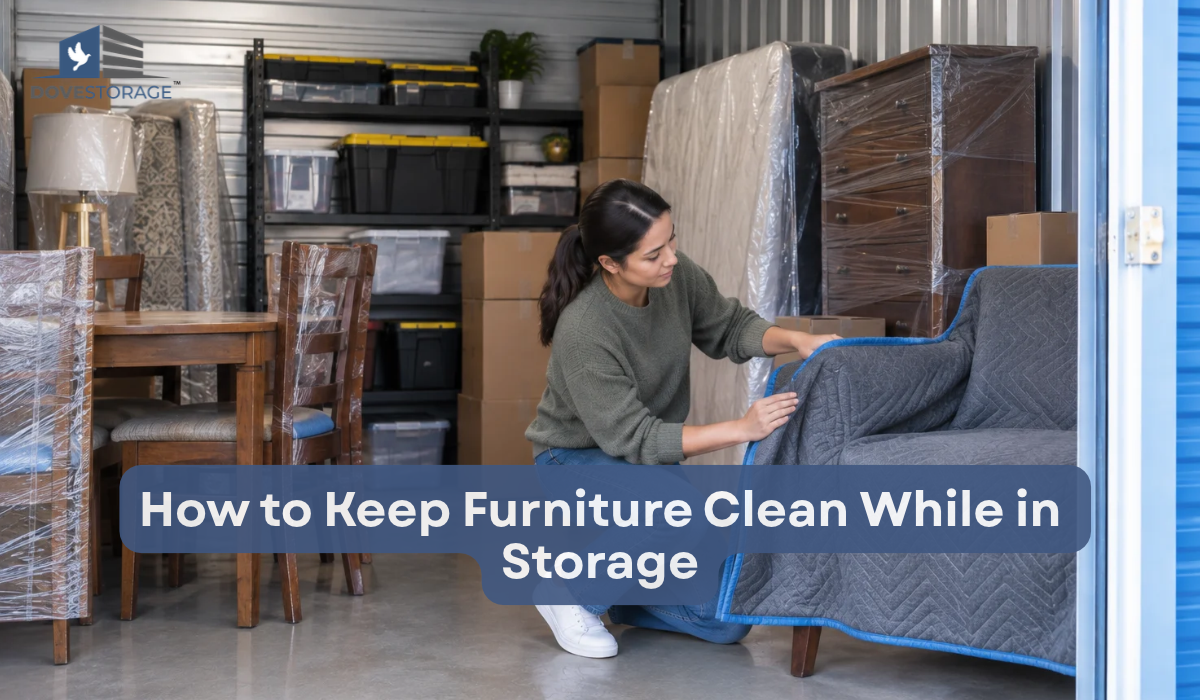
Pro Tip: Wrap furniture pieces with protective covers or blankets to help prevent scratches, dust, and other damage during storage.
5. Create an Accessible Layout
Maximizing storage space doesn’t mean packing every available gap. If you place everything wall-to-wall and floor-to-ceiling, you may save space initially but make future access much harder.
Create a simple layout that allows you to reach the belongings you’re most likely to need.
For example:
- Keep frequently accessed boxes near the front.
- Place rarely used items farther toward the back.
- Leave a narrow walkway when the unit size allows.
- Keep similar categories together.
- Avoid blocking important items behind heavy furniture.
An organized layout can save you time and prevent you from having to unload half the unit just to reach one box.
When planning your layout, remember that the right unit size and storage type can make organization easier. Our guide on How to Choose the Right Storage Unit for Your Needs covers important factors such as unit size, accessibility, and storage type.
6. Make Use of Empty Spaces Inside Furniture
Furniture can take up a lot of room, but it can also provide additional storage opportunities. Use empty spaces inside dressers, cabinets, wardrobes, and other furniture to store smaller belongings.
For example, you can place:
- Linens inside drawers.
- Small boxes inside cabinets.
- Seasonal clothing inside wardrobes.
- Smaller household items inside empty furniture compartments.
Just make sure furniture is not overloaded, and avoid placing excessively heavy items inside drawers or cabinets.
This simple strategy allows one piece of furniture to serve two purposes: storage for the furniture itself and storage for additional belongings.
7. Label Everything Clearly
A well-packed storage unit is only useful if you can find what you need later. Clearly labeling every box can make a huge difference.
Instead of writing only “kitchen” or “bedroom,” consider listing the specific contents. For example:
Kitchen – Baking Supplies – Cake Pans & Mixing Bowls
You can also number boxes and maintain a simple inventory of what each number contains.
Pro Tip: Keep a copy of your storage inventory on your phone so you can check it before visiting your unit.
8. Store Items Based on Frequency of Use
Not everything in your storage unit will be accessed equally. Think about how often you expect to need each item and organize your unit accordingly.
Frequently used belongings should be placed toward the front or in easily accessible areas. Items you only need occasionally can go farther back.
For example, seasonal decorations may need to be accessed several times a year, while family keepsakes or archived documents may rarely need to be retrieved.
Planning around frequency of use helps you maximize space without sacrificing convenience.
If you’re preparing belongings for storage for an extended period, our guide on How to Prepare Your Items for Long-Term Storage offers additional tips for packing, protecting, and organizing your items.
9. Protect Your Belongings While Saving Space
Efficient storage should never come at the expense of protecting your belongings. Use appropriate packing materials and containers based on what you’re storing.
Consider using:
- Sturdy boxes for household goods.
- Plastic containers for items that benefit from added protection.
- Furniture covers for upholstered pieces.
- Protective padding for fragile items.
- Properly sealed containers for appropriate belongings.
Avoid placing items directly against the floor when possible, and make sure boxes are packed securely without being overloaded.
If you’re storing temperature-sensitive belongings, such as electronics, documents, photographs, or certain types of furniture, consider whether a climate-controlled storage option is appropriate for your needs. You can learn more about this in our guide to How to Choose the Right Storage Unit for Your Needs.
10. Leave a Little Room to Reorganize
It can be tempting to use every available inch of your storage unit, but leaving a small amount of breathing room can make the space much easier to manage.
Your storage needs may change over time. You may add new belongings, remove seasonal items, or need to access something unexpectedly.
A little extra room can make it easier to rearrange your unit without having to completely unpack it.
Think of your storage unit as an organized extension of your home—not simply a place to put things you don’t currently need.
Maximizing your storage unit is all about planning, organization, and using your available space wisely. Choosing the right unit size, using vertical space, organizing boxes, disassembling furniture, and creating an accessible layout can help you store more while keeping your belongings easier to find.
At Dove Storage, we offer clean, secure, and affordable self-storage solutions designed to help make storing your belongings simple and convenient. Whether you’re decluttering your home, preparing for a move, storing seasonal items, or creating additional space for your business, Dove Storage can help you find a storage solution that fits your needs.
Visit Dove Storage today and make the most of your extra space.