
Understanding the Different Types of Storage Units: Climate-Controlled vs. Standard
Dove Storage • November 6, 2025
When it comes to protecting your belongings, not all storage units are created equal. The right type of self-storage can make a big difference in keeping your items safe, organized, and in great condition for the long term. Whether you’re downsizing, moving, or simply running out of space at home, choosing between climate-controlled and standard storage units is one of the most important decisions you’ll make.
Here’s a breakdown of the two main types of storage units and how to determine which one fits your needs best.
1. What Is a Standard Storage Unit?
Standard storage units—sometimes called drive-up units—are the most common type of self-storage. These units are typically housed in outdoor buildings with roll-up doors, allowing you to drive right up to your space for convenient loading and unloading.
They’re ideal for durable items that can handle changes in temperature and humidity, such as:
- Outdoor furniture and gardening tools
- Sports and camping equipment
- Seasonal décor
- Household goods and appliances
Because they offer direct vehicle access, standard units are especially convenient for larger or heavier items you’ll need to move in and out occasionally.
Pro Tip:
Use sturdy boxes, plastic bins, and pallets to elevate items slightly off the floor. This helps protect your belongings from moisture or dust while keeping them organized.
2. What Is a Climate-Controlled Storage Unit?
A climate-controlled storage unit maintains a consistent temperature (and often humidity) year-round. These units are typically located indoors, providing an extra layer of protection from outdoor weather conditions.
They’re designed for items that can be damaged by extreme temperatures, humidity, or rapid climate changes, such as:
- Electronics and computers
- Wooden furniture and musical instruments
- Photographs, artwork, and collectibles
- Important documents, books, and fabrics
By regulating the environment, climate-controlled units help prevent warping, cracking, mold, and other damage caused by fluctuating weather—making them ideal for long-term or high-value storage.
Pro Tip:
When storing delicate or valuable items, wrap them in breathable materials instead of plastic to allow proper air circulation.
3. Comparing Climate-Controlled vs. Standard Units
When comparing climate-controlled and standard storage units, the key differences come down to environment, protection level, and convenience.
Climate-controlled units are designed to maintain a consistent temperature and humidity level, protecting your belongings from extreme heat, cold, and moisture. These units are typically located indoors, offering an added layer of protection from outdoor elements. They’re ideal for sensitive or valuable items such as furniture, electronics, photos, artwork, and important documents. Because of the extra technology and insulation involved, climate-controlled storage usually costs slightly more—but the added protection is well worth it for items that can be damaged by temperature changes or humidity.
On the other hand, standard storage units are generally drive-up or outdoor units, meaning they’re exposed to the same temperature and humidity conditions as the surrounding environment. These units are great for durable or less sensitive items, such as tools, outdoor furniture, or seasonal equipment. They’re also more budget-friendly and offer the convenience of driving right up to your unit for quick loading and unloading.
When deciding between the two, think about what you’re storing, how long you plan to store it, and how often you’ll need access. For delicate or long-term storage, climate control is the safer choice. But if you need easy, affordable access for sturdy items, a standard unit might be the perfect fit.
4. Which Storage Type Is Right for You?
Both storage options offer reliable protection and convenience—it all depends on your storage needs:
- Choose a Climate-Controlled Unit if you’re storing antiques, documents, electronics, or anything that could be damaged by heat, cold, or humidity.
- Choose a Standard Unit if you’re storing tools, vehicles, or sturdy items that can handle seasonal weather changes
If you’re unsure, it’s often worth opting for a climate-controlled space for extra peace of mind—especially if you plan to store items long-term.
5. Why Store with Dove Storage
At Dove Storage, we provide clean, secure, and affordable storage options to meet every need. Whether you’re looking for a climate-controlled unit for delicate items or a standard drive-up space for everyday belongings, our facilities are designed to make storage simple and stress-free.
Our goal is to help you find the perfect balance between convenience, protection, and value — so you can store with confidence knowing your belongings are in good hands.
Final Thoughts
Understanding the difference between climate-controlled and standard storage units can help you make the best decision for your belongings. Think of it as choosing the right environment for your possessions—some need a little extra care, while others just need a safe, secure place to stay.
Whichever option you choose, Dove Storage
offers flexible solutions to fit your lifestyle. Explore our locations today and discover the storage option that’s right for you.
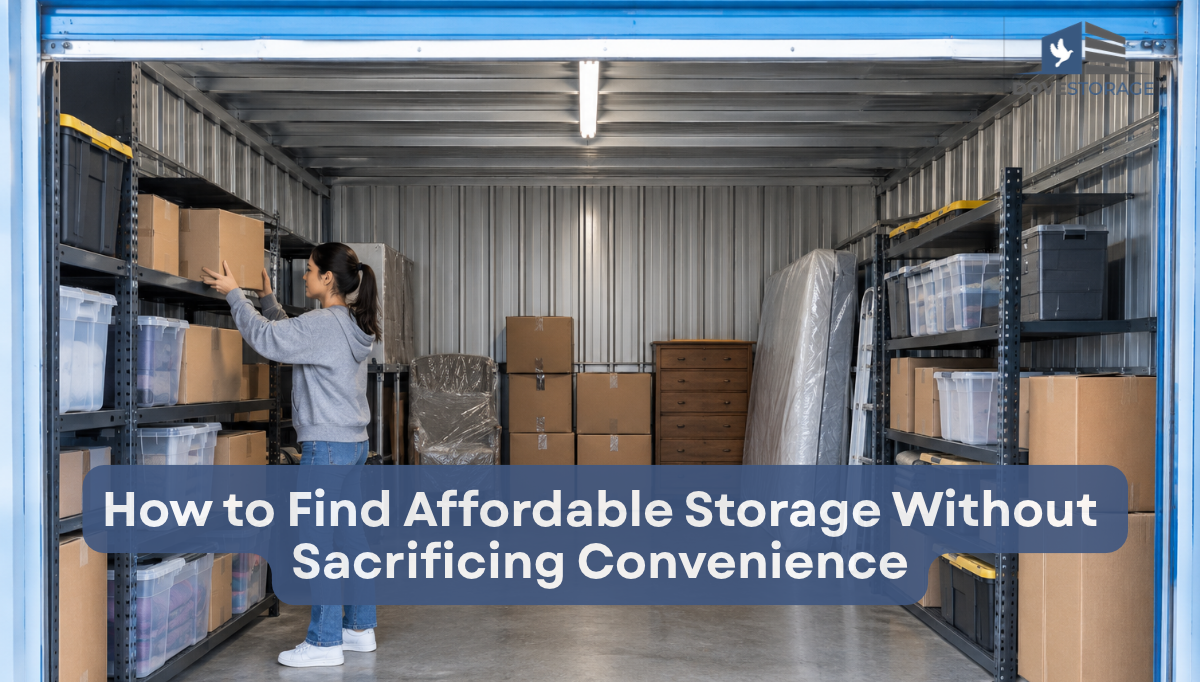
Discover how to find affordable self-storage without sacrificing convenience with tips on unit sizes, rental costs, location, security, and flexible storage options.
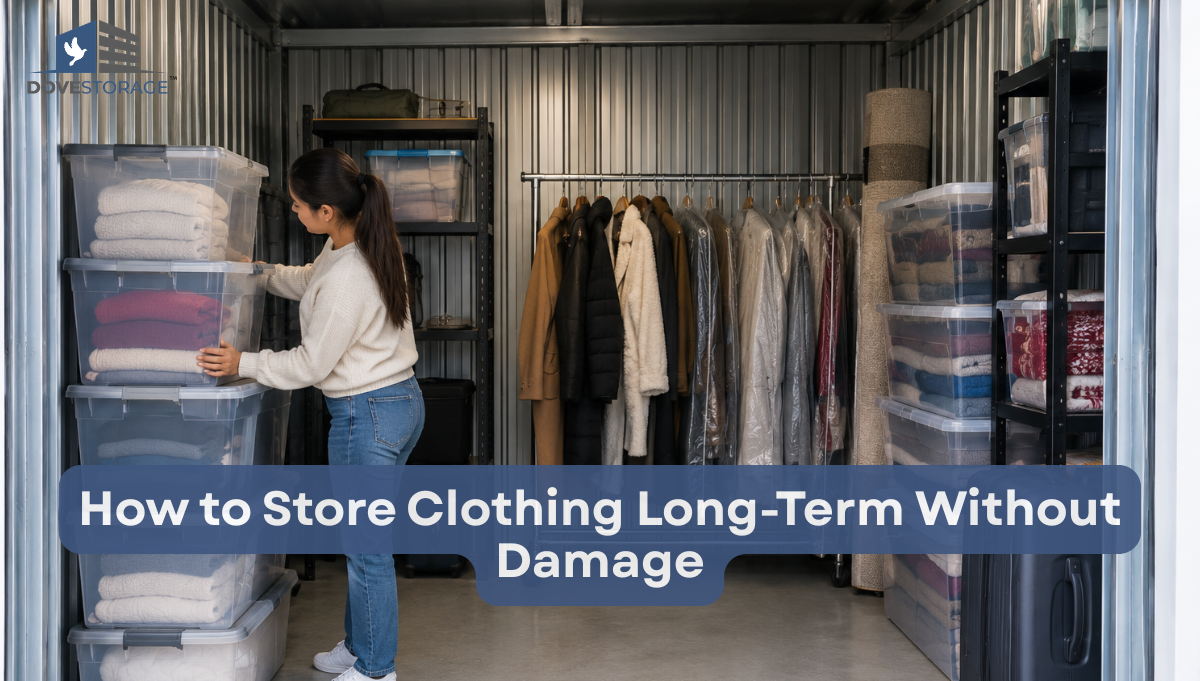
Learn how to store clothing long-term without damage with tips for cleaning, packing, moisture protection, organization, and choosing the right storage environment.
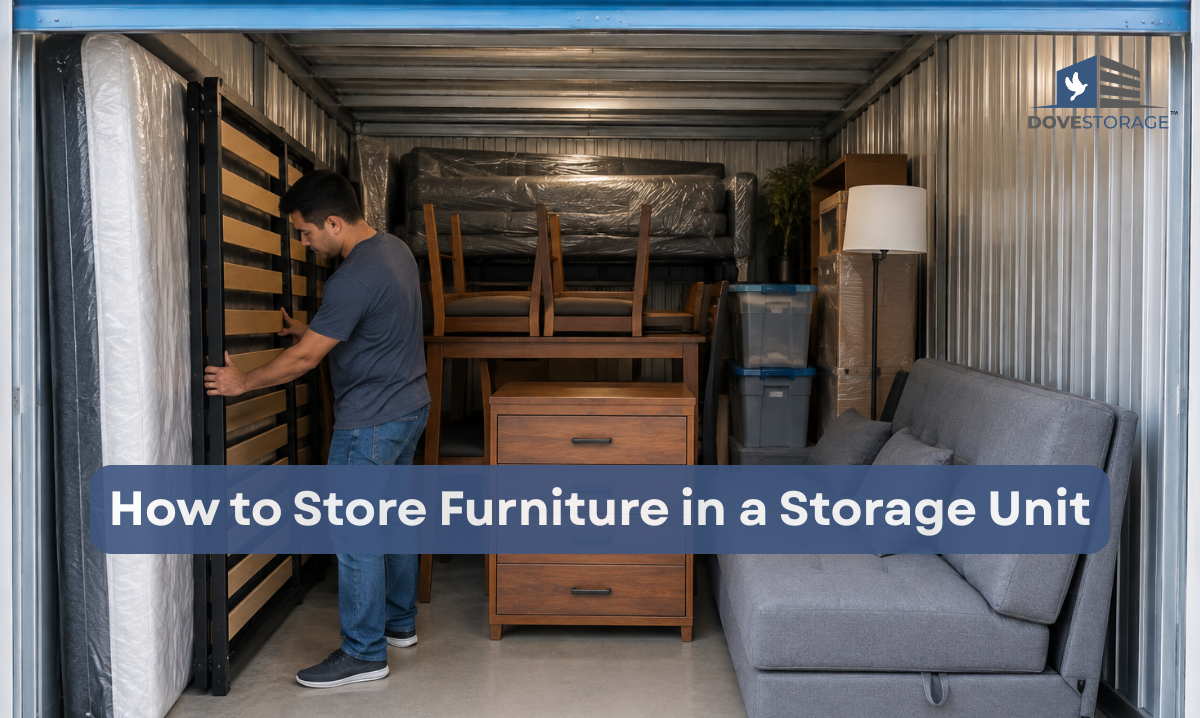
Learn how to store furniture safely in a storage unit with tips for cleaning, packing, protecting, organizing, and choosing the right storage space.
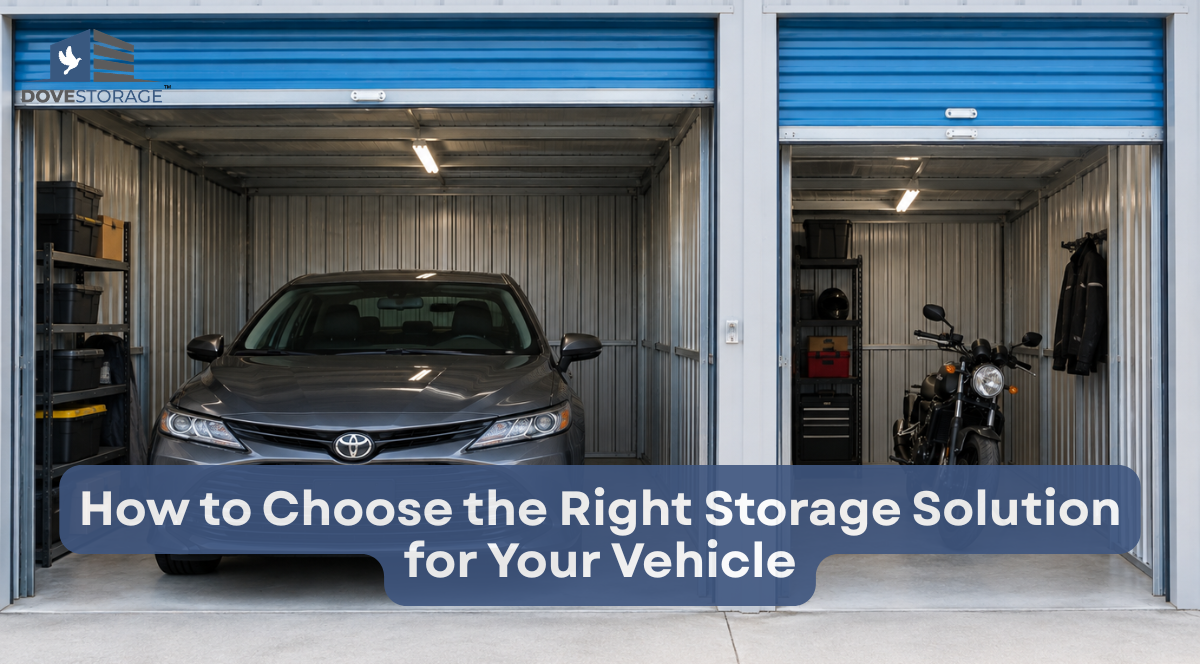
Learn how to choose the right vehicle storage solution based on size, access, security, protection, and budget for cars, motorcycles, boats, and more.
Should you rent a storage unit before or after moving? Learn how self-storage can simplify packing, moving between homes, downsizing, and settling into your new space.
Declutter your home without feeling overwhelmed with simple, manageable steps for sorting, organizing, storing, donating, and creating a more functional space.
Not sure if you need a storage unit? Discover common signs it’s time for extra space, from home clutter and moving to downsizing, seasonal storage, and business needs.
Save money on self-storage with practical tips for choosing the right unit size, comparing prices, packing efficiently, decluttering, and maximizing your storage budget.
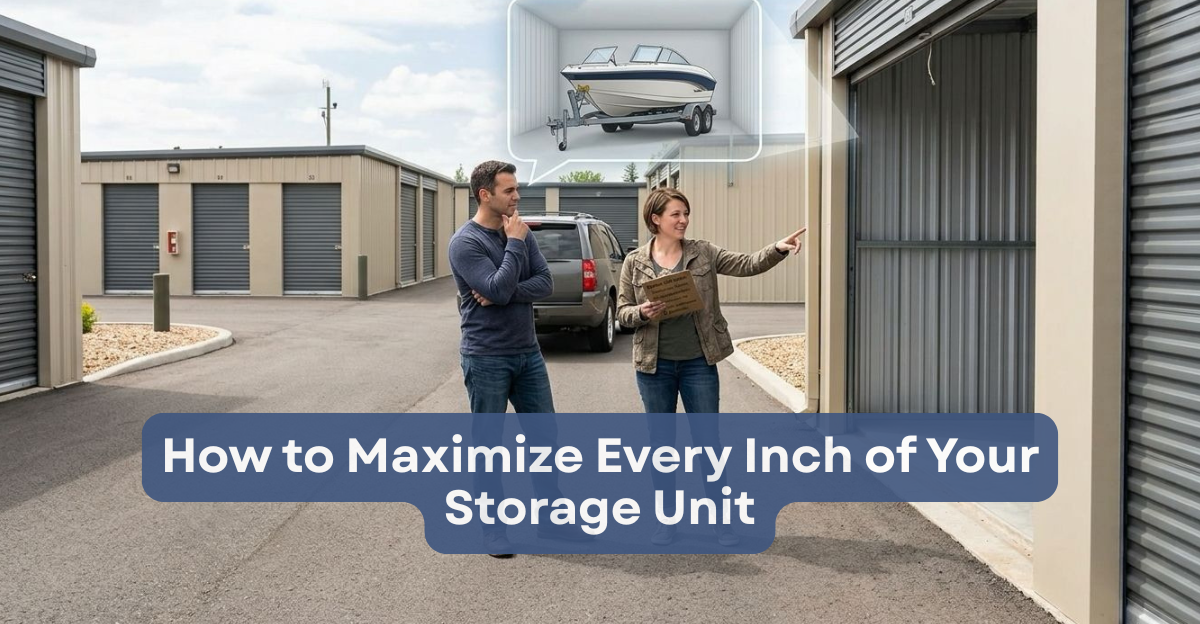
Maximize every inch of your storage unit with smart packing, stacking, labeling, and organization tips that save space while keeping belongings accessible.
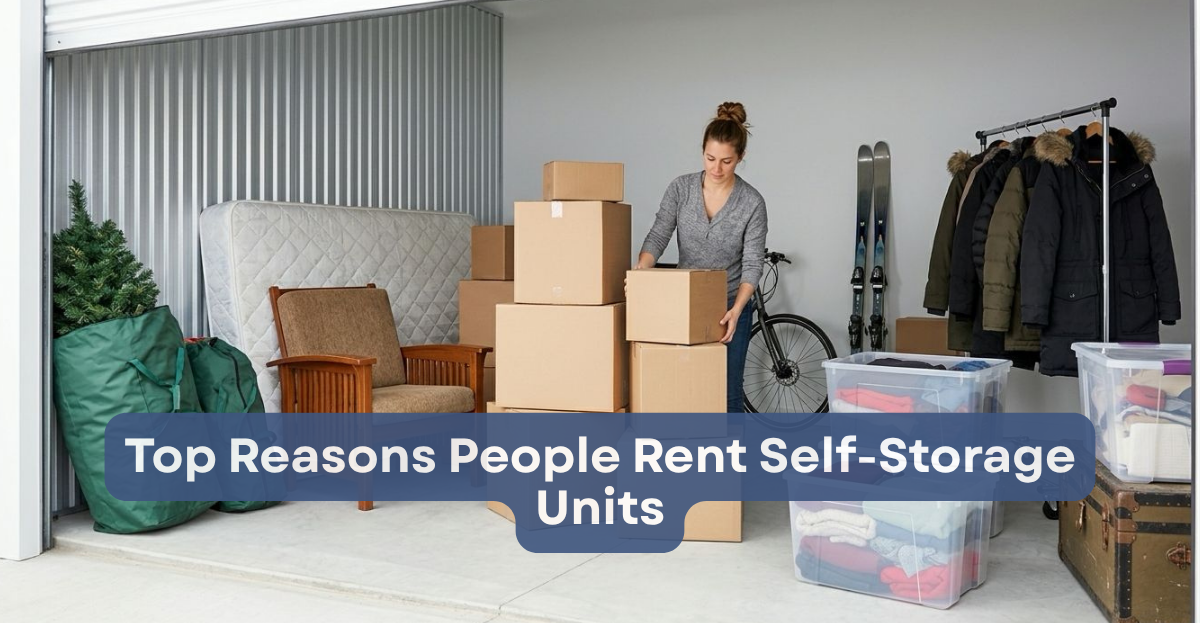
Discover the top reasons people rent self-storage units, from creating more space and moving to storing seasonal items, business inventory, and sentimental belongings.