Where to Store Items When Your Home Runs Out of Space
As time goes by, it's easy for belongings to accumulate. From extra furniture and seasonal decorations to sports equipment, clothing, and sentimental keepsakes, finding room for everything can become a challenge. Even homes with spacious closets, garages, and spare rooms can eventually run out of storage space.
When clutter starts taking over your living areas, it doesn't necessarily mean you need a bigger home or have to get rid of belongings you still need. Finding the right place to store items can help you create more room while keeping your possessions organized and accessible.
Fortunately, self-storage offers a practical and flexible solution for homeowners and renters who need extra space. Whether you're preparing for a move, organizing your home, or simply making room for everyday living, here are some helpful places and storage solutions to consider.
1. Make the Most of Your Existing Storage Spaces
Before looking for additional storage, start by evaluating the spaces you already have at home. Closets, cabinets, garages, basements, and spare rooms can often provide more storage opportunities with a little organization.
Consider using:
- Closet Organizers: Add shelves, hanging organizers, and storage bins to make better use of vertical space.
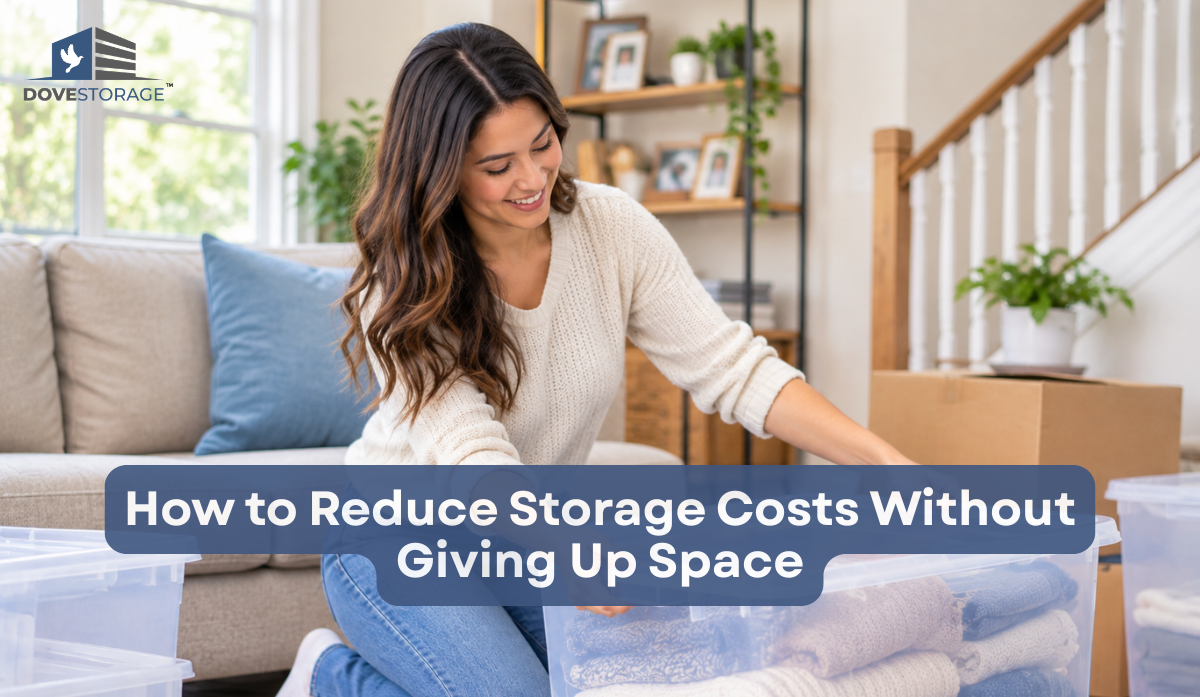
- Under-Bed Storage: Store extra bedding, seasonal clothing, shoes, and other items in containers that fit beneath your bed.
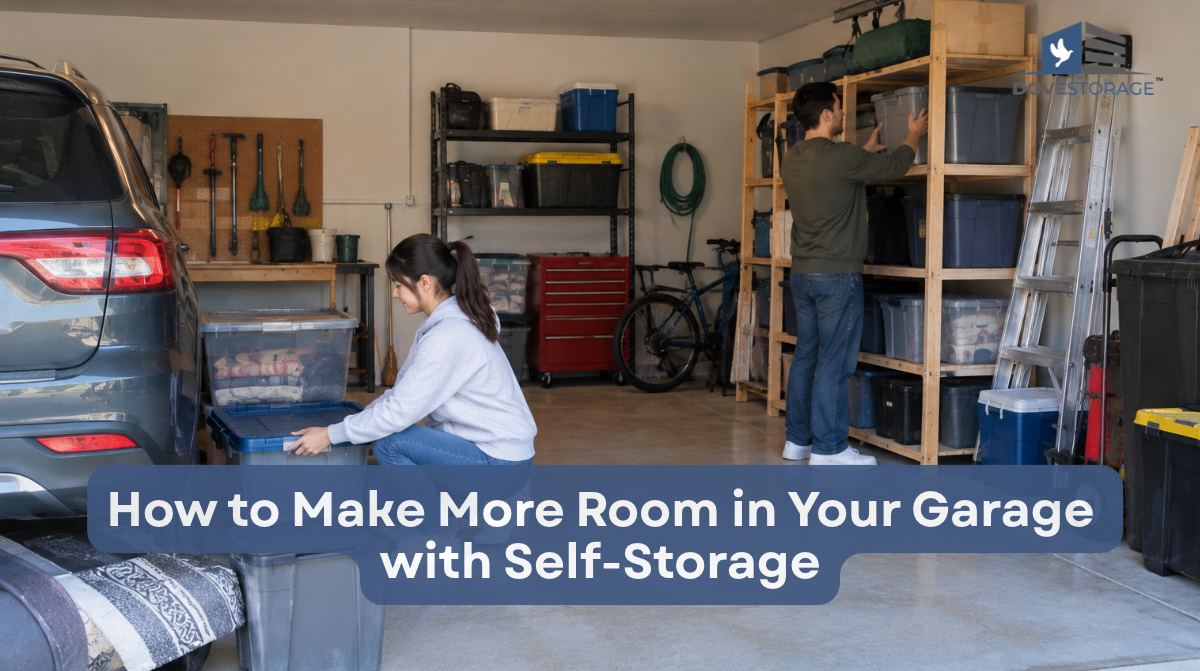
- Garage Shelving: Use sturdy shelves to organize tools, outdoor equipment, and household supplies.
- Cabinet Organizers: Install dividers and stackable organizers to maximize kitchen and bathroom storage.
Making better use of existing spaces can help reduce clutter without requiring a major investment. For additional ideas, check out these tips for packing and organizing your storage space.
Pro Tip: Store frequently used belongings in easy-to-reach areas and move items you rarely need to higher shelves or less accessible spaces.
2. Use Attics, Basements, and Spare Rooms Wisely
If your home has an attic, basement, or spare room, these areas can provide additional storage for belongings that don't need to be used every day.
Attics can be useful for storing certain seasonal decorations and household items, while basements can accommodate properly packed boxes, furniture, and other belongings. Spare rooms can also serve as temporary storage areas when organized carefully.
However, it's important to consider the conditions of these spaces before storing your belongings.
- Check for moisture, leaks, and signs of pests.
- Avoid placing items directly on basement floors.
- Use sturdy, sealed containers to help protect belongings from dust and moisture.
- Make sure stored items don't block ventilation or access to important areas.
Not every item is suitable for attic or basement storage. Temperature-sensitive belongings, such as electronics, wooden furniture, photographs, and important documents, may require more stable storage conditions.
Pro Tip: Avoid turning your spare room into a permanent storage area. If boxes and furniture are taking over the space, consider moving less frequently used belongings somewhere more suitable.
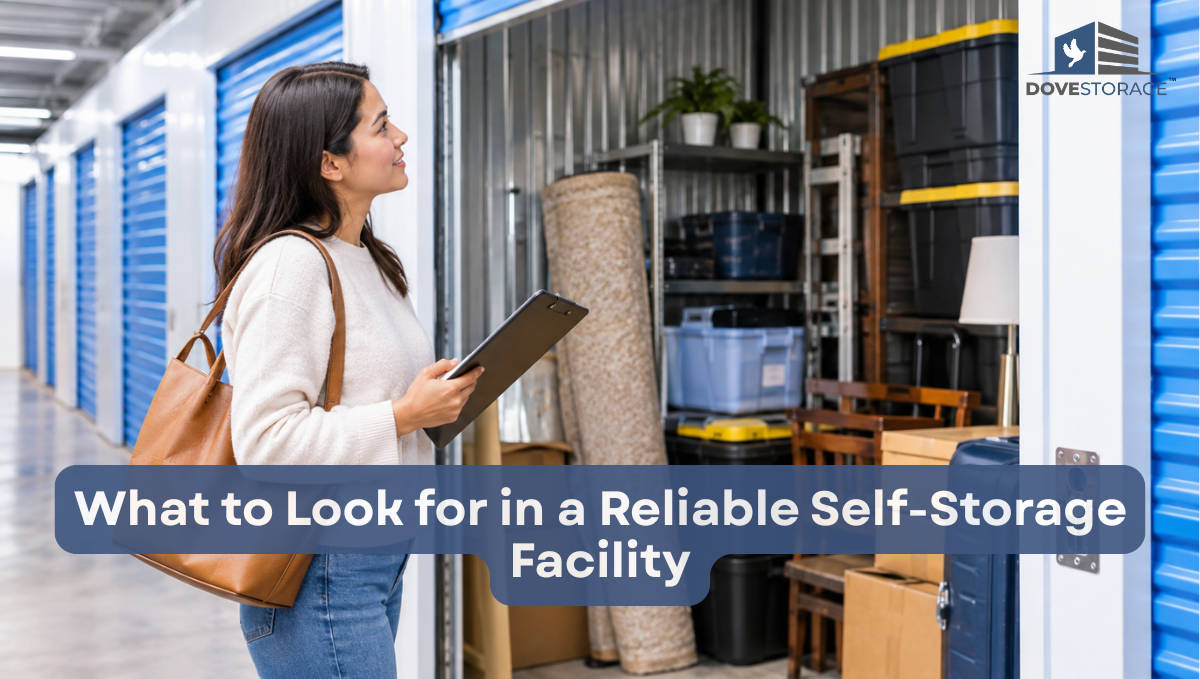
3. Consider Renting a Self-Storage Unit
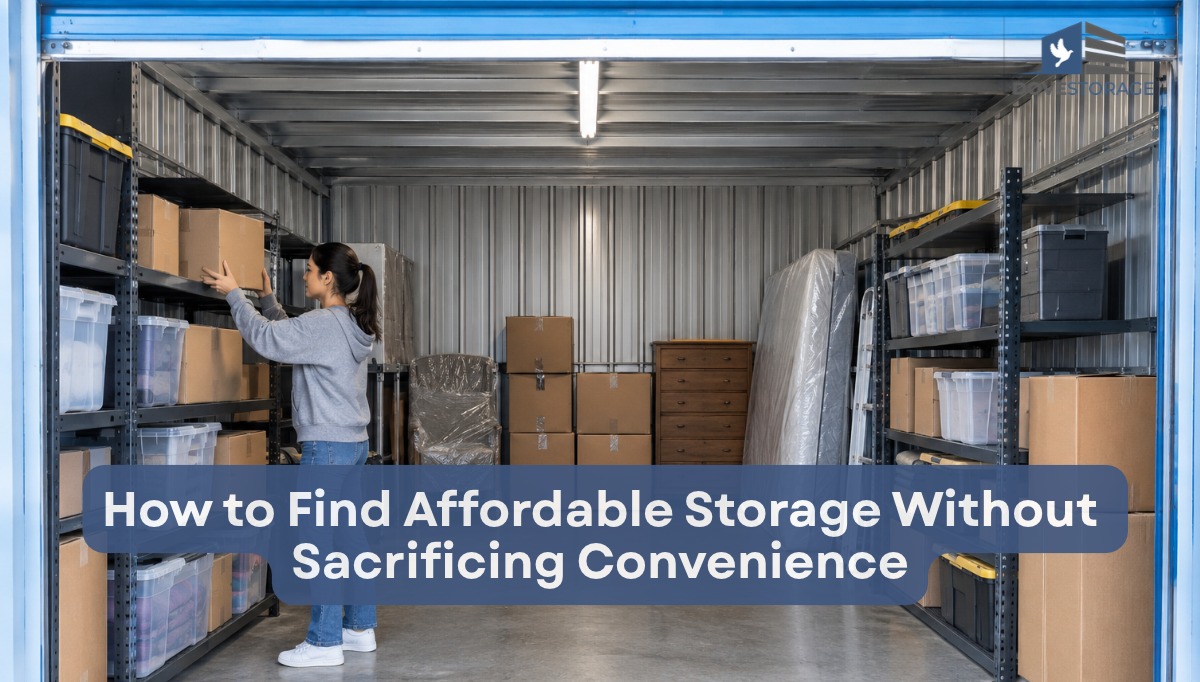
When your closets, garage, and other storage areas are already full, renting a self-storage unit can be one of the most practical solutions.
A storage unit gives you additional space outside your home without requiring you to sell, donate, or throw away belongings you still want to keep. It's especially useful for items you don't need every day but may want to use again in the future.
Common household items you can store include:
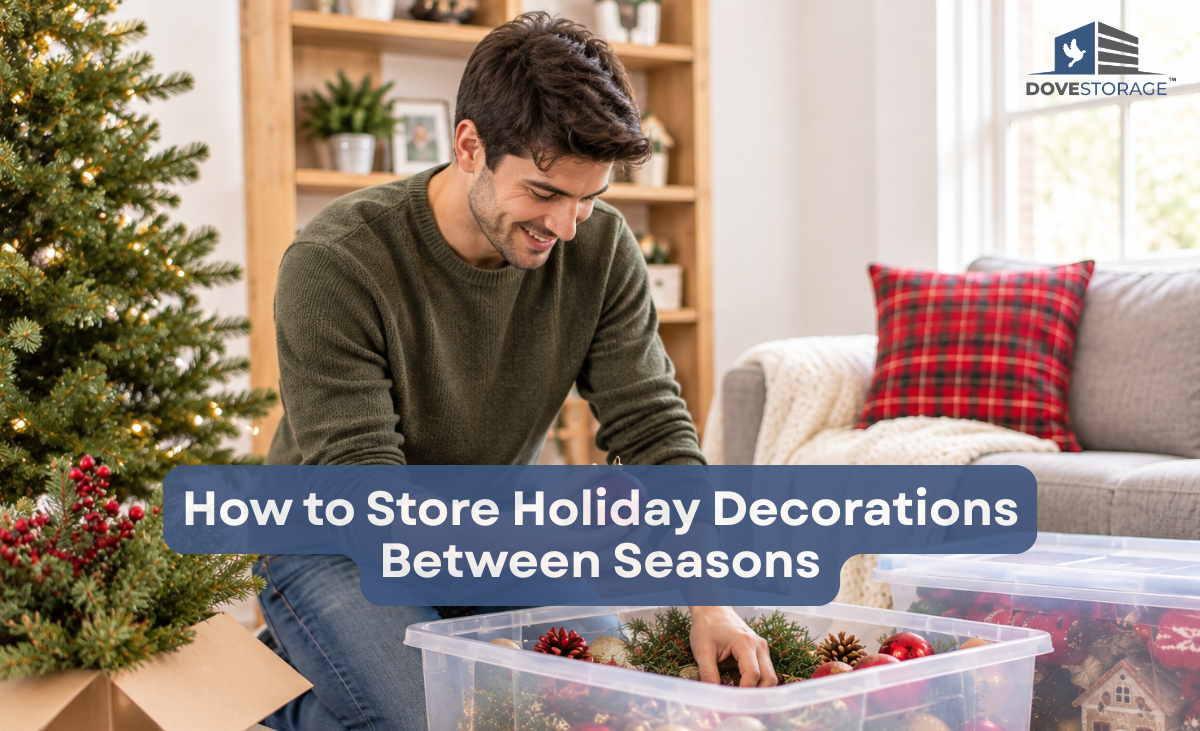
- Seasonal decorations and holiday supplies
- Extra furniture, mattresses, and household appliances
- Clothing, shoes, and bedding
- Sports equipment and outdoor gear
- Moving boxes and household belongings
- Collectibles and personal keepsakes
Self-storage also works well during life changes, such as moving, renovating, downsizing, or welcoming a new family member.
At Dove Storage, we offer a variety of storage unit sizes and options to help customers find the space that works for their needs. With flexible month-to-month rental agreements, you can choose a storage arrangement that fits your situation without committing to a long-term lease. Explore our personal storage solutions to learn more about how self-storage can help create extra room at home.
4. Choose the Right Storage Unit for Your Belongings
Not all storage units are the same. Choosing the right type of unit depends on what you're storing, how much space you need, and the level of protection your belongings require.
Here are some options to consider:
- Drive-Up Storage Units: Ideal for large furniture, appliances, boxes, and bulky belongings. You can pull your vehicle directly up to the unit, making loading and unloading easier.
- Indoor Storage Units: These units are located inside a building, offering added protection from outdoor weather conditions when accessing your belongings.
- Climate-Controlled Storage Units: A good choice for temperature-sensitive items such as wooden furniture, electronics, clothing, photographs, documents, and collectibles. These units help maintain more consistent temperature and humidity conditions.
Choosing the right unit can help keep your belongings organized while providing an appropriate storage environment. If you're unsure which option is best, read our guide to climate-controlled vs. standard storage units to understand the differences.
Pro Tip: Make a list of everything you plan to store before renting. This will help you estimate the amount of space you need and avoid paying for a unit that's larger than necessary. You can also use our complete storage unit size guide to compare available sizes.
5. Organize Seasonal and Occasionally Used Items
Seasonal belongings are some of the biggest contributors to household clutter. Holiday decorations, winter clothing, gardening tools, camping equipment, and outdoor furniture can take up valuable space even when they're not being used.
Instead of allowing these items to fill your closets and garage throughout the year, consider organizing them into seasonal storage categories.
For example:
- Spring and Summer: Store winter coats, snow equipment, holiday decorations, and cold-weather accessories.
- Fall and Winter: Store patio furniture, gardening equipment, beach supplies, camping gear, and summer accessories.
Using a self-storage unit for seasonal belongings helps keep your home organized while ensuring your items are available when you need them again.
Pro Tip: Place seasonal items in clearly labeled containers and group similar belongings together. This makes it easier to find and retrieve what you need when the seasons change.
6. Protect Valuable and Sentimental Belongings
Sometimes, the items taking up the most space are also the ones you don't want to part with. Family photographs, heirlooms, collectibles, important documents, and furniture passed down through generations can hold significant personal or financial value.
If you don't have enough room at home, a self-storage unit can provide an additional place to keep these belongings.
When storing valuable or delicate items, consider the following:
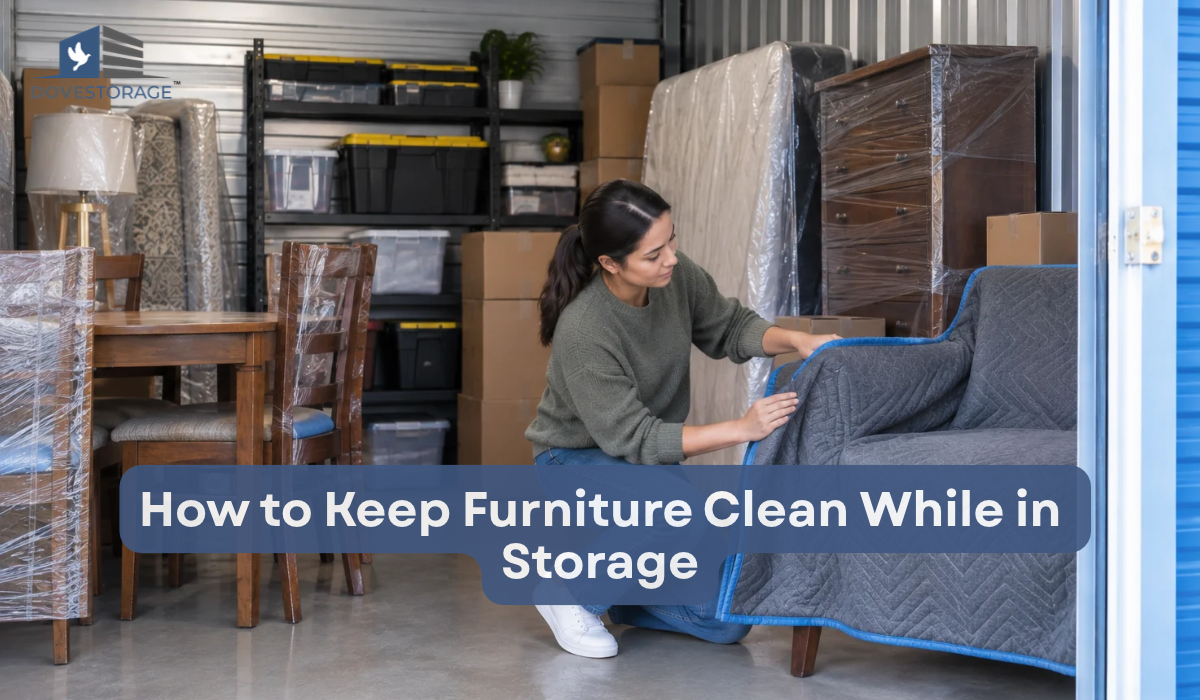
- Use sturdy plastic containers to help protect belongings from dust and moisture.
- Wrap fragile items individually with appropriate protective materials.
- Store photographs and important documents in protective sleeves or archival-quality containers.
- Choose climate-controlled storage for items that may be affected by temperature and humidity changes.
- Keep an inventory of stored belongings so you know exactly what's inside your unit.
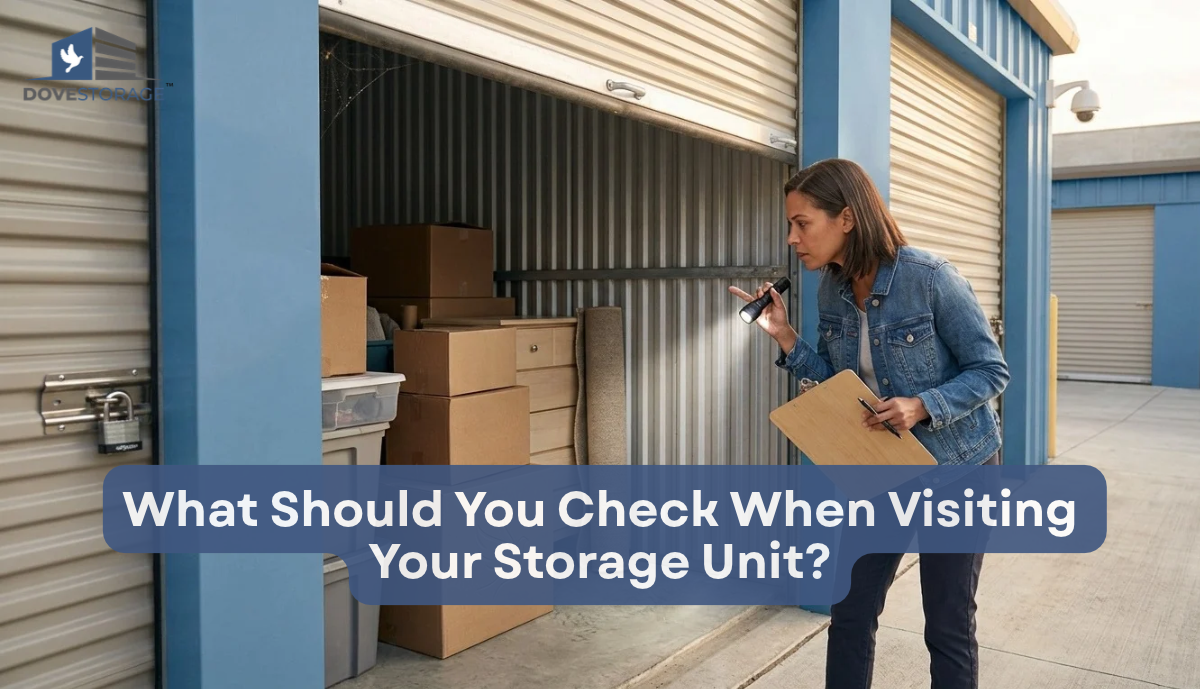
It's also important to check the facility's security features, such as gated access, security cameras, and well-maintained grounds. Learn more about self-storage security and facility maintenance when comparing storage options.
Remember to review your insurance coverage as well. At Dove Storage, renters are required to have insurance for their stored belongings. If you don't already have qualifying coverage, our tenant protection plan is available for as low as $12 per month.
7. Make Moving and Home Renovations Easier With Storage
Sometimes, running out of space is only temporary. Moving to a new home, remodeling a kitchen, renovating a bedroom, or making major household improvements can leave you with furniture and belongings that need somewhere to go.
A self-storage unit can help keep your possessions out of the way while you work on your home.
Here are a few situations where temporary storage can be helpful:
- Home Renovations: Move furniture, appliances, and decorations out of the renovation area to protect them from dust and accidental damage.
- Moving Between Homes: Store belongings while waiting for your new home to become available.
- Downsizing: Keep furniture and personal items you aren't ready to part with while adjusting to a smaller living space.
- Major Home Cleanouts: Temporarily store belongings while sorting, organizing, and deciding what to keep.
Having an additional storage space can make these transitions easier and help prevent your home from becoming overcrowded during the process. For more helpful ideas, explore our moving and organization tips.
8. Keep Your Storage Space Organized
Once you've found the right place for your belongings, maintaining an organized system is essential. Whether you're using a closet, garage, basement, or self-storage unit, a little planning can save you time and frustration later.
Here are some simple ways to keep everything organized:
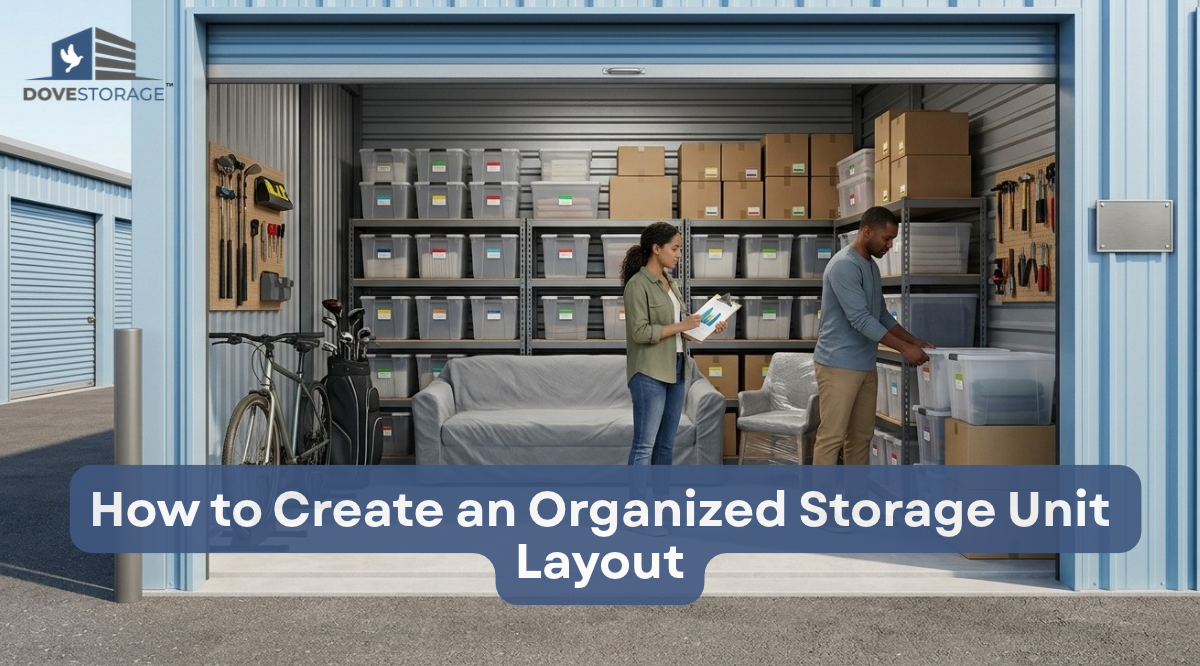
- Label Every Box: Include a description of the contents so you can identify items without opening every container.
- Create a Storage Inventory: Keep a written or digital list of everything you've stored.
- Use Uniform Containers: Similar-sized boxes and bins are easier to stack and arrange.
- Keep Frequently Used Items Accessible: Place belongings you may need sooner near the front of your storage space.
- Leave Room to Move: Avoid stacking boxes too tightly or filling every available corner. Leave enough space to reach your belongings safely.
Periodically review your stored items to make sure everything is still organized and in good condition. This also gives you an opportunity to remove belongings you no longer need.
Pro Tip: Take photos of your storage unit after organizing it. These pictures can serve as a helpful reference when you need to locate specific items later.
When your home runs out of space, you don't have to sacrifice the comfort and functionality of your living areas or get rid of belongings that still matter to you. From maximizing existing storage areas to renting a self-storage unit, there are several ways to create more room and keep your possessions organized.
The right storage solution can make everyday life easier, whether you're managing seasonal belongings, preparing for a move, renovating your home, or simply looking to reduce clutter.
At Dove Storage, we offer clean, secure, and affordable self-storage solutions with a variety of unit sizes and options to fit your needs. Whether you need extra space for household furniture, seasonal decorations, or personal belongings, we're here to help you find the right storage solution.
Visit Dove Storage today to explore our available storage locations and make more room for what matters most!