
Climate-Controlled vs. Standard Units: What’s the Difference?
Dove Storage • May 23, 2025
When you're looking for a storage unit, one of the first decisions you'll face is whether to rent a standard unit or a climate-controlled unit. While both options offer safe and secure storage, the right choice depends on what you're storing, where you're located, and how long you plan to keep your items in storage. This article breaks down the key differences between climate-controlled and standard storage units, helping you decide which option best fits your needs.
What Is a Standard Storage Unit?
A standard storage unit is your basic, no-frills storage space. These units are typically located in outdoor-access facilities and resemble garage-like structures. They’re ideal for storing durable items that aren’t affected by changes in temperature or humidity.
Key Features:
Typically located in drive-up buildings
Exposed to external temperature changes
Less expensive than climate-controlled options
Easy vehicle access for loading and unloading
Best For:
Lawn equipment
Tools and hardware
Metal furniture
Plastic containers
Non-sensitive items
What Is a Climate-Controlled Storage Unit?
A climate-controlled storage unit maintains a consistent temperature range (usually between 55°F and 85°F) and regulates humidity levels. These units are typically located indoors, offering additional insulation from outdoor conditions.
Key Features:
Located inside insulated buildings
Temperature and humidity regulation
Often includes better air circulation and dust control
Added protection from extreme heat, cold, and moisture
Best For:
Electronics
Wood or leather furniture
Artwork and antiques
Documents and books
Clothing, fabrics, and collectibles
Temperature Control vs. Humidity Control
It’s important to distinguish between temperature-controlled and climate-controlled units:
Temperature-controlled units only regulate heat and cold.
Climate-controlled units manage both temperature and humidity levels.
Humidity control is especially crucial in regions with high moisture levels (e.g., the Southeast or coastal areas) as it helps prevent mold, mildew, and warping.
Why Climate-Controlled Units May Be Worth It
While climate-controlled units typically cost 20%–50% more than standard units, the added expense can be worth it depending on what you're storing. Here are a few scenarios where climate control pays off:
1. Long-Term Storage
If you’re storing items for more than a few months, seasonal temperature swings can cause wear and tear on sensitive materials.
2. Valuable or Sentimental Items
Documents, family heirlooms, and electronics can degrade or malfunction if exposed to heat or moisture.
3. Business Storage
If you’re storing inventory like electronics, paper files, or perishable goods, climate control helps preserve product integrity.
Cost Comparison
Here’s a quick comparison of average prices in the U.S. (based on a 10x10 unit):
Standard Unit: $90–$130/month
Climate-Controlled Unit: $120–$180/month
Prices may vary depending on location, facility amenities, and availability. Urban areas or facilities with newer buildings may charge more for either option.
Geographic Considerations
Your location plays a big role in choosing between climate-controlled and standard storage:
Hot/Humid Climates (e.g., Florida, Texas, Louisiana):
High humidity can cause mold and mildew—climate-controlled is often recommended.
Cold Regions (e.g., Midwest, Northeast):
Extreme cold can damage electronics, glass, and liquids. Climate control helps prevent freezing damage.
Dry, Mild Climates (e.g., parts of the Southwest):
Standard storage may suffice, especially for short-term use.
Security and Accessibility
While not always the case, climate-controlled units often come with enhanced security and indoor access:
Indoor hallways limit unauthorized entry.
Controlled environments may offer 24/7 surveillance.
Some facilities use keypad entry or smart access technology.
In contrast, standard outdoor units typically allow drive-up access, which can be more convenient if you’re frequently loading and unloading larger items.
How to Decide Which Type You Need
Ask yourself the following:
What items am I storing?
Are they sensitive to temperature, moisture, or dust?
How long will they be stored?
Is this short-term or long-term?
How valuable are the contents?
Financially or sentimentally?
What’s the climate like in my area?
Is it prone to moisture, extreme heat, or freezing?
If you answer “yes” to most of these questions, climate-controlled storage is likely the smarter investment.
Choosing between a standard and climate-controlled storage unit comes down to what you're storing, where you live, and how long your items will be stored. While standard units are cost-effective for durable goods, climate-controlled units offer better protection for sensitive items and peace of mind, especially in regions with extreme weather conditions. Before you decide, assess your inventory and consider the long-term value of your belongings. A few extra dollars per month may save you from damage or replacement costs down the road.
Need help choosing the right storage unit? Visit www.dovestorage.com
to browse our available standard and climate-controlled options. Our team is here to help you find the best fit for your belongings and budget.
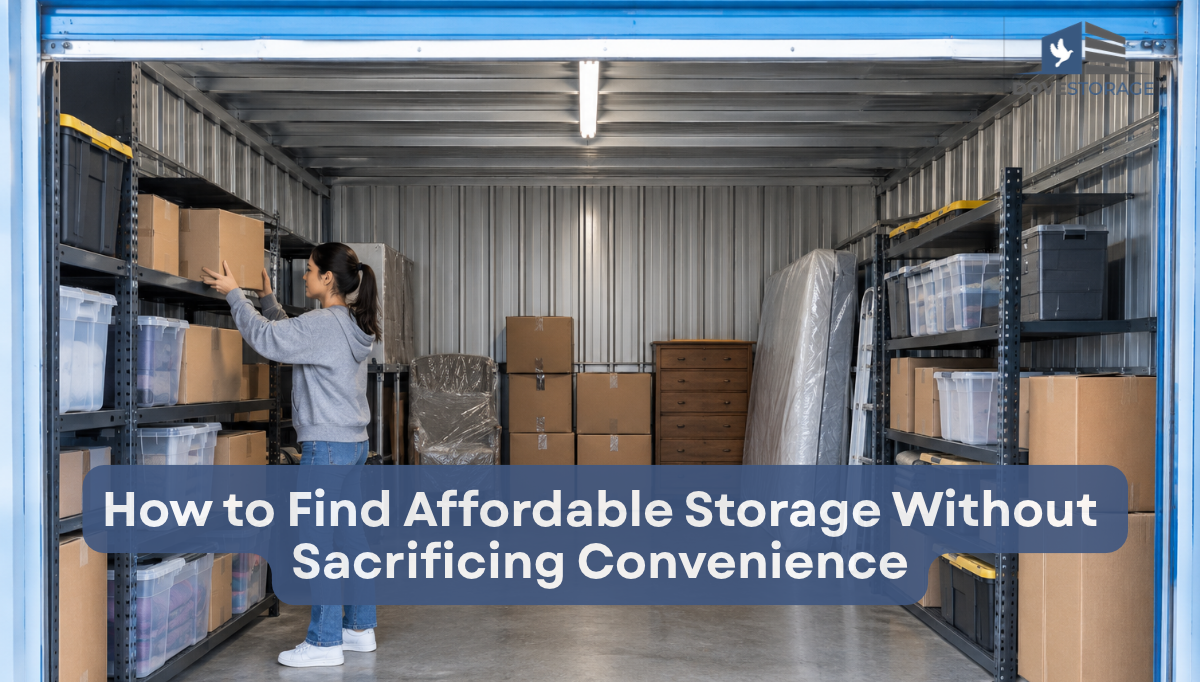
Discover how to find affordable self-storage without sacrificing convenience with tips on unit sizes, rental costs, location, security, and flexible storage options.
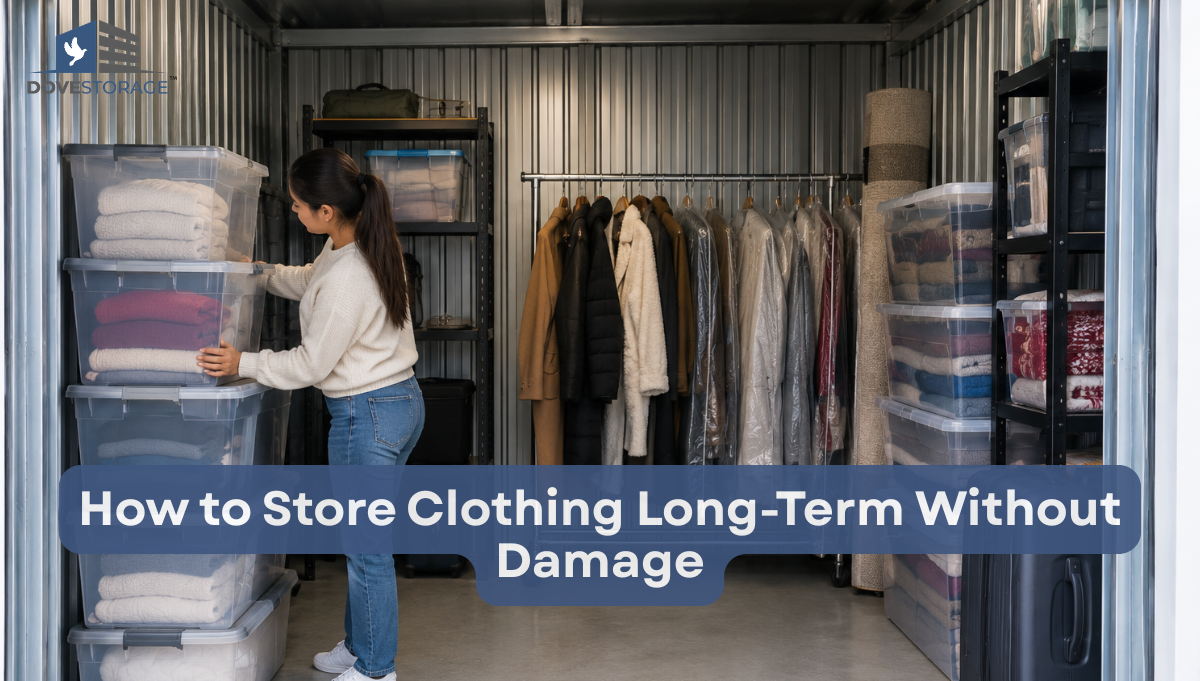
Learn how to store clothing long-term without damage with tips for cleaning, packing, moisture protection, organization, and choosing the right storage environment.
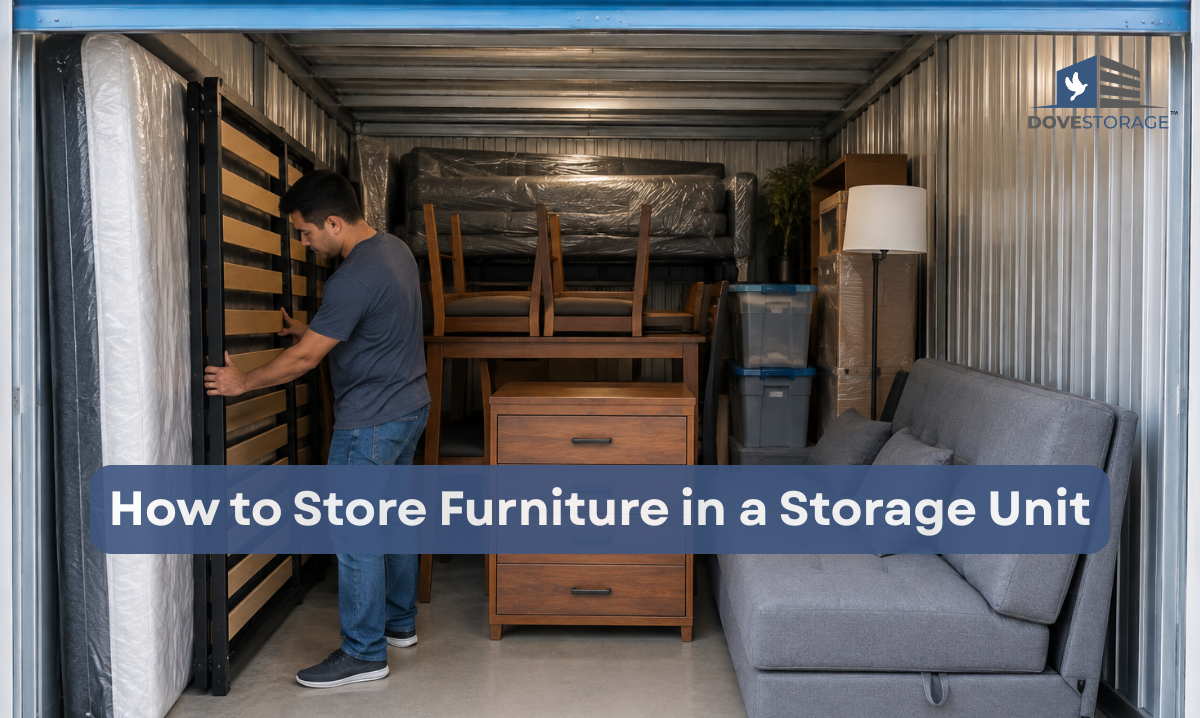
Learn how to store furniture safely in a storage unit with tips for cleaning, packing, protecting, organizing, and choosing the right storage space.
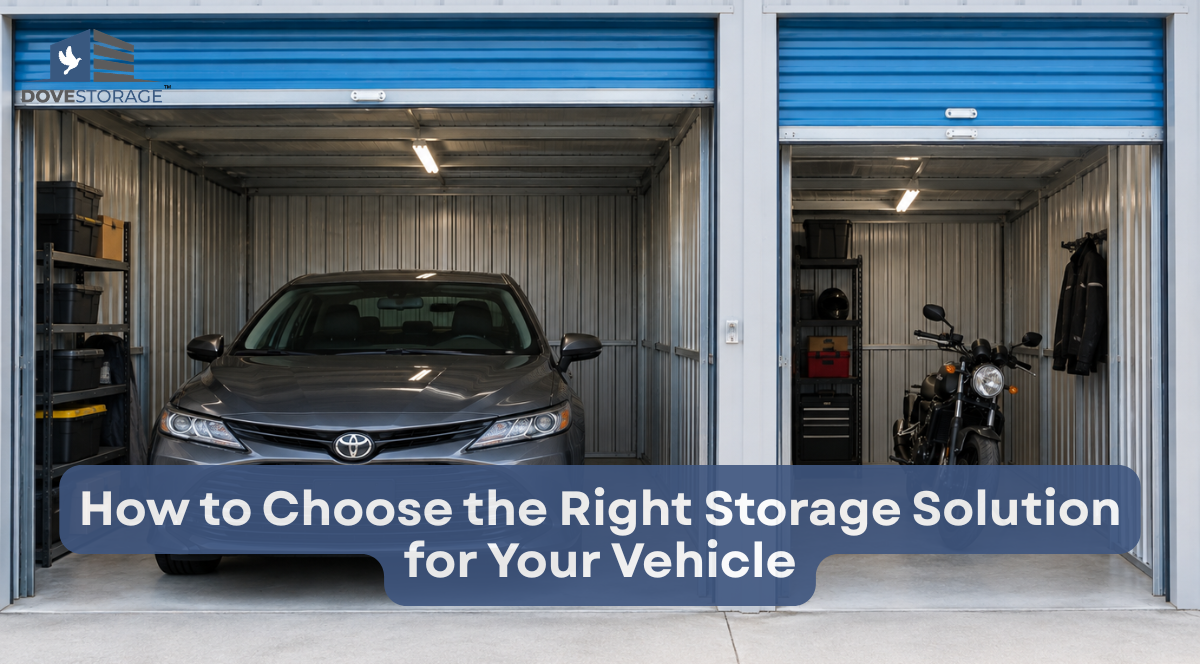
Learn how to choose the right vehicle storage solution based on size, access, security, protection, and budget for cars, motorcycles, boats, and more.
Should you rent a storage unit before or after moving? Learn how self-storage can simplify packing, moving between homes, downsizing, and settling into your new space.

Declutter your home without feeling overwhelmed with simple, manageable steps for sorting, organizing, storing, donating, and creating a more functional space.
Not sure if you need a storage unit? Discover common signs it’s time for extra space, from home clutter and moving to downsizing, seasonal storage, and business needs.
Save money on self-storage with practical tips for choosing the right unit size, comparing prices, packing efficiently, decluttering, and maximizing your storage budget.
Maximize every inch of your storage unit with smart packing, stacking, labeling, and organization tips that save space while keeping belongings accessible.
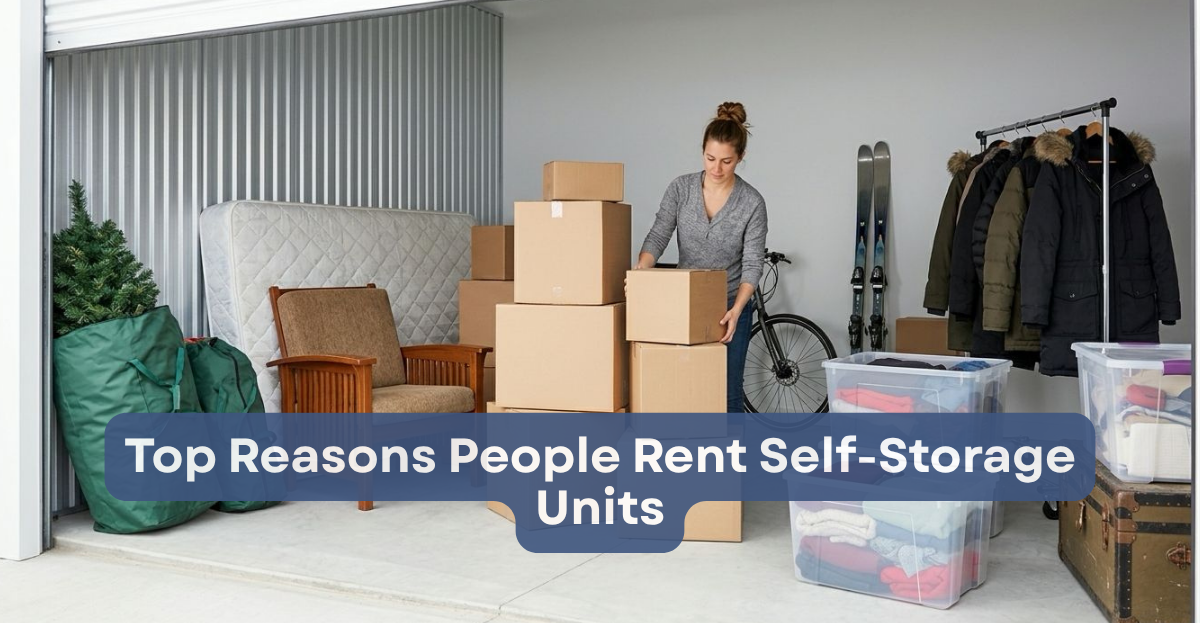
Discover the top reasons people rent self-storage units, from creating more space and moving to storing seasonal items, business inventory, and sentimental belongings.