
What Happens to Abandoned Storage Units?
Dove Storage • May 21, 2025
Self-storage units offer a convenient and flexible solution for storing personal and business items. However, not all renters keep up with their payments or retrieve their belongings. When a tenant stops paying rent and fails to respond to notices, the storage unit is considered "abandoned." But what actually happens next? This article explains what happens to abandoned storage units, the legal process behind it, and what both renters and buyers should know.
Understanding Abandonment in Self-Storage
In the self-storage industry, abandonment typically occurs when a tenant:
- Stops paying rent for a period defined in their rental agreement
- Fails to respond to attempts at contact
- Does not access the unit for an extended period
- Ignores or does not respond to a lien notice
- It’s important to note that storage facilities cannot simply open and remove items from a unit at will. There is a legal process designed to protect both the facility and the tenant.
The Legal Process for Handling Abandoned Units
Each state in the U.S. has its laws regarding self-storage units, but the general procedure is similar nationwide. Here's a typical step-by-step process:
1. Grace Period and Payment Attempts
Once a tenant misses a payment, most facilities provide a short grace period—often 5 to 10 days—before assessing a late fee. During this time, tenants may still pay their bill and retain access to their unit.
2. Unit Is Locked Out
If payments continue to be missed, the facility will typically deny access to the unit. This is known as a "lockout" and is usually done with an overlock (a second lock placed by the facility). The tenant retains ownership of the contents but cannot enter the unit until their account is current.
3. Lien Process Begins
After 30–90 days of non-payment (varies by state and facility), the facility begins the lien process. Under state lien laws, the facility must send official notice to the tenant via mail or email. This notice includes:
- Amount owed
- Final deadline to pay
- Notice that the unit will be sold if payment isn’t received
- This is a legal requirement and gives the tenant a final chance to resolve their account.
4. Public Auction of Contents
If the tenant still does not pay, the facility can legally auction the contents of the unit to recover unpaid rent. Auctions must be publicly advertised in advance (often online or in a local publication).At the auction, buyers bid on the entire contents of the unit, typically without knowing exactly what’s inside. The highest bidder wins and must remove the contents within a specified timeframe.
5. Proceeds and Remaining Balances
If the sale of the unit covers the outstanding balance, the storage facility keeps what is owed and returns any surplus to the tenant. If the sale doesn’t cover the balance, the tenant may still be held liable for the remaining amount.
What Happens to the Items?
Once auctioned off, the new owner of the unit’s contents is free to do what they wish with them—sell, keep, or donate. However, personal documents, photographs, and certain sensitive items are often returned to the storage facility for safekeeping or proper disposal, depending on company policy. Items like firearms, hazardous materials, or illegal goods are not sold and may be handed over to law enforcement.
Special Considerations and Ethical Concerns
While the process is legal, storage auctions can raise ethical and emotional concerns. Many units contain deeply personal belongings—family heirlooms, childhood memorabilia, or sentimental keepsakes—that are lost due to financial hardship.
Facilities often attempt to contact tenants multiple times before initiating auctions. Some may even work out payment plans or offer extra time if the tenant communicates their situation. Communication is key—many abandoned units could be avoided with proactive dialogue.
Advice for Tenants: Avoiding Abandonment
To prevent your unit from being considered abandoned:
Stay current on payments.
Automate payments if possible.
Update contact info.
Ensure the facility has your latest phone, email, and mailing address.
Communicate. If you’re facing hardship, call the facility before your account falls behind. They may offer a grace period or assistance.
Understand your lease.
Know the terms, especially regarding payment deadlines and lien enforcement.
Abandoned storage units follow a clear, legally defined process that prioritizes communication and fairness. When tenants default, facilities are required to give multiple notices before auctioning the contents. While it may seem harsh, this system helps self-storage businesses recover losses while allowing tenants a fair opportunity to reclaim their belongings.
For potential buyers, storage auctions can offer a unique opportunity to purchase goods at a discount, but they should be aware of the risks, limitations, and legal boundaries involved. Ultimately, the best approach is communication. Tenants who are honest with their storage provider and act quickly can often avoid losing their stored items altogether.
Want to avoid abandoned unit situations and keep your storage secure? Contact Dove Storage today to learn about our flexible payment options and transparent policies. Visit www.dovestorage.com
to explore units near you and find the perfect fit for your needs.
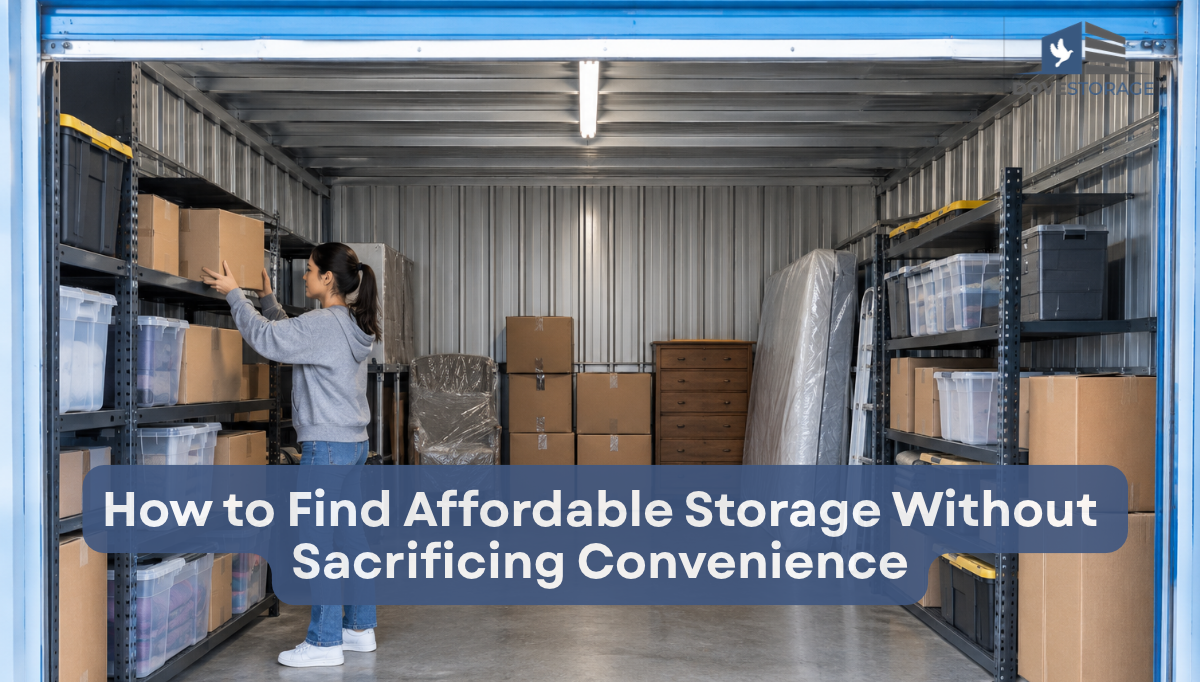
Discover how to find affordable self-storage without sacrificing convenience with tips on unit sizes, rental costs, location, security, and flexible storage options.

Learn how to store clothing long-term without damage with tips for cleaning, packing, moisture protection, organization, and choosing the right storage environment.
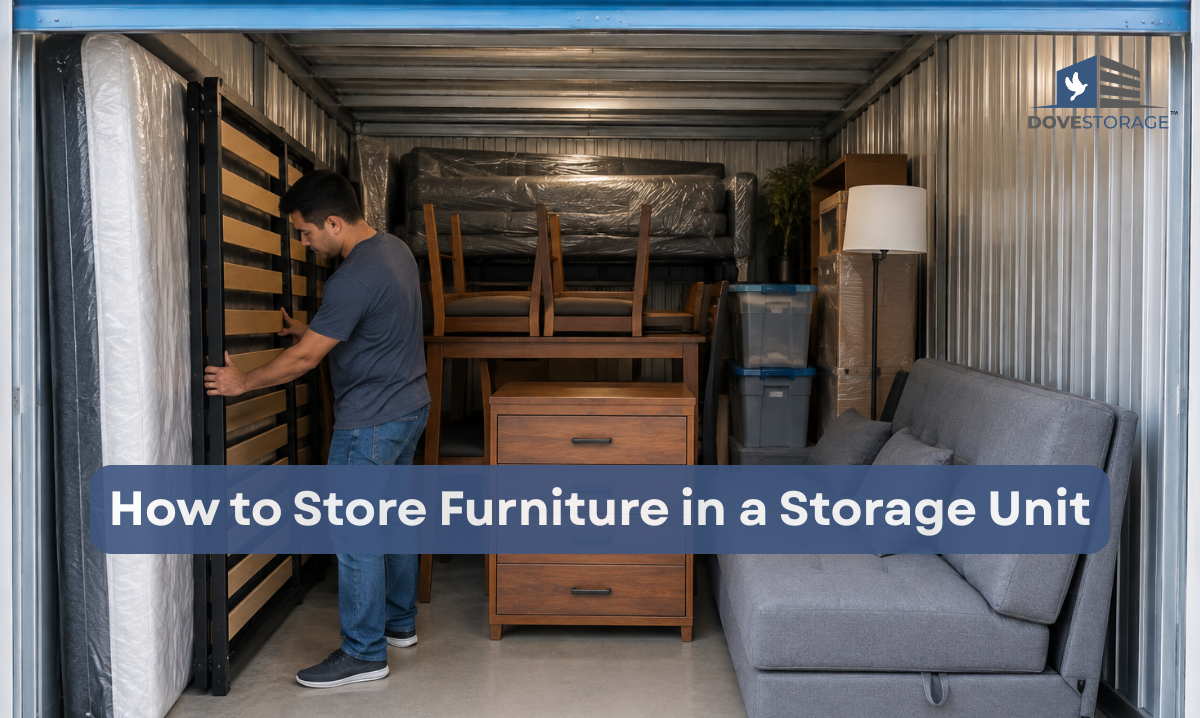
Learn how to store furniture safely in a storage unit with tips for cleaning, packing, protecting, organizing, and choosing the right storage space.

Learn how to choose the right vehicle storage solution based on size, access, security, protection, and budget for cars, motorcycles, boats, and more.
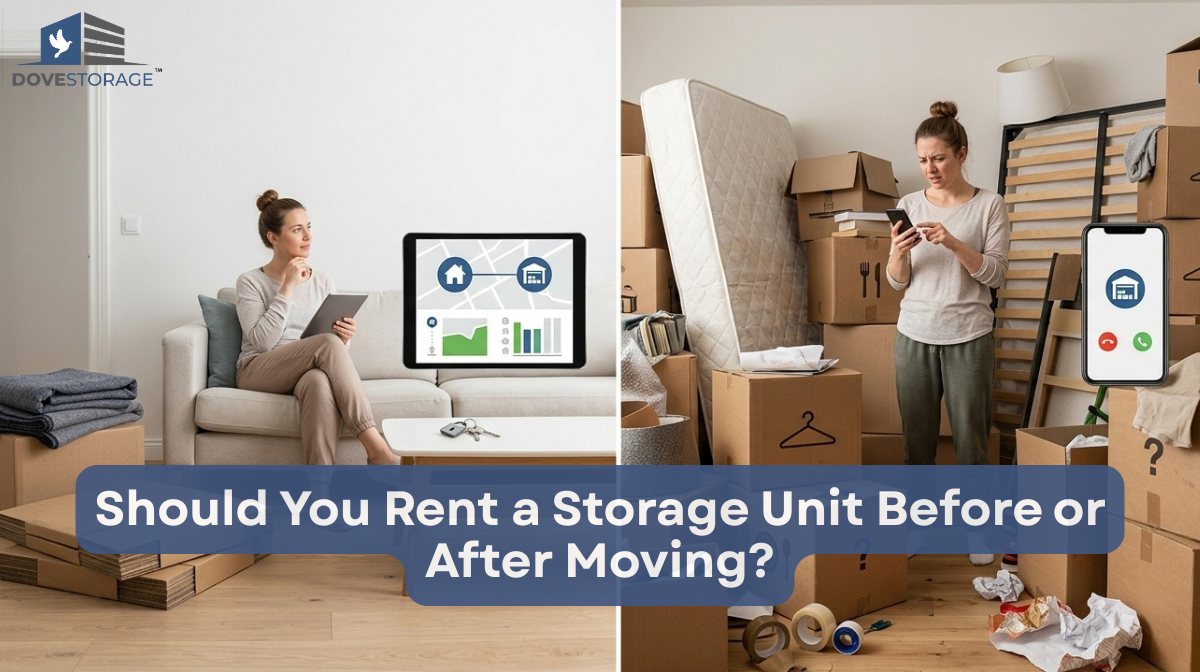
Should you rent a storage unit before or after moving? Learn how self-storage can simplify packing, moving between homes, downsizing, and settling into your new space.

Declutter your home without feeling overwhelmed with simple, manageable steps for sorting, organizing, storing, donating, and creating a more functional space.
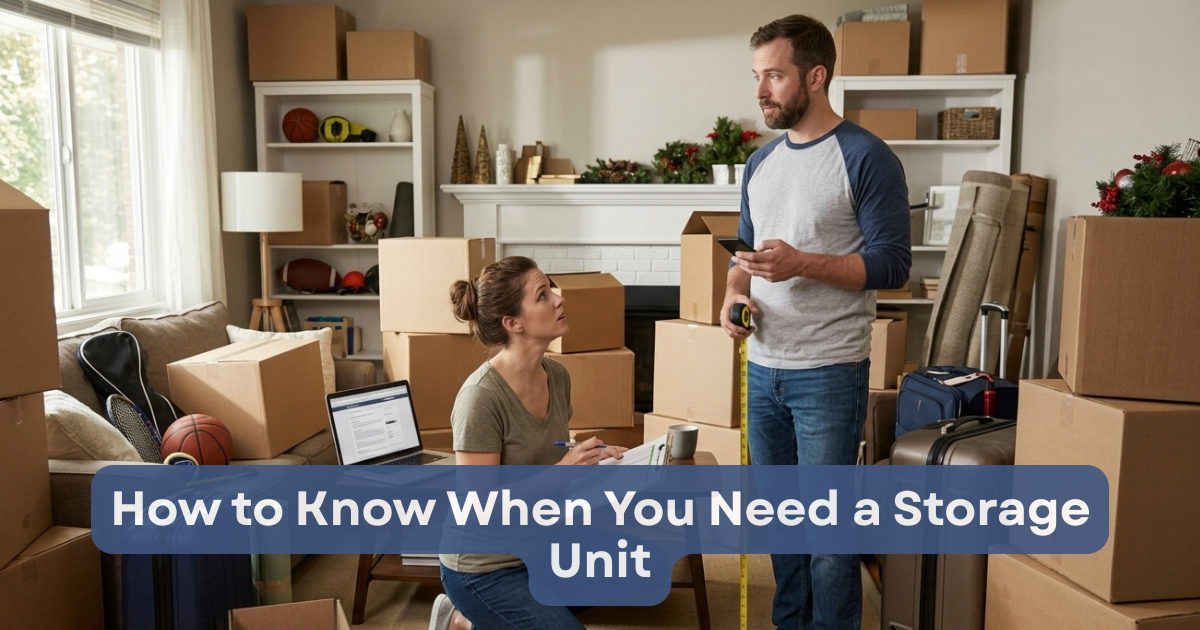
Not sure if you need a storage unit? Discover common signs it’s time for extra space, from home clutter and moving to downsizing, seasonal storage, and business needs.
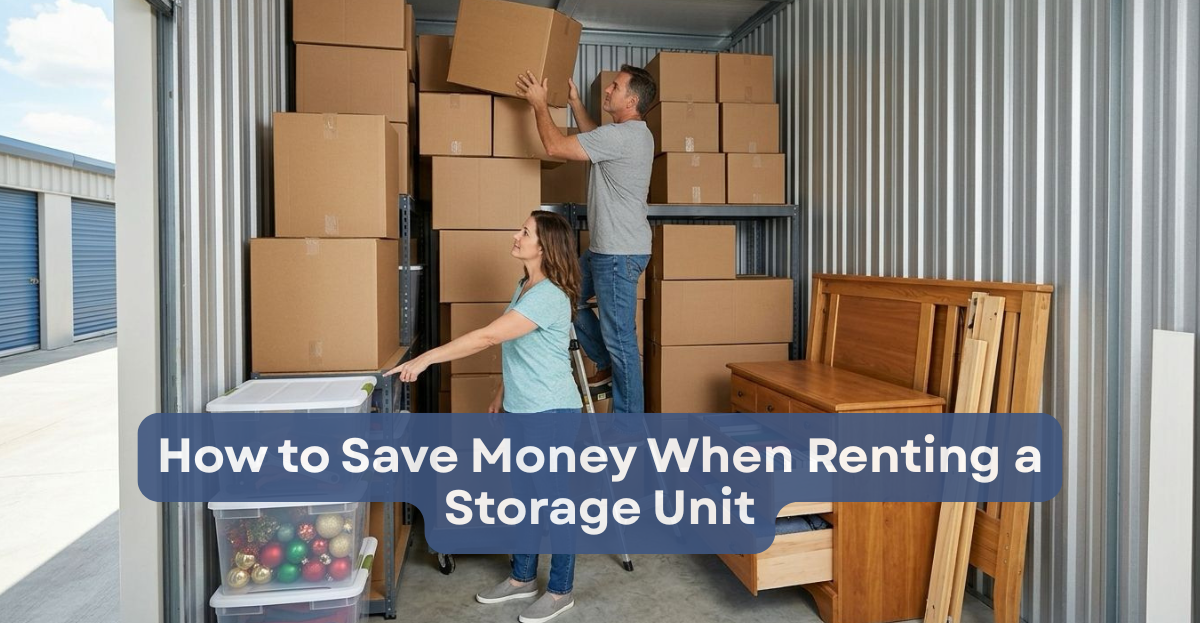
Save money on self-storage with practical tips for choosing the right unit size, comparing prices, packing efficiently, decluttering, and maximizing your storage budget.
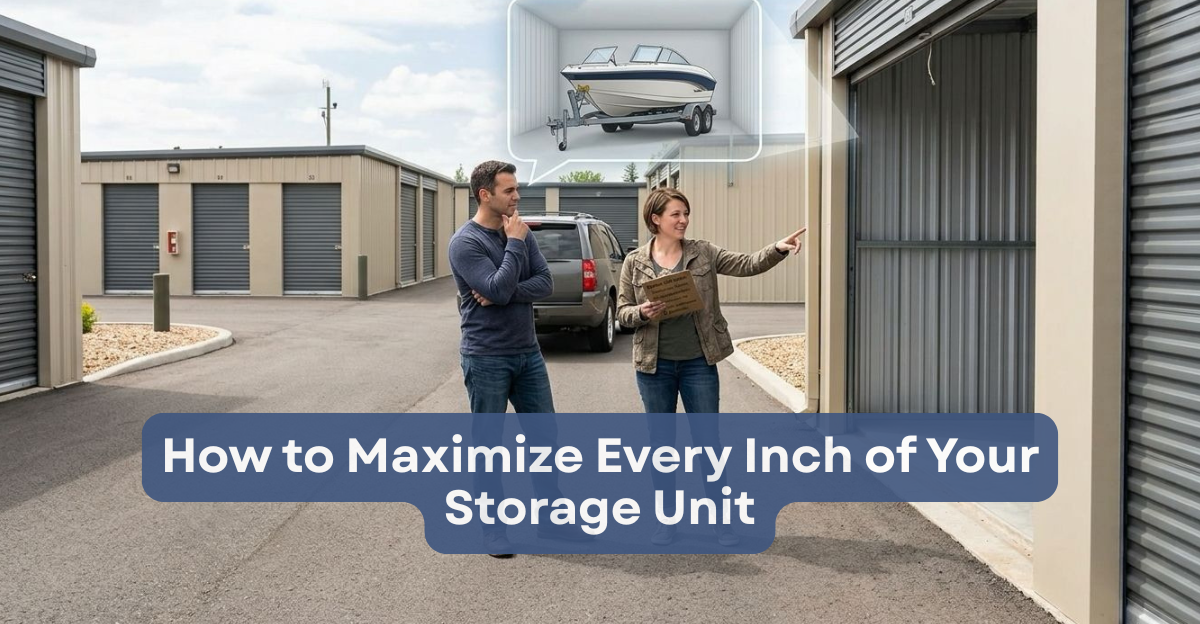
Maximize every inch of your storage unit with smart packing, stacking, labeling, and organization tips that save space while keeping belongings accessible.
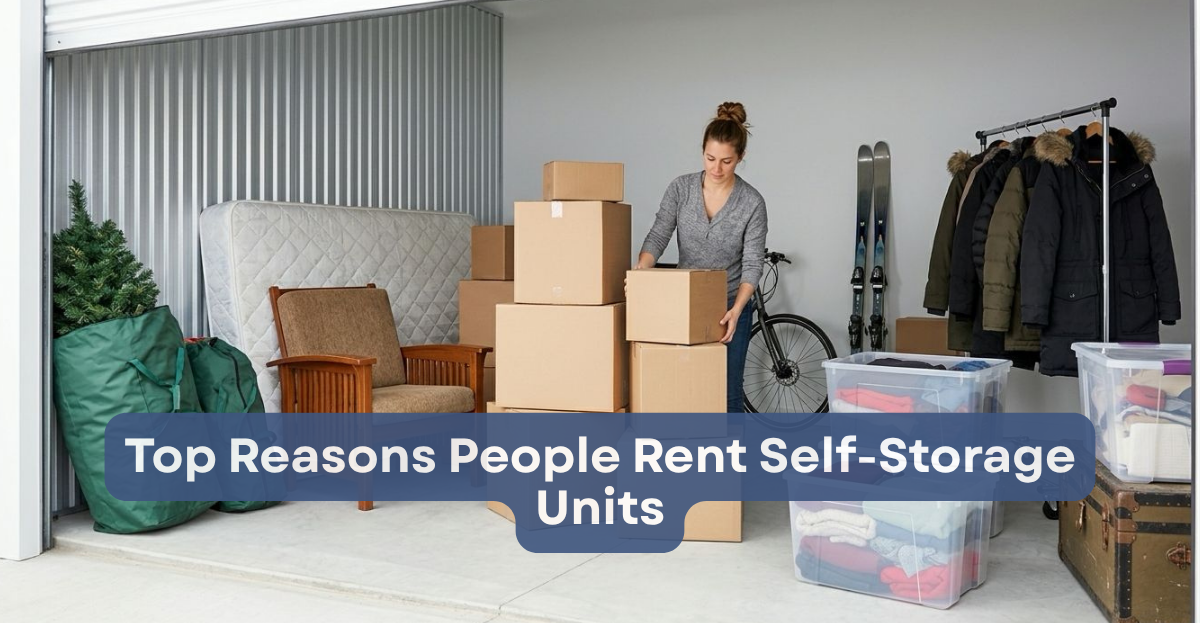
Discover the top reasons people rent self-storage units, from creating more space and moving to storing seasonal items, business inventory, and sentimental belongings.