
How E-Commerce Sellers Use Storage Units to Scale
Dove Storage • May 16, 2025
The e-commerce boom has transformed how Americans shop, and behind the scenes, it's changing how small businesses operate. From independent sellers on Etsy and eBay to growing Amazon and Shopify entrepreneurs, e-commerce businesses are scaling faster than ever—and many are turning to self-storage units to do it efficiently.
Self-storage units offer an affordable, flexible, and scalable solution for inventory management, packaging space, and operational flexibility. In this article, we explore how U.S. e-commerce sellers use storage units to fuel their growth and improve daily operations.
The Growth of E-Commerce and the Need for Storage
The U.S. e-commerce market is projected to exceed $1.4 trillion by 2027, with thousands of small and mid-sized businesses competing for their share. While demand is high, sellers face key logistical challenges:
Lack of space at home or in an office
High warehouse rental costs
Need for inventory organization
Seasonal inventory fluctuations
For many sellers, especially those working from home or on tight budgets, self-storage becomes a practical middle ground between a home garage and a full-scale warehouse.
Why E-Commerce Sellers Choose Self-Storage
1. Cost-Effective Space for Inventory
Traditional warehouse space can be costly and often requires long-term leases. In contrast, self-storage units offer month-to-month flexibility at a fraction of the cost. This makes it easier for sellers to manage expenses and expand their inventory without taking on significant financial risk.Storage unit sizes can range from 5x10 for small inventories to 10x20 or larger for bulk products, allowing sellers to choose exactly what they need—and upgrade as they grow.
2. Seasonal Inventory Management
E-commerce businesses often deal with seasonal spikes. Sellers may stock up on inventory ahead of the holidays or a product launch and need extra space temporarily. Self-storage lets them store bulk orders during peak seasons and scale back during slower months without being locked into costly contracts.
3. Improved Organization and Efficiency
Keeping inventory in a storage unit can help sellers stay organized. With shelving, bins, and labeled containers, sellers can turn a unit into a mini-warehouse, improving fulfillment speed and reducing errors in order picking.Some even use their units as part-time workspaces for packing and labeling orders, though this depends on the facility’s rules and access hours.
4. Reduces Home Clutter
For sellers who operate from home, keeping hundreds of products, shipping boxes, and packing materials in the garage or living room can quickly become overwhelming. A self-storage unit separates business from personal life, helping sellers maintain a more productive home environment.
How to Set Up a Storage Unit for Your E-Commerce Business
If you're considering a self-storage unit for your e-commerce operation, here are some tips for setting it up:
● Choose the Right Size
Start small and scale as needed. A 10x10 unit is ideal for moderate inventory levels, while larger units (10x15 or 10x20) are better for sellers handling bulky items or high-volume orders.
● Use Shelving and Racks
Installing vertical shelves can help maximize space and keep products easily accessible.
● Implement a Labeling System
Clearly label all boxes and bins. Consider using barcodes or inventory tracking software that syncs with your online platform.
● Climate Control Matters
If you're storing sensitive items like electronics, cosmetics, or paper-based goods, opt for a climate-controlled unit to protect inventory from heat, humidity, and cold.
● Check Facility Policies
Some storage facilities restrict conducting commercial activity on-site. While storing and organizing inventory is fine, regular fulfillment or customer pick-ups may be restricted.
Key Features to Look For in a Storage Facility
When choosing a storage facility for your e-commerce business, look for these essential features:
24/7 Access:
Important for sellers who pack and ship orders outside of business hours.
Security:
Look for gated access, surveillance cameras, and individual unit alarms.
Drive-Up Units:
These make loading and unloading easier, especially for heavy or bulky items.
Online Account Management:
Convenient for managing payments and access remotely.
Case Example: Scaling Smart with Storage
Let’s say a seller on Etsy starts out making handmade candles in their kitchen. As demand grows, so does the inventory of wax, jars, and shipping materials. Eventually, their home becomes too cramped. Instead of renting a warehouse, they rent a 10x15 self-storage unit nearby. They install shelves, set up a workstation for labeling, and store all inventory and supplies there. This move allows them to keep their home organized, fulfill orders more efficiently, and scale up without breaking the bank.
In the U.S., self-storage units are becoming an essential tool for e-commerce sellers who want to grow without the overhead of a commercial warehouse. Whether you’re just starting out or already scaling up, a storage unit offers a practical solution to manage inventory, reduce clutter, and streamline operations. As the e-commerce landscape continues to evolve, flexibility is key, and self-storage provides just that.
Ready to scale your e-commerce business? Explore affordable and secure storage options with Dove Storage. Visit www.dovestorage.com
to find a unit near you or contact us to discuss your business storage needs.
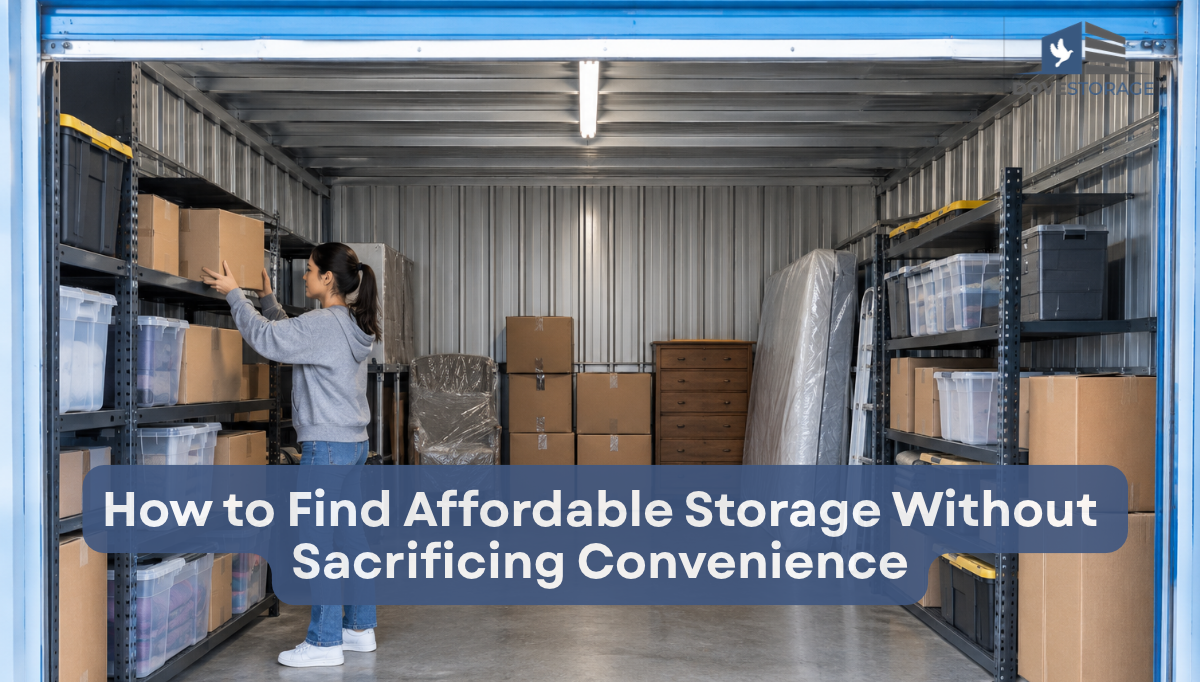
Discover how to find affordable self-storage without sacrificing convenience with tips on unit sizes, rental costs, location, security, and flexible storage options.
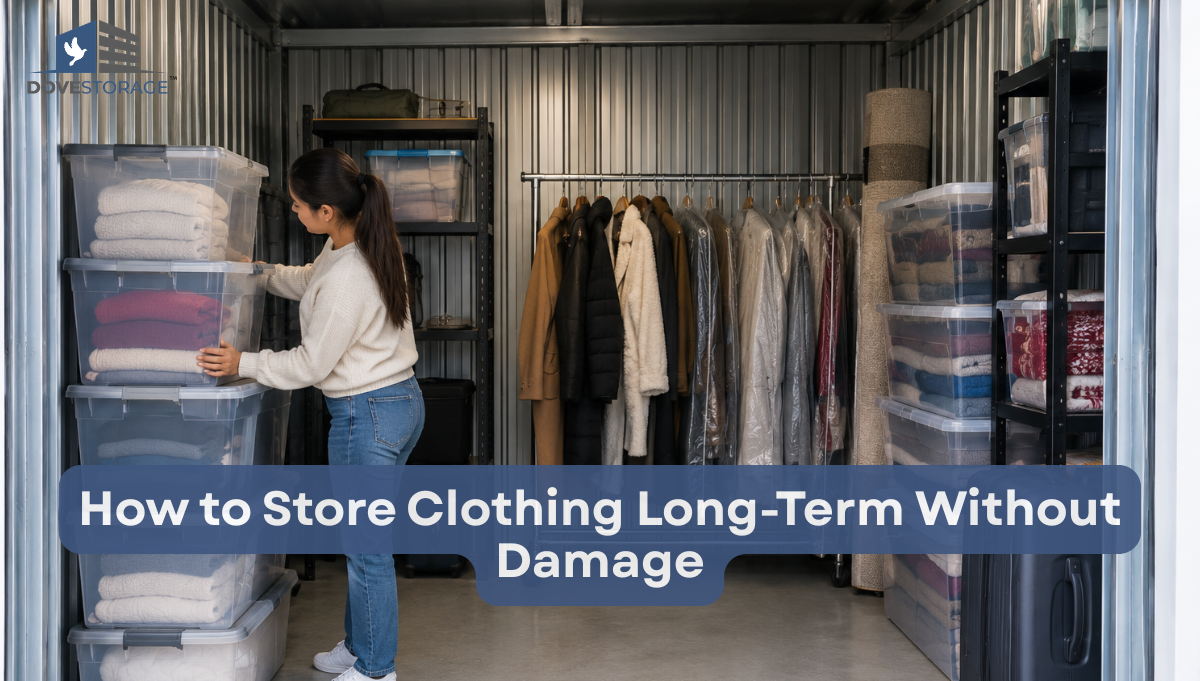
Learn how to store clothing long-term without damage with tips for cleaning, packing, moisture protection, organization, and choosing the right storage environment.
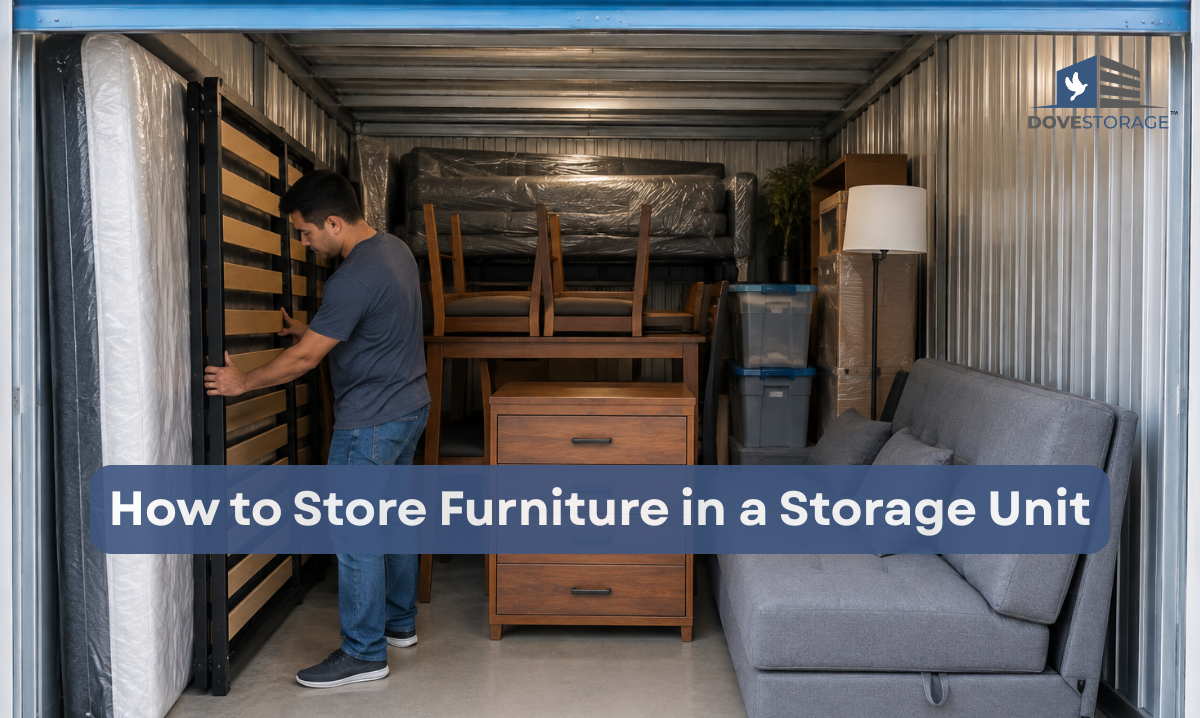
Learn how to store furniture safely in a storage unit with tips for cleaning, packing, protecting, organizing, and choosing the right storage space.
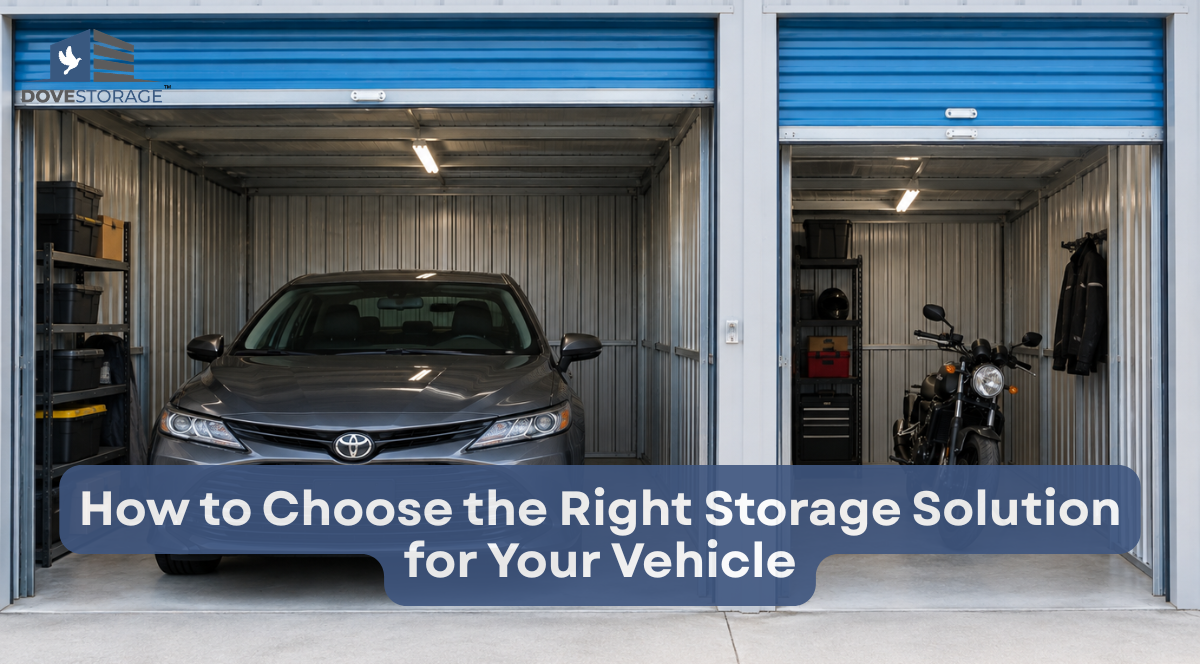
Learn how to choose the right vehicle storage solution based on size, access, security, protection, and budget for cars, motorcycles, boats, and more.
Should you rent a storage unit before or after moving? Learn how self-storage can simplify packing, moving between homes, downsizing, and settling into your new space.
Declutter your home without feeling overwhelmed with simple, manageable steps for sorting, organizing, storing, donating, and creating a more functional space.
Not sure if you need a storage unit? Discover common signs it’s time for extra space, from home clutter and moving to downsizing, seasonal storage, and business needs.
Save money on self-storage with practical tips for choosing the right unit size, comparing prices, packing efficiently, decluttering, and maximizing your storage budget.
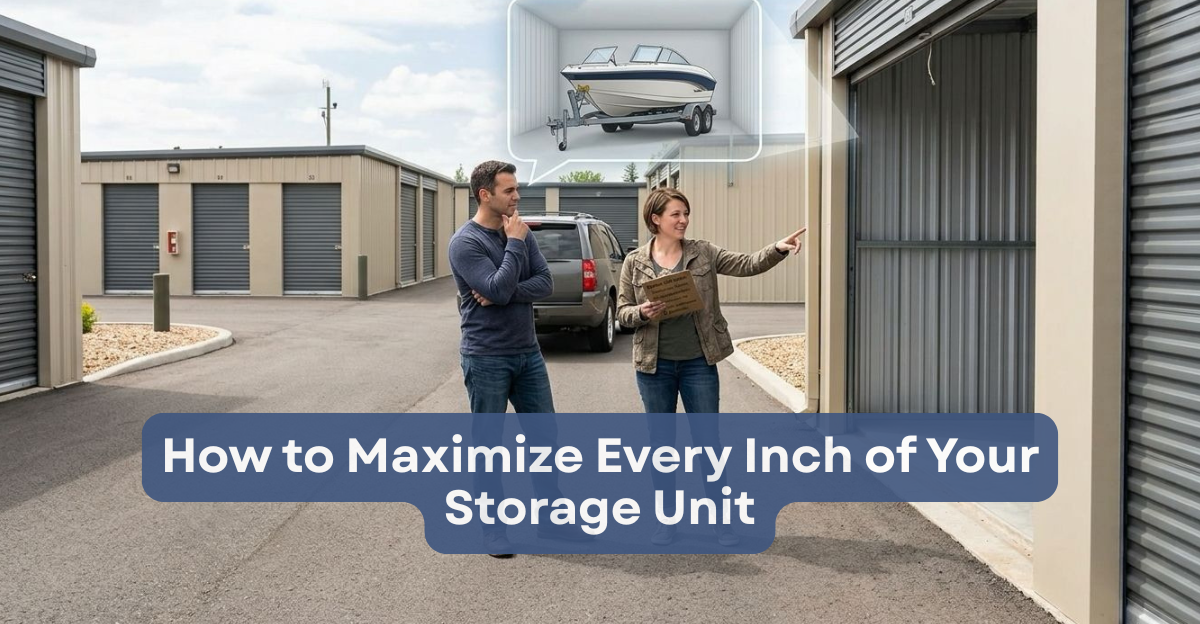
Maximize every inch of your storage unit with smart packing, stacking, labeling, and organization tips that save space while keeping belongings accessible.
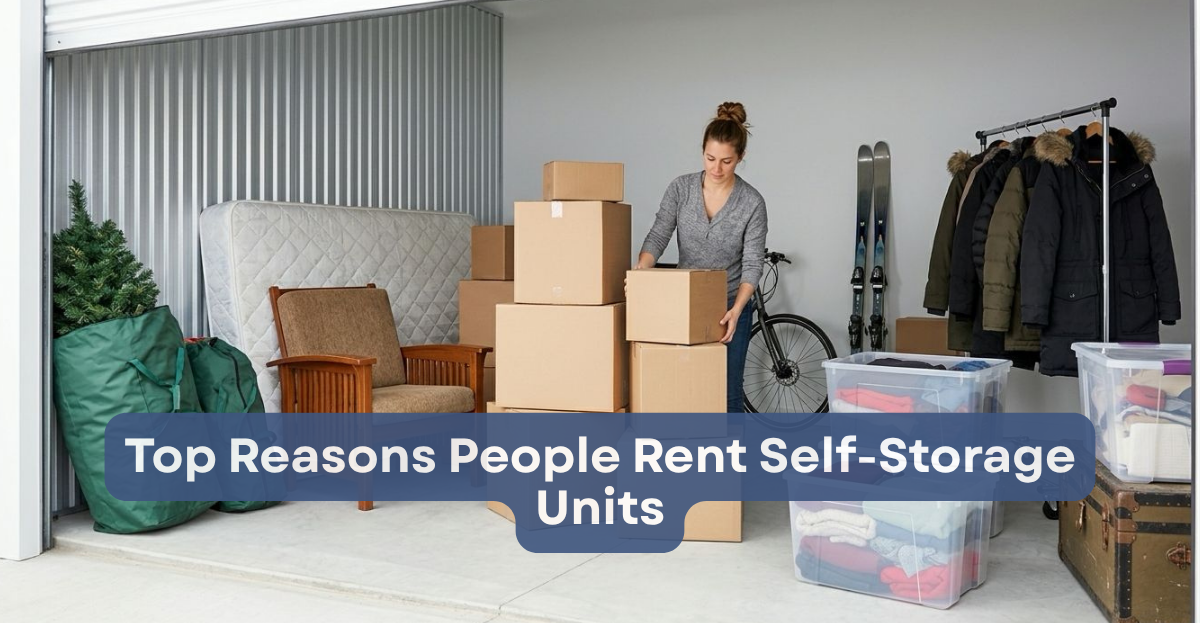
Discover the top reasons people rent self-storage units, from creating more space and moving to storing seasonal items, business inventory, and sentimental belongings.