
Tips for Reselling Items Found in Storage Units
Dove Storage • May 27, 2025
Storage unit auctions have grown in popularity thanks to shows like Storage Wars, but behind the drama lies a real business opportunity. For treasure hunters, thrifters, and side-hustlers, buying abandoned storage units and reselling the contents can be a profitable venture—if done right. In this article, we’ll break down practical tips for reselling items found in storage units, from evaluation and pricing to platforms and legal considerations.
1. Know What You’re Getting Into
Before you even place a bid, it’s important to understand that storage unit auctions are a gamble. Units are sold “as-is,” and you typically can’t enter or touch items before bidding. You might score big, or end up with a pile of trash.
Pro tip: Start small. Attend local auctions to observe before buying. Build a feel for which units tend to be profitable and which don’t.
2. Bring the Right Supplies
Once you win a unit, you usually have 24 to 72 hours to clear it out. Bring boxes, bags, gloves, and possibly a truck or trailer. Be prepared to sort items on-site into:
Keep/sell
Donate
Recycle/trash
This step is crucial in managing your time and costs effectively.
3. Assess and Sort Items Quickly
After removing items from the unit, do an initial sort at home or in a clean workspace. Look for:
Resale value:
Electronics, tools, vintage clothing, collectibles, and furniture often have decent resale potential.
Damage or wear:
Test electronics and inspect items for damage before listing them for sale.
Legal or sensitive materials:
Return personal items like IDs, family photos, and financial documents to the facility—they can’t be sold and often come with liability.
4. Clean and Restore When Possible
Presentation matters. Gently used items can look brand new with a quick clean or minor repair. Wipe down electronics, polish furniture, and launder clothing before reselling.
Tip: A $5 investment in cleaning supplies could increase your resale value by 50% or more.
5. Research Pricing and Demand
Before listing, research prices for similar items. Use platforms like eBay’s sold listings or Facebook Marketplace to determine market value. Factors to consider:
Condition
Brand and rarity
Local demand (e.g., tools may sell better locally, collectibles online)
Avoid pricing items too high and getting stuck with unsold inventory.
6. Choose the Right Selling Platforms
Different platforms suit different items. Here’s where to sell what:
Item Type
Best Platform(s)
Electronics & gadgets eBay, Facebook Marketplace
Furniture Craigslist, OfferUp, Facebook
Clothing & shoes Poshmark, Mercari, eBay
Tools & hardware Facebook Marketplace, Craigslist
Collectibles eBay, Etsy (if vintage)
Books, DVDs, media Amazon Marketplace, eBay
Local sales save shipping costs, but online platforms broaden your audience.
7. Understand Sales Tax and Business Laws
If you consistently resell items, you may need to treat it like a small business. Requirements vary by state, but consider:
Applying for a resale license
Tracking income and expenses
Paying applicable sales taxes
Check with a local small business office or accountant to stay compliant.
8. Manage Inventory Efficiently
Keep records of what you acquire, sell, and donate. Use spreadsheets or inventory apps to track:
Where items came from
What they sold for
Date of sale and buyer info
Organize your storage so you can find and ship items quickly. Clutter and confusion can lead to missed sales or shipping delays.
9. Be Honest in Listings
Transparency builds buyer trust and reduces returns. Accurately describe the condition of your items, include detailed photos, and mention any flaws. Honest listings help avoid disputes and maintain high ratings on selling platforms.
10. Watch for Legal or Restricted Items
Some things found in storage units can’t be sold legally, including:
Prescription medications
Firearms (depending on your state laws)
Alcohol
Counterfeit or trademarked goods
When in doubt, research the item or contact a local authority before selling.
Reselling items found in storage units can be a fun and lucrative hobby or side business. The key is knowing how to evaluate what you find, where to sell it, and how to stay organized and legally compliant.
Success doesn’t happen overnight. It comes from learning the ropes, making smart decisions, and consistently putting in the effort. With time and experience, you’ll begin to identify the units worth bidding on—and turn forgotten goods into real profits.
Thinking about buying your first storage unit or expanding your reselling operation? Visit www.dovestorage.com
to find available units and upcoming auction opportunities near you. Whether you’re a curious first-timer or a seasoned bidder, Dove Storage is here to help you make the most of your storage journey.
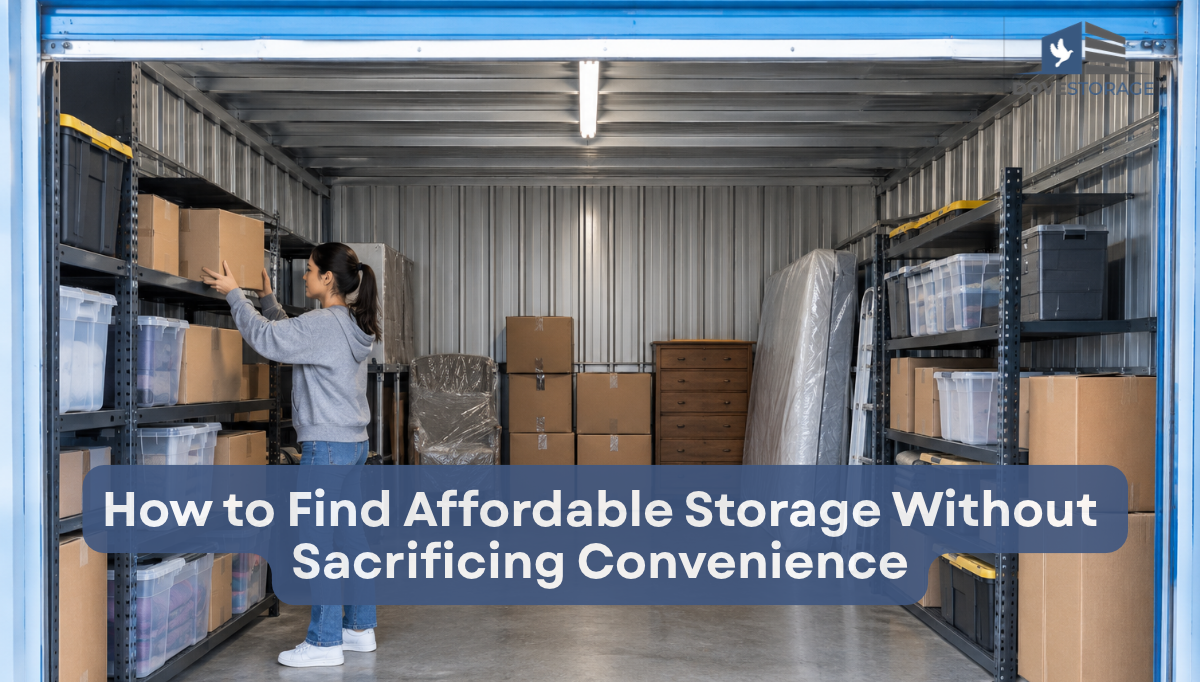
Discover how to find affordable self-storage without sacrificing convenience with tips on unit sizes, rental costs, location, security, and flexible storage options.
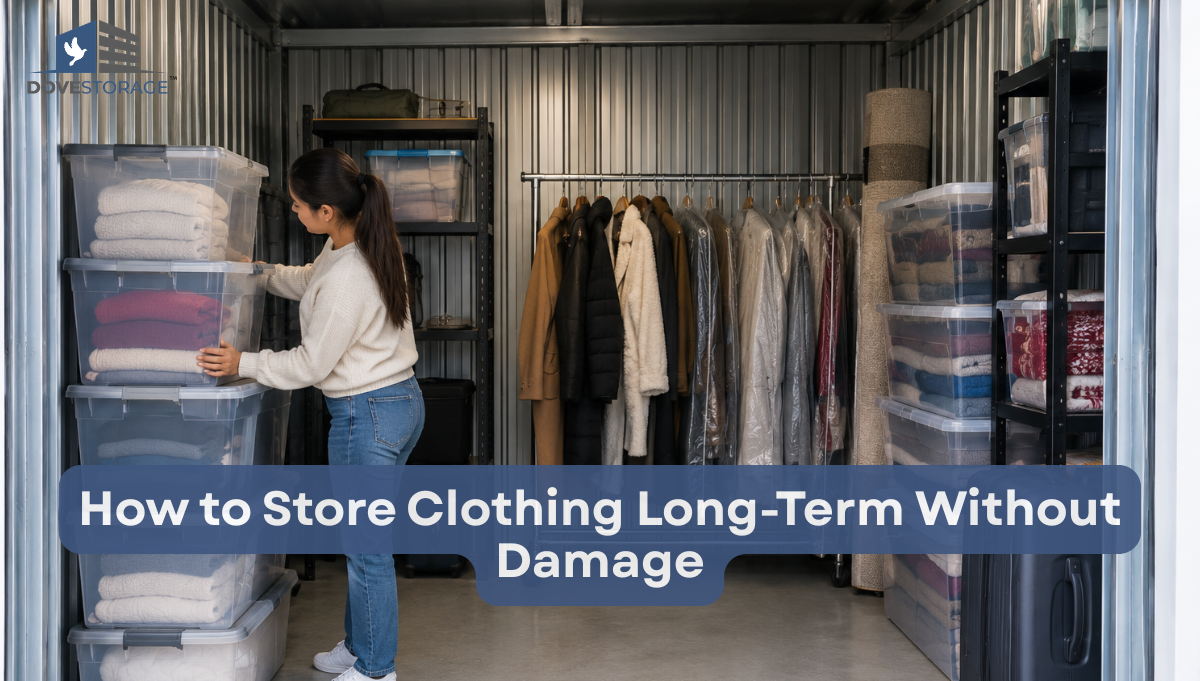
Learn how to store clothing long-term without damage with tips for cleaning, packing, moisture protection, organization, and choosing the right storage environment.
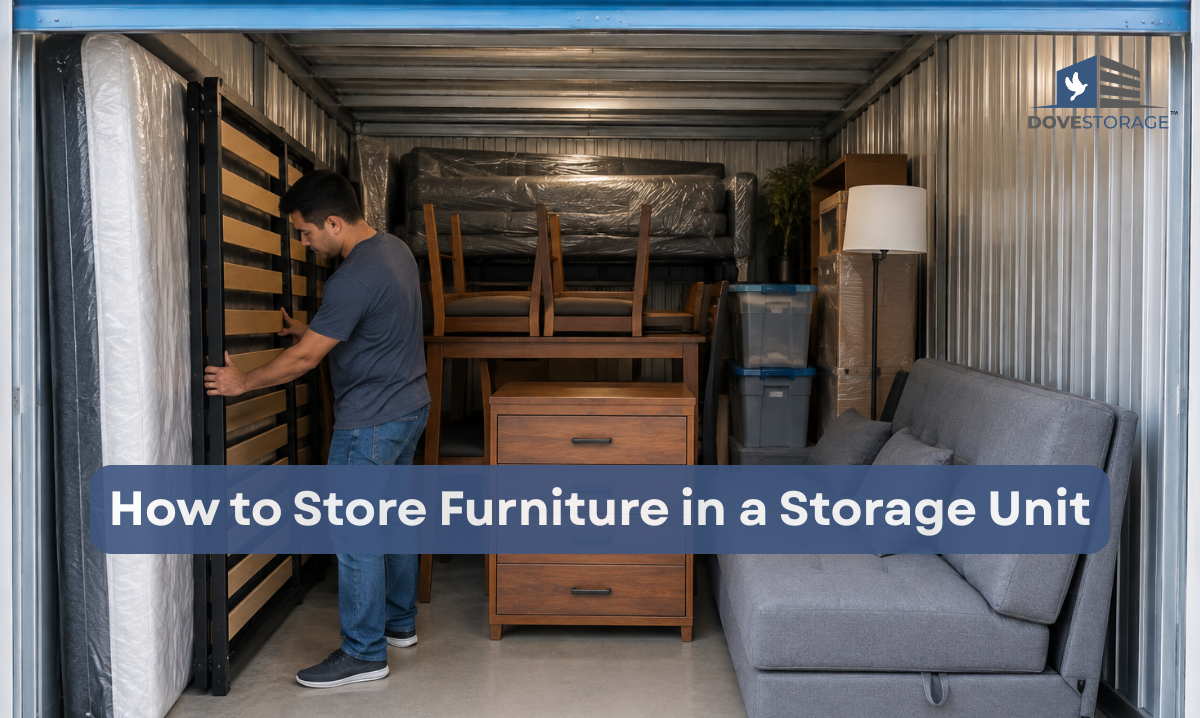
Learn how to store furniture safely in a storage unit with tips for cleaning, packing, protecting, organizing, and choosing the right storage space.
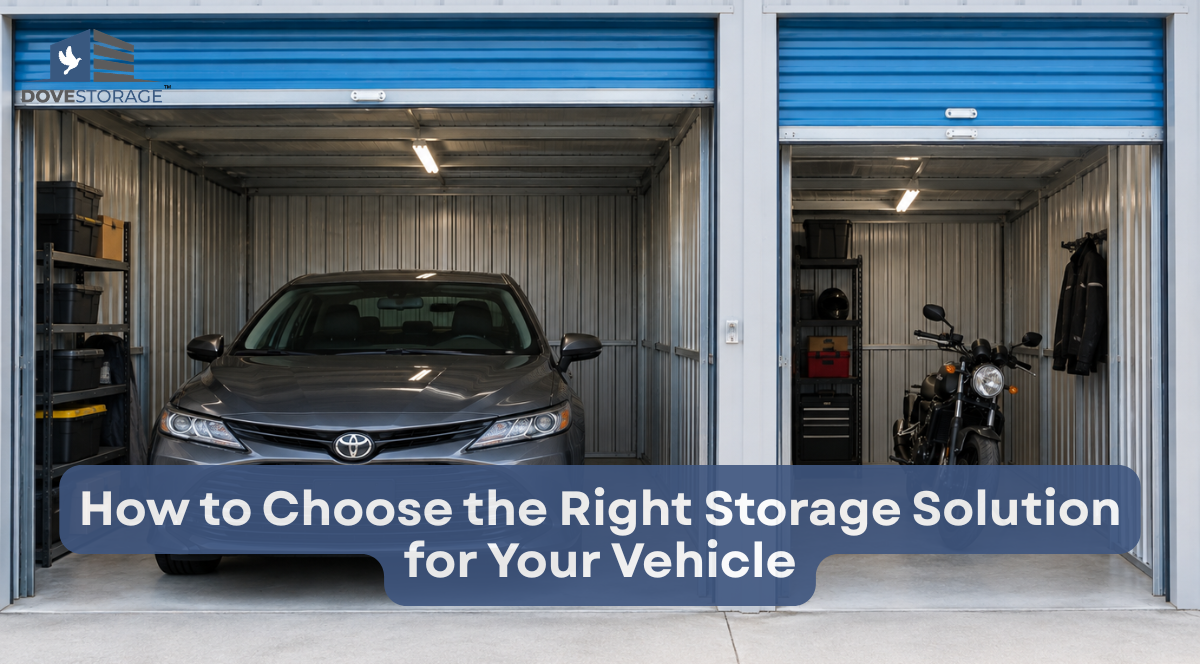
Learn how to choose the right vehicle storage solution based on size, access, security, protection, and budget for cars, motorcycles, boats, and more.
Should you rent a storage unit before or after moving? Learn how self-storage can simplify packing, moving between homes, downsizing, and settling into your new space.
Declutter your home without feeling overwhelmed with simple, manageable steps for sorting, organizing, storing, donating, and creating a more functional space.
Not sure if you need a storage unit? Discover common signs it’s time for extra space, from home clutter and moving to downsizing, seasonal storage, and business needs.
Save money on self-storage with practical tips for choosing the right unit size, comparing prices, packing efficiently, decluttering, and maximizing your storage budget.
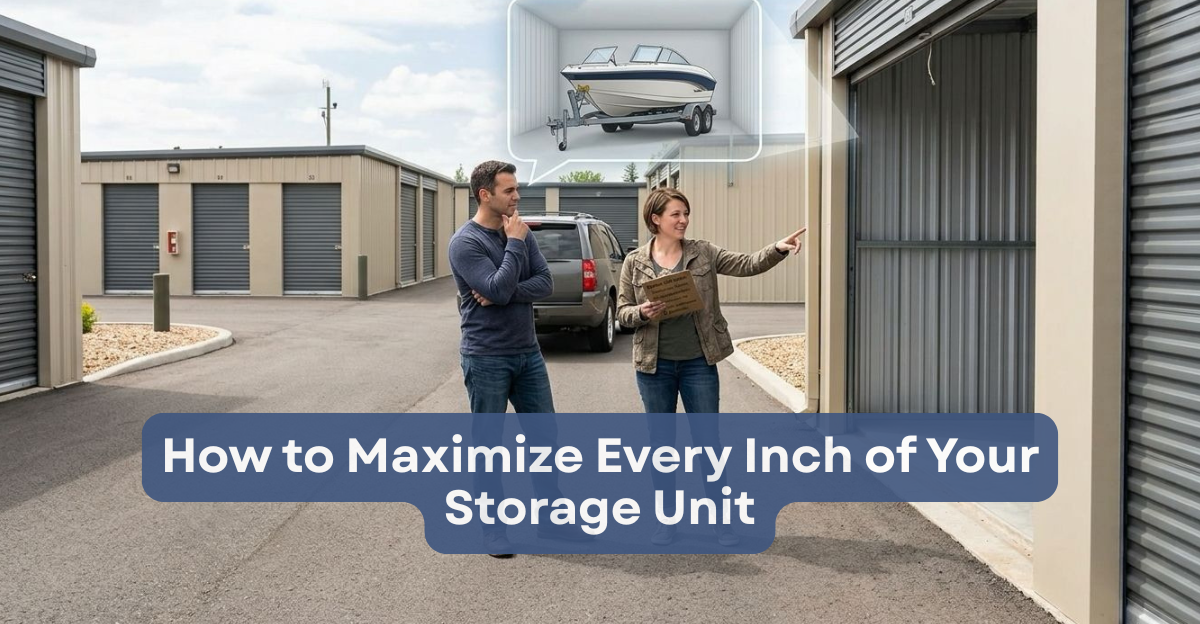
Maximize every inch of your storage unit with smart packing, stacking, labeling, and organization tips that save space while keeping belongings accessible.
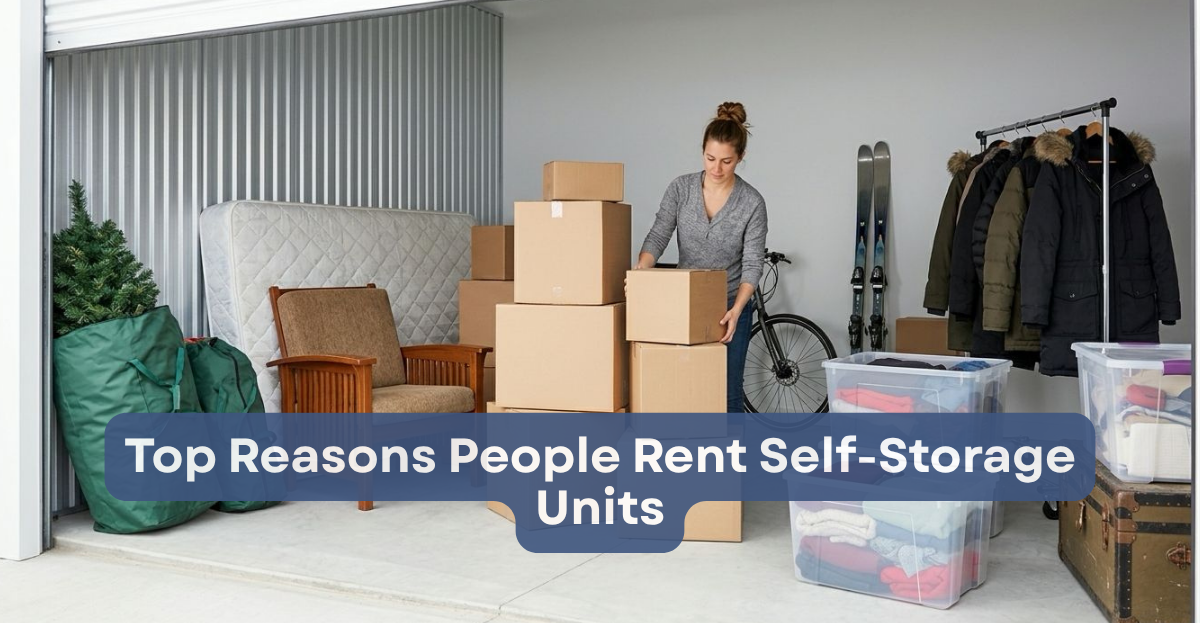
Discover the top reasons people rent self-storage units, from creating more space and moving to storing seasonal items, business inventory, and sentimental belongings.