What to Know Before Storing a Vehicle
Whether you’re storing a car, motorcycle, boat, trailer, or recreational vehicle, proper preparation can make a big difference in protecting your investment. Vehicle storage is a convenient solution during moves, seasonal changes, long trips, or when you simply need extra space at home.
However, storing a vehicle incorrectly can lead to battery issues, tire damage, moisture buildup, and unnecessary wear over time.
The good news is that with the right steps, you can keep your vehicle in excellent condition while it’s in storage. Here’s what you should know before storing a vehicle at a self-storage facility.
1. Choose the Right Type of Vehicle Storage
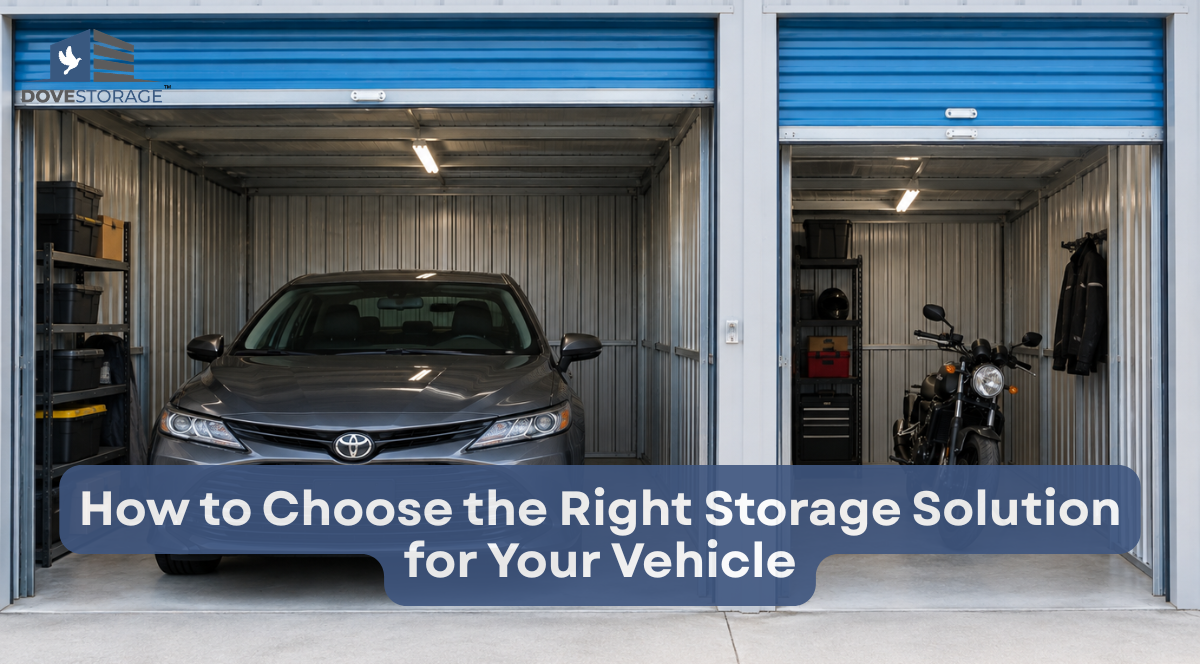
Not all vehicle storage options are the same, so it’s important to select the one that best fits your needs and the type of vehicle you’re storing.
Here are some common options to consider:
Outdoor Parking Storage: Ideal for larger vehicles like RVs, trailers, and boats that need extra space.
Covered Vehicle Storage: Offers added protection from sun, rain, and other weather conditions.
Enclosed Storage Units: Great for cars, motorcycles, and classic vehicles that need additional protection and privacy.
Choosing the right storage setup helps protect your vehicle and makes accessing it easier when needed.
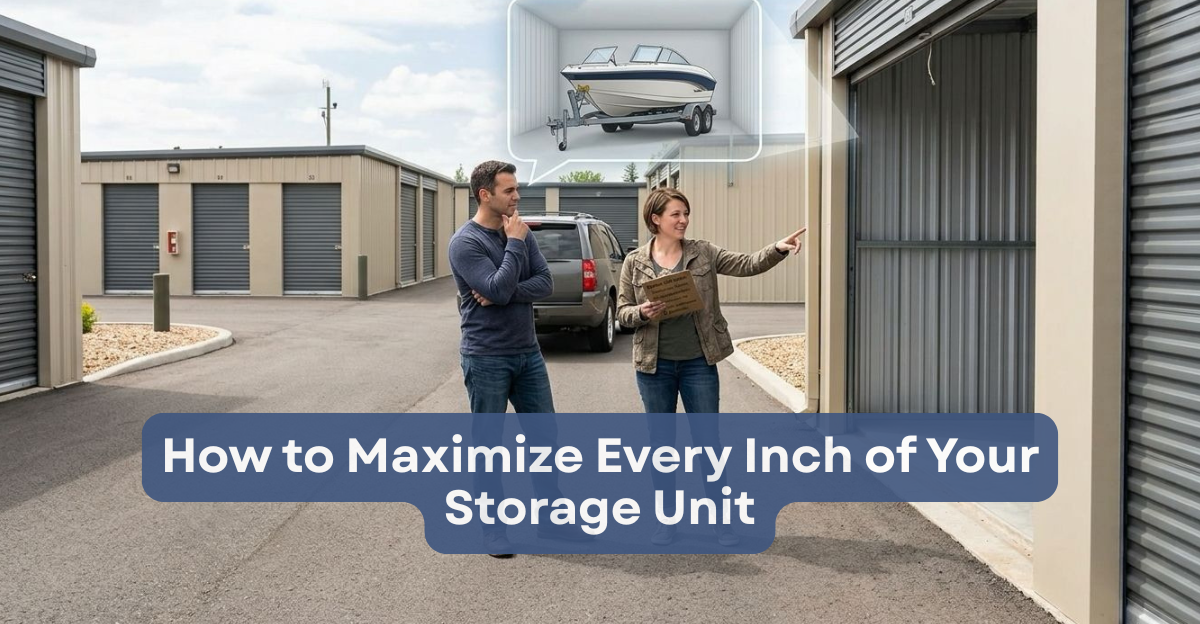
Pro Tip: Measure your vehicle beforehand so you can choose the correct storage space size.
2. Clean Your Vehicle Thoroughly Before Storage
Before placing your vehicle into storage, give it a full cleaning inside and out. Dirt, dust, bird droppings, and moisture can damage paint and surfaces if left sitting for long periods.
Make sure to:
- Wash and dry the exterior completely
- Vacuum the interior
- Remove food, trash, and personal items
- Clean out the trunk and storage compartments
A clean vehicle is less likely to develop odors, stains, or unwanted pest issues while stored.
3. Check Fluids and Maintenance Items
Basic maintenance before storage can help prevent costly issues later.
Before storing your vehicle:
- Top off essential fluids like oil, coolant, and brake fluid
- Check for leaks or maintenance concerns
- Ensure tires are properly inflated
- Consider changing the oil if the vehicle will be stored long-term
Taking care of these small maintenance tasks can help your vehicle stay in better condition during storage.
Pro Tip: Slightly overinflating tires within the recommended range may help reduce flat spots during extended storage periods.
4. Protect the Battery
A vehicle battery can lose charge over time when sitting unused. If you plan to store your vehicle for an extended period, it’s important to prepare the battery properly.
Depending on the length of storage, you may want to:
- Disconnect the battery
- Use a battery maintainer or trickle charger
- Start the vehicle periodically if permitted and practical
Proper battery care helps ensure your vehicle is ready to go when you return.
5. Use a Quality Vehicle Cover
Even when stored indoors or under cover, a breathable vehicle cover adds an extra layer of protection against dust, dirt, and debris.
Choose a cover designed specifically for your type of vehicle and avoid plastic tarps that can trap moisture. A properly fitted cover helps preserve your vehicle’s paint and finish while in storage.
6. Understand Facility Rules and Requirements
Before moving your vehicle into storage, check with the storage facility about any requirements or documentation needed.
Some facilities may require:
- Proof of registration
- Insurance information
- Valid identification
- Vehicle condition requirements
Knowing these details ahead of time helps make the move-in process faster and smoother.
Pro Tip: Ask about vehicle size restrictions and access procedures before reserving your space.
7. Consider Security and Accessibility
When storing a vehicle, peace of mind matters. Choosing a clean, well-maintained facility with strong security measures can help you feel more confident about leaving your vehicle in storage.
Look for features such as:
- Gated access
- Security cameras
- Well-lit storage areas
- On-site management
Accessibility is also important, especially if you plan to retrieve or use your vehicle regularly.
8. Prepare for Long-Term Storage Properly
If your vehicle will be stored for several months, taking a few extra precautions can help preserve its condition.
For long-term vehicle storage:
- Use fuel stabilizer if recommended
- Avoid engaging the parking brake for extended periods
- Place moisture absorbers inside the vehicle
- Visit periodically to inspect the condition if possible
These extra steps can help prevent common storage-related problems and keep your vehicle in better shape over time.
Vehicle storage is more than simply parking your car or RV—it’s about protecting your investment and keeping it ready for future use. With proper preparation and the right storage facility, you can avoid unnecessary wear, save space at home, and enjoy greater peace of mind.
At Dove Storage, we offer clean, secure, and convenient vehicle storage solutions designed to fit a variety of needs. Whether you’re storing a car, boat, trailer, or recreational vehicle, our team is here to help you find the right space for dependable storage and easy access.