How to Prepare Equipment for Long-Term Storage
Whether you’re storing landscaping tools, construction equipment, business machinery, or seasonal gear, proper preparation is essential for keeping your items in good condition during long-term storage. Without the right steps, equipment can develop rust, wear, or damage that shortens its lifespan.
Self-storage offers a practical and secure solution for keeping your equipment protected when not in use. With the right preparation, you can ensure everything stays clean, functional, and ready for future use. Here’s how to do it properly.
1. Start by Cleaning All Equipment Thoroughly
Before placing anything into storage, it’s important to clean every piece of equipment carefully. Dirt, grease, and debris can lead to corrosion or mechanical issues over time.
For tools and machinery, remove mud, oil, and dust using appropriate cleaners. For lawn equipment, make sure grass clippings and residue are fully cleared out. Even small particles can cause long-term damage if left untreated.
Pro Tip: Let everything dry completely before storing to prevent moisture buildup and rust.
2. Perform Basic Maintenance and Repairs
Long-term storage is the perfect time to handle maintenance tasks you might otherwise delay. This helps ensure your equipment is in good condition when you need it again.
Check for worn parts, loose bolts, or leaks. Replace filters, change oil where needed, and top off fluids for machinery that requires it. Sharpen blades on tools like lawnmowers or trimmers to prevent rust and dullness.
Taking care of small issues now can prevent costly repairs later.
3. Drain Fuel and Fluids When Necessary
Fuel and fluids can degrade over time, which may cause damage to engines or internal components. For many types of equipment, it’s best to either drain fuel completely or use a stabilizer before storage.
For gas-powered equipment, follow manufacturer guidelines for storage preparation. This step helps prevent clogging, corrosion, and engine failure.
Pro Tip: Always store batteries separately in a cool, dry place to extend their lifespan.
4. Protect Equipment from Moisture and Dust
Even in a secure storage environment, protecting your equipment from dust and moisture is essential. Proper covering and packaging can significantly extend its condition.
Use durable covers, tarps, or protective wraps designed for equipment storage. For smaller tools, airtight containers or heavy-duty bins work well. If possible, elevate items off the ground using pallets or shelving to avoid contact with any potential moisture.
5. Choose the Right Storage Unit for Your Equipment
Not all storage spaces are the same, and choosing the right type makes a big difference in equipment preservation.
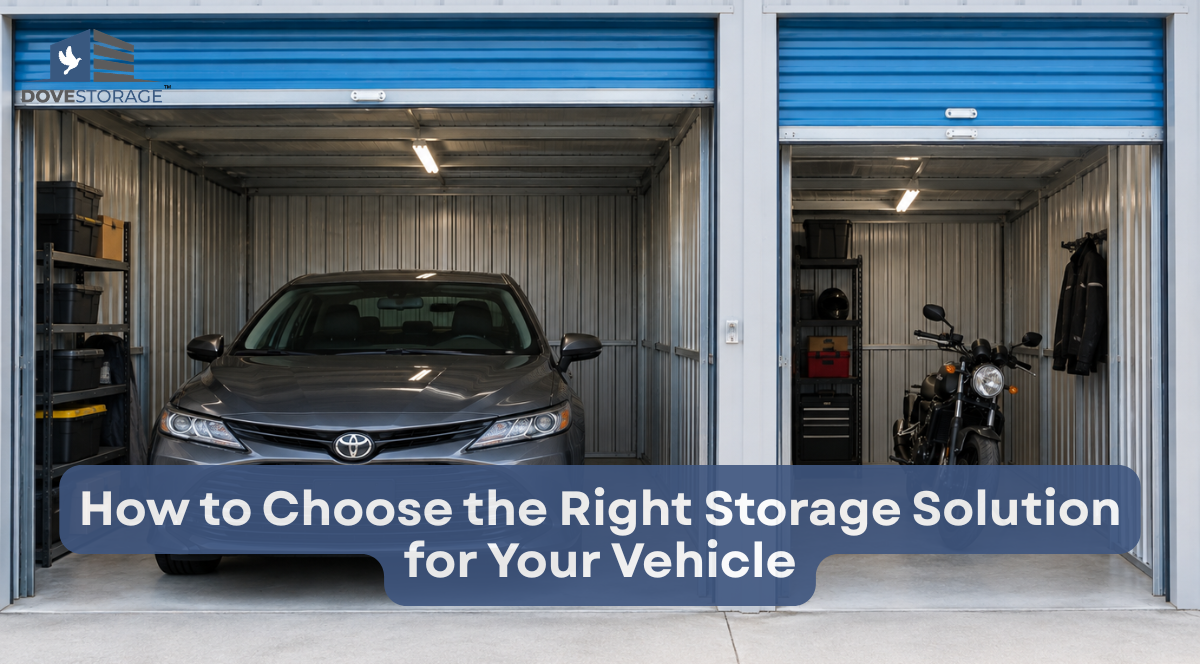
- Drive-up units: Ideal for heavy or bulky equipment that needs easy loading and unloading
- Indoor units: Offer added protection from external conditions
- Climate-controlled units: Best for sensitive tools, electronics, or equipment that may be affected by temperature changes
Selecting the right unit helps ensure your equipment stays in optimal condition during storage.
6. Organize Equipment for Easy Access
Proper organization inside your storage unit makes retrieval easier and prevents unnecessary damage.
Place frequently used or larger items near the front. Keep smaller tools in labeled bins or shelves. Group similar equipment together so you can quickly locate what you need without shifting everything around.
Pro Tip: Create a simple inventory list of all stored items so you always know what’s inside your unit.
7. Use Proper Storage Techniques for Longevity
How you place and store your equipment matters just as much as how you prepare it.
Avoid stacking heavy items on top of delicate tools. Use shelving whenever possible to maximize space and improve airflow. Keep sharp tools safely secured and ensure cords, hoses, and attachments are neatly coiled to prevent tangling or damage.
Good organization reduces wear and keeps your storage space efficient.
8. Check on Your Equipment Periodically
Even in long-term storage, it’s a good idea to check your equipment occasionally. This helps you catch any early signs of rust, leaks, or damage before they become bigger issues.
During your visits, inspect covers, check for moisture, and ensure everything remains properly organized. If needed, perform minor maintenance to keep everything in good shape.
Proper preparation is the key to extending the life of your equipment. By cleaning, maintaining, and storing everything correctly, you can avoid costly repairs and ensure your tools are ready when you need them again.
A self-storage unit provides a secure and convenient solution for keeping valuable equipment safe during long periods of non-use.
At Dove Storage, we offer clean, secure, and affordable storage solutions designed for both personal and business needs. Visit Dove Storage today to find the right space to protect your equipment and keep it in top condition.