RV and Boat Storage: What You Should Consider
Owning an RV or boat brings freedom, adventure, and unforgettable memories—but when the trip is over, finding the right place to store your vehicle becomes an important part of protecting your investment. Keeping an RV or boat parked at home isn’t always practical, especially when space is limited or neighborhood restrictions apply.
That’s where self-storage can help. Choosing the right RV and boat storage solution can keep your vehicle secure, organized, and ready for your next getaway. Before selecting a storage facility, here are the most important things to consider.
1. Choose the Right Storage Size
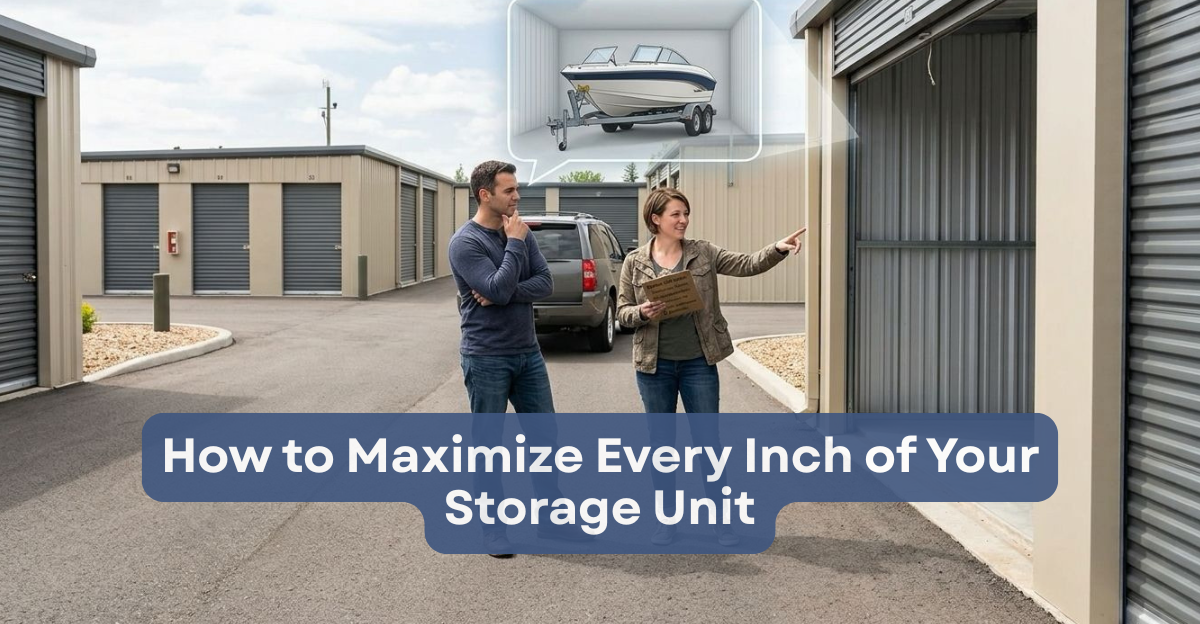
Not all RVs and boats are the same size, so it’s important to find a storage space that comfortably fits your vehicle.
Before renting a space, measure:
- The full length of your RV, boat, or trailer
- The height and width, including accessories or attachments
- Additional clearance needed for maneuvering
Having the correct dimensions helps prevent tight parking situations and makes accessing your vehicle much easier.
Pro Tip: Leave a little extra room for easier parking, loading, and maintenance access.
2. Consider Indoor vs. Outdoor Storage
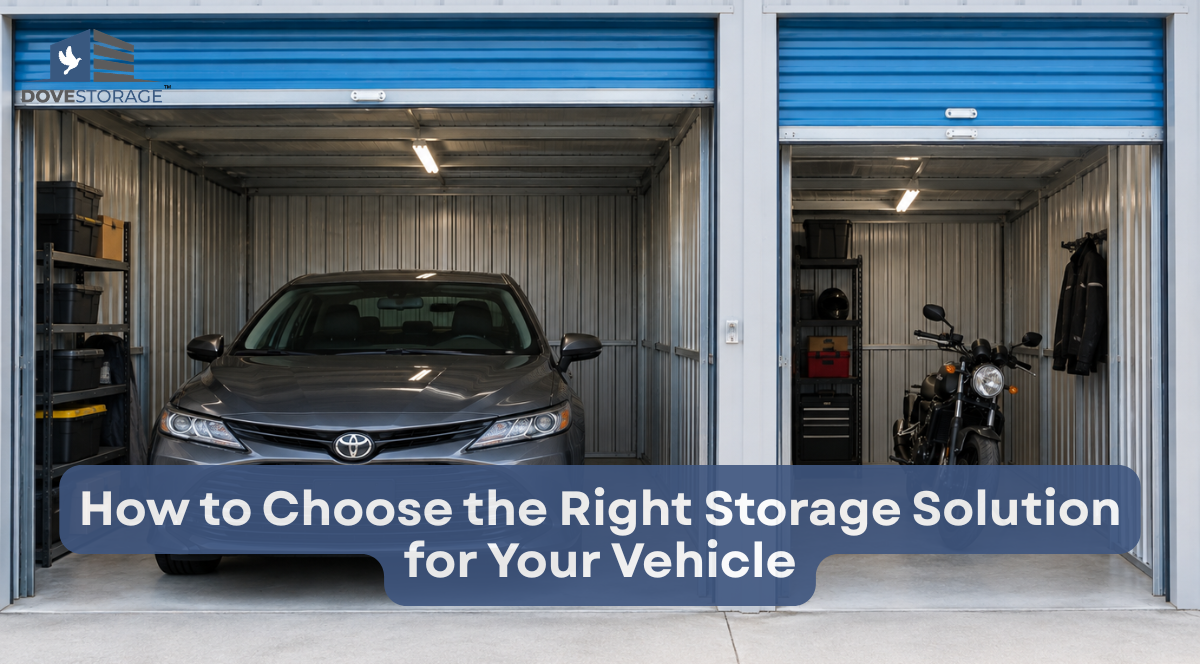
Different storage types offer different levels of protection and convenience. Choosing the best option depends on your vehicle, budget, and how often you use it.
Here are common storage options:
Outdoor Storage:
A practical solution for larger RVs, trailers, and boats that need accessible parking space.
Covered Storage:
Provides additional protection from sun, rain, and other outdoor elements while still offering convenient access.
Indoor Storage:
Ideal for high-value or weather-sensitive vehicles that benefit from extra protection from dust, moisture, and temperature changes.
If you plan to store your vehicle long-term, additional protection can help preserve its condition over time.
3. Look for Strong Security Features
Your RV or boat is a major investment, so security should be a top priority when selecting a storage facility.
Look for features such as:
- Gated access
- Security cameras
- Well-lit areas
- Secure perimeter fencing
- On-site management or monitoring
A clean and professionally maintained facility is often a good sign that security and customer care are taken seriously.
Pro Tip: Remove valuables and important documents from your vehicle before placing it into storage.
4. Prepare Your Vehicle Before Storage
Proper preparation can help prevent maintenance issues while your RV or boat is stored.
Before storing your vehicle:
- Clean both the interior and exterior
- Remove food and perishable items
- Disconnect batteries if storing long-term
- Check tire pressure
- Cover vents or openings if needed
- Drain water systems when appropriate
Taking a little extra time upfront can help keep your vehicle in better condition and ready for your next trip.
5. Think About Accessibility and Convenience
Convenience matters—especially if you plan to use your RV or boat regularly throughout the year.
Consider questions like:
- Is the facility easy to access from major roads or highways?
- Is there enough room to maneuver large vehicles comfortably?
- Can you easily load and unload gear when needed?
A well-designed storage facility can make pickups and drop-offs much smoother and less stressful.
6. Understand Local Parking Restrictions
Many neighborhoods and homeowners associations limit or prohibit RV and boat parking at home. Even when allowed, large vehicles can take up valuable driveway or yard space.
Using a dedicated storage facility helps free up space at home while keeping your vehicle stored in a more organized and secure environment.
For many owners, storage is not just about convenience—it’s also about protecting curb appeal and avoiding local parking issues.
7. Protect Your Investment Long-Term
RVs and boats are exposed to wear from weather, moisture, dirt, and extended inactivity. Proper storage can help extend the lifespan of your vehicle and reduce unnecessary maintenance costs over time.
Choosing a reliable storage facility helps protect:
- Paint and exterior finishes
- Tires and batteries
- Upholstery and interiors
- Mechanical systems
A little preventative care now can help avoid expensive repairs later.
8. Choose a Facility You Can Trust
Not all storage facilities offer the same level of service and care. Reading reviews, checking property conditions, and speaking with staff can help you feel more confident in your decision.
Look for a facility that prioritizes:
- Cleanliness
- Professional customer service
- Well-maintained grounds
- Flexible storage solutions
- Secure vehicle storage options
A trustworthy facility gives you peace of mind knowing your RV or boat is being stored responsibly.
Finding the right RV and boat storage solution is about more than just parking space—it’s about protecting your investment, creating convenience, and keeping your vehicle ready for your next adventure. By considering factors like size, security, accessibility, and storage type, you can make a smarter long-term decision for your vehicle.
At Dove Storage, we offer clean, secure, and convenient storage solutions designed to help protect your RV, boat, and recreational vehicles. Visit Dove Storage today to explore storage options that fit your needs and lifestyle.