
Can You Get Your Belongings Back After an Auction Is Scheduled?
Dove Storage • May 30, 2025
When a storage unit tenant falls behind on rent, storage facilities in the U.S. may schedule an auction to sell the contents of the unit. But what if you're the renter and you want to get your belongings back after the auction has already been scheduled? Is it too late? Fortunately, the answer is not always. Here's what you need to know.
Understanding the Storage Lien Process
When you sign a self-storage rental agreement, you're agreeing to certain terms, including timely monthly payments. If you fall behind, most states allow storage facility owners to place a lien on the contents of the unit. This means the facility has a legal right to sell your items to recover the unpaid rent.The storage lien process is regulated by state laws, but many follow similar steps:
Grace Period
– After a missed payment, there’s usually a grace period (often 5–30 days).
Notice of Default
– If you remain delinquent, the facility must notify you in writing that your account is in default.
Auction Notice
– If payment isn’t received, you’ll be notified of an upcoming auction, usually with a minimum number of days' notice (typically 14 days or more).
Auction Date Set
– A date is scheduled and may be advertised publicly, often online or in local publications.
Can You Get Your Stuff Back After an Auction Is Scheduled?
The short answer is yes, but there’s a deadline. Up until the actual moment the unit is auctioned off—and sometimes even slightly after—you may still be able to reclaim your belongings. Here’s how:
1. Pay the Balance Before the Auction
Most facilities will allow you to stop the auction by paying the full past-due balance, including:
Rent owed
Late fees
Any auction-related fees (like advertising)
Once the balance is cleared, the facility cancels the auction, and you regain full access to your unit.
Pro tip: Call the storage facility as soon as possible and ask for a detailed breakdown of the amount due. Don’t wait until the last minute—some facilities require payment by the day before the auction.
2. Request a Payment Plan (if available)
Some storage facilities may offer a short-term payment plan or delay the auction if you show intent to pay. While not guaranteed, it never hurts to ask. Be honest about your financial situation and make a good-faith effort to pay what you can. Note: Not all states require facilities to offer payment plans, and many won’t once the auction date is set.
3. Recovering Items After the Auction Begins
If the auction has started or already taken place, your options become limited, but not impossible:
If the unit hasn’t sold yet:
If the auction is live and your unit hasn’t come up yet, you may still be able to pay in full and stop the sale. This depends entirely on the facility’s policy and state law.
If the unit was sold:
Once the unit is sold, ownership of the contents typically transfers to the winning bidder. However, some bidders may be willing to return personal items (like photos or documents) out of courtesy. You can try contacting the facility to connect you with the buyer.
What Happens If You Do Nothing?
If you ignore notices and don’t pay by the auction date, your belongings will likely be sold. Facilities are usually only trying to recoup lost rent, not profit. The winning bid might be less than your debt, but any remaining balance still belongs to you unless your contract says otherwise.
Note: Some states require storage operators to refund surplus proceeds from the auction after deducting the owed rent and fees. You may be entitled to the extra money, but only if you follow up.
Legal Protections and State Variations
Each state in the U.S. has its laws governing storage liens and auctions. For example:
California requires at least 14 days’ notice and allows for reclaiming items before the auction.
Texas permits email notifications if agreed upon in the lease.
Florida requires a notice of sale to be published in a newspaper or online platform.
Always check your lease agreement and local laws to understand your rights and deadlines.
Preventing Auction Situations in the Future
To avoid losing your belongings:
Set up autopay to prevent missed payments.
Communicate early if you’re struggling financially—some facilities are willing to work with you.
Know your lease terms, including grace periods and late fees.
Update your contact info so you never miss important notices.
If your storage unit is headed for auction, it’s not too late to act. By understanding your rights, communicating with the facility, and paying your balance promptly, you may be able to recover your belongings, even after an auction is scheduled. But time is critical—waiting too long may mean your items are gone for good. Stay informed, act quickly, and always read your storage contract thoroughly to avoid surprises down the line.
Facing storage payment issues or need a reliable self-storage provider? Visit www.dovestorage.com
to explore affordable storage options and talk to a team that values transparency and flexibility. Don’t wait—protect your belongings and regain peace of mind today.
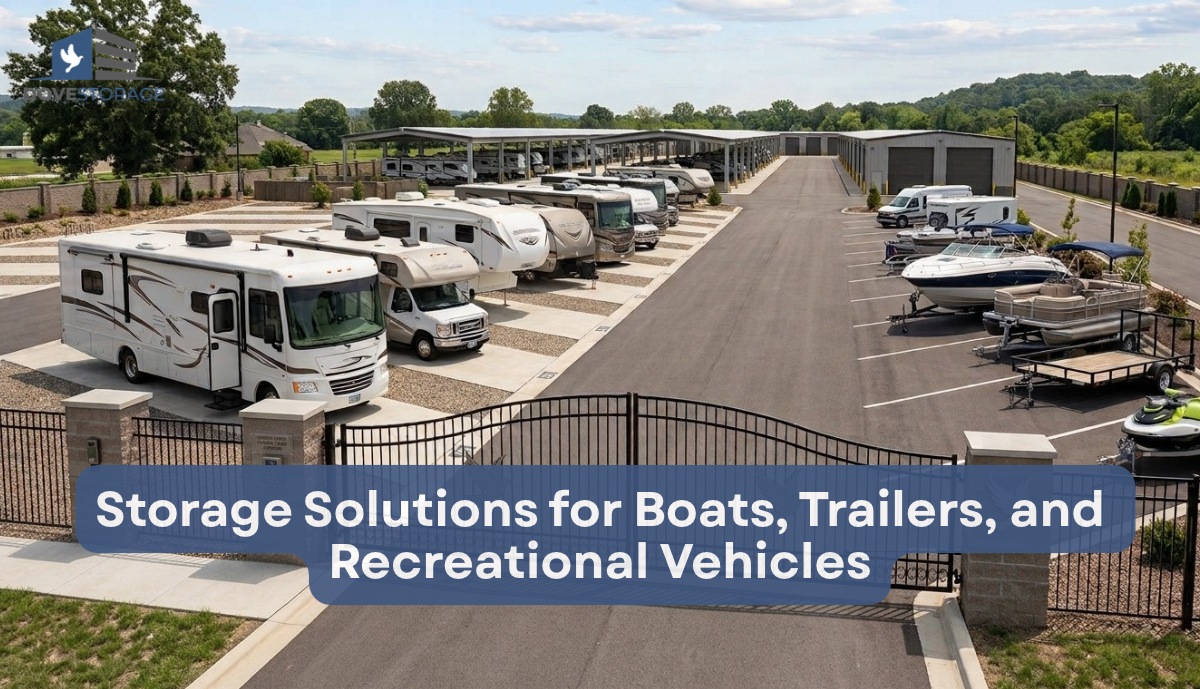
Explore storage solutions for boats, trailers, and RVs. Learn how to choose suitable vehicle storage, prepare equipment, protect it from weather, and free up space at home.
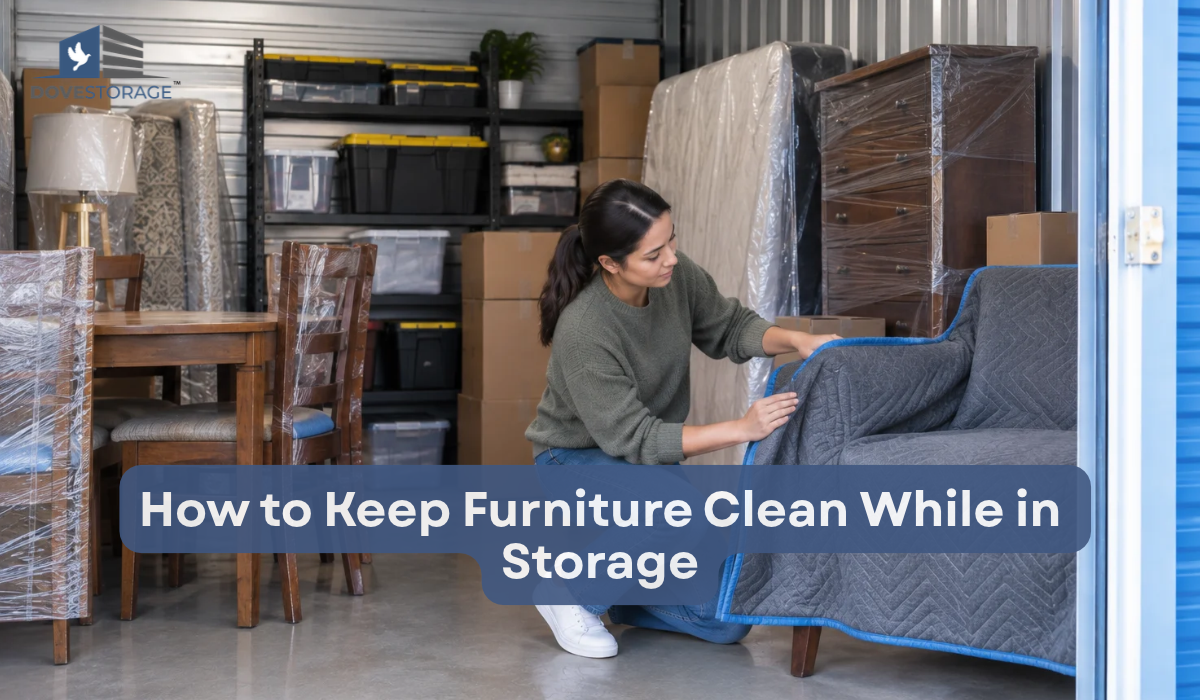
Learn how to keep furniture clean while in storage with tips for cleaning, protective covers, moisture prevention, proper organization, and long-term furniture care.
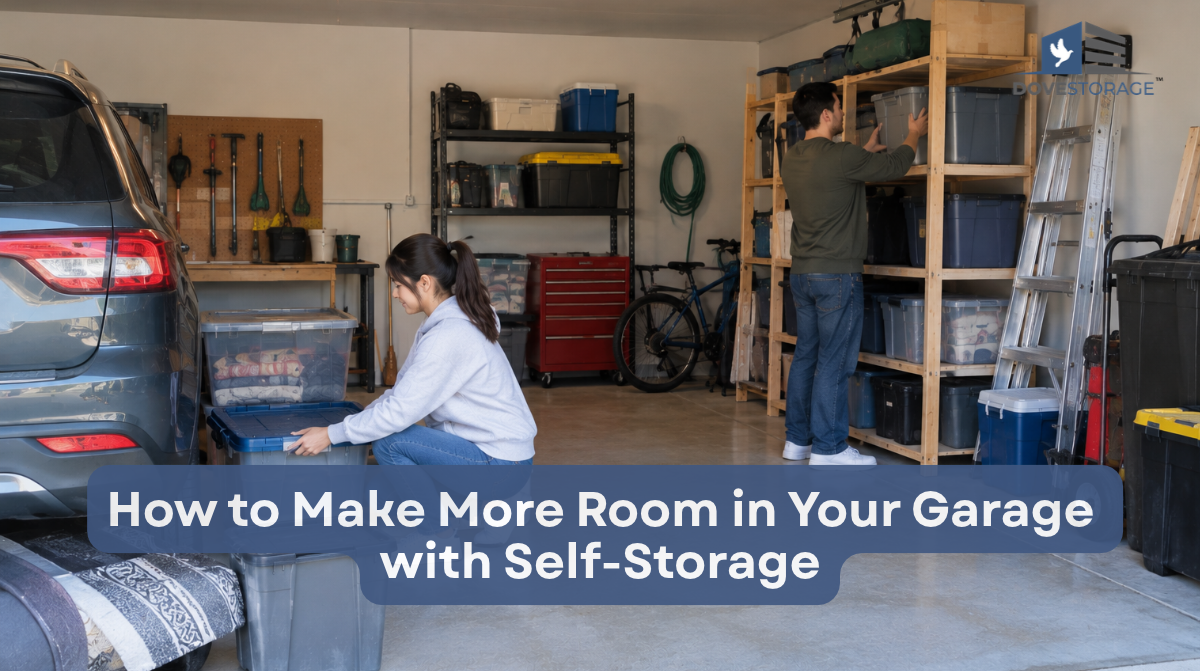
Make more room in your garage with self-storage. Discover tips for decluttering, organizing, storing seasonal items, and reclaiming valuable space.
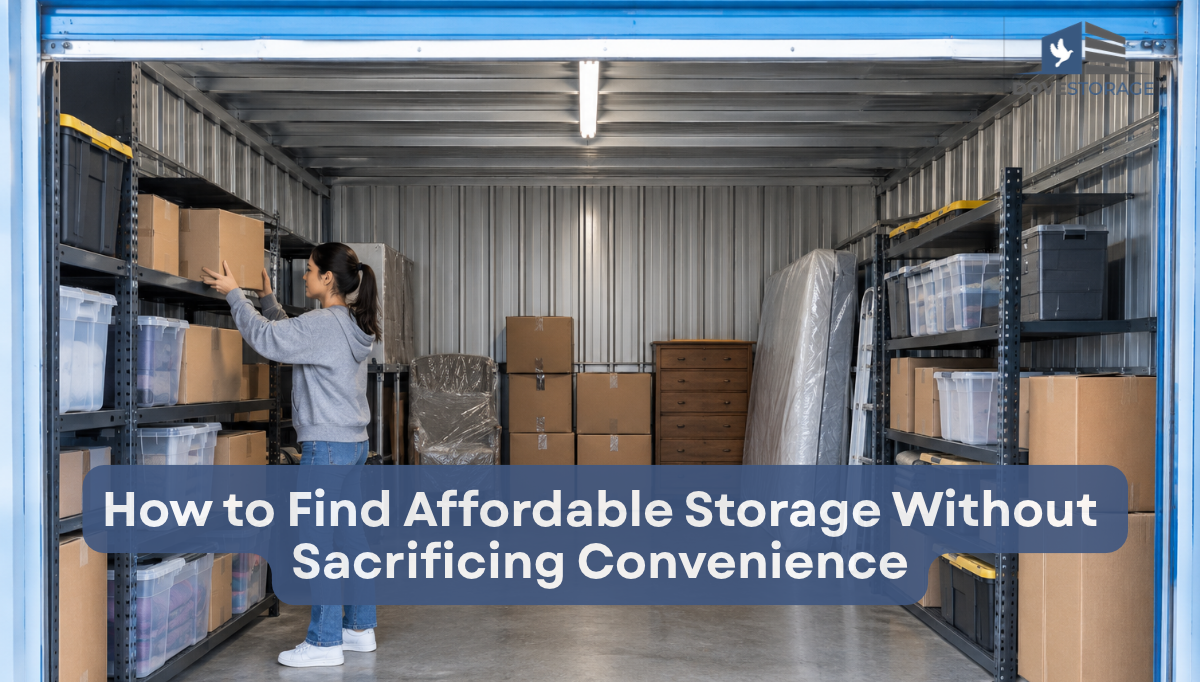
Discover how to find affordable self-storage without sacrificing convenience with tips on unit sizes, rental costs, location, security, and flexible storage options.
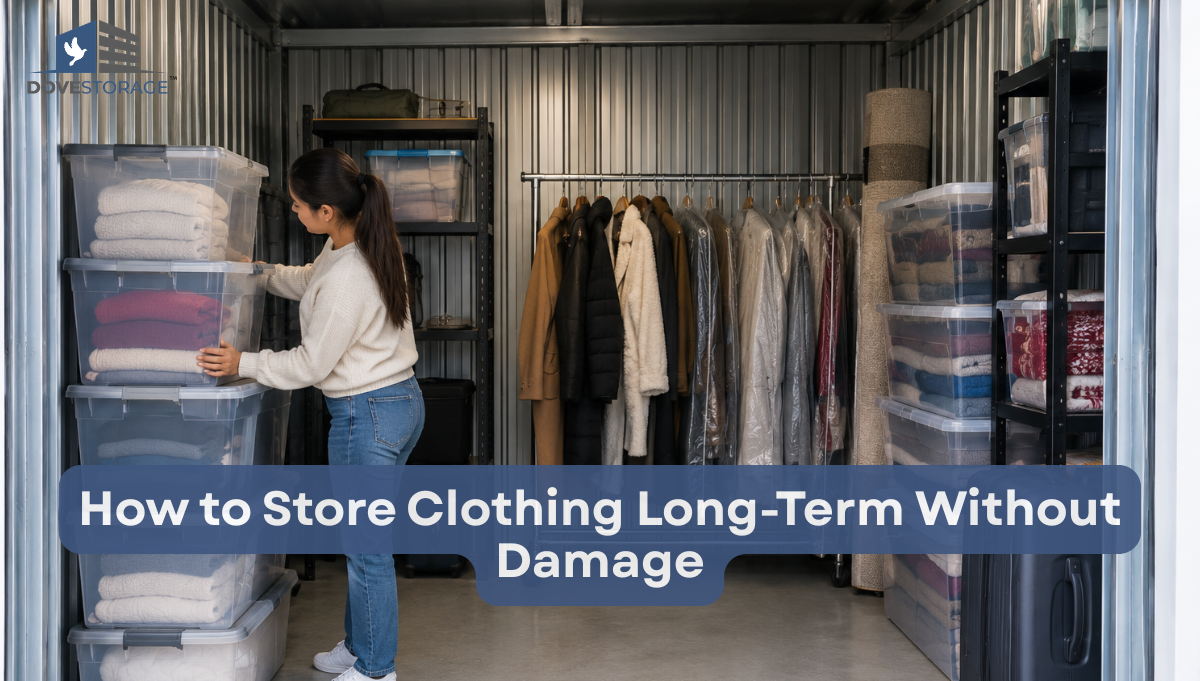
Learn how to store clothing long-term without damage with tips for cleaning, packing, moisture protection, organization, and choosing the right storage environment.
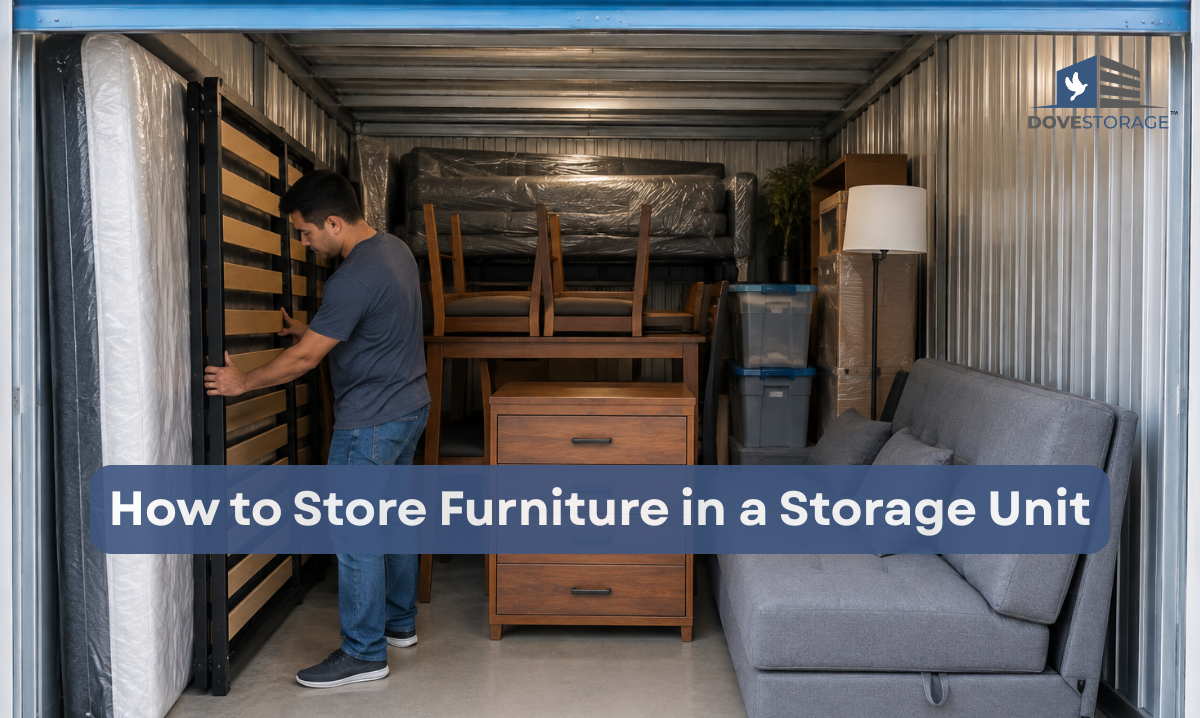
Learn how to store furniture safely in a storage unit with tips for cleaning, packing, protecting, organizing, and choosing the right storage space.
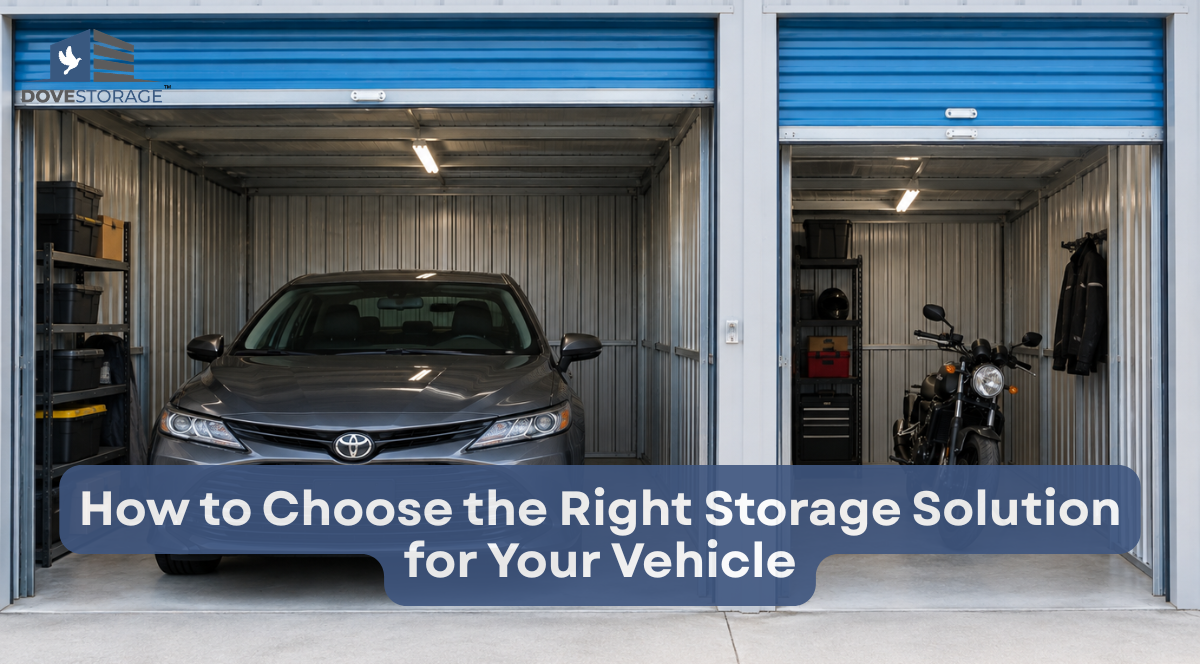
Learn how to choose the right vehicle storage solution based on size, access, security, protection, and budget for cars, motorcycles, boats, and more.
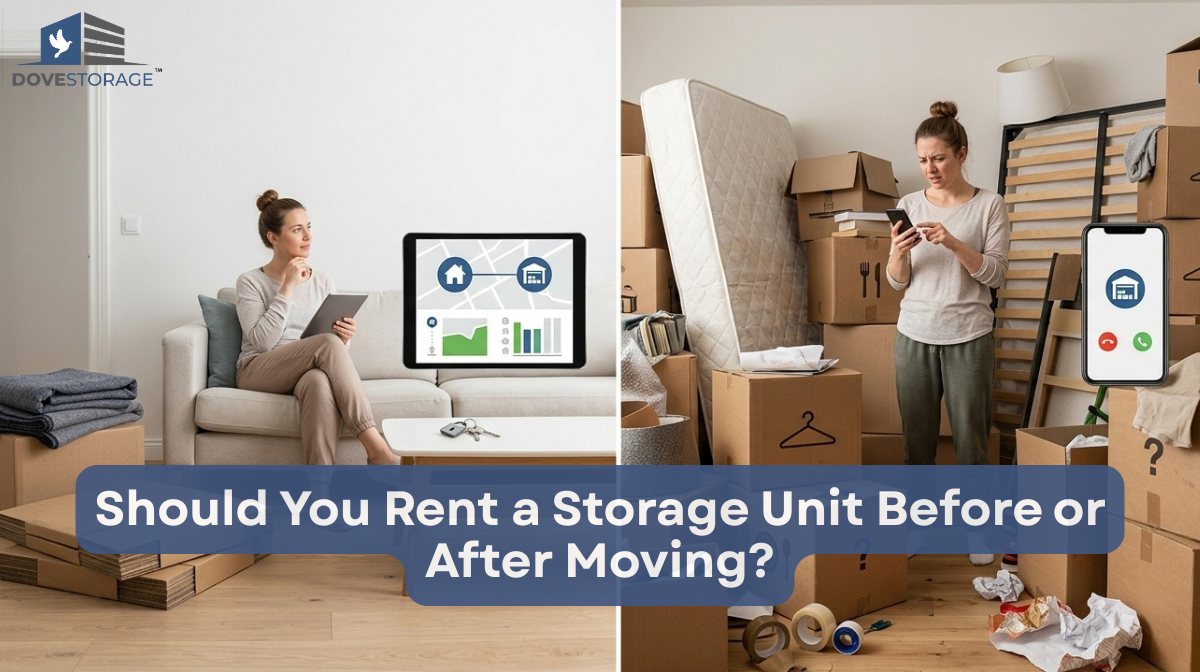
Should you rent a storage unit before or after moving? Learn how self-storage can simplify packing, moving between homes, downsizing, and settling into your new space.
Declutter your home without feeling overwhelmed with simple, manageable steps for sorting, organizing, storing, donating, and creating a more functional space.
Not sure if you need a storage unit? Discover common signs it’s time for extra space, from home clutter and moving to downsizing, seasonal storage, and business needs.