Best Practices for Long-Term Self-Storage
Whether you're relocating, downsizing, serving in the military, traveling for an extended period, or simply need extra space, long-term self-storage can be an excellent solution. However, storing your belongings for months—or even years—requires more than simply placing boxes in a storage unit and locking the door.
Proper preparation, organization, and choosing the right storage unit can help keep your items in excellent condition until you're ready to use them again. By following a few best practices, you can protect your belongings, maximize your storage space, and enjoy greater peace of mind. Here's how to prepare for successful long-term self-storage.
1. Choose the Right Storage Unit
Selecting the appropriate storage unit is the first step toward protecting your belongings over the long term. Different items have different storage requirements, so it's important to choose a unit that fits both your space and preservation needs. If you're unsure which option is right for you, read our guide on How to Choose the Right Storage Unit for Your Needs.
Here are a few options to consider:
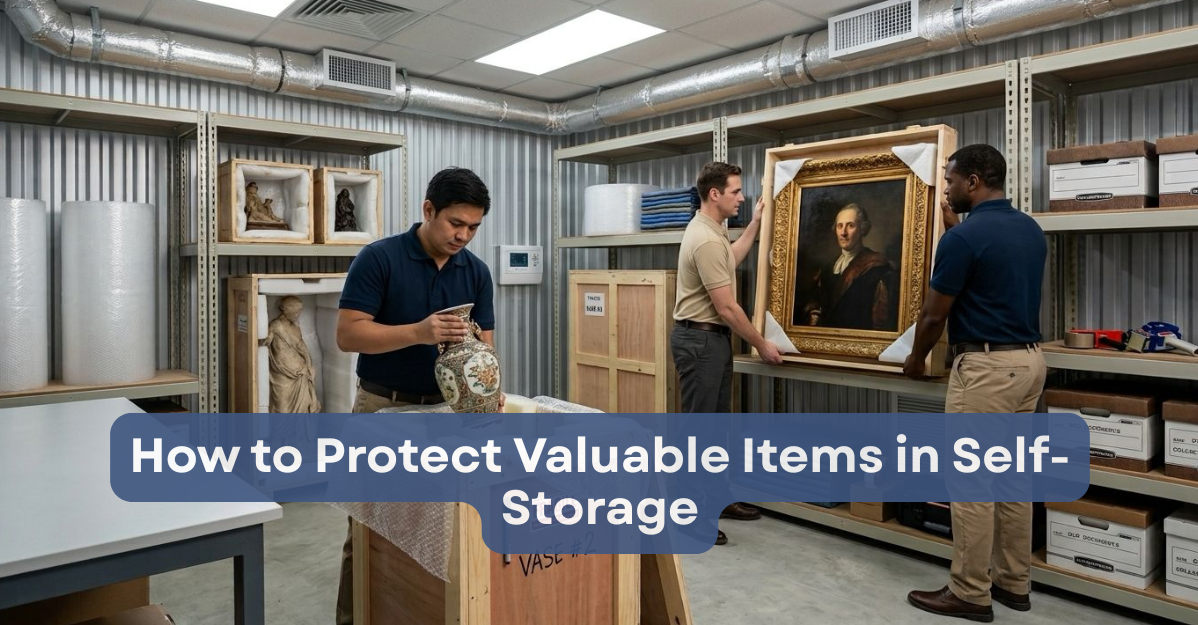
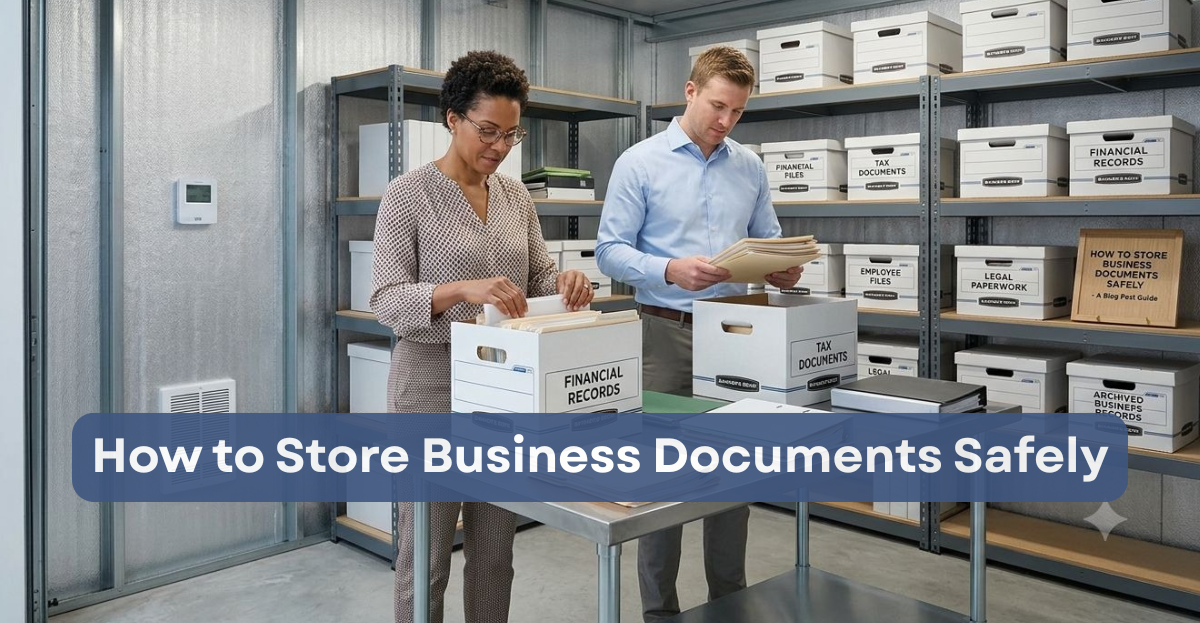
Climate-Controlled Units: Ideal for sensitive items such as wooden furniture, electronics, photographs, artwork, musical instruments, and important documents. These units help maintain a more consistent environment throughout the year. Learn more about climate-controlled and standard storage options in our blog.
Drive-Up Units: Perfect for storing large furniture, appliances, or heavy equipment that you may need to load or unload with ease.
Indoor Units: Offer additional protection from outdoor elements and provide a convenient environment for many household and business items.
Choosing the right storage unit from the start helps reduce the risk of damage while making future access easier.
Pro Tip: If you're storing valuable or delicate items for several months or longer, a climate-controlled unit is often the best investment.
2. Clean Everything Before Storing It
Dirt, dust, moisture, and food residue can cause damage over time if items are stored without proper cleaning.
Before placing anything into storage:
- Wash and thoroughly dry clothing and linens.
- Clean furniture to remove dust and dirt.
- Wipe down appliances and leave doors slightly open to prevent odors.
- Empty and clean refrigerators, freezers, and coolers.
- Vacuum upholstered furniture and mattresses.
Starting with clean belongings helps prevent mold, mildew, stains, and unpleasant odors during long-term storage.
Pro Tip: Never store damp items, as trapped moisture can lead to mold and mildew growth.
3. Use High-Quality Packing Supplies
The quality of your packing materials plays a major role in protecting your belongings over time.
Choose durable supplies such as:
- Sturdy moving boxes
- Plastic storage bins for moisture-sensitive items
- Bubble wrap or packing paper for fragile belongings
- Furniture covers for sofas and mattresses
- Heavy-duty packing tape
Avoid using damaged boxes or overpacking containers, which can weaken over time and collapse under heavy weight.
Proper packing materials provide better protection and help your items stay organized throughout their time in storage. For additional packing strategies, check out our blog on Tips for Packing and Organizing Your Storage Unit Efficiently.
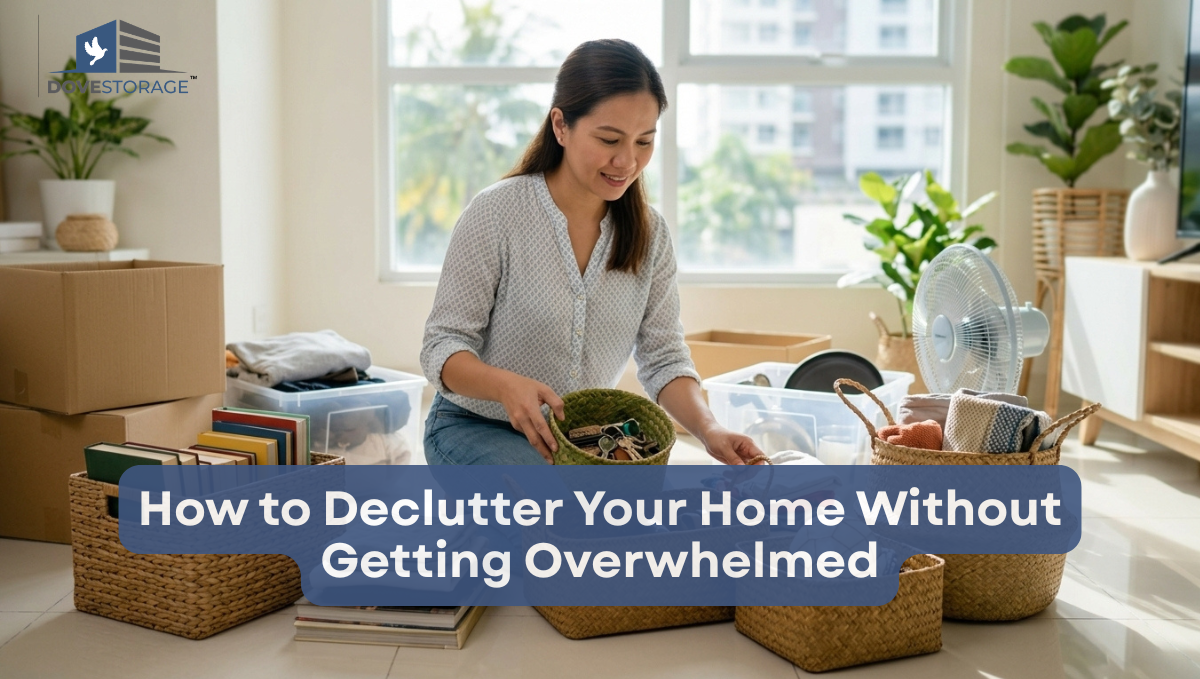
4. Organize Your Storage Unit for Easy Access
Even if you don't plan to visit your storage unit often, organizing it properly will save time whenever you do need something.
Consider these organization tips:
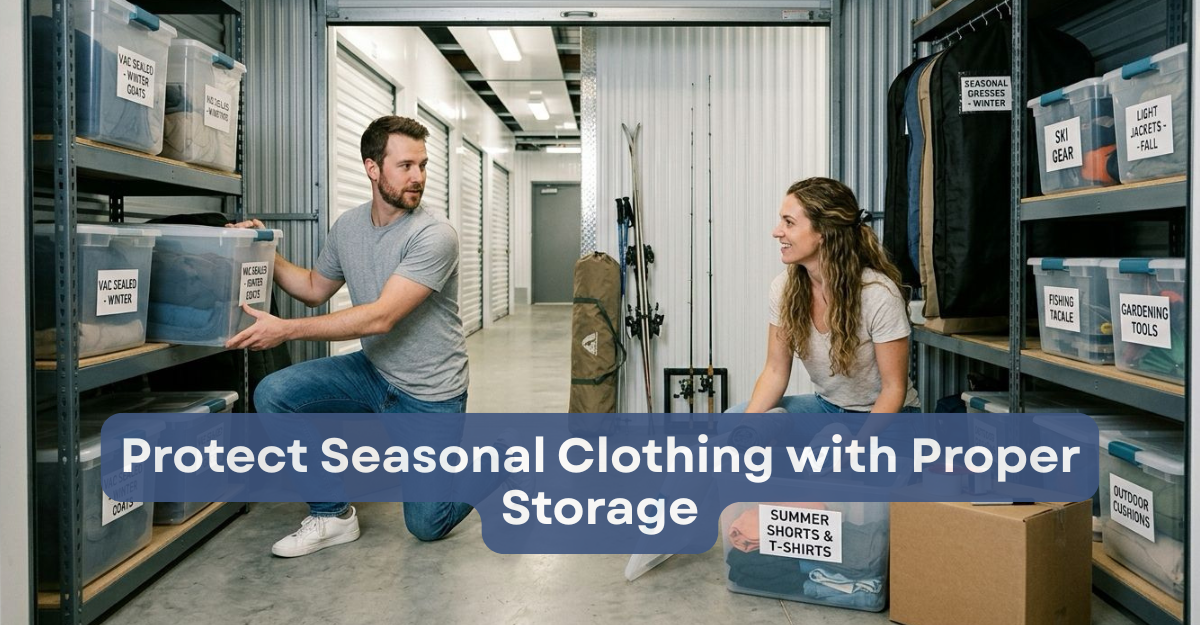
- Label every box clearly.
- Store similar items together.
- Place heavier boxes on the bottom.
- Keep frequently needed items near the front.
- Leave a small walkway through the center of the unit.
Creating an organized layout makes it easier to locate items without unpacking the entire unit.
Pro Tip: Keep an inventory list of everything you store, including box numbers and contents.
5. Protect Furniture and Large Items
Large household items require special attention during long-term storage.
To help preserve furniture:
- Disassemble tables, bed frames, and shelving whenever possible.
- Store mattresses flat using protective covers.
- Cover furniture with breathable fabric covers instead of plastic.
- Avoid placing heavy boxes directly on upholstered furniture.
Wood furniture can also benefit from occasional polishing before storage to help preserve its finish.
Taking these extra steps can significantly extend the life of your furniture while it's in storage.
6. Store Items to Maximize Airflow
Packing every inch of your storage unit may seem efficient, but allowing for proper airflow helps reduce moisture buildup and makes inspections easier.
When arranging your unit:
- Leave small gaps between walls and stored items.
- Elevate boxes and furniture slightly off the floor using pallets or shelving if appropriate.
- Avoid stacking boxes too tightly.
Good airflow contributes to a cleaner storage environment and helps protect your belongings over time.
7. Visit Your Storage Unit Periodically
Long-term storage doesn't mean forgetting about your belongings entirely.
If possible, check on your storage unit every few months to:
- Inspect boxes for signs of moisture or shifting.
- Ensure furniture covers remain in place.
- Rotate or reorganize items if necessary.
- Update your inventory if you've added or removed anything.
Regular visits allow you to catch small issues before they become larger problems.
Pro Tip: Schedule reminders on your calendar to inspect your storage unit a few times each year.
8. Store Only Items Suitable for Self-Storage
Not everything belongs in a storage unit. Avoid storing items that could create safety or maintenance issues.
Examples include:
- Perishable food
- Live plants
- Hazardous or flammable materials
- Illegal items
- Wet or moldy belongings
Checking your storage facility's guidelines before moving in helps ensure a smooth storage experience. If you're new to self-storage, our Beginner's Guide to Renting a Storage Unit offers additional helpful information.
Long-term self-storage is an excellent way to protect belongings you don't currently need while freeing up valuable space at home or at work. By choosing the right storage unit, packing carefully, organizing efficiently, and checking on your items periodically, you can help ensure everything stays in great condition until you're ready to use it again.
At Dove Storage, we provide clean, secure, and affordable self-storage solutions designed to meet a variety of long-term storage needs. Whether you're storing household items, business inventory, furniture, or seasonal belongings, we're here to help you find the right storage unit for your situation. You can also explore our guide on How to Prepare Your Items for Long-Term Storage for even more expert advice.
Visit Dove Storage today to discover a storage solution that gives you confidence and convenience.