A Beginner's Guide to Renting a Storage Unit
Renting a storage unit for the first time can feel overwhelming. With different unit sizes, storage options, and features to consider, it's easy to wonder where to begin. Whether you're moving, decluttering, renovating, or simply need extra space, self-storage offers a convenient and flexible solution for both homeowners and businesses.
The good news is that renting a storage unit doesn't have to be complicated. By understanding the basics and planning ahead, you can find the right storage solution for your needs and make the most of your space. Here's a beginner's guide to help you get started.
1. Determine What You Need to Store
Before choosing a storage unit, take inventory of the items you plan to store. Knowing what you're storing will help you determine the appropriate unit size and any special storage requirements.
Consider questions like:
- Are you storing furniture, boxes, or appliances?
- Will you need to access your items frequently?
- Are any of your belongings sensitive to temperature or humidity?
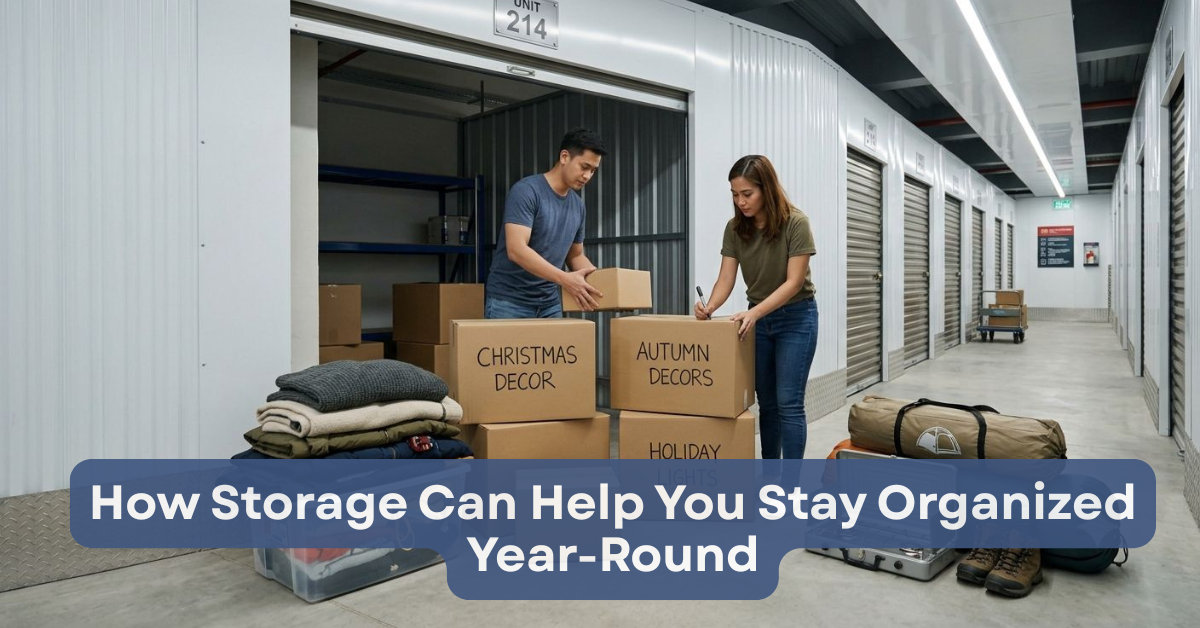
Common items stored in self-storage include seasonal decorations, household furniture, business inventory, sporting equipment, and personal keepsakes.
Pro Tip: Create a list of your belongings before moving them into storage. This makes organization and retrieval much easier later.
2. Choose the Right Storage Unit Size
One of the most common mistakes first-time renters make is choosing the wrong unit size. Renting a unit that's too small can lead to overcrowding, while choosing one that's too large may mean paying for space you don't need.
While exact needs vary, here are some general guidelines:
- Small Units: Great for boxes, seasonal items, and small furniture.
- Medium Units: Ideal for the contents of one or two rooms.
- Large Units: Suitable for storing the contents of an entire home or larger business inventory.
If you're unsure, speak with the storage facility team. They can help you estimate the right size based on your belongings. You can also review our storage unit options and sizes.
3. Understand Your Storage Options
Not all storage units are the same. Depending on what you're storing, certain features may be more beneficial than others.
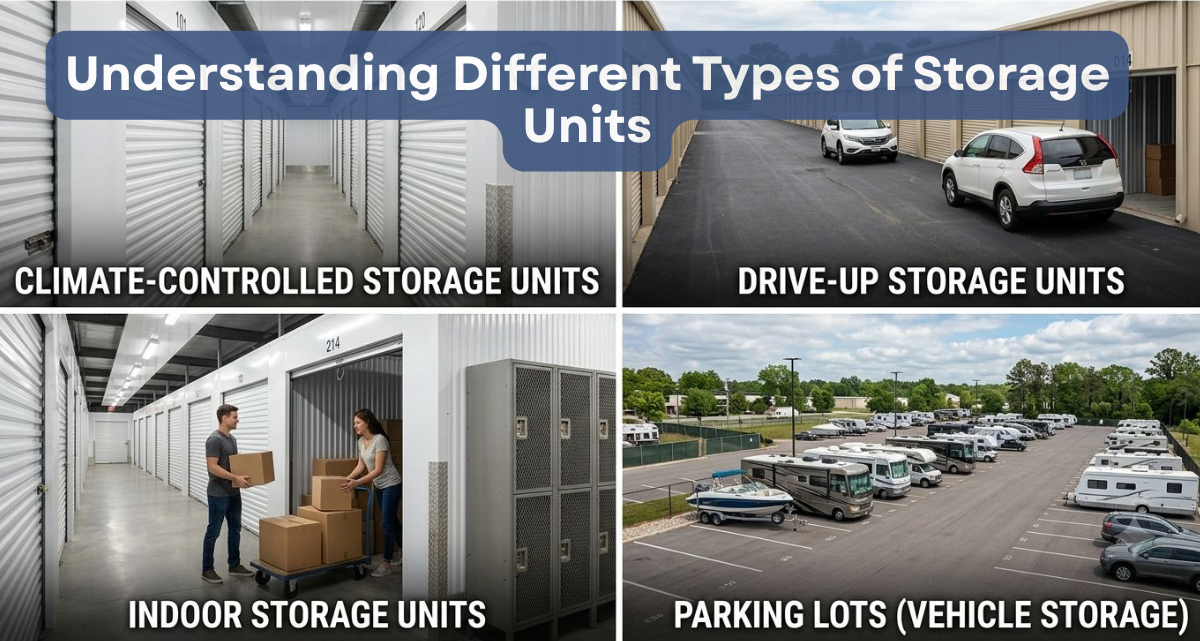
Some common storage options include:
Climate-Controlled Units: Designed for items such as electronics, documents, photographs, and wooden furniture that can be affected by extreme temperatures.
Drive-Up Units: Allow convenient loading and unloading directly from your vehicle.
Indoor Units: Provide an additional layer of protection from weather conditions.
Choosing the right type of unit helps ensure your belongings remain in excellent condition while in storage. Learn more about the benefits of climate-controlled storage.
Pro Tip: If you're storing valuable or delicate items for an extended period, climate-controlled storage may be worth considering.
4. Compare Facility Features
When selecting a storage facility, it's important to look beyond price alone. The quality and features of the facility can significantly impact your storage experience.
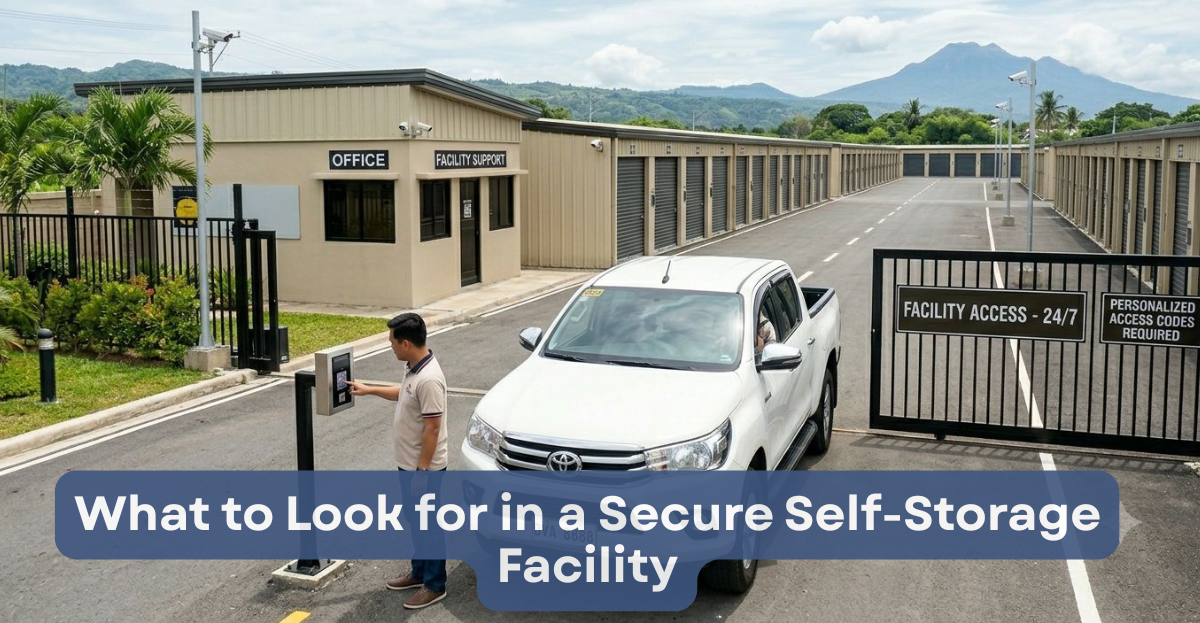
Look for facilities that offer:
- Clean and well-maintained grounds
- Security cameras and controlled access
- Well-lit areas
- Convenient access hours
- Friendly and knowledgeable staff
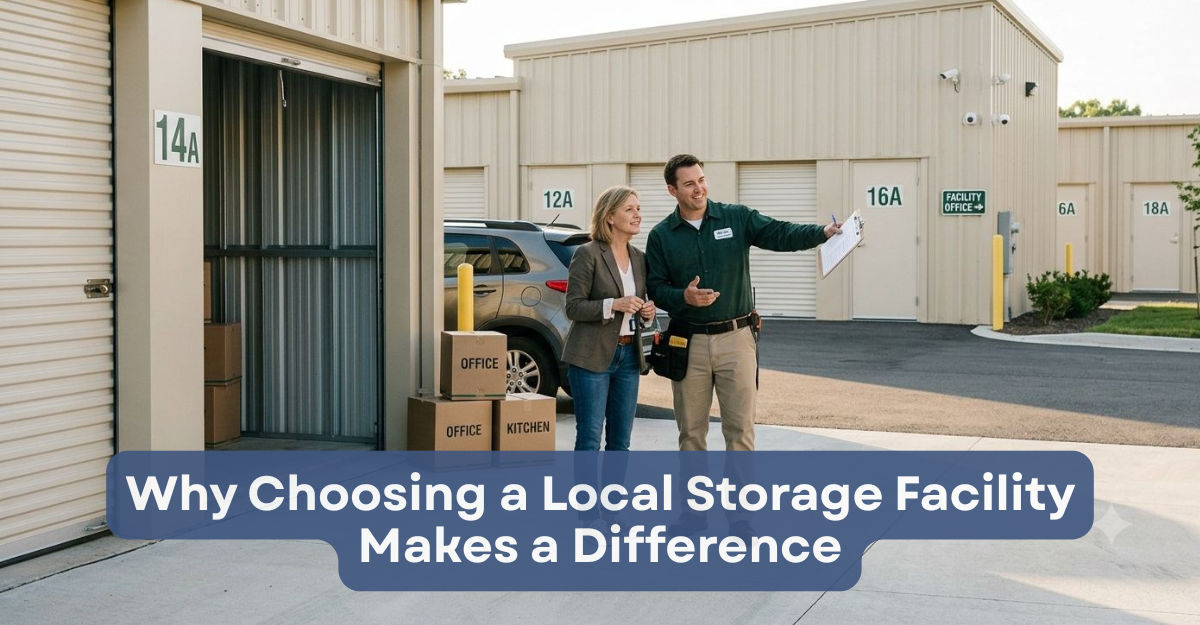
A reputable facility provides peace of mind and helps ensure your belongings are stored safely. When researching facilities, consider choosing a local storage facility that understands the needs of your community.
5. Pack Your Belongings Properly
Proper packing can help protect your items and maximize your storage space.
Some best practices include:
- Use sturdy boxes and packing materials.
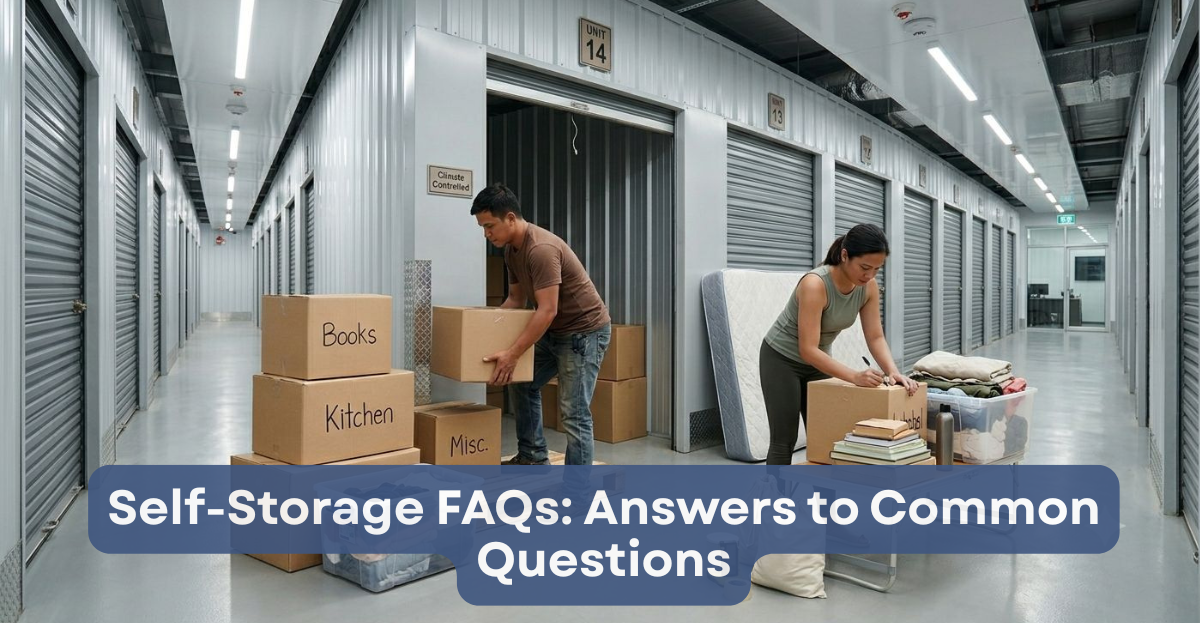
- Label every box clearly.
- Disassemble large furniture when possible.
- Wrap fragile items with protective materials.
- Store heavier items on the bottom and lighter items on top.
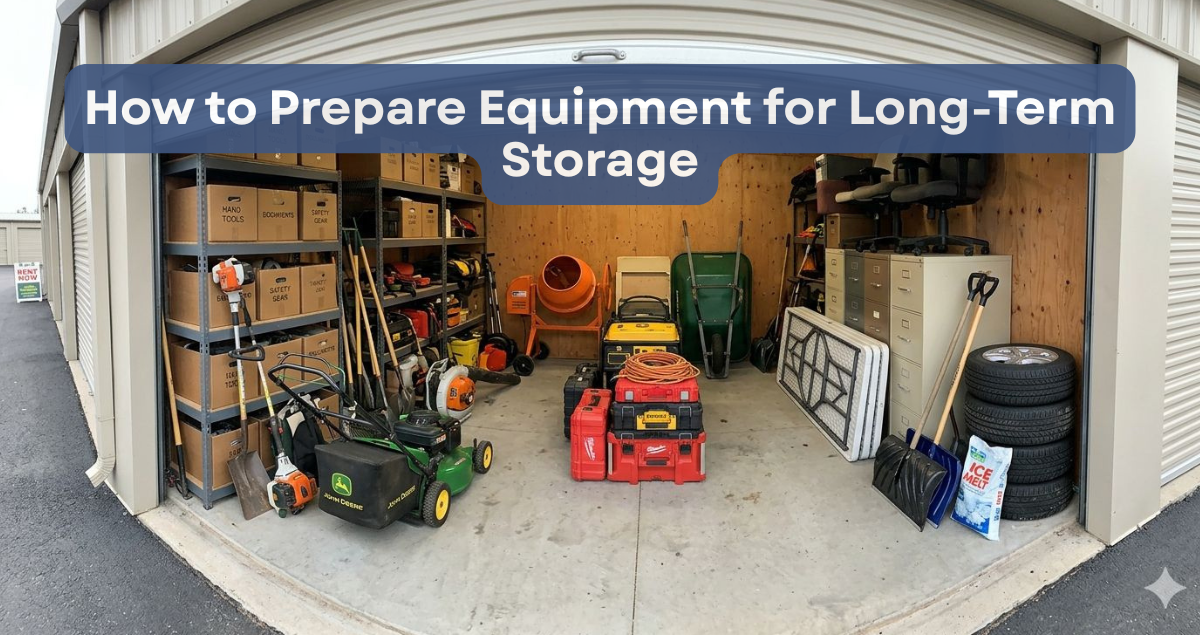
Taking extra time to pack correctly can prevent damage and make future access much easier.
Pro Tip: Avoid using plastic bags for long-term storage, as they can trap moisture and potentially damage certain items.
6. Organize Your Storage Unit for Easy Access
A well-organized storage unit saves time and frustration when you need to retrieve something.
Consider these organization tips:
- Place frequently used items near the front.
- Create clear walkways inside the unit.
- Store similar items together.
- Use shelving to maximize vertical space.
- Keep an inventory of everything stored.
Treat your storage unit like an extension of your home or office rather than simply a place to stack boxes. You may also find our guide on organizing your home with self-storage helpful.
7. Review Your Storage Needs Periodically
Your storage needs may change over time. Periodically review the contents of your unit to determine whether you need more space, less space, or a different storage solution.
Regular visits can help you:
- Stay organized
- Remove items you no longer need
- Make room for new belongings
- Ensure everything remains in good condition
Keeping your storage unit organized helps you get the most value from your rental.
Renting a storage unit for the first time doesn't have to be intimidating. By understanding your storage needs, choosing the right unit, and organizing your belongings effectively, you can enjoy a simple and stress-free storage experience. Whether you're creating more space at home, preparing for a move, or storing business items, self-storage provides a practical solution that adapts to your lifestyle.
At Dove Storage, we offer clean, secure, and affordable storage units designed to meet a variety of storage needs. With a range of unit sizes and storage options available, we're here to help you find the right space for your belongings. Visit Dove Storage today to discover a storage solution that works for you.