Moving Soon? How Self-Storage Can Simplify Your Move

Dove Storage • April 10, 2026
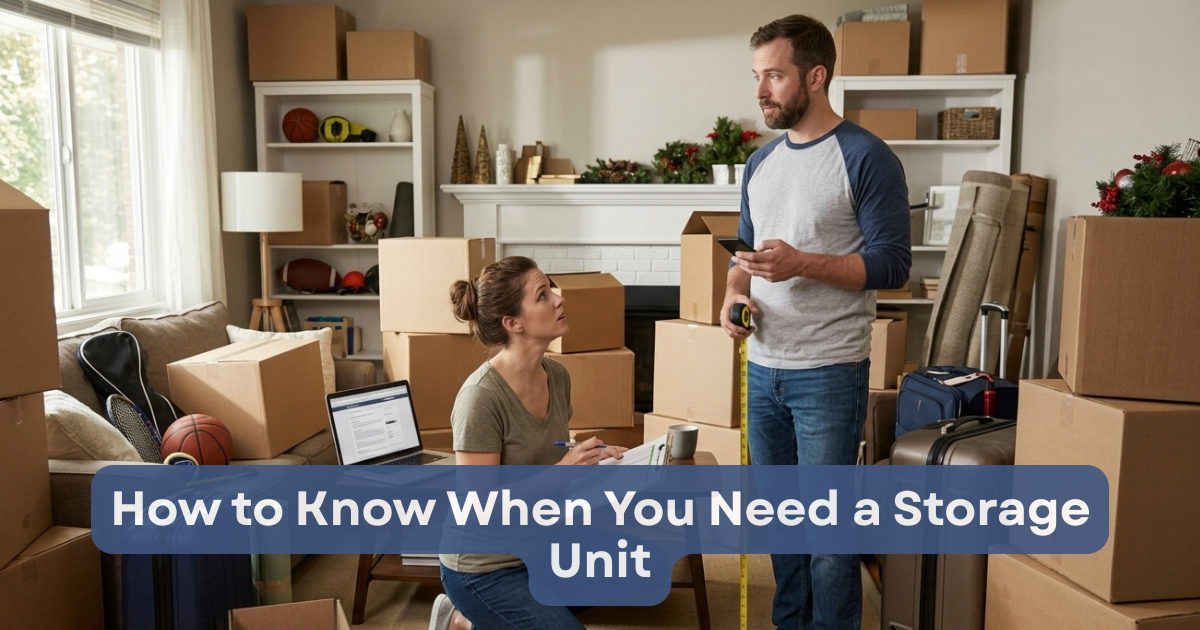
Moving to a new home can be exciting, but it’s no secret that it also comes with stress, clutter, and a long to-do list. From packing boxes to coordinating logistics, even small moves can feel overwhelming. Fortunately, self-storage offers a practical, flexible solution to make moving smoother, more organized, and less stressful.

Here’s how using a storage unit can simplify your next move.

Start by Decluttering Before You Move

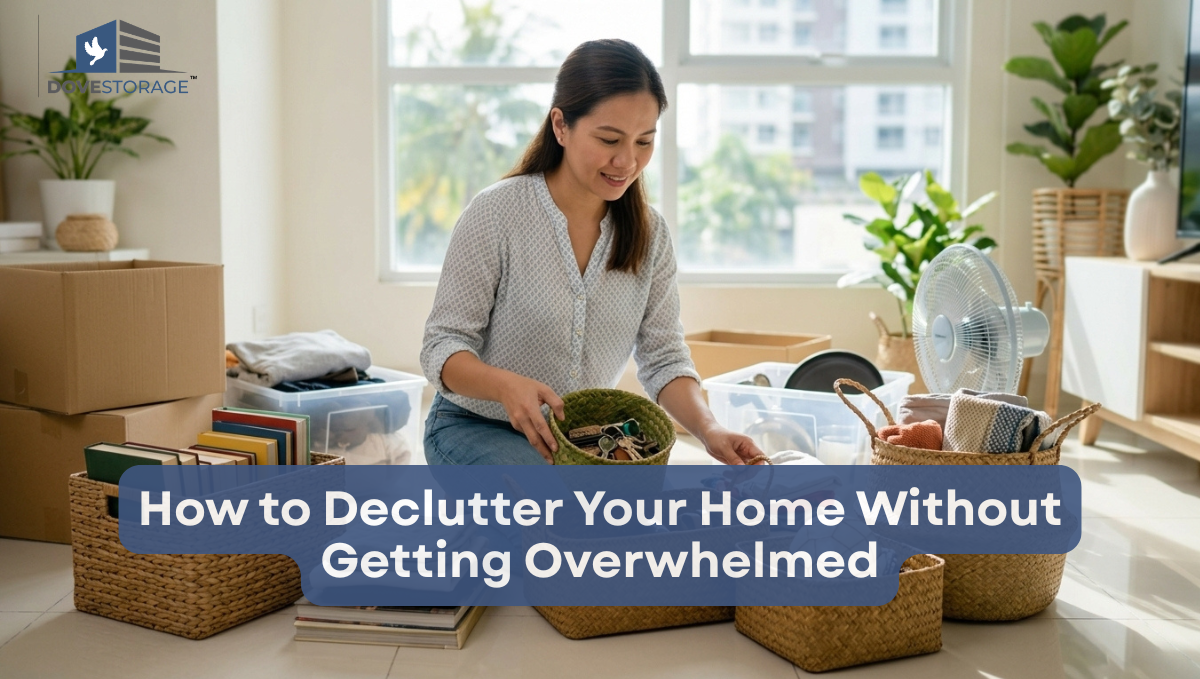
Before you pack a single box, take a step back and assess what’s actually worth bringing to your new home. Moving is the perfect opportunity to sort through your belongings and separate items into categories: keep, store, donate, or discard.
Ask yourself:
  • Have I used this in the past year?
  • Will I need it in the near future?
  • Would it make sense to temporarily store it instead of moving it immediately?
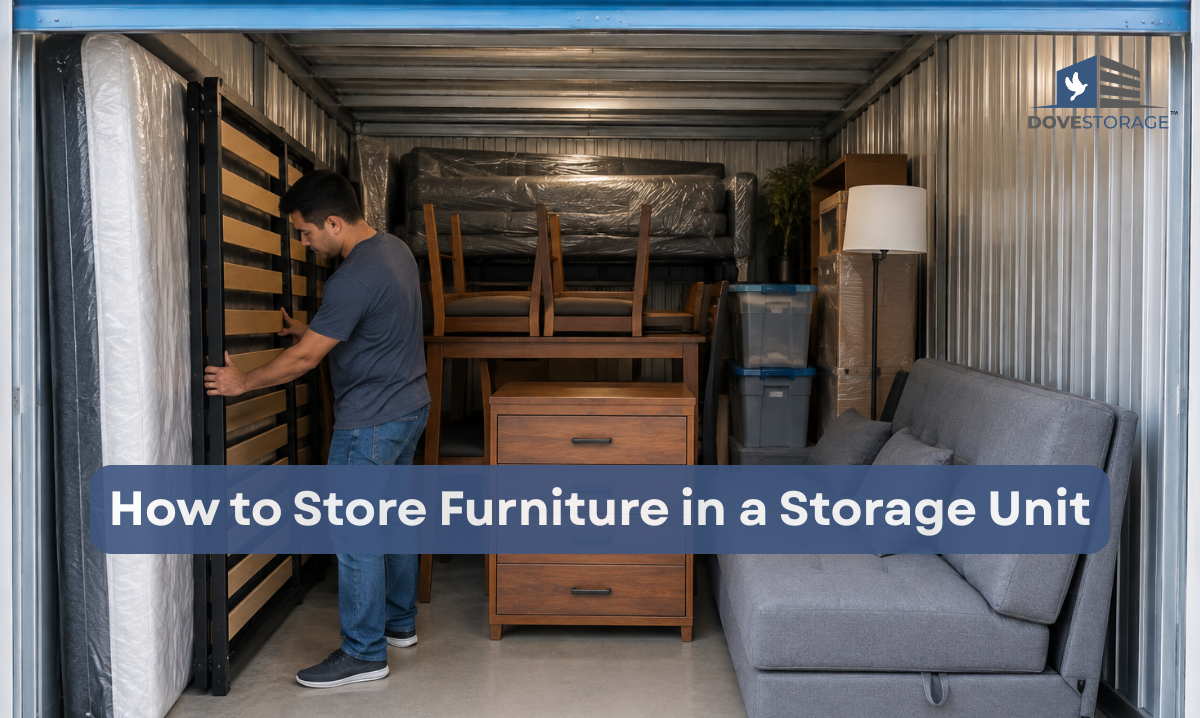
Items like seasonal clothing, holiday decorations, bulky furniture, and sentimental keepsakes are excellent candidates for storage. Removing these from your immediate move reduces clutter and makes packing, loading, and unpacking much easier.

Pro Tip: Label boxes as you sort—they’ll be easier to find when you move them into your storage unit.

Choose the Right Storage Unit for Your Move

Not all storage units are created equal, and selecting the right type of unit can save time, effort, and worry during a move. Consider these options:
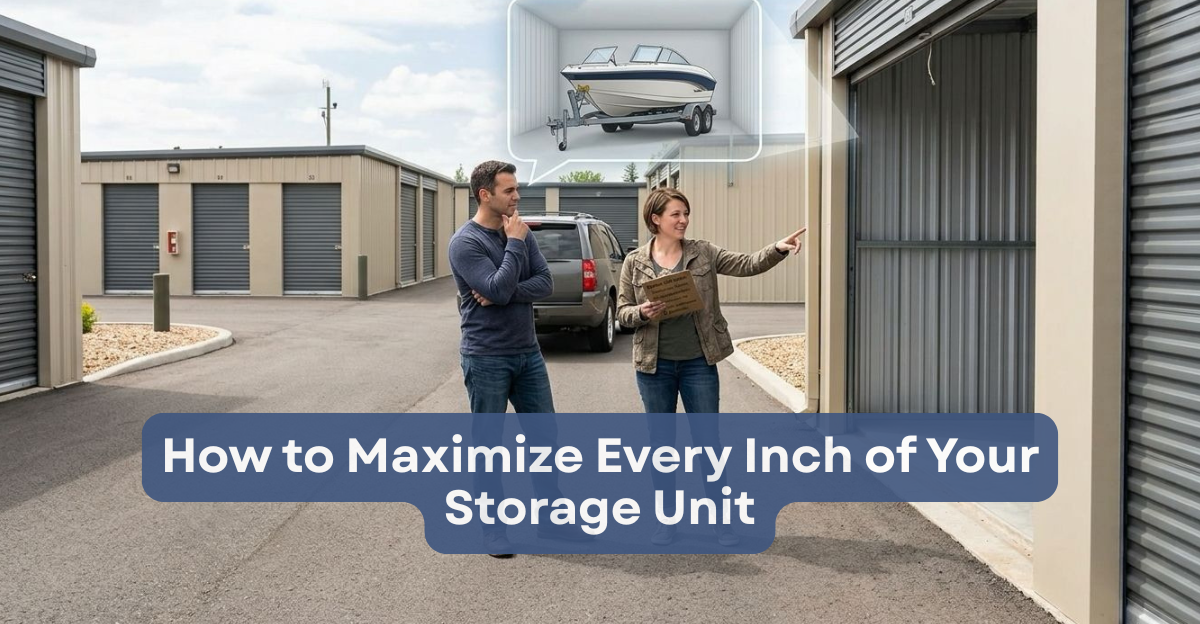
  • Drive-Up Units: Perfect for heavy or bulky items. You can pull your vehicle right up for easy loading and unloading.
  • Indoor Units: Provide extra protection from weather and may include more controlled environments for sensitive belongings.
  • Climate-Controlled Units: Ideal for items like electronics, artwork, and important documents that need stable temperature and humidity levels.
By choosing the right unit, you ensure that your belongings stay safe and accessible while your move is in progress.

Pack and Organize Efficiently

How you pack and organize your items directly impacts how smooth your move will be.
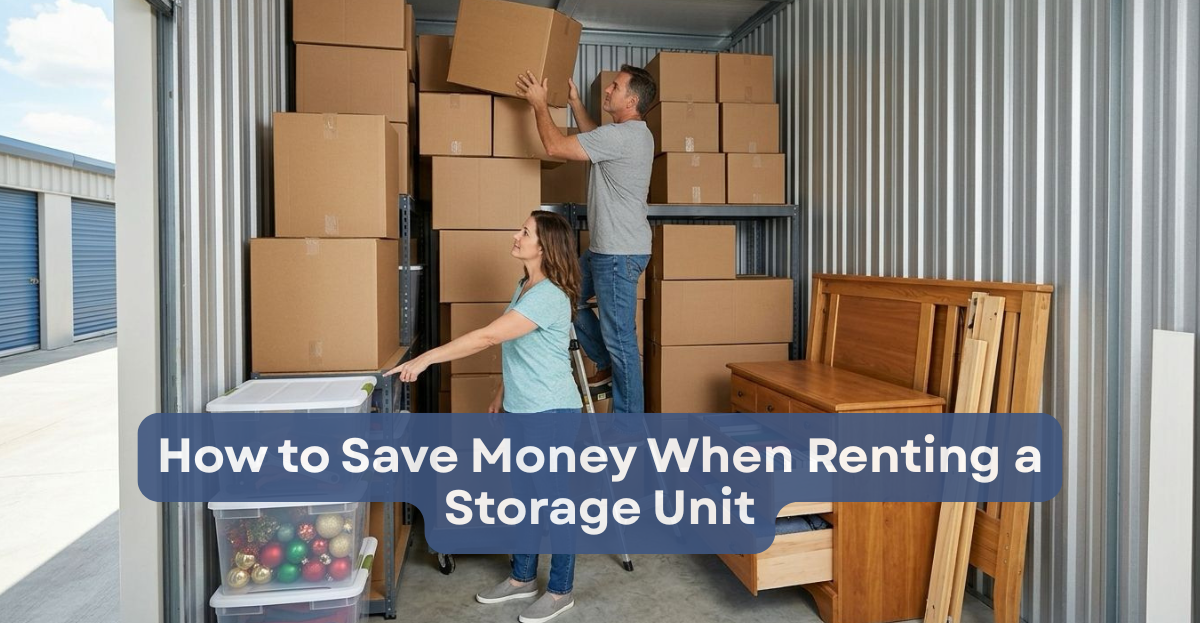
  • Use Uniform Boxes: Standard-sized boxes stack neatly, maximizing your storage space.
  • Label Clearly: Write the contents and intended room on every box to make unpacking easier.
  • Utilize Shelving Units: Vertical storage keeps items off the floor and improves airflow and accessibility.
  • Leave Walkways: Create space to move around in your storage unit so you can reach boxes at the back without moving everything.
Pro Tip: Place items you’ll need sooner—like seasonal gear or essential household items—toward the front of your unit for easy access.

Simplify Timing with Temporary Storage

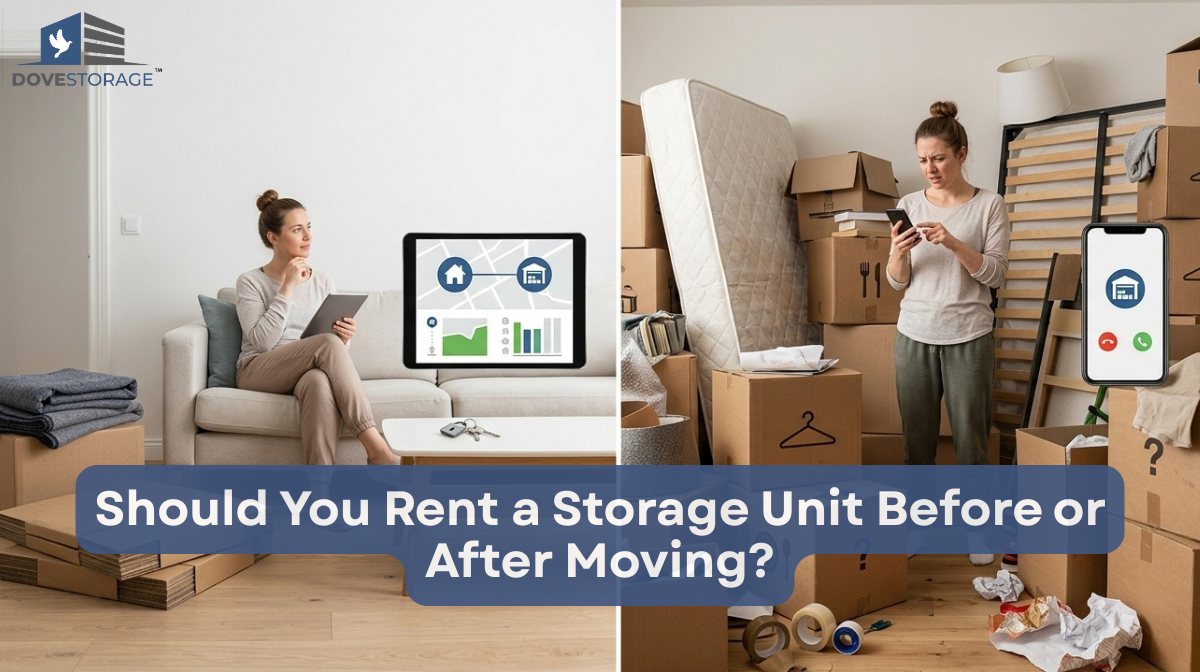
Moving schedules rarely go perfectly. Maybe your new home isn’t ready, or you’re downsizing and need extra time to decide what fits. A storage unit provides a flexible buffer so you can move at your own pace.

Instead of rushing to unpack or leaving boxes in inconvenient spots, storage allows you to stage items safely until you’re ready to settle in. This flexibility can reduce stress and make the moving experience far more manageable.

Protect Valuables and Sentimental Items

Some items are irreplaceable—family heirlooms, collectibles, or important documents. Self-storage helps keep these possessions safe while you move.

Look for storage facilities that offer:
  • Secure, well-maintained premises
  • Individual unit access control
  • Monitored, orderly spaces
For added protection, consider using waterproof bins or airtight containers for fragile or valuable items.

Pro Tip: Keep a digital inventory of stored items with photos and descriptions. This makes tracking your belongings during a move much easier.

Create Space at Your New Home

Using storage during a move can help your new home feel organized from day one. By offloading excess furniture or boxes temporarily, you can:
  • Set up key rooms first, like bedrooms and kitchens
  • Clear space in closets, garages, or basements
  • Unpack gradually, reducing the feeling of chaos
This approach ensures your move is less overwhelming and helps your new home feel functional and welcoming immediately.

Keep Your Storage Organized During Your Move

Even temporary storage requires attention. Keeping your unit organized during the moving process can save time and frustration:
  • Avoid overpacking boxes—heavier boxes should go on the bottom.
  • Use sturdy shelving to prevent clutter and keep items accessible.
  • Maintain a list of stored items to prevent duplicates or lost belongings.
By staying organized, you ensure your storage unit works as a helpful extension of your moving process.

Moving doesn’t have to be chaotic. A self-storage unit can help you declutter, protect your belongings, and stay flexible while you transition to your new home. By using storage strategically, you can simplify the process and make moving a smoother, more manageable experience.

At Dove Storage, we offer clean, secure, and affordable storage units designed to make your move easier. Visit Dove Storage today to find a storage solution that works for your home and your schedule.

By Dove Storage July 10, 2026
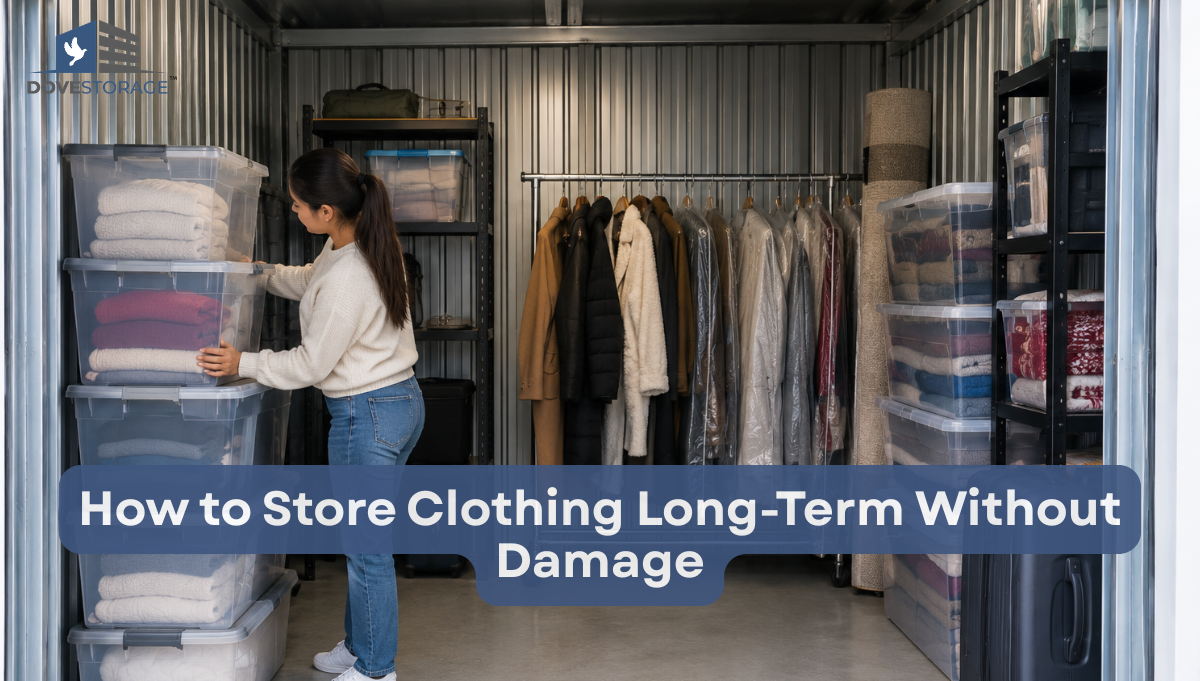
Renting a storage unit for the first time can feel overwhelming. With different unit sizes, storage options, and features to consider, it's easy to wonder where to begin. Whether you're moving, decluttering, renovating, or simply need extra space, self-storage offers a convenient and flexible solution for both homeowners and businesses. The good news is that renting a storage unit doesn't have to be complicated. By understanding the basics and planning ahead, you can find the right storage solution for your needs and make the most of your space. Here's a beginner's guide to help you get started. 1. Determine What You Need to Store Before choosing a storage unit, take inventory of the items you plan to store. Knowing what you're storing will help you determine the appropriate unit size and any special storage requirements. Consider questions like: Are you storing furniture, boxes, or appliances? Will you need to access your items frequently? Are any of your belongings sensitive to temperature or humidity? Common items stored in self-storage include seasonal decorations, household furniture, business inventory, sporting equipment, and personal keepsakes. Pro Tip: Create a list of your belongings before moving them into storage. This makes organization and retrieval much easier later. 2. Choose the Right Storage Unit Size One of the most common mistakes first-time renters make is choosing the wrong unit size. Renting a unit that's too small can lead to overcrowding, while choosing one that's too large may mean paying for space you don't need. While exact needs vary, here are some general guidelines: Small Units: Great for boxes, seasonal items, and small furniture. Medium Units: Ideal for the contents of one or two rooms. Large Units: Suitable for storing the contents of an entire home or larger business inventory. If you're unsure, speak with the storage facility team. They can help you estimate the right size based on your belongings. You can also review our storage unit options and sizes . 3. Understand Your Storage Options Not all storage units are the same. Depending on what you're storing, certain features may be more beneficial than others. Some common storage options include: Climate-Controlled Units: Designed for items such as electronics, documents, photographs, and wooden furniture that can be affected by extreme temperatures. Drive-Up Units: Allow convenient loading and unloading directly from your vehicle. Indoor Units: Provide an additional layer of protection from weather conditions. Choosing the right type of unit helps ensure your belongings remain in excellent condition while in storage. Learn more about the benefits of climate-controlled storage . Pro Tip: If you're storing valuable or delicate items for an extended period, climate-controlled storage may be worth considering. 4. Compare Facility Features When selecting a storage facility, it's important to look beyond price alone. The quality and features of the facility can significantly impact your storage experience. Look for facilities that offer: Clean and well-maintained grounds Security cameras and controlled access Well-lit areas Convenient access hours Friendly and knowledgeable staff A reputable facility provides peace of mind and helps ensure your belongings are stored safely. When researching facilities, consider choosing a local storage facility that understands the needs of your community. 5. Pack Your Belongings Properly Proper packing can help protect your items and maximize your storage space. Some best practices include: Use sturdy boxes and packing materials. Label every box clearly. Disassemble large furniture when possible. Wrap fragile items with protective materials. Store heavier items on the bottom and lighter items on top. Taking extra time to pack correctly can prevent damage and make future access much easier. Pro Tip: Avoid using plastic bags for long-term storage, as they can trap moisture and potentially damage certain items. 6. Organize Your Storage Unit for Easy Access A well-organized storage unit saves time and frustration when you need to retrieve something. Consider these organization tips: Place frequently used items near the front. Create clear walkways inside the unit. Store similar items together. Use shelving to maximize vertical space. Keep an inventory of everything stored. Treat your storage unit like an extension of your home or office rather than simply a place to stack boxes. You may also find our guide on organizing your home with self-storage helpful. 7. Review Your Storage Needs Periodically Your storage needs may change over time. Periodically review the contents of your unit to determine whether you need more space, less space, or a different storage solution. Regular visits can help you: Stay organized Remove items you no longer need Make room for new belongings Ensure everything remains in good condition Keeping your storage unit organized helps you get the most value from your rental. Renting a storage unit for the first time doesn't have to be intimidating. By understanding your storage needs, choosing the right unit, and organizing your belongings effectively, you can enjoy a simple and stress-free storage experience. Whether you're creating more space at home, preparing for a move, or storing business items, self-storage provides a practical solution that adapts to your lifestyle. At Dove Storage , we offer clean, secure, and affordable storage units designed to meet a variety of storage needs. With a range of unit sizes and storage options available, we're here to help you find the right space for your belongings. Visit Dove Storage today to discover a storage solution that works for you.
How Storage Can Help You Stay Organized Year-Round
By Dove Storage July 7, 2026
Staying organized isn’t just about cleaning up once in a while—it’s about creating systems that help keep your home functional throughout the year. Unfortunately, as seasons change and life gets busier, clutter tends to accumulate. Holiday decorations, sports equipment, seasonal clothing, and household items can quickly take over closets, garages, and spare rooms. Fortunately, self-storage provides a practical and flexible solution. By using a storage unit as an extension of your home, you can keep your living spaces organized while still having access to the belongings you need. Here’s how storage can help you stay organized year-round. 1. Free Up Valuable Space at Home One of the easiest ways to stay organized is to remove items you don’t use every day. Many households store seasonal or occasional-use items in closets, attics, garages, and spare bedrooms, reducing the available space for everyday living. A self-storage unit allows you to relocate these items while keeping them safe and accessible. Common items to store include: Holiday decorations Seasonal clothing Sporting equipment Camping gear Extra furniture Family keepsakes By moving these items into storage, you can create a cleaner, more organized living environment. If you're unsure what size unit you need, explore our storage unit options . Pro Tip: Start with areas that feel the most crowded, such as garages, closets, and spare rooms. 2. Rotate Seasonal Items Throughout the Year Every season comes with its own set of belongings. Winter coats, holiday decorations, patio furniture, gardening tools, and recreational equipment all require storage space when not in use. A storage unit makes seasonal rotation simple: Spring: Store winter clothing and holiday décor. Summer: Keep cold-weather gear out of the way while enjoying outdoor equipment. Fall: Rotate seasonal decorations and prepare for cooler weather. Winter: Store patio furniture and summer recreation items. This approach prevents your home from becoming overcrowded while ensuring you have the right items available when you need them. For additional tips, check out our blog on Seasonal Storage Tips: What to Store and When . 3. Create Better Organization Systems Storage units aren’t just for storing excess belongings—they can also help you stay organized. When setting up your unit: Label every box clearly. Group similar items together. Store seasonal items by category. Use shelving to maximize vertical space. Keep frequently used items near the front. A well-organized storage unit acts like an extension of your home, making it easier to find what you need without creating clutter in your everyday living areas. Pro Tip: Create a simple inventory list so you always know what’s in storage. 4. Keep Closets, Garages, and Spare Rooms Functional Many people struggle with overcrowded closets and garages. Instead of serving their intended purpose, these spaces become catch-all storage areas. Using self-storage can help you reclaim these areas by moving nonessential items offsite. This allows you to: Keep closets organized and easy to navigate. Park vehicles in the garage. Create a home office or guest room. Maintain cleaner, more functional living spaces. The result is a home that feels larger, more organized, and easier to maintain. You may also find helpful ideas in our blog How Self-Storage Helps You Reclaim Space at Home . 5. Simplify Major Life Changes Life transitions often bring additional belongings and temporary clutter. Whether you're moving, renovating, downsizing, or welcoming a new family member, storage can help keep everything organized during the process. A storage unit provides a temporary space for furniture, boxes, and household items, allowing you to focus on the transition without feeling overwhelmed by clutter. Common situations where storage helps include: Moving to a new home Home remodeling projects Downsizing Estate organization Temporary relocation Having extra space available can make these life changes significantly less stressful. If you're planning a move, read our guide on How Self-Storage Can Simplify Your Move . 6. Store Business and Work-Related Items Organization isn't just important at home. Many small business owners, remote workers, and contractors use storage units to keep work-related items organized. Storage can be used for: Inventory Business supplies Documents and records Marketing materials Equipment and tools By keeping these items out of your home or office, you can create a more productive workspace while maintaining easy access when needed. Learn more about our business storage solutions . Pro Tip: Designate specific sections within your storage unit for business and personal belongings to stay organized. 7. Develop Long-Term Organizational Habits The best organization systems are sustainable. A storage unit can help you establish habits that keep clutter from returning. Schedule regular visits to your unit throughout the year to: Rotate seasonal items. Reorganize boxes and shelves. Remove items you no longer need. Update your inventory list. This ongoing maintenance helps ensure both your home and storage unit remain organized over time. Remember, organization isn't a one-time project—it's an ongoing process. Having dedicated storage space makes that process much easier to manage. Conclusion Staying organized year-round doesn’t require a bigger house or constant decluttering—it simply requires smart use of space. A self-storage unit provides a convenient way to store seasonal items, reduce household clutter, and keep your home functioning at its best throughout every season. At Dove Storage, we offer clean, secure, and affordable storage solutions designed to fit your lifestyle. Whether you need extra space for seasonal belongings, household items, or business inventory, our storage units can help you stay organized all year long. Browse our storage solutions or visit the Dove Storage homepage to find the storage option that works for you.
Self-Storage FAQs: Answers to Common Questions
By Dove Storage July 3, 2026
Learn the answers to common self-storage FAQs, including unit sizes, climate-controlled storage, packing tips, security, and rental options.
By Dove Storage June 30, 2026
Whether you're moving, decluttering, renovating, or simply running out of space, self-storage can be a practical solution. However, not all storage units are the same. Different types of storage units are designed to accommodate different belongings, budgets, and access needs. Understanding your options can help you choose the right unit, protect your items, and make the most of your storage experience. If you're new to self-storage, exploring the various storage unit options available at Dove Storage can help you determine which solution best fits your needs. 1. Climate-Controlled Storage Units Climate-controlled storage units maintain a more consistent temperature and humidity level throughout the year. These units are ideal for belongings that can be sensitive to extreme heat, cold, or moisture. Items commonly stored in climate-controlled units include: Wood furniture Electronics Important documents Photographs and artwork Musical instruments Collectibles and antiques If you're storing valuable or delicate items for an extended period, climate-controlled storage units can provide added peace of mind. Pro Tip: Consider climate-controlled storage when storing anything you wouldn't leave in a garage, attic, or shed for long periods. 2. Drive-Up Storage Units Drive-up storage units offer maximum convenience by allowing you to park your vehicle directly in front of the unit. This makes loading and unloading quick and efficient. These units are especially useful for: Furniture Appliances Business inventory Moving supplies Heavy equipment Because you can drive right up to the door, drive-up units are a popular choice for customers who need frequent access to their belongings. If convenience is a priority, explore our drive-up storage options to see if they're the right fit for your situation. Pro Tip: Use a drive-up unit if you're storing bulky items that would be difficult to transport through hallways or elevators. 3. Indoor Storage Units Indoor storage units are located within a larger building, offering an additional layer of protection from weather and outdoor conditions. These units are often a great option for: Household items Clothing Seasonal decorations Personal belongings Small business supplies Many customers appreciate the clean environment and added protection that indoor storage provides. If you're comparing storage types, our guide on choosing the right storage unit can help you evaluate your options. 4. Business Storage Units Self-storage isn't just for homeowners. Many businesses use storage units to free up office space and manage inventory more efficiently. Business storage can be used for: Excess inventory Office furniture Marketing materials Equipment and tools Archived files and documents Instead of paying for larger office or warehouse space, businesses can use storage units as a flexible and cost-effective solution. Learn more about our business storage solutions designed for local companies and entrepreneurs. Pro Tip: Create an inventory system for business items to make retrieval faster and more organized. 5. Vehicle Storage Many storage facilities offer dedicated spaces for vehicle storage. This can be an excellent option if you need extra room at home or want to store a vehicle during the off-season. Common vehicles stored include: Cars Trucks Motorcycles Boats RVs and campers Trailers Vehicle storage can help free up driveway or garage space while keeping your vehicle in a designated storage area. Check out our vehicle storage options to see what accommodations are available. 6. Short-Term Storage Units Short-term storage is perfect for temporary situations when you need extra space for a few weeks or months. Common reasons people choose short-term storage include: Moving between homes Home renovations Temporary work assignments College breaks Staging a home for sale These units provide flexibility without requiring a long-term commitment. If you're preparing for a move, you may also find our article on how self-storage can simplify your move helpful. 7. Long-Term Storage Units For belongings you don't need regular access to, long-term storage can be an ideal solution. Examples of long-term storage items include: Family heirlooms Seasonal equipment Extra furniture Business records Collectibles When storing items long-term, proper packing and organization become especially important to help preserve their condition over time. Pro Tip: Use sturdy boxes, protective covers, and clear labels to keep long-term storage organized and easy to manage. Choosing the Right Storage Unit With so many options available, selecting the right storage unit comes down to understanding what you're storing and how often you'll need access to it. Ask yourself: Are my items sensitive to temperature or humidity? Will I need frequent access? Am I storing household, business, or vehicle-related items? Is this a short-term or long-term storage need? Answering these questions can help narrow your choices and ensure you're getting the best value for your storage needs. You can also browse our available storage units to compare sizes and features. Make the Most of Your Storage Experience No matter which type of storage unit you choose, proper planning can help maximize your space and protect your belongings. Use quality packing materials. Label boxes clearly. Store heavier items on the bottom. Create an inventory list. Leave room for access when possible. A little organization upfront can save significant time and effort later. Choosing the right storage unit starts with understanding your options. From climate-controlled and drive-up units to business and vehicle storage, each type offers unique benefits depending on your situation.  At Dove Storage, we offer clean, secure, and affordable storage solutions designed to fit a variety of needs. Whether you're storing household belongings, business inventory, or seasonal items, our team can help you find the storage unit that's right for you. Visit Dove Storage's storage solutions page to explore your options and discover a storage solution that works for your lifestyle.
By Dove Storage June 26, 2026
When choosing a self-storage facility, security should be one of your top priorities. Whether you're storing household belongings, business inventory, seasonal decorations, or valuable keepsakes, you want peace of mind knowing your items are protected. Not all storage facilities offer the same level of security, and understanding what to look for can help you make a more informed decision. If you're exploring your options, start by reviewing Dove Storage's storage solutions to understand the features available. 1. Controlled Access to the Property A secure storage facility should limit access to authorized customers and staff. Controlled access systems help prevent unauthorized individuals from entering the property and provide an added layer of protection for stored belongings. Look for facilities that offer: Electronic gate access Personalized access codes Secure entry points Fenced or enclosed property grounds These features help ensure that only approved individuals can enter the facility. Pro Tip: Ask how access is managed and whether entry activity is monitored or tracked. 2. Security Camera Monitoring Video surveillance is one of the most effective security measures a storage facility can have. Security cameras help monitor activity throughout the property and can provide valuable records if issues arise. Pay attention to whether cameras cover: Entry and exit gates Hallways and common areas Loading and unloading zones Exterior grounds and driveways A well-monitored facility demonstrates a commitment to protecting customers and their belongings. 3. Well-Lit Grounds and Buildings Good lighting plays a significant role in storage facility security. Well-lit properties improve visibility for customers and discourage unwanted activity. Look for facilities with: Bright exterior lighting Illuminated hallways and corridors Well-lit parking and loading areas Proper lighting not only enhances security but also makes accessing your unit safer and more convenient. Pro Tip: Visit the facility in person to evaluate the overall visibility and condition of the property. 4. Clean and Well-Maintained Facilities A facility's overall appearance can tell you a lot about how it's managed. Clean grounds, maintained buildings, and organized common areas often indicate that the property is regularly monitored and cared for. Signs of a well-maintained facility include: Clean driveways and walkways Properly functioning gates and doors Well-kept landscaping Minimal clutter around the property Facilities that prioritize maintenance are often more proactive about security and customer satisfaction. If you're comparing facilities, consider researching local options and reading about the benefits of choosing a local storage facility . 5. High-Quality Locks and Unit Security While the facility provides overall property security, your individual unit should also be properly secured. Consider: Using a high-quality disc lock Checking that unit doors close and latch properly Inspecting door tracks and hinges for damage A strong lock can provide an important additional layer of protection for your belongings. Pro Tip: Ask staff if they recommend specific lock types for maximum security. 6. Climate-Controlled Options for Sensitive Items Security isn't only about preventing theft—it's also about protecting your belongings from environmental damage. If you're storing items such as: Electronics Documents Photographs Wooden furniture Collectibles A climate-controlled storage unit can help maintain a more stable environment and reduce the risk of damage caused by extreme temperatures or humidity. 7. Professional and Helpful Staff One often-overlooked aspect of security is the people managing the facility. A knowledgeable and attentive staff can make a significant difference in maintaining a safe property. When visiting a facility, consider: How responsive the staff are to questions Whether they explain security features clearly Their familiarity with the property and storage options A professional team demonstrates accountability and helps create a positive storage experience. If you're new to self-storage, you may also find our Beginner's Guide to Renting a Storage Unit helpful when evaluating facilities and unit options. 8. Positive Reviews and Local Reputation Before choosing a storage facility, spend some time researching customer feedback. Reviews can provide valuable insight into security, cleanliness, customer service, and overall satisfaction. Look for comments about: Property upkeep Facility management Security measures Customer experiences Consistently positive reviews can help confirm that a facility takes security seriously. Pro Tip: Pay attention to how businesses respond to customer feedback, as it often reflects their commitment to service and accountability. 9. The Right Storage Unit for Your Needs Choosing the appropriate unit size and type can also contribute to a better storage experience. Overcrowding a unit can make items harder to access and increase the risk of damage. Consider factors such as: Unit size requirements Indoor or drive-up access Climate-controlled options Frequency of access Selecting the right unit helps keep your belongings organized, protected, and easier to manage over time. If you're unsure what size unit is right for you, review Dove Storage's available storage unit sizes before making a decision. Finding a secure self-storage facility is about more than simply renting extra space—it's about trusting a facility to help protect the belongings that matter most. By looking for controlled access, security camera monitoring, well-maintained grounds, quality locks, and professional management, you can feel more confident in your storage decision. At Dove Storage , we are committed to providing clean, secure, and convenient storage solutions for homeowners, renters, and businesses. Explore our storage locations to find a facility near you and discover the storage solution that's right for you.
By Dove Storage June 24, 2026
When searching for a self-storage unit, it's easy to focus on size, price, and location. While those factors are important, there's another consideration that can significantly impact your storage experience: choosing a local storage facility. Local storage providers often offer a level of service, flexibility, and community connection that larger national chains can't always match. Whether you're storing household belongings, business inventory, or seasonal items, working with a local facility can make the entire process smoother and more personalized. Here's why choosing a local storage facility makes a difference. 1. Enjoy More Personalized Customer Service One of the biggest advantages of a local storage facility is the personalized attention you'll receive. Local teams are often more focused on building relationships with customers and providing helpful guidance throughout the storage process. Instead of feeling like just another account number, you'll work with people who genuinely care about helping you find the right storage solution for your needs. Whether you're unsure about unit sizes or need advice on packing and organizing, local staff are often readily available to assist. Pro Tip: Ask questions before renting. Local storage teams can often recommend the best unit type and size based on what you're storing. You can also explore our Storage Unit Sizes page to better understand which unit may fit your belongings. 2. Benefit From Local Knowledge and Expertise Local storage facilities understand the needs of the communities they serve. They know what types of storage solutions are most useful for local residents, families, students, and businesses. Whether you're preparing for a move, renovating your home, or storing seasonal equipment, a local facility can provide recommendations based on real experience serving customers in your area. This local expertise helps ensure you choose a storage solution that truly fits your situation. 3. Experience Greater Convenience Choosing a storage facility close to home or work can make a significant difference in your day-to-day life. A conveniently located facility allows you to access your belongings without spending extra time traveling across town. Local storage facilities are often strategically located within the communities they serve, making it easier to stop by when you need something or add new items to your unit. Browse our storage locations to find a facility near you. Pro Tip: Consider how often you'll need to visit your unit when choosing a storage location. A nearby facility can save both time and fuel costs. 4. Support Businesses That Invest in Your Community When you choose a local storage facility, you're supporting a business that contributes to the local economy. Local companies often create jobs, support community initiatives, and work with nearby vendors and service providers. Your decision helps strengthen the community while allowing you to enjoy a more personalized customer experience. It's a simple choice that can have a positive impact beyond your storage needs. 5. Enjoy Well-Maintained Facilities Local storage operators often take great pride in maintaining their properties. Because they are closely connected to the communities they serve, they understand the importance of providing clean, organized, and welcoming facilities. A well-maintained property not only creates a better customer experience but also helps protect the items you place into storage. When evaluating storage options, pay attention to cleanliness, lighting, and overall property condition. 6. Find Flexible Storage Solutions Every storage need is different. Some customers need short-term storage during a move, while others require long-term solutions for household or business items. Local facilities are often better positioned to offer flexible options and personalized recommendations. Whether you need a climate-controlled storage unit for sensitive belongings or a drive-up storage unit for easy loading and unloading, local providers can help match you with the right space. This flexibility can make storing your belongings much more convenient and cost-effective. 7. Build Trust and Peace of Mind When you're storing valuable possessions, trust matters. Local storage facilities often work hard to build strong reputations within their communities by providing reliable service and maintaining secure properties. Knowing that your belongings are stored with a company that values customer relationships can provide added peace of mind. A trusted local facility isn't just offering storage space—it's offering confidence that your belongings are being cared for responsibly. 8. Receive a More Human Storage Experience Storage is about more than square footage. It's about finding a solution that fits your life and gives you confidence throughout the process. Local storage facilities tend to focus on creating positive customer experiences through responsive service, clear communication, and genuine support. When questions arise, you're often able to speak directly with someone who understands your needs and can help quickly. That human connection can make a big difference, especially during busy life transitions like moving, downsizing, or expanding a business. For additional moving and organization tips, check out our blog on How Self-Storage Helps You Reclaim Space at Home . Conclusion Choosing a storage facility is about more than finding an empty unit—it's about finding a partner you can trust. Local storage facilities offer personalized service, community-focused values, convenient locations, and flexible solutions that help make storage simple and stress-free.  At Dove Storage , we're proud to serve our communities with clean, secure, and affordable storage solutions. Whether you're looking for household storage , business storage , climate-controlled storage , or vehicle storage , our team is committed to helping you find the right fit. Explore our available storage units or find a Dove Storage location near you to get started today.
By Dove Storage June 9, 2026
Whether you’re storing landscaping tools, construction equipment, business machinery, or seasonal gear, proper preparation is essential for keeping your items in good condition during long-term storage. Without the right steps, equipment can develop rust, wear, or damage that shortens its lifespan. Self-storage offers a practical and secure solution for keeping your equipment protected when not in use. With the right preparation, you can ensure everything stays clean, functional, and ready for future use. Here’s how to do it properly. 1. Start by Cleaning All Equipment Thoroughly Before placing anything into storage, it’s important to clean every piece of equipment carefully. Dirt, grease, and debris can lead to corrosion or mechanical issues over time. For tools and machinery, remove mud, oil, and dust using appropriate cleaners. For lawn equipment, make sure grass clippings and residue are fully cleared out. Even small particles can cause long-term damage if left untreated. Pro Tip: Let everything dry completely before storing to prevent moisture buildup and rust. 2. Perform Basic Maintenance and Repairs Long-term storage is the perfect time to handle maintenance tasks you might otherwise delay. This helps ensure your equipment is in good condition when you need it again. Check for worn parts, loose bolts, or leaks. Replace filters, change oil where needed, and top off fluids for machinery that requires it. Sharpen blades on tools like lawnmowers or trimmers to prevent rust and dullness. Taking care of small issues now can prevent costly repairs later. 3. Drain Fuel and Fluids When Necessary Fuel and fluids can degrade over time, which may cause damage to engines or internal components. For many types of equipment, it’s best to either drain fuel completely or use a stabilizer before storage. For gas-powered equipment, follow manufacturer guidelines for storage preparation. This step helps prevent clogging, corrosion, and engine failure. Pro Tip: Always store batteries separately in a cool, dry place to extend their lifespan. 4. Protect Equipment from Moisture and Dust Even in a secure storage environment, protecting your equipment from dust and moisture is essential. Proper covering and packaging can significantly extend its condition. Use durable covers, tarps, or protective wraps designed for equipment storage. For smaller tools, airtight containers or heavy-duty bins work well. If possible, elevate items off the ground using pallets or shelving to avoid contact with any potential moisture. 5. Choose the Right Storage Unit for Your Equipment Not all storage spaces are the same, and choosing the right type makes a big difference in equipment preservation. Drive-up units: Ideal for heavy or bulky equipment that needs easy loading and unloading Indoor units: Offer added protection from external conditions Climate-controlled units: Best for sensitive tools, electronics, or equipment that may be affected by temperature changes Selecting the right unit helps ensure your equipment stays in optimal condition during storage. 6. Organize Equipment for Easy Access Proper organization inside your storage unit makes retrieval easier and prevents unnecessary damage. Place frequently used or larger items near the front. Keep smaller tools in labeled bins or shelves. Group similar equipment together so you can quickly locate what you need without shifting everything around. Pro Tip: Create a simple inventory list of all stored items so you always know what’s inside your unit. 7. Use Proper Storage Techniques for Longevity How you place and store your equipment matters just as much as how you prepare it. Avoid stacking heavy items on top of delicate tools. Use shelving whenever possible to maximize space and improve airflow. Keep sharp tools safely secured and ensure cords, hoses, and attachments are neatly coiled to prevent tangling or damage. Good organization reduces wear and keeps your storage space efficient. 8. Check on Your Equipment Periodically Even in long-term storage, it’s a good idea to check your equipment occasionally. This helps you catch any early signs of rust, leaks, or damage before they become bigger issues. During your visits, inspect covers, check for moisture, and ensure everything remains properly organized. If needed, perform minor maintenance to keep everything in good shape. Proper preparation is the key to extending the life of your equipment. By cleaning, maintaining, and storing everything correctly, you can avoid costly repairs and ensure your tools are ready when you need them again. A self-storage unit provides a secure and convenient solution for keeping valuable equipment safe during long periods of non-use. At Dove Storage , we offer clean, secure, and affordable storage solutions designed for both personal and business needs. Visit Dove Storage today to find the right space to protect your equipment and keep it in top condition.
By Dove Storage June 5, 2026
Owning an RV or boat brings freedom, adventure, and unforgettable memories—but when the trip is over, finding the right place to store your vehicle becomes an important part of protecting your investment. Keeping an RV or boat parked at home isn’t always practical, especially when space is limited or neighborhood restrictions apply. That’s where self-storage can help. Choosing the right RV and boat storage solution can keep your vehicle secure, organized, and ready for your next getaway. Before selecting a storage facility, here are the most important things to consider. 1. Choose the Right Storage Size Not all RVs and boats are the same size, so it’s important to find a storage space that comfortably fits your vehicle. Before renting a space, measure: The full length of your RV, boat, or trailer The height and width, including accessories or attachments Additional clearance needed for maneuvering Having the correct dimensions helps prevent tight parking situations and makes accessing your vehicle much easier. Pro Tip: Leave a little extra room for easier parking, loading, and maintenance access. 2. Consider Indoor vs. Outdoor Storage Different storage types offer different levels of protection and convenience. Choosing the best option depends on your vehicle, budget, and how often you use it. Here are common storage options: Outdoor Storage: A practical solution for larger RVs, trailers, and boats that need accessible parking space. Covered Storage: Provides additional protection from sun, rain, and other outdoor elements while still offering convenient access. Indoor Storage: Ideal for high-value or weather-sensitive vehicles that benefit from extra protection from dust, moisture, and temperature changes. If you plan to store your vehicle long-term, additional protection can help preserve its condition over time. 3. Look for Strong Security Features Your RV or boat is a major investment, so security should be a top priority when selecting a storage facility. Look for features such as: Gated access Security cameras Well-lit areas Secure perimeter fencing On-site management or monitoring A clean and professionally maintained facility is often a good sign that security and customer care are taken seriously. Pro Tip: Remove valuables and important documents from your vehicle before placing it into storage. 4. Prepare Your Vehicle Before Storage Proper preparation can help prevent maintenance issues while your RV or boat is stored. Before storing your vehicle: Clean both the interior and exterior Remove food and perishable items Disconnect batteries if storing long-term Check tire pressure Cover vents or openings if needed Drain water systems when appropriate Taking a little extra time upfront can help keep your vehicle in better condition and ready for your next trip. 5. Think About Accessibility and Convenience Convenience matters—especially if you plan to use your RV or boat regularly throughout the year. Consider questions like: Is the facility easy to access from major roads or highways? Is there enough room to maneuver large vehicles comfortably? Can you easily load and unload gear when needed? A well-designed storage facility can make pickups and drop-offs much smoother and less stressful. 6. Understand Local Parking Restrictions Many neighborhoods and homeowners associations limit or prohibit RV and boat parking at home. Even when allowed, large vehicles can take up valuable driveway or yard space. Using a dedicated storage facility helps free up space at home while keeping your vehicle stored in a more organized and secure environment. For many owners, storage is not just about convenience—it’s also about protecting curb appeal and avoiding local parking issues. 7. Protect Your Investment Long-Term RVs and boats are exposed to wear from weather, moisture, dirt, and extended inactivity. Proper storage can help extend the lifespan of your vehicle and reduce unnecessary maintenance costs over time. Choosing a reliable storage facility helps protect: Paint and exterior finishes Tires and batteries Upholstery and interiors Mechanical systems A little preventative care now can help avoid expensive repairs later. 8. Choose a Facility You Can Trust Not all storage facilities offer the same level of service and care. Reading reviews, checking property conditions, and speaking with staff can help you feel more confident in your decision. Look for a facility that prioritizes: Cleanliness Professional customer service Well-maintained grounds Flexible storage solutions Secure vehicle storage options A trustworthy facility gives you peace of mind knowing your RV or boat is being stored responsibly. Finding the right RV and boat storage solution is about more than just parking space—it’s about protecting your investment, creating convenience, and keeping your vehicle ready for your next adventure. By considering factors like size, security, accessibility, and storage type, you can make a smarter long-term decision for your vehicle.  At Dove Storage , we offer clean, secure, and convenient storage solutions designed to help protect your RV, boat, and recreational vehicles. Visit Dove Storage today to explore storage options that fit your needs and lifestyle.
By Dove Storage June 2, 2026
Vehicles are valuable investments, but when they sit unused for long periods, improper storage can lead to costly damage and unnecessary wear. Whether you own a classic car, motorcycle, boat, or recreational vehicle, seasonal storage is one of the best ways to protect your investment and keep it in great condition year-round. With the right preparation and storage setup, you can prevent issues like battery failure, rust, moisture damage, and tire deterioration. Here’s how to properly prepare your vehicles for seasonal storage and keep them ready for the road or water when the season returns. 1. Clean Your Vehicle Thoroughly Before Storage Before placing any vehicle into storage, give it a complete cleaning inside and out. Dirt, salt, moisture, and debris can cause long-term damage if left sitting for months. For cars and motorcycles: Wash and dry the exterior completely Vacuum the interior Remove food, trash, and personal items Wax painted surfaces for added protection For boats: Clean the hull and deck Remove standing water Empty coolers and compartments Dry upholstery and seating areas thoroughly A clean vehicle is less likely to develop odors, mold, corrosion, or staining during storage. Pro Tip: Don’t forget to clean underneath your vehicle where dirt and road salt often collect. 2. Protect the Battery During Long-Term Storage Vehicle batteries naturally lose charge over time, especially when left unused for extended periods. To help preserve battery life: Disconnect the battery if storing long-term Use a battery maintainer or trickle charger when appropriate Check terminals for corrosion before storage This simple step can help prevent dead batteries and extend overall battery lifespan. 3. Top Off Fluids and Change the Oil Fresh fluids help protect your engine and internal components during storage. Before storing your vehicle: Change the oil and oil filter Top off coolant, brake fluid, and windshield washer fluid Fill the gas tank to reduce moisture buildup Add a fuel stabilizer for longer storage periods For boats, be sure to flush the engine and follow manufacturer winterization recommendations if applicable. Proper fluid maintenance helps reduce corrosion and keeps your vehicle running smoothly when it’s time to use it again. 4. Protect Tires From Damage Vehicles that sit in one position for too long can develop flat spots or uneven tire wear. To help protect tires during storage: Inflate tires to the recommended pressure Move the vehicle occasionally if possible Use tire blocks or mats for longer storage periods For motorcycles, using a center stand can help reduce prolonged pressure on the tires. Pro Tip: Avoid storing vehicles directly on dirt or damp surfaces whenever possible. 5. Use a Quality Vehicle Cover A breathable, properly fitted vehicle cover adds an extra layer of protection against dust, dirt, and moisture. Choose a cover designed specifically for your vehicle type: Car covers for sedans, trucks, or classic vehicles Motorcycle covers with secure fasteners Boat covers that protect against debris and moisture buildup Avoid plastic tarps, which can trap condensation and potentially damage surfaces over time. 6. Choose the Right Storage Space Not all storage spaces are ideal for vehicles. Choosing the right type of storage can make a big difference in protecting your investment. Depending on your needs, consider: Indoor storage for additional weather protection Covered storage for boats or recreational vehicles Drive-up storage access for easier loading and unloading Spacious units for seasonal equipment and accessories A clean, secure, and well-maintained storage facility helps provide added peace of mind while your vehicle is stored away. 7. Prepare Boats and Recreational Equipment Properly Boats and seasonal recreational equipment often require additional preparation before storage. Important steps may include: Draining water systems Removing electronics and valuables Cleaning fishing gear and accessories Checking trailers and tire pressure Covering exposed areas securely Taking time to winterize and organize equipment now can help prevent expensive repairs later. 8. Check on Your Vehicle Periodically Even while in storage, occasional inspections can help catch small issues before they become major problems. During periodic visits: Check for leaks or moisture Inspect tire pressure Ensure covers remain secure Start the vehicle occasionally if recommended by the manufacturer Routine checks help ensure your vehicle stays in excellent condition throughout the storage season. Seasonal vehicle storage is about more than simply parking your car, motorcycle, or boat—it’s about protecting your investment and extending its lifespan. With proper preparation and the right storage environment, you can avoid unnecessary wear, reduce maintenance issues, and keep your vehicle ready for your next adventure. At Dove Storage , we offer clean, secure, and convenient storage solutions for vehicles, motorcycles, boats, and seasonal equipment. Whether you need short-term or long-term storage, our facilities are designed to help keep your belongings protected and accessible when you need them most. Visit Dove Storage today to find the right storage solution for your vehicle needs.
By Dove Storage May 29, 2026
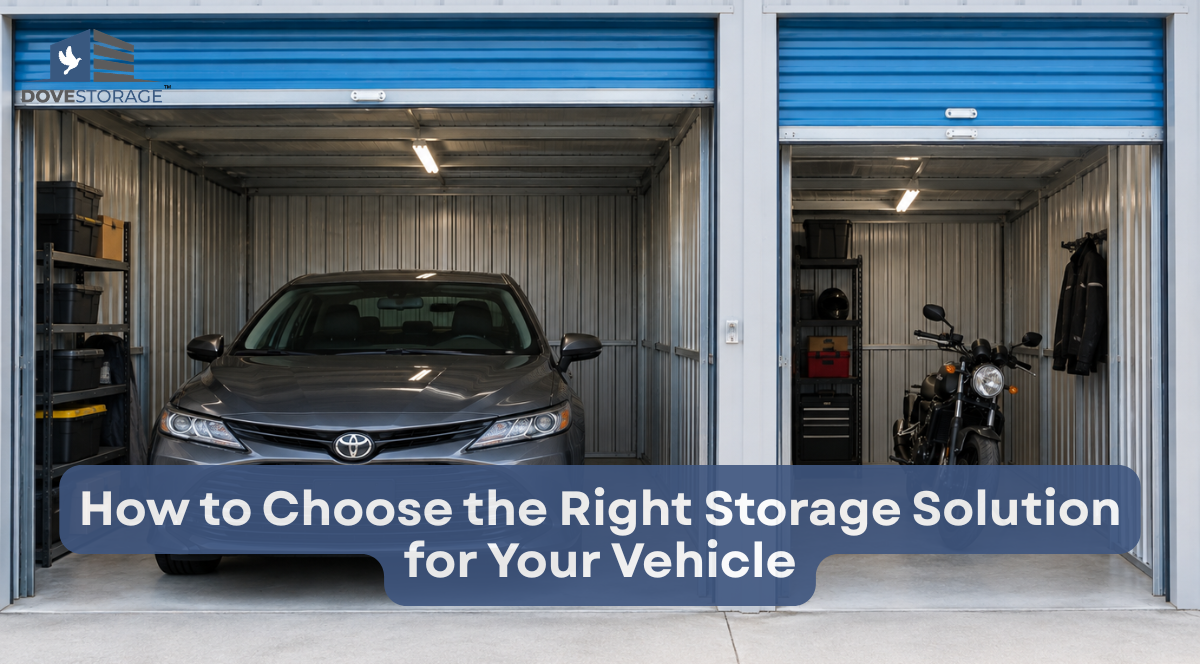
Whether you’re storing a car, motorcycle, boat, trailer, or recreational vehicle, proper preparation can make a big difference in protecting your investment. Vehicle storage is a convenient solution during moves, seasonal changes, long trips, or when you simply need extra space at home. However, storing a vehicle incorrectly can lead to battery issues, tire damage, moisture buildup, and unnecessary wear over time. The good news is that with the right steps, you can keep your vehicle in excellent condition while it’s in storage. Here’s what you should know before storing a vehicle at a self-storage facility. 1. Choose the Right Type of Vehicle Storage Not all vehicle storage options are the same, so it’s important to select the one that best fits your needs and the type of vehicle you’re storing. Here are some common options to consider: Outdoor Parking Storage: Ideal for larger vehicles like RVs, trailers, and boats that need extra space. Covered Vehicle Storage: Offers added protection from sun, rain, and other weather conditions. Enclosed Storage Units: Great for cars, motorcycles, and classic vehicles that need additional protection and privacy. Choosing the right storage setup helps protect your vehicle and makes accessing it easier when needed. Pro Tip: Measure your vehicle beforehand so you can choose the correct storage space size. 2. Clean Your Vehicle Thoroughly Before Storage Before placing your vehicle into storage, give it a full cleaning inside and out. Dirt, dust, bird droppings, and moisture can damage paint and surfaces if left sitting for long periods. Make sure to: Wash and dry the exterior completely Vacuum the interior Remove food, trash, and personal items Clean out the trunk and storage compartments A clean vehicle is less likely to develop odors, stains, or unwanted pest issues while stored. 3. Check Fluids and Maintenance Items Basic maintenance before storage can help prevent costly issues later. Before storing your vehicle: Top off essential fluids like oil, coolant, and brake fluid Check for leaks or maintenance concerns Ensure tires are properly inflated Consider changing the oil if the vehicle will be stored long-term Taking care of these small maintenance tasks can help your vehicle stay in better condition during storage. Pro Tip: Slightly overinflating tires within the recommended range may help reduce flat spots during extended storage periods. 4. Protect the Battery A vehicle battery can lose charge over time when sitting unused. If you plan to store your vehicle for an extended period, it’s important to prepare the battery properly. Depending on the length of storage, you may want to: Disconnect the battery Use a battery maintainer or trickle charger Start the vehicle periodically if permitted and practical Proper battery care helps ensure your vehicle is ready to go when you return. 5. Use a Quality Vehicle Cover Even when stored indoors or under cover, a breathable vehicle cover adds an extra layer of protection against dust, dirt, and debris. Choose a cover designed specifically for your type of vehicle and avoid plastic tarps that can trap moisture. A properly fitted cover helps preserve your vehicle’s paint and finish while in storage. 6. Understand Facility Rules and Requirements Before moving your vehicle into storage, check with the storage facility about any requirements or documentation needed. Some facilities may require: Proof of registration Insurance information Valid identification Vehicle condition requirements Knowing these details ahead of time helps make the move-in process faster and smoother. Pro Tip: Ask about vehicle size restrictions and access procedures before reserving your space. 7. Consider Security and Accessibility When storing a vehicle, peace of mind matters. Choosing a clean, well-maintained facility with strong security measures can help you feel more confident about leaving your vehicle in storage. Look for features such as: Gated access Security cameras Well-lit storage areas On-site management Accessibility is also important, especially if you plan to retrieve or use your vehicle regularly. 8. Prepare for Long-Term Storage Properly If your vehicle will be stored for several months, taking a few extra precautions can help preserve its condition. For long-term vehicle storage: Use fuel stabilizer if recommended Avoid engaging the parking brake for extended periods Place moisture absorbers inside the vehicle Visit periodically to inspect the condition if possible  These extra steps can help prevent common storage-related problems and keep your vehicle in better shape over time. Vehicle storage is more than simply parking your car or RV—it’s about protecting your investment and keeping it ready for future use. With proper preparation and the right storage facility, you can avoid unnecessary wear, save space at home, and enjoy greater peace of mind. At Dove Storage , we offer clean, secure, and convenient vehicle storage solutions designed to fit a variety of needs. Whether you’re storing a car, boat, trailer, or recreational vehicle, our team is here to help you find the right space for dependable storage and easy access.