
Top Mistakes That Lead to Storage Unit Default and Auction
Dove Storage • September 12, 2025
Renting a self-storage unit is a convenient solution for anyone needing extra space. Whether you’re downsizing, moving, or storing business inventory, a storage unit provides flexibility and security. However, failure to properly manage your storage account can result in default—and ultimately, your belongings being auctioned off.
Storage auctions are a legal process facilities use to recover unpaid rent. While some may see these events as opportunities to find deals, for tenants, it often means losing valuable and sentimental possessions. Understanding the mistakes that commonly lead to defaults can help you avoid this stressful situation.
1. Falling Behind on Payments
The most common reason for storage unit auctions is unpaid rent. Life gets busy, and it’s easy to forget due dates, especially if your storage bill isn’t automated. Most facilities offer a grace period, but once it’s exceeded, your account can quickly move into delinquency.
How to Avoid It:
- Set up automatic payments through your bank or the storage facility.
- Use reminders or calendar alerts to stay on track.
- Keep your payment information updated, especially if you change banks or cards.
2. Ignoring Facility Notices
Storage facilities are legally required to send notices before moving forward with an auction. These notices may come via email, text, or physical mail. Ignoring or overlooking them is a critical mistake that can escalate your situation.
How to Avoid It:
- Provide multiple forms of contact when signing your rental agreement.
- Open and read all communication from the facility.
- Respond promptly to any notices about overdue payments or policy changes.
3. Underestimating Late Fees
Many renters don’t realize how quickly late fees can accumulate. Even a small balance can balloon into a large debt if not addressed promptly. Once fees stack up, catching up becomes much harder.
How to Avoid It:
- Familiarize yourself with the facility’s late fee policy.
- Pay as soon as possible if you miss a due date to minimize fees.
- Consider keeping a small emergency fund for unexpected expenses.
4. Relying on Verbal Agreements
Some renters assume that a quick conversation with the facility manager is enough to delay payments or extend terms. However, unless arrangements are put in writing, verbal promises may not protect you from default or auction.
How to Avoid It:
- Always get agreements in writing.
- Ask for email confirmations if you arrange special terms.
- Don’t assume flexibility—stick to the signed contract.
5. Losing Track of Account Access
In some cases, renters forget their login information or lose access to the account tied to their unit. If you’re not actively managing your account, you might miss critical alerts or bills.
How to Avoid It:
- Keep your account login credentials secure and accessible.
- Update your contact details immediately if you change email addresses or phone numbers.
- Ask the facility for assistance if you’re locked out of your account.
6. Storing Items You Can’t Afford to Lose
One of the biggest mistakes is using a storage unit for irreplaceable family heirlooms, important documents, or items with deep sentimental value—without ensuring you can maintain the payments. If you default, those items could end up in an auction, regardless of their personal worth.
How to Avoid It:
- Store only what you can afford to pay for long-term.
- Keep irreplaceable items in a safe place at home if possible.
- Consider storage insurance for added peace of mind.
7. Assuming Auctions Won’t Happen Quickly
Some renters believe it takes months or years for a storage unit to go to auction. In reality, many states allow facilities to start the process after just 30 to 90 days of nonpayment. Waiting too long to act can seal your fate.
How to Avoid It:
- Learn your state’s storage lien laws.
- Take immediate action as soon as you fall behind.
- Communicate with the facility—some may work with you if you’re proactive.
8. Failing to Budget Long-Term
Many renters sign up for a storage unit during a transition—like moving or renovating—without considering long-term costs. If the need for storage extends longer than expected, the expense can become overwhelming, leading to default.
How to Avoid It:
- Budget realistically for at least 6–12 months of storage.
- Choose the right unit size so you’re not overpaying for unused space.
- Reevaluate regularly to ensure storage still makes financial sense.
Losing your belongings to a storage unit auction is avoidable with the right planning and awareness. The most common mistakes—late payments, ignoring notices, underestimating fees, and poor communication—can be easily prevented with organization and proactive management.
If you’re considering self-storage, take the time to review your budget, understand your facility’s policies, and set up safeguards to ensure you stay in good standing. By being prepared, you can enjoy the convenience of self-storage without the risk of default.
Explore modern self-storage options in your area for a reliable storage experience that fits your needs. Many facilities now offer flexible plans, automated billing, and secure units designed to give you peace of mind.
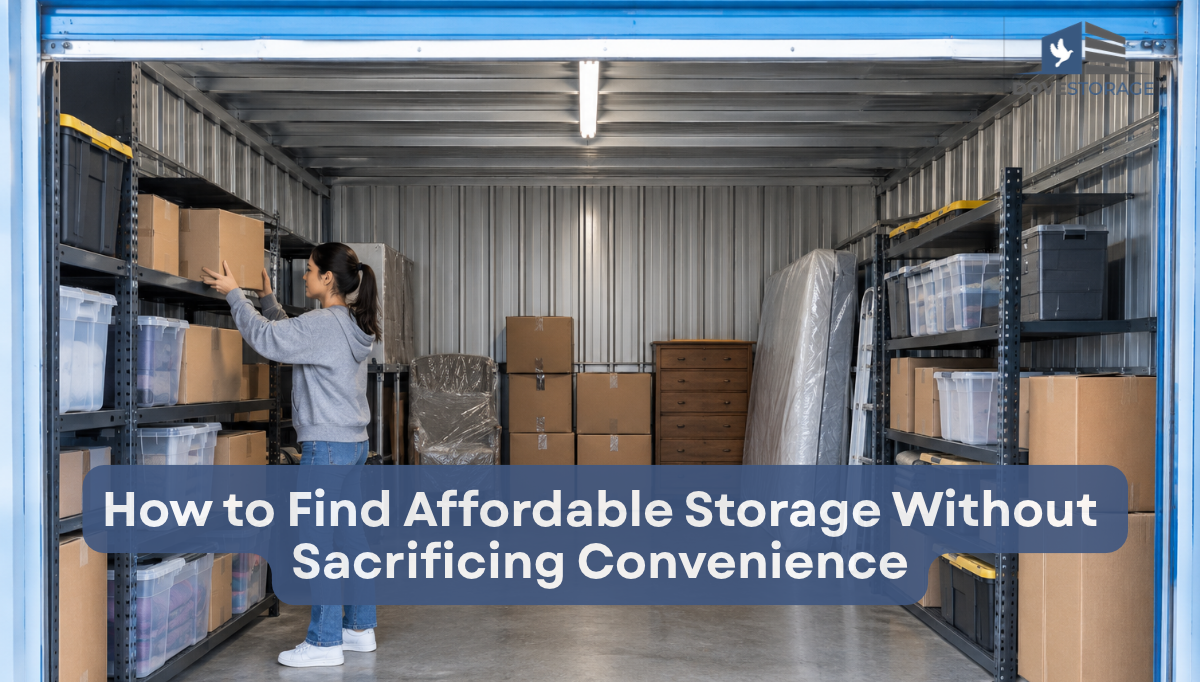
Discover how to find affordable self-storage without sacrificing convenience with tips on unit sizes, rental costs, location, security, and flexible storage options.

Learn how to store clothing long-term without damage with tips for cleaning, packing, moisture protection, organization, and choosing the right storage environment.
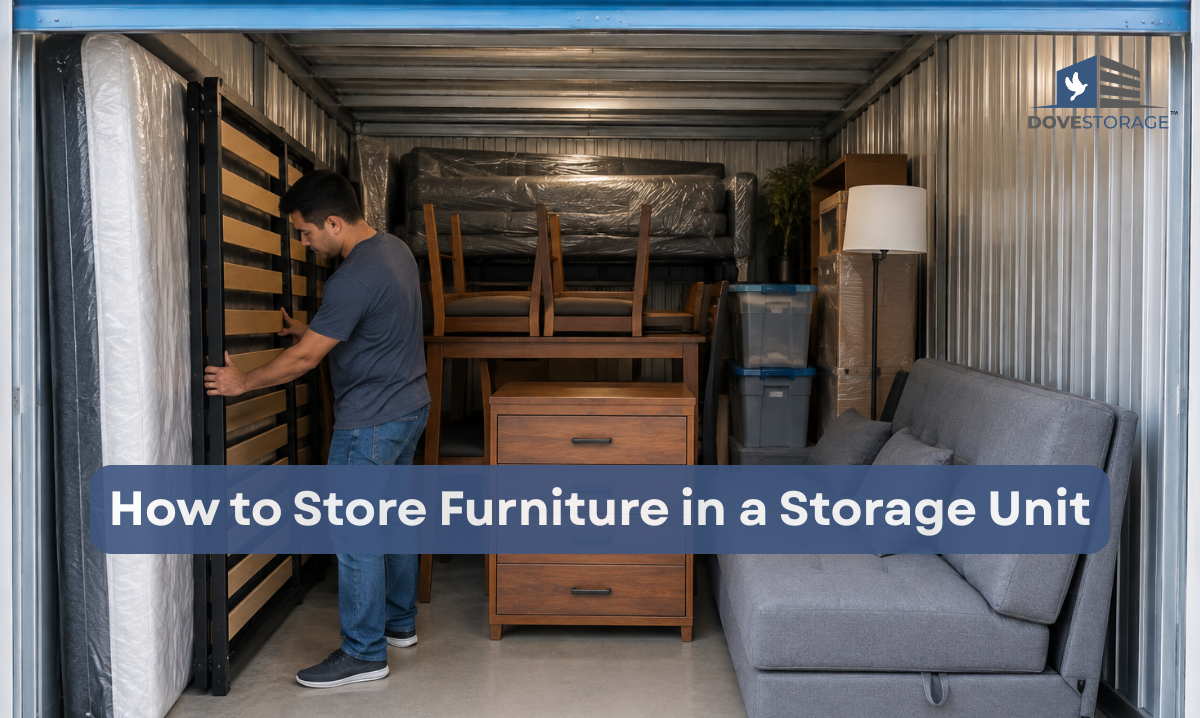
Learn how to store furniture safely in a storage unit with tips for cleaning, packing, protecting, organizing, and choosing the right storage space.

Learn how to choose the right vehicle storage solution based on size, access, security, protection, and budget for cars, motorcycles, boats, and more.
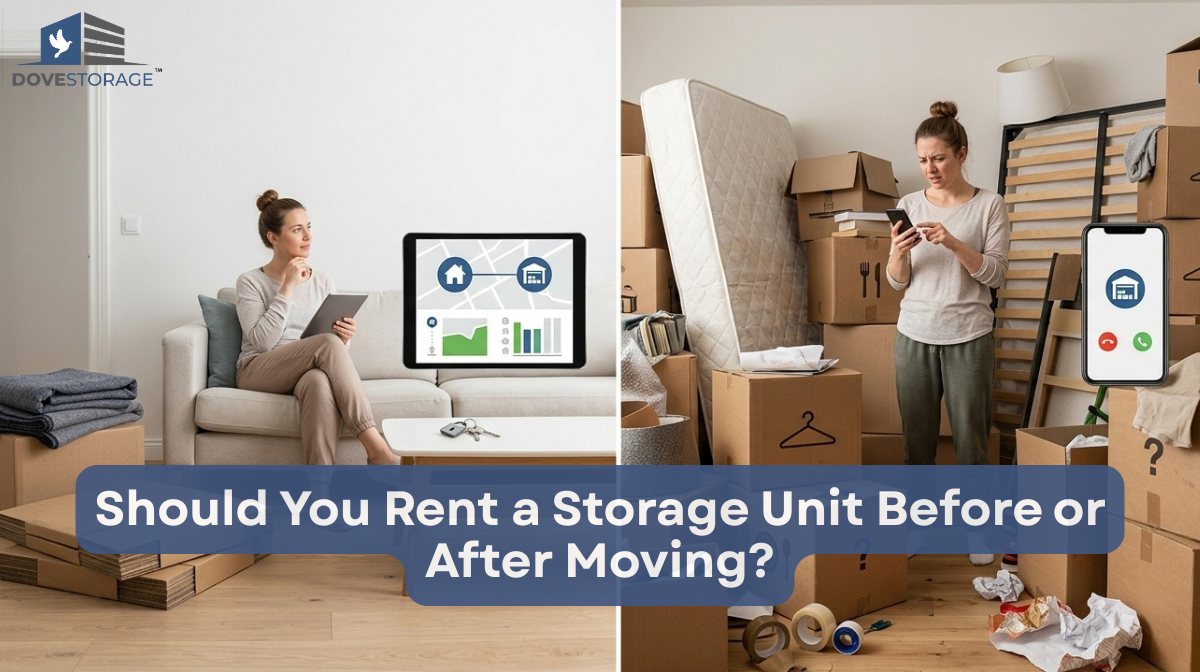
Should you rent a storage unit before or after moving? Learn how self-storage can simplify packing, moving between homes, downsizing, and settling into your new space.

Declutter your home without feeling overwhelmed with simple, manageable steps for sorting, organizing, storing, donating, and creating a more functional space.

Not sure if you need a storage unit? Discover common signs it’s time for extra space, from home clutter and moving to downsizing, seasonal storage, and business needs.
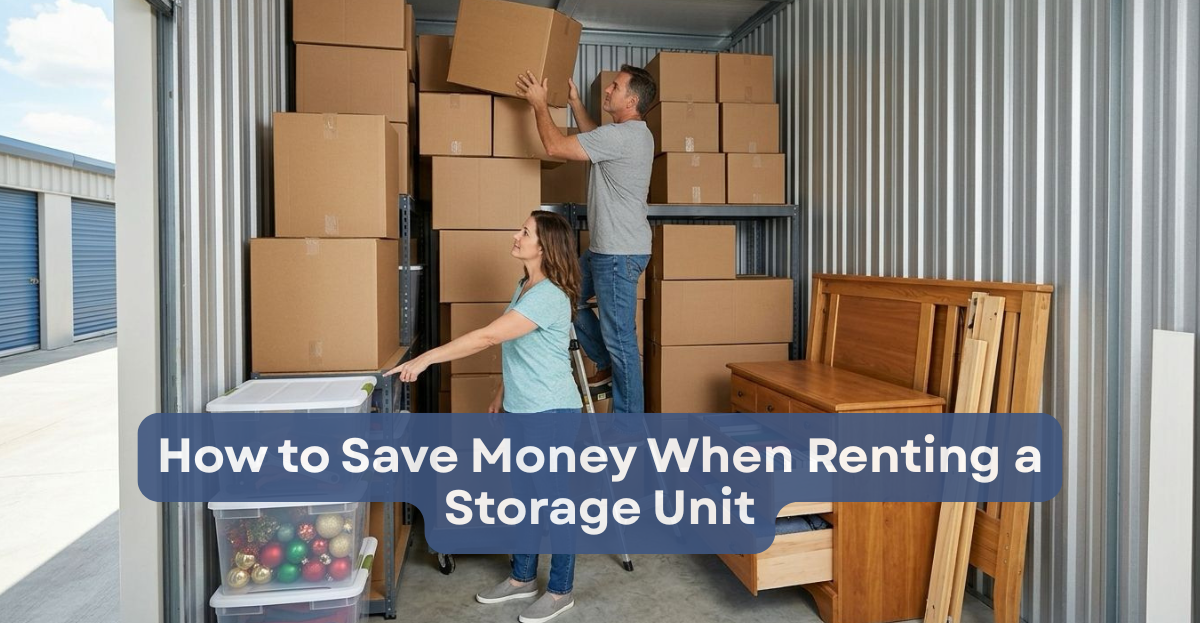
Save money on self-storage with practical tips for choosing the right unit size, comparing prices, packing efficiently, decluttering, and maximizing your storage budget.
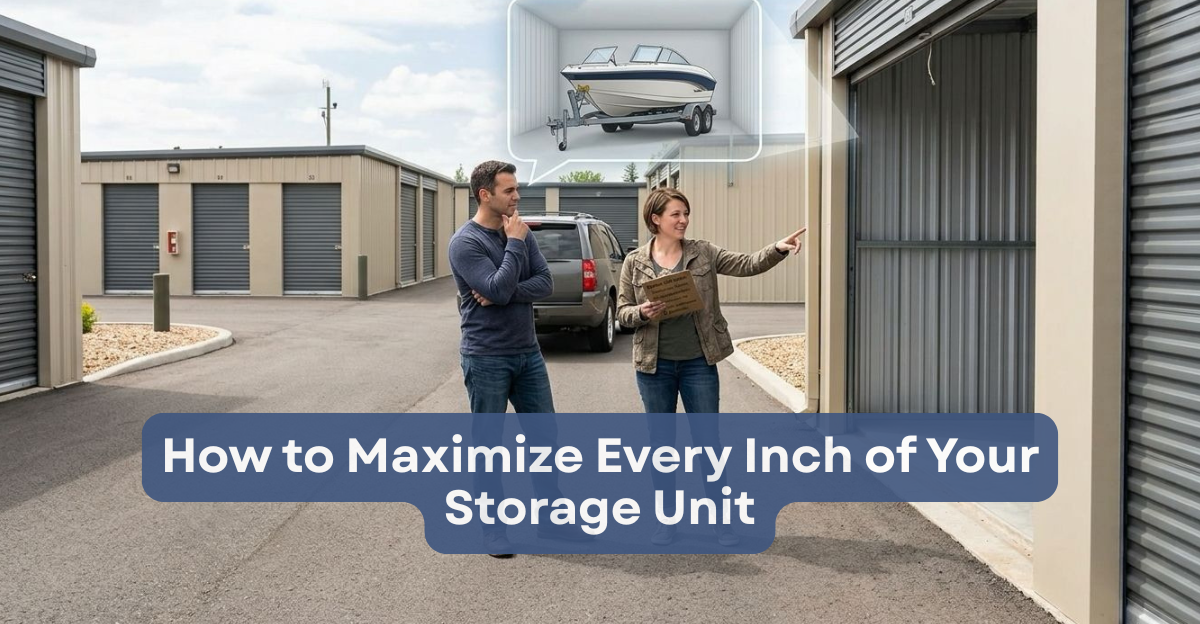
Maximize every inch of your storage unit with smart packing, stacking, labeling, and organization tips that save space while keeping belongings accessible.

Discover the top reasons people rent self-storage units, from creating more space and moving to storing seasonal items, business inventory, and sentimental belongings.