Seasonal Storage for Retail Inventory Overflow

Dove Storage • September 10, 2025
For retailers across the U.S., seasonal fluctuations in sales and inventory are a constant challenge. Whether it’s stocking up for the holidays, preparing for back-to-school shopping, or managing spring and summer promotions, the need for extra space often exceeds what a store’s stockroom can handle. Instead of cramming aisles or renting expensive commercial space, many retailers turn to self-storage units as a practical, cost-effective solution for seasonal inventory overflow. Here’s why seasonal storage has become a go-to strategy for retailers—and how to make the most of it.

1. The Challenge of Seasonal Inventory
Retailers face unique storage challenges throughout the year:

  • Holiday Surges: From Halloween costumes to Christmas décor and gift sets, demand spikes sharply in the last quarter of the year.
  • Back-to-School Season: Stores must stock backpacks, school supplies, and seasonal apparel well in advance of August and September.
  • Spring and Summer Lines: Patio furniture, outdoor gear, and seasonal clothing lines often arrive months before they hit the shelves.

Without extra space, this overflow can clutter stockrooms, reduce efficiency, and make it harder for staff to access everyday inventory. That’s where seasonal storage units come in.

2. Why Self-Storage Makes Sense for Retailers
Self-storage offers a flexible, affordable alternative to leasing larger commercial warehouses. Key benefits include:

  • Cost-Effectiveness - Renting a storage unit is significantly cheaper than committing to larger retail or warehouse space. Retailers can adjust unit sizes seasonally, paying only for the space they need.
  • Flexibility - Unlike long-term warehouse contracts, most self-storage facilities offer month-to-month rentals. This allows businesses to scale storage up or down depending on inventory needs.
  • Convenience - With nationwide availability and 24/7 access options, retailers can easily retrieve items when needed, keeping operations smooth during busy seasons.
  • Security - Modern self-storage facilities feature surveillance, gated access, and sometimes climate-controlled units, ensuring that valuable inventory stays safe and protected.

3. What Retailers Commonly Store
Seasonal storage is versatile and can accommodate almost any type of retail inventory. Common items include:

  • Holiday Merchandise: Decorations, lights, costumes, and seasonal gifts.
  • Promotional Displays: Signs, shelving, mannequins, and event setups not used year-round.
  • Excess Apparel: Off-season clothing lines such as winter coats in summer or swimsuits in winter.
  • Bulk Purchases: Overstocked items purchased in advance at a discount.
  • Outdoor Gear: Lawn equipment, furniture, or sports items waiting for seasonal demand.

By rotating items in and out of storage, retailers can keep shelves fresh and stockrooms uncluttered.

4. Choosing the Right Storage Unit
Not all storage facilities are created equal. When selecting a unit for retail inventory overflow, consider:

  • Size Options: Units range from small lockers to warehouse-sized spaces. Retailers should assess how much seasonal inventory they typically store.
  • Climate Control: Essential for apparel, electronics, and items sensitive to heat or humidity.
  • Accessibility: Look for facilities with drive-up access for easy loading and unloading of bulk items.
  • Security Features: Ensure the facility offers surveillance cameras, gated entry, and individual locks.
  • Proximity to Store: Choosing a facility near the retail location saves time and transportation costs.

5. Best Practices for Seasonal Storage
To maximize efficiency, retailers should adopt smart storage habits:

  • Create an Inventory System: Keep a digital record of what’s in storage, including descriptions and quantities.
  • Label Clearly: Use durable labels or barcodes for quick identification.
  • Organize by Season: Group items by holiday or season for easy retrieval when needed.
  • Use Pallets and Shelving: Elevate items to protect against moisture and improve accessibility.
  • Plan Ahead: Move inventory into storage early to avoid last-minute clutter before busy sales periods.

By treating storage as an extension of their stockroom, retailers can ensure smooth seasonal transitions.

6. Case Example: A Holiday Pop-Up Store
Consider a retailer that operates a seasonal pop-up shop for the winter holidays. Instead of renting expensive year-round warehouse space, they rent a self-storage unit each fall. This allows them to:

  • Store décor, displays, and seasonal stock until needed.
  • Rotate out-of-season items, keeping only current products in the store.
  • Save thousands in overhead while ensuring everything is secure and accessible.

This model demonstrates how self-storage provides flexibility and affordability for small and large retailers alike.

7. The Competitive Advantage of Smart Storage
Retail is about efficiency and customer experience. A clutter-free stockroom helps employees work faster, ensures accurate inventory management, and creates a more organized operation. By using seasonal self-storage, retailers gain:

  • More Selling Space: Keep the store floor focused on customers, not excess stock.
  • Better Organization: Quickly rotate displays and merchandise.
  • Lower Costs: Avoid the expense of permanent warehouse space.

Ultimately, seasonal storage is not just about saving space—it’s about giving retailers a competitive edge during busy sales cycles.

For retailers, managing seasonal inventory overflow doesn’t have to mean overcrowded stockrooms or costly leases. Self-storage units offer a flexible, secure, and cost-effective solution to keep operations running smoothly year-round. With the right planning and facility choice, seasonal storage becomes a strategic tool for maximizing space, reducing costs, and enhancing business efficiency. If your store is gearing up for the holidays or preparing for the next big sales season, now is the perfect time to consider how seasonal storage can work for you.
By Dove Storage January 16, 2026
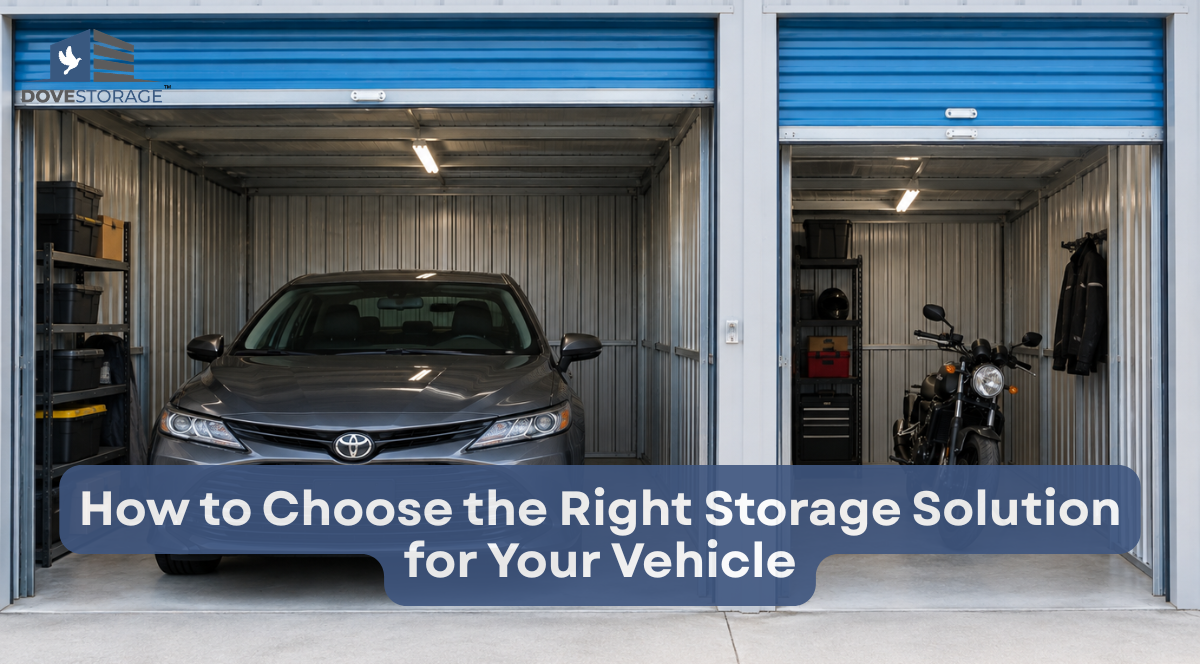
Vehicles are more than just transportation—they’re investments. Whether it’s a classic car you only drive on weekends, a boat reserved for summer adventures, or an RV that fuels your road trips, finding the right place to store these vehicles can be a challenge. Limited driveway space, HOA restrictions, and exposure to weather often make home storage impractical. That’s where professional vehicle storage comes in. Self-storage facilities offer secure, flexible solutions designed to protect your vehicles while freeing up space at home. Understanding your options can help you choose the right storage solution for your car, boat, or RV—and keep it in great condition year-round. Here’s a breakdown of the most common vehicle storage options and how to decide what works best for your needs. 1. Understanding Vehicle Storage Types Not all vehicle storage is the same. The right option depends on the size of your vehicle, how often you need access, and how much protection you want. Outdoor Storage Outdoor parking spaces are ideal for larger vehicles like boats, RVs, trailers, and work trucks. These designated spaces offer a convenient and cost-effective option for vehicles that don’t fit in a standard garage or driveway. Covered Storage Covered vehicle storage provides overhead protection from sun, rain, and snow while still offering the convenience of outdoor access. This option is popular for boats and RVs that benefit from added weather protection without needing full enclosure. Enclosed Storage Enclosed storage units offer the highest level of protection. These units are fully enclosed, similar to a private garage, making them ideal for classic cars, motorcycles, or vehicles you want shielded from dust, weather, and environmental exposure. At Dove Storage, vehicle storage options vary by location, allowing customers to choose a solution that fits their vehicle size and storage needs. 2. Car Storage: Protecting Everyday and Classic Vehicles Car storage isn’t just for collectors—it’s useful for anyone with limited parking space or seasonal vehicles. You might consider car storage if: You own a classic or vintage car You’re storing a secondary or seasonal vehicle You’re relocating or traveling for an extended period Your garage is needed for other uses Enclosed storage is often preferred for classic and high-value vehicles, while outdoor or covered options work well for daily drivers that simply need a secure parking space. Pro Tip: Before storing your car, clean it thoroughly, top off fluids, inflate tires properly, and use a car cover for added protection. 3. Boat Storage: Keeping Your Watercraft Ready for the Season Boats take up a lot of space, and many neighborhoods don’t allow driveway or street parking. Proper boat storage helps protect your investment and keeps it ready for the next launch. Common boat storage options include: Outdoor storage for easy loading and towing Covered storage to reduce sun and weather exposure Enclosed units for smaller boats and jet skis When choosing boat storage, consider the trailer length and turning clearance needed for easy maneuvering. Pro Tip: Drain water systems, remove valuables, and cover your boat securely before placing it in storage. 4. RV Storage: Space-Saving Solutions for Big Adventures RVs are built for freedom—but storing them at home isn’t always easy. RV storage facilities offer the space and accessibility these large vehicles require. Outdoor and covered RV storage are the most common options, providing ample room for: Motorhomes Travel trailers Fifth wheels Camper vans Storing your RV off-site helps prevent overcrowded driveways, reduces neighborhood concerns, and protects your vehicle when it’s not in use. Pro Tip: Disconnect batteries, seal vents and openings, and check tire pressure regularly during storage. 5. Choosing the Right Vehicle Storage Facility Selecting the right storage facility is just as important as choosing the right storage type. Look for features that support convenience, protection, and peace of mind, such as: Gated access Well-lit storage areas Clearly marked parking spaces Clean and well-maintained grounds Multiple size options to accommodate different vehicles Dove Storage facilities are designed with accessibility and security in mind, making them a trusted choice for vehicle storage across many locations. 6. Preparing Your Vehicle for Storage Proper preparation helps prevent issues while your vehicle is stored. Before storing any vehicle: Wash and dry thoroughly to prevent corrosion Remove personal items and valuables Check fluid levels and tire pressure Use covers when appropriate Lock doors and secure trailers Taking these steps helps ensure your vehicle is in the same condition when you retrieve it as when you stored it. 7. Enjoy More Space at Home One of the biggest benefits of vehicle storage is reclaiming space at home. By storing cars, boats, or RVs off-site, you can: Free up garage space Reduce driveway congestion Comply with HOA or city regulations Keep your property organized and uncluttered Vehicle storage gives you flexibility—without sacrificing convenience. Keep Your Vehicles Protected and Ready Vehicle storage isn’t just about parking—it’s about protecting what moves you. Whether you’re storing a car, boat, or RV, choosing the right storage option helps preserve your investment, reduce stress, and create more space at home. At Dove Storage , we offer a variety of vehicle storage solutions to meet your needs. From o utdoor parking to enclosed units, our facilities provide clean, secure, and accessible options designed to fit your lifestyle. Visit Dove Storage today to explore available vehicle storage options near you.
By Dove Storage January 13, 2026
Owning specialty items like vehicles, recreational equipment, or seasonal toys is exciting—but storing them can quickly become a challenge. From classic cars and motorcycles to boats, trailers, and extra vehicles, these valuable investments often require more space and care than a driveway or garage can provide. That’s where specialty storage comes in. Designed to accommodate larger, non-traditional items, specialty storage offers a practical way to protect what matters most while keeping your home and property clutter-free. Here’s how specialty storage can work for you—and how to make the most of it. 1. Understand What Specialty Storage Covers Specialty storage goes beyond standard household storage. It’s ideal for items that are oversized, seasonal, or not used daily. Common examples include: Cars, motorcycles, and classic vehicles Boats, jet skis, and watercraft RVs, campers, and trailers ATVs, snowmobiles, and recreational gear Commercial vehicles or business equipment Storing these items off-site helps reduce wear and tear, frees up valuable space at home, and keeps your property organized year-round. Pro Tip: Measure your vehicle or equipment before choosing a storage space to ensure a proper fit. 2. Choose the Right Storage Option Not all specialty items have the same storage needs. Selecting the right type of space helps protect your investment and makes access easier when you need it. Outdoor Storage: Best for larger vehicles like boats, RVs, and trailers. These spaces offer ample room and convenient maneuverability. Drive-Up Units: Ideal for motorcycles, small vehicles, or equipment that benefits from enclosed protection while allowing easy loading and unloading. Covered or Enclosed Storage (where available): Adds an extra layer of protection from the elements, helping reduce exposure to sun, rain, and debris. Choosing the right setup ensures your items are stored safely and efficiently without unnecessary hassle. 3. Prepare Your Vehicle or Equipment Before Storage Proper preparation can make a big difference in keeping your specialty items in great condition during storage. Before storing, consider the following steps: Clean thoroughly to remove dirt, salt, or debris Check fluid levels and top off as needed Disconnect batteries for long-term storage when appropriate Use protective covers designed for your vehicle or equipment Taking a little extra time upfront helps prevent issues and ensures everything is ready when it’s time to use it again. 4. Use Specialty Storage for Seasonal Convenience Many specialty items are only used part of the year. Specialty storage makes seasonal rotation simple and stress-free. For example: Store boats and watercraft during the off-season Keep motorcycles or ATVs stored during colder months Park RVs or campers when travel season ends This approach keeps your driveway, garage, and yard clear while ensuring your equipment is ready when the season returns. 5. Keep Your Property and Neighborhood Organized Homeowners’ associations, city regulations, or limited driveway space can make storing large vehicles at home difficult. Specialty storage provides a convenient alternative that helps you stay compliant while keeping your property looking neat and uncluttered. Instead of rearranging vehicles or sacrificing garage space, you can enjoy peace of mind knowing your items are stored properly off-site. 6. Protect Your Investment Long-Term Specialty vehicles and equipment represent a significant investment. Storing them in a dedicated space helps reduce exposure to environmental factors and accidental damage. When evaluating a facility, look for features such as: Gated access Well-lit areas Clearly marked storage spaces Clean, well-maintained grounds These elements help support long-term care and protection for your stored items. Pro Tip: Keep a simple checklist or digital record of stored items, including condition notes and photos, for easy reference. 7. Enjoy More Space at Home One of the biggest benefits of specialty storage is the freedom it creates at home. By moving large or seldom-used items off-site, you can: Reclaim garage space for everyday use Improve curb appeal Reduce congestion in driveways and yards Keep vehicles and equipment organized in one place Specialty storage allows your home to function better—without giving up the things you love to own. Make Specialty Storage Work for You Specialty storage isn’t just about space—it’s about convenience, protection, and peace of mind. Whether you’re storing a vehicle, recreational gear, or seasonal equipment, the right storage solution helps you protect your investment while keeping life organized. At Dove Storage , we offer a variety of storage options designed to support specialty storage needs across our locations. With clean facilities, flexible options, and convenient access, we make it easier to store more—and worry less. Explore specialty storage with Dove Storage and find the space that fits your lifestyle.
By Dove Storage January 9, 2026
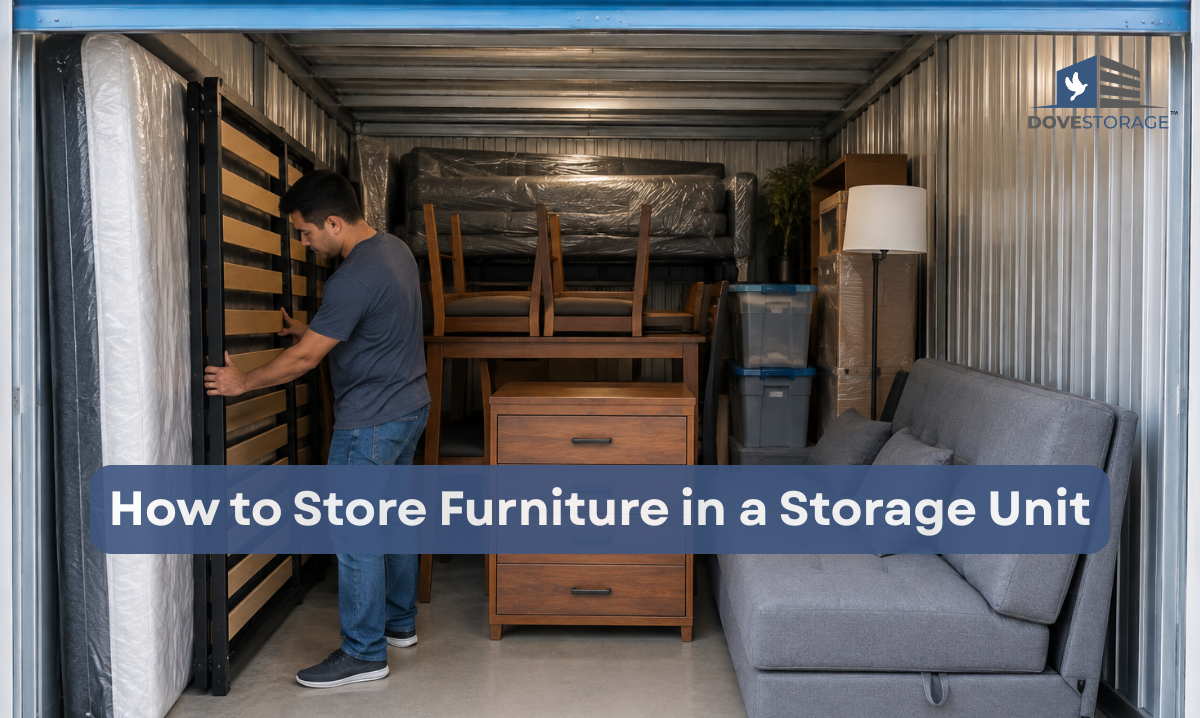
Storing furniture can be a challenge, especially when you want to keep your items in top condition. Whether you’re downsizing, renovating, or simply decluttering, a self-storage unit offers a safe and practical solution. With the right preparation and organization, you can protect your furniture from damage and ensure it’s ready for use when you need it. Here’s how to make the most of your storage space. 1. Prepare Your Furniture Before Storage Before moving furniture into a storage unit, preparation is key. Proper cleaning and disassembly can prevent damage and make items easier to store. Clean Thoroughly: Dust, vacuum, and wipe down surfaces to remove dirt, grime, or food residue that could attract pests or cause stains. Disassemble When Possible: Remove legs from tables, take apart bed frames, and separate sectional sofas. This reduces the risk of scratches and makes loading more efficient. Protect Surfaces: Use blankets, furniture pads, or bubble wrap on delicate surfaces like glass, mirrors, or polished wood. Pro Tip: Keep small parts like screws, bolts, and hardware in labeled bags taped to the corresponding furniture piece. 2. Choose the Right Storage Unit Not all self-storage units are created equal, and the type you choose can greatly impact the condition of your furniture. Climate-Controlled Units: These are ideal for wooden furniture, leather sofas, and electronics that are sensitive to temperature and humidity changes. They help prevent warping, cracking, or mold growth. Indoor Units: Provide extra protection from dust, pests, and fluctuating weather conditions. Accessible Units: Consider the layout of the unit—having a unit that allows for easy access can reduce the risk of accidental damage when moving items in or out. 3. Stack and Arrange Furniture Strategically Once your unit is ready, thoughtful placement will protect your furniture and maximize space. Use Vertical Space Wisely: Place heavier items on the bottom and lighter pieces on top. Avoid stacking too high to prevent tipping or crushing. Create Aisles: Leave walkways between rows of furniture to allow for safe access. Keep Items Off the Floor: Pallets or boards under furniture can protect against moisture and improve air circulation. Pro Tip: Cover upholstered furniture with breathable fabric covers instead of plastic to reduce moisture buildup and allow ventilation. 4. Protect Against Damage Even with careful packing, furniture can be vulnerable to scratches, dents, and environmental damage Use Padding: Wrap corners and edges with blankets, foam, or bubble wrap. Separate Wooden Pieces: Keep wood furniture from touching metal or other hard surfaces to prevent scratches. Avoid Direct Contact with Walls: Leave a small gap between furniture and unit walls to prevent scuffing or mold growth. 5. Label and Inventory Keeping track of your stored items will save you time and effort later. Label Each Item: Note what it is, the room it belongs to, and any special care instructions. Create a Furniture Map: Draw a simple layout of your unit to know where each piece is located. Pro Tip: Take photos of valuable or delicate furniture before storing—it helps with insurance claims or simply remembering their condition. 6. Regular Checks and Maintenance Your furniture will stay in better shape with occasional attention. Visit Periodically: Check for signs of moisture, pests, or shifting items. Rotate If Needed: Move items that might be compressed or blocked to allow even air circulation. Adjust Padding and Covers: Replace any coverings that have shifted or become damp. Proper storage ensures your furniture remains as beautiful and functional as the day you bought it. A little preparation, careful packing, and thoughtful organization can prevent damage and extend the life of your pieces. At Dove Storage, we offer clean, secure, and affordable self-storage units designed to protect your furniture and make storage simple. Visit us today to find the right unit for your furniture storage needs.
By Dove Storage January 6, 2026
As the seasons change, so do the items that take up space in our homes. Holiday décor, lawn tools, patio furniture, and winter gear each serve their purpose for only a few months out of the year—but finding a place to keep them the other nine months can quickly create clutter. Closets overflow, garages become chaotic, and valuable living space gets lost beneath piles of seasonal things. Self-storage offers a simple, flexible solution that keeps your home organized while protecting the belongings you only need part of the year. With the right approach, you can store seasonal items efficiently and access them easily when their season comes around again. Here’s how to make it work. 1. Start by Sorting Seasonal Items Thoughtfully Before moving anything into storage, take a few minutes to assess what you actually use. Walk through your garage, attic, or closets and sort items into four categories: keep, store, donate, and toss. Ask yourself: Will I need this item before next season? Does it take up too much space to keep at home? Is this something I only use seasonally? Holiday décor, lawn equipment, gardening tools, patio cushions, sports gear, and winter clothing are ideal candidates for seasonal storage. Moving these items out of your living areas helps restore order and create breathing room at home. Pro Tip: As you sort, group items by season. This makes packing—and unpacking—much easier later. 2. Choose the Right Storage Unit for Seasonal Items Different seasonal items have different storage needs. Selecting the right type of storage unit helps protect your belongings and makes access more convenient. Here’s what to consider: Climate-Controlled Units: Best for holiday décor, seasonal clothing, candles, wood items, photos, or anything that might warp or deteriorate in extreme temperatures. Drive-Up Units: Perfect for bulky gear such as snow blowers, lawn mowers, bicycles, or patio furniture. Drive-up storage makes loading and unloading much easier. Indoor Units: Offer added weather protection and great for items that need a stable environment. Dove Storage offers a variety of unit sizes and types designed to fit seasonal storage needs—from small units for décor to large units for equipment and furniture. 3. Pack and Organize Seasonal Items for Long-Term Efficiency Packing properly helps prolong the life of your belongings and keeps your storage unit easy to navigate. Use these tips: Use durable, uniform boxes: They stack well and prevent items from being crushed. Label each box clearly: Include the contents and the season they belong to (e.g., “Christmas – Lights & Ornaments”). Use shelving when possible: This keeps smaller items off the floor and helps maximize space. Store heavy items low, lighter items high: To prevent damage and make grabbing them safer. Pro Tip: Pack fragile holiday décor in padded containers or specialty ornament bins to avoid breakage. 4. Prepare Lawn Equipment and Outdoor Gear Before Storing Lawn equipment and outdoor furniture require a bit of preparation before being placed into storage. A few simple steps can extend their life and ensure they’re ready to use next season. For lawn equipment: Empty fuel from mowers and trimmers Clean off grass and debris Oil metal parts to prevent rust Remove batteries For patio furniture: Clean cushions and allow them to fully dry Protect furniture with breathable covers Disassemble pieces if possible to save room Taking these steps helps avoid mildew, rust, and damage during off-season months. 5. Rotate Items In and Out With the Seasons Seasonal rotation is one of the biggest advantages of having a storage unit. It keeps your home clutter-free and functional throughout the year. Here’s a simple rotation schedule: Spring/Summer Storage: Holiday decorations Winter clothing and boots Snow blowers and shovels Space heaters Ski gear Fall/Winter Storage: Lawn mowers and gardening tools Pool toys and beach gear Patio furniture Camping equipment Sports equipment for warm-weather activities This approach creates a natural flow that keeps your home organized and your storage unit useful all year long. 6. Protect Fragile and Sentimental Seasonal Items Many seasonal belongings—such as ornaments, keepsakes, vintage decorations, or specialty tools—need extra care. Use these protection tips: Store décor in airtight or moisture-resistant containers Wrap fragile items individually Keep valuable or delicate items in climate-controlled units Use plastic bins instead of cardboard for long-term durability Pro Tip: Keep a digital inventory of stored seasonal items. It prevents duplicate purchases and saves time when searching for something. 7. Keep Your Storage Unit Organized Season After Season Maintaining your storage unit is just as important as organizing your home. With seasonal items rotating in and out, aim for a quick check-in every few months. To stay organized: Keep the most recent season’s items near the front Avoid overpacking boxes Use shelving to prevent piles from toppling Adjust your layout as your seasonal needs change Regular check-ins ensure your unit stays functional and clutter-free—even as your belongings shift throughout the year. A tidy home isn’t about minimizing what you own—it’s about managing it smartly. Seasonal storage helps you enjoy an organized home year-round without giving up the décor, equipment, and gear that make every season enjoyable. At Dove Storage , we provide clean, secure, and budget-friendly storage options to keep your seasonal items protected and out of the way until you need them again. Visit Dove Storage today to find the perfect space for your seasonal storage needs.
By Dove Storage January 2, 2026
Moving items into a storage unit doesn’t have to be overwhelming. With a little planning, organization, and smart packing techniques, you can make the process smooth, efficient, and stress-free. Whether you’re storing seasonal items, furniture, or sentimental keepsakes, these strategies will help you protect your belongings and keep your storage unit organized from the start. 1. Plan Ahead and Make a Checklist Before you start moving, take a few minutes to plan your storage move. A clear plan helps you avoid last-minute chaos and ensures nothing gets forgotten. Inventory Your Items: Make a list of everything you plan to store. This helps with packing and labeling. Decide What to Store First: Place frequently used items or seasonal gear in boxes that are easy to access. Estimate Box and Supply Needs: Gather boxes, packing tape, bubble wrap, and markers in advance to avoid interruptions. Pro Tip: Break down the move into manageable steps rather than trying to do everything at once. 2. Use Proper Packing Techniques Packing correctly protects your belongings and makes loading your storage unit easier. Uniform Boxes: Using boxes of similar size makes stacking simpler and maximizes space. Label Everything Clearly: Include contents and the room each item belongs to for easy retrieval. Wrap Fragile Items: Use bubble wrap, packing paper, or towels to prevent damage. Fill Empty Spaces: Use soft items like blankets or towels to fill gaps inside boxes and prevent shifting. Pro Tip: Place heavier items on the bottom and lighter boxes on top to avoid crushing fragile belongings. 3. Organize Your Storage Unit Strategically How you arrange items in your storage unit can save time and reduce stress later. Create a Clear Path: Leave a walkway so you can reach items in the back without moving everything around. Front-to-Back Access: Store items you’ll need more often near the front. Less-used items can go in the back. Use Vertical Space: Stack boxes carefully and consider adding shelving to maximize storage. Pro Tip: Keep a small map or inventory list showing where items are stored to make retrieval easier. 4. Protect Your Items from Damage Proper protection keeps your belongings safe while in storage. Plastic Bins for Sensitive Items: Use airtight bins for documents, photos, or fabric items to keep them safe from dust or moisture. Cover Furniture: Blankets or furniture pads prevent scratches and dents during transport and storage. Keep Electronics Safe: Remove batteries from devices and store in original packaging if possible. Pro Tip: Avoid placing items directly on the floor to reduce the risk of moisture damage—use pallets or shelving. 5. Pack Smart for Easy Moving The easier your items are to move, the less stressful the process will be. Group Similar Items: Keep like items together to simplify unpacking. Use Smaller Boxes for Heavy Items: Books, tools, and kitchenware are easier to carry in smaller boxes. Disassemble Large Furniture: Remove legs or shelves to make pieces easier to transport. Pro Tip: Take photos of complex furniture or electronics before disassembly so you can reassemble without hassle. 6. Take Advantage of Seasonal Rotations Using your storage unit to rotate seasonal items keeps your home organized year-round. Seasonal Gear: Store winter coats and sports equipment during warmer months and swap them with summer gear when needed. Holiday Décor: Pack holiday decorations and décor into labeled boxes so they’re easy to find when the season comes. Pro Tip: Keep a seasonal schedule to know exactly when items need to be swapped out. 7. Maintain an Organized Storage Unit Even after everything is moved, a little upkeep keeps your storage unit efficient. Regular Check-ins: Visit periodically to rotate items, reorganize, and inspect for damage. Avoid Overpacking: Heavy boxes can crush lighter ones, so stack with care. Update Your Inventory: Keep a running list of stored items to prevent duplicates or forgotten belongings. Pro Tip: Treat your storage unit like an extension of your home—it’s easier to manage if you keep it organized from day one. Moving items into a storage unit doesn’t have to be stressful. With careful planning, smart packing, and organized placement, you can protect your belongings and save time during retrieval. At Dove Storage , we offer clean, secure, and affordable storage units to make your move easier. Explore our storage solutions today and find the perfect fit for your home organization needs.
By Dove Storage December 30, 2025
Storing items for the long term can feel overwhelming, especially if you want to protect them from damage while keeping your storage organized. Whether you’re relocating, downsizing, or simply creating space at home, proper preparation is key. With a few thoughtful steps, you can ensure your belongings stay safe and accessible—even months or years later. Here’s how to get started. 1. Assess What Needs Long-Term Storage Before you pack anything, take a careful look at your items. Ask yourself: Is this something I’ll need in the next few months or years? Could this item be damaged if stored improperly? Does it have sentimental or financial value? Items like seasonal décor, furniture, collectibles, documents, and keepsakes are ideal candidates for long-term storage. Start by grouping them based on how you’ll use or access them in the future. Pro Tip: Create a simple inventory list with descriptions and photos of your items. This helps track what’s in storage and avoids unnecessary duplicate purchases. 2. Choose the Right Storage Unit Not all storage units are designed for long-term use. Selecting the right type can protect your items from temperature swings, moisture, and pests. Consider these options: Climate-Controlled Units : Best for sensitive items like electronics, wooden furniture, artwork, and important documents. These units maintain consistent temperature and humidity levels. Drive-Up Units : Convenient if you plan to access bulky items periodically. I ndoor Units : Provide an extra layer of protection from weather and pests, helping preserve delicate belongings. Choosing a unit suited to your items’ needs will save you time, money, and stress down the road. 3. Clean and Prepare Items Properly Long-term storage works best when items are clean and protected. Furniture: Dust, clean, and polish wooden surfaces. Cover with breathable furniture covers or sheets. Avoid plastic wrap directly on wood, as it can trap moisture. Clothing and Textiles: Wash, dry, and fold garments before storing. Store in airtight containers or vacuum-sealed bags to protect against moisture, dust, and pests. Electronics: Remove batteries and store in original packaging if possible. Wrap cords separately and label them clearly. Documents and Photos: Use acid-free folders, plastic bins, or waterproof containers to prevent water damage or fading. Pro Tip: Avoid storing items directly on the floor. Use pallets or shelving to improve airflow and prevent moisture damage. 4. Pack Efficiently for Long-Term Storage Proper packing protects your items and maximizes your storage space: Use Sturdy Boxes: Heavy-duty, uniform boxes stack easily and reduce the risk of crushing. Label Everything: Include the contents and room for each box. Numbering your boxes can also make tracking easier. Wrap Fragile Items: Use bubble wrap, packing paper, or blankets for breakables. Fill gaps in boxes to prevent shifting during storage. Disassemble When Possible: Remove legs from tables or shelves, and nest smaller items inside larger ones to save space. Pro Tip: Keep an aisle in your storage unit for easier access to boxes stored at the back. 5. Protect Against Moisture and Pests Long-term storage requires proactive protection: Place moisture absorbers or silica gel packets inside boxes with sensitive items. Avoid storing items that can attract pests, such as food or organic material. Consider a dehumidifier for units prone to humidity. Taking these precautions will help ensure your items remain in the same condition as when you packed them. 6. Organize for Future Access Even if your items won’t be accessed often, organization saves time: Keep seasonal or frequently needed items near the front. Group similar items together (e.g., holiday decorations, sports equipment, tools). Maintain a digital or physical inventory for quick reference. Pro Tip: Number your boxes and cross-reference with your inventory. This makes finding specific items much faster when you need them. 7. Maintain Your Storage Over Time A little maintenance can prevent problems before they start: Periodically check for signs of moisture, pests, or damage. Reorganize boxes if items have shifted or settled. Update your inventory as you add or remove items. Routine attention ensures your long-term storage remains secure, clean, and accessible. Final Thoughts Long-term storage doesn’t have to be stressful. By preparing your items carefully, choosing the right unit, and staying organized, you can preserve your belongings for months—or even years—while keeping your home clutter-free. At Dove Storage , our clean, secure, and affordable storage units are designed to protect your items and fit your lifestyle. Explore our storage solutions today and take the first step toward a more organized home.
By Dove Storage December 23, 2025
Packing for a storage unit doesn’t have to feel overwhelming. With the right plan, you can maximize space, protect your belongings, and make it easy to find what you need later. Whether you’re storing seasonal décor, extra furniture, moving items, or keepsakes, a well-organized unit helps you stay clutter-free at home while keeping everything accessible and secure. Here’s how to pack and organize your storage unit efficiently. 1. Start With a Clear Plan Before You Pack Before placing anything into your storage unit, take some time to plan what’s going in, how often you’ll need to access it, and what needs extra care. Sort items into groups: Store Keep at home Donate Discard Ask yourself: Will I need this soon, or is it seasonal? Does this item have sentimental or long-term value? Should this be stored in a sturdy bin or a simple moving box? This step saves time when loading your unit and prevents unnecessary clutter. Pro Tip: Create a simple inventory list—either on paper or on your phone—to track what you’re storing. 2. Choose the Right Storage Unit for Your Needs At Dove Storage, we offer a variety of unit types designed to protect your belongings and provide convenient access. Here are some options to consider: Climate-Controlled Units Ideal for sensitive items like photos, electronics, wood furniture, artwork, and documents. These units help maintain a stable temperature and humidity level, preserving your valuables over time. Drive-Up Units Perfect for heavy or bulky items. You can pull your vehicle right up to the door, making loading and unloading easier. Indoor Units Great for added protection from outdoor elements, often located inside secure, monitored buildings. Choosing the right space ensures your items stay in good condition and accessible when you need them. 3. Pack Smart for Safety and Space Efficiency Packing the right way is essential for maximizing your unit and keeping everything safe. Use Sturdy, Uniform Boxes Same-size boxes stack neatly and make it easier to build stable rows. Label Everything Clearly Write the room, category, and specific contents on each box. When you come back months later, you’ll be grateful you did. Use Shelving When Possible Shelving units help elevate boxes, improve airflow, and make it easier to grab what you need without digging through stacks. Leave a Center Aisle Creating a walkway down the middle of your unit ensures you can reach items in the back without having to move everything around. Pro Tip: Store heavier items on the bottom, lighter ones on top, and keep fragile items in protected corners or shelves. 4. Organize Based on How Often You’ll Need Items Accessibility is key. Place items you’ll need more frequently toward the front of the unit. Examples: Holiday décor Sports equipment Baby items you’re rotating out Tools or small appliances you use occasionally Less frequently used items—like long-term keepsakes, archived documents, or bulky furniture—can be placed toward the back. This simple strategy saves you time and keeps your unit frustration-free. 5. Protect Fragile, Valuable, and Sentimental Items If you’re storing items with personal or monetary value, it’s worth taking extra steps to keep them safe. Tips: Wrap breakables in bubble wrap or foam Use airtight bins for photos, documents, and fabrics Avoid stacking anything heavy on delicate items Keep electronics off the floor in case of unexpected moisture At Dove Storage, our facilities are equipped with features such as secured access points, onsite management, and well-maintained buildings to help protect your belongings. Pro Tip: Store mirrors, frames, and TVs vertically—not flat—to prevent damage. 6. Maximize Your Space With Smart Layout Techniques A strategic layout makes your unit feel larger and easier to navigate. Try these layout ideas: Line the walls with boxes and stack vertically Use furniture like dressers or bookshelves to store smaller items inside Place mattresses and bed frames upright to save space Fill hollow spaces—like drawers, bins, or plastic totes—with lighter items By using every inch intentionally, you’ll make your storage unit work harder for you. 7. Maintain Your Storage Unit Over Time Staying organized doesn’t stop after you close the door. Make it a habit to visit your unit periodically to: Rotate seasonal items Check boxes for wear or sagging Update your inventory list Rearrange items as needed to keep pathways clear A few minutes every season helps keep your storage unit efficient, safe, and ready whenever you need something. A Well-Packed Unit Makes Life Easier Packing and organizing your storage unit isn’t just about saving space—it’s about reducing stress, protecting what matters, and creating a more comfortable home. A well-planned storage strategy ensures you can find your belongings easily and keep your living space open and clutter-free. At Dove Storage, we’re here to make your storage experience simple, secure, and stress-free. Our clean, affordable units are designed to fit your needs—whether you're storing furniture, seasonal décor, or sentimental items. Visit Dove Storage today to find the perfect unit for your next move, home project, or decluttering journey.
By Dove Storage December 19, 2025
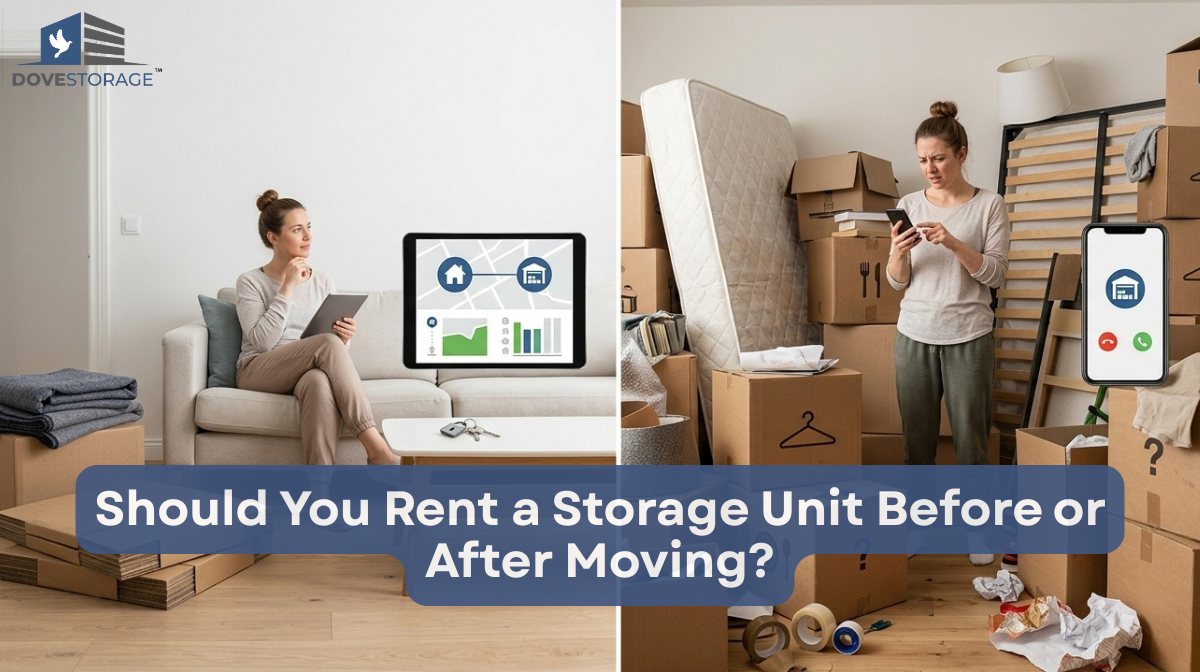
Moving into a new home—or simply reorganizing your current one—can feel overwhelming. Between packing, sorting, and trying to keep track of everything, it’s easy for clutter to pile up and stress to creep in. But with the right plan (and the right storage solutions), your move can feel smoother, more efficient, and far less chaotic. Whether you’re downsizing, upgrading, or giving your space a fresh start, using a storage unit can make the entire process more organized and manageable. Here’s how to approach moving and home organization with confidence—and how Dove Storage can support you every step of the way. 1. Start Fresh With a Strategic Declutter Before you pack a single box, take time to review what you own. Moving offers the perfect opportunity to start fresh and lighten the load. Walk through your home room by room and sort items into four simple categories: keep, pack, store, and let go. Ask yourself: Do I still need or use this? Is it seasonal or occasional? Will storing it make my move easier? Items like holiday décor, bulky sports gear, extra furniture, or keepsakes are great candidates for a storage unit. Storing these items before moving day helps reduce clutter and makes packing more focused and efficient. Pro Tip: As you sort, label items clearly—this saves time and prevents mix-ups later. 2. Pick the Best Storage Unit for Your Move Choosing the right type of storage unit can simplify your entire moving process. Here are a few options to consider: Climate-Controlled Units: Best for sensitive items like wood furniture, electronics, photos, and important documents. They help protect belongings from temperature and humidity changes. Drive-Up Units: Ideal for large or heavy items. Pull your vehicle right up to the door for easy loading and unloading. Indoor Units: A great option for added protection from weather, with access inside secure buildings. At Dove Storage , you’ll find a variety of unit sizes and types designed to fit your needs. Whether you’re storing a few boxes or an entire household’s worth of belongings, there’s a unit that matches your move. 3. Pack Smart for a Smooth Moving Day Packing isn’t just about getting items into boxes—it’s about setting yourself up for an organized new beginning. Here’s how to pack efficiently: Use uniform boxes so they stack easily and safely. Label all sides of your boxes with clear descriptions. Keep essentials separate , such as toiletries, clothing, chargers, or kitchen basics. Use sturdy bins or shelves inside your storage unit to keep everything accessible and off the floor. Pro Tip: Create a simple color-coding system for rooms—this makes unpacking a breeze. 4. Use Storage as a Staging Space One of the biggest moving hacks is using a storage unit as a temporary holding area. Store non-essential or bulky items before moving day so your home stays clutter-free while you pack. This makes: Cleaning easier Staging your home smoother Moving furniture safer and more organized Once you’re settled in your new place, you can bring items back gradually—or keep them stored for seasonal use. 5. Protect Your Most Important Belongings Whether you’re moving across town or reorganizing your home, some items need extra care. Consider using storage for valuables or fragile belongings, such as: Family heirlooms Photo albums or artwork Collectibles Important documents Antique furniture For added safekeeping, pack items in airtight or waterproof containers and store them in a secure, monitored facility like Dove Storage . Pro Tip: Keep a digital inventory so you always know where everything is. 6. Organize Your New Home With Purpose Once your move is complete, take your time settling in. A storage unit gives you the flexibility to bring items back into your home gradually—and intentionally. With fewer items to unpack at once, you can: Design each room intentionally Reorganize closets without pressure Keep garages and hallways clear Avoid clutter from day one A storage unit acts as an extension of your new home—available when you need it, out of the way when you don’t. 7. Maintain Your Storage Unit Over Time Just like your home, your storage unit works best when it’s maintained regularly. Every few months: Rotate seasonal items Check for damaged containers Refresh labels Reorganize shelves Remove items you no longer need Staying organized helps your storage unit remain a practical, efficient tool during and after your move. Make Your Move Easier With Dove Storage Moving doesn’t have to be stressful. With intentional planning, smart packing, and the convenience of a storage unit, you can create a more organized transition and a more comfortable home. At Dove Storage , we offer clean, secure, and affordable storage solutions designed to fit every stage of your move. Explore unit sizes, features, and availability at DoveStorage.com and find the perfect fit for your moving or organizing needs. Let’s make your next move your smoothest one yet.
By Dove Storage December 17, 2025
Keeping your belongings safe and in great condition starts with choosing the right storage solutions—and maintaining them well throughout the year. Whether you’re storing seasonal décor, family keepsakes, furniture, or business items, proper care and organization go a long way. With a little planning and the right storage setup, you can protect your items from temperature changes, dust, wear, and accidental damage. Here’s how to store your belongings confidently all year long. 1. Start With Smart Packing Before moving anything into storage, take time to pack with protection in mind. The right materials significantly reduce the risk of damage, especially during long-term storage. Here are a few essentials to use: Sturdy, uniform boxes for easier stacking Bubble wrap , packing paper, or foam to cushion delicate items Plastic bins for moisture-sensitive belongings Quality packing tape to secure boxes properly Ask yourself: What items are most fragile? What needs extra padding or a waterproof container? Which items will I need to access sooner? Pro Tip: Double-box breakables—like dishware and glass décor—for added security. 2. Choose the Right Storage Unit for Your Needs Not all items store the same way. Selecting the right type of storage unit is key to maintaining the condition of your belongings, especially during seasonal changes. At Dove Storage, you’ll find a variety of unit types designed to help safeguard your items year-round: Climate-Controlled Units: These maintain a stable environment, making them ideal for photos, wood furniture, electronics, documents, and artwork. Drive-Up Units: Perfect for bulky items, tools, equipment, and anything you want easier access to. Indoor Units: Located inside secure buildings, these offer an added layer of protection from outdoor elements. If you’re storing temperature-sensitive or high-value items, a climate-controlled unit is a smart investment. 3. Organize Your Storage Unit Thoughtfully Once you’ve packed everything, how you arrange your unit matters just as much. A well-organized unit keeps your items protected and makes future access stress-free. Try these tips: Use shelving: Keep boxes elevated for airflow and ease of access. Stack heavier boxes on the bottom, lighter boxes on top. Label everything clearly with item descriptions and rooms. Leave a small aisle down the center so you can reach items without unstacking everything. Pro Tip: Keep frequently used items—like seasonal decorations or sports gear—near the front. 4. Protect Items From Temperature & Seasonal Changes Seasonal temperature shifts are one of the biggest threats to stored belongings. Even in well-maintained facilities, certain items need extra care to avoid warping, fading, cracking, or mildew. Here’s how to protect your items year-round: Use climate-controlled storage for wood furniture, electronics, photos, collectibles, and paperwork. Avoid plastic bags , which trap moisture and cause mold. Use breathable fabric covers for furniture and mattresses. Place moisture absorbers (like silica gel packs) inside boxes with sensitive items. Rotating seasonal items—like holiday décor, winter coats, or summer gear—also helps prevent overcrowding and keeps your unit organized. 5. Keep Valuables and Sentimental Items Extra Secure If you’re storing irreplaceable pieces or family keepsakes, give them a little additional protection. Dove Storage locations offer gated access, secure indoor units, and well-maintained facilities to help keep your possessions safe. For your most important items: Use airtight, waterproof bins for photos, documents, and fabric items. Wrap delicate memorabilia individually. Keep a digital inventory with photos and descriptions of stored items. This keeps your belongings protected and makes it easier to track what’s inside your unit. 6. Add Protective Accessories A few small accessories go a long way in preventing accidental damage: Furniture covers to protect against dust Pallets or shelving to keep items off the ground Corner protectors for mirrors, frames, or furniture Lock upgrades, such as disc locks, for added peace of mind Pro Tip: Always lock your unit with a high-quality lock—it's one of the simplest ways to enhance security. 7. Check Your Storage Unit Periodically Just like your home, your storage unit benefits from occasional check-ins. Seasonal visits help ensure everything stays organized and protected. During your visits, make sure to: Rotate seasonal items in or out Check boxes for signs of wear or shifting Replace any damaged packing materials Review your inventory list A little maintenance goes a long way in keeping your belongings safe all year long. Storing your belongings doesn’t have to be stressful. With careful packing, smart unit selection, and a consistent organizing system, you can keep your items protected no matter the season. At Dove Storage, we provide clean, secure, and affordable storage options designed to make storing simpler and safer. Whether you're storing household items, business supplies, or seasonal essentials, our units help you stay organized and worry-free—year-round. Visit Dove Storage to find the perfect unit for your needs today.
By Dove Storage December 12, 2025
Keeping your belongings safe is one of the most important things when you choose a storage unit. At Dove Storage, we know peace of mind matters just as much as space. Whether you're storing household items, business inventory, or keepsakes, here are the key security features you should look for — and how Dove Storage delivers. 1. Secure Access Controls Before anything else, your storage facility should make sure only authorized people can enter. Gated or locked perimeter – prevents unauthorized vehicles or folks from entering. dovestorage.com+2dovestorage.org+2 Personalized access codes or keycards for each tenant – so you know access is limited to who should be there. dovestorage.com+1 Drive-up or indoor unit layouts where access points are controlled and supervised. Indoor units typically offer added protection. dovestorage.com+1 Why this matters: If your items are stored behind strong access control, there’s less chance of unauthorized entry, theft or accidental access. At Dove Storage we provide locked entry points and verified tenant access so your unit isn’t just out of sight—it’s out of reach from the wrong people. 2. Surveillance & Monitoring Once access is locked down, the next layer is monitoring. High-definition surveillance cameras covering key zones: entrances, unit halls, exterior perimeters. dovestorage.com+1 Motion sensors or activity detection systems to send alerts if something unusual happens. dovestorage.org+1 Well-lit exteriors and unit corridors to improve visibility and safety. dovestorage.com Why this matters: The presence of cameras and sensors deters potential threats and also helps if you ever need to review an incident. It ensures your items are under watch even when you’re not there. 3. On-Site and Unit-Specific Protections It’s one thing to secure the facility at large; it’s another to safeguard what’s inside your unit. Clean, well-maintained buildings that show the operator is invested in security and upkeep. dovestorage.org Indoor or climate-controlled units that add an extra layer by being inside a secure structure. dovestorage.org+1 Strong, tamper-resistant locks on individual units and encouragement for tenants to use high-quality padlocks. dovestorage.com+1 Why this matters: Even if the facility is secure, if your unit is poorly maintained, or the door lock is cheap, your items may still be vulnerable. At Dove Storage, we partner secure facility design with tenant-friendly advice for best practices (e.g., quality locks, well-stacked units). 4. Digital & Tech-Driven Features Modern facilities go beyond fences and cameras. Digital rentals, access logs, and online payment systems for less paperwork and more transparency. dovestorage.org Smart access systems: keyless entry codes, mobile apps, or unique tenant verification. dovestorage.com Automated monitoring systems that alert staff to anomalies faster. dovestorage.com+1 Why this matters: Technology can make your storage experience smoother and safer — less manual handling means fewer gaps. By integrating digital access and logs, Dove Storage ensures that access is both convenient for you and accountable for us. 5. Transparent Protection & Customer Participation Security isn’t just about what the facility provides—it’s also about what you do. Clear guidelines on what you should store (and how) to minimize risk. dovestorage.com+1 Advice on keeping an inventory of your stored items, taking photos, and using quality containers/locks. dovestorage.com Protection plan or insurance options to cover unexpected events or losses. dovestorage.com Why this matters: The best security features in the world won’t fully protect you if you don’t participate in the process. At Dove Storage we’ll walk you through best practices: packing well, labeling clearly, and keeping records to make sure your items are retrievable and protected. 6. Routine Maintenance & Facility Condition A strong security system is only effective if the facility is well-maintained. Regular inspections to ensure cameras, gates, locks, and lighting are all operational. Clean, dry storage units free from leaks, pests, or structural issues. dovestorage.org+1 Clear signage, good landscaping (which can reduce hiding spots), and safe pathways for customers. Why this matters: A neglected facility raises risk — from water damage to break-ins. At Dove Storage we commit to clean, well-kept facilities because security starts with good upkeep. 7. Access for Peace of Mind (Within Operational Structure) While some storage providers advertise “round-the-clock” access, what matters most is that you can access your unit when you need it, and that access is secure. During operating hours (or the access hours your facility supports), the facility should manage secure entry and exit. Even outside normal hours (if available), access should still be covered by the same strong controls, surveillance and logging. Your ability to retrieve items shouldn’t compromise security—for example, by having unlocked doors or unrestricted entry. Why this matters: The flexibility to access your items is valuable—but only if it doesn’t reduce safety. At Dove Storage we focus on giving you secure access under controlled conditions, so you’re never trading convenience for risk. Final Thoughts Choosing a storage unit is more than just finding space—it’s about finding safe space. With the right features in place, you can store with confidence. At Dove Storage, we bring together solid access controls, modern surveillance, digital tools, and customer-centered practices so you can focus on what matters: your belongings, not the “what ifs.” If you’re ready to store items and want a facility built with security in mind, visit us or contact us to learn how Dove Storage can help make a smart, safe choice for your storage needs.