Why Self-Storage Is a Smart Solution During Life Transitions
Dove Storage • January 30, 2026
Life is full of changes—some exciting, some challenging, and many a mix of both. Whether you’re moving to a new home, downsizing, starting a new job, welcoming a new family member, or navigating a major life shift, transitions often come with one common challenge: what to do with all your stuff.
During these moments, self-storage can be a practical, stress-relieving solution. Instead of making rushed decisions about what to keep, sell, or discard, storage gives you flexibility, breathing room, and control while you adjust to your new circumstances. Here’s how self-storage can support you through life’s transitions.
1. Moving Made Simpler
Moving is one of the most common—and stressful—life transitions. Timelines don’t always line up perfectly, and new spaces may be smaller or temporarily unavailable. A self-storage unit allows you to move at your own pace.
You can store furniture, boxes, and household items while waiting to close on a home, complete renovations, or settle into a new place. This flexibility helps reduce pressure and keeps your belongings safe and organized during the process.
Pro Tip:
Use storage as a staging area—move nonessential items first so your move-in day feels more manageable.
2. Downsizing Without the Stress
Downsizing often comes with emotional decisions, especially when letting go of items tied to memories or milestones. Whether you’re transitioning to a smaller home, condo, or apartment, self-storage lets you downsize thoughtfully.
Instead of parting with belongings right away, you can store furniture, heirlooms, and keepsakes until you’re ready to decide what truly fits your new lifestyle. This approach makes downsizing feel less overwhelming and more intentional.
3. Supporting Growing Families
Life transitions aren’t always about having less space—sometimes, they’re about making room for more. New babies, blended families, or multigenerational living arrangements can quickly change how your home functions.
Self-storage helps free up space by storing items you’re not currently using, such as extra furniture, seasonal gear, or rarely used household items. Clearing space at home allows you to focus on what matters most during these exciting changes.
4. Career Changes and Temporary Relocations
New jobs, remote work opportunities, or temporary relocations can create uncertainty around housing and long-term plans. If you’re relocating for work, traveling for extended periods, or transitioning between roles, self-storage offers a flexible solution.
By storing your belongings, you avoid long-term commitments or rushed decisions while keeping your items secure until your next step becomes clear.
5. Handling Life’s Unexpected Changes
Not all transitions are planned. Divorce, loss of a loved one, or sudden changes in living arrangements can make it difficult to manage belongings right away. During emotionally challenging times, self-storage provides time and space to make decisions later—when you’re ready.
Having a secure place to store personal items allows you to focus on healing and adjusting without the added pressure of immediate decluttering.
6. Choosing the Right Storage Solution
Not all storage needs are the same, especially during transitions. When selecting a unit, consider what you’re storing and how often you’ll need access.
- Climate-Controlled Units: Ideal for protecting items like furniture, documents, electronics, photos, and keepsakes from temperature and humidity changes.
- Drive-Up Units: Convenient for larger items or frequent loading and unloading.
- Indoor Units: Provide added protection from weather and are great for long-term storage.
Choosing the right type of unit ensures your belongings stay in good condition throughout your transition.
7. Stay Organized While Life Evolves
Life transitions can feel chaotic, but staying organized makes a big difference. Packing and labeling boxes clearly, keeping an inventory, and grouping items by category can save time and reduce frustration later.
As your situation evolves, your storage unit can adapt with you—whether that means rotating items, downsizing your unit, or moving everything back home when the transition is complete.
Life transitions don’t have to mean added stress or rushed decisions. Self-storage offers a flexible, reliable way to manage change while protecting what matters most to you. Whether you’re moving, downsizing, growing your family, or navigating an unexpected shift, storage gives you the space to move forward with confidence.
At Dove Storage,
we provide clean, secure, and affordable storage solutions designed to support you through every stage of life. Visit Dove Storage
to find a storage option that fits your transition—and your timeline.
A cluttered garage can quickly become one of the most frustrating spaces in your home. What starts as a place to park your car often turns into a catch-all for tools, seasonal items, sports equipment, boxes, and things you “might need someday.” Over time, the clutter builds up—and suddenly, the garage no longer serves its purpose. The good news? You don’t have to get rid of everything to get organized. A self-storage unit offers a practical, flexible way to clear out your garage while still keeping your belongings safe and accessible. Here’s how to use storage strategically to transform your garage into a clean, functional space. 1. Start by Clearing Everything Out Before you can organize your garage, you need to see what you’re working with. Begin by removing everything from the space and grouping items into four categories: keep, store, donate, and discard. Ask yourself: Do I use this regularly? Is this item seasonal or occasional? Would this be better stored outside the garage? Items like holiday decorations, camping gear, extra furniture, archived paperwork, and rarely used tools are ideal candidates for self-storage. Clearing these out immediately opens up floor space and makes organization much easier. Pro Tip: Clean the garage once it’s empty—sweeping and wiping surfaces gives you a fresh start. 2. Decide What Belongs in Storage Not everything needs to live in your garage year-round. Self-storage works best when it’s used as an extension of your home rather than a dumping ground. Consider storing: Seasonal décor and outdoor equipment Sports gear not currently in use Extra household items and furniture Tools or supplies used only occasionally By relocating these items to a storage unit, you free up your garage for daily essentials like your vehicle, lawn equipment, or a workbench. 3. Choose the Right Storage Unit Selecting the right type of storage unit helps protect your belongings and keeps them organized. Some options to consider include: Climate-controlled units for items sensitive to temperature or humidity, such as electronics, photos, wood furniture, or documents Drive-up units for bulky or heavy garage items that are easier to load directly from your vehicle Indoor units for added protection from the elements Dove Storage offers a variety of unit sizes and storage options, making it easier to choose a space that fits your garage organization needs without overpaying for unused space. 4. Organize Your Storage Unit for Easy Access Once you move items into storage, organization is key. A well-organized unit saves time and prevents frustration later. Use sturdy, uniform boxes for easy stacking Label every box clearly with contents and category Store heavier items on the bottom and lighter ones on top Leave a small walkway so you can reach items without unloading everything Pro Tip: Keep frequently used garage items—like seasonal tools or decorations—near the front of the unit. 5. Reorganize the Garage With Purpose With excess items moved into storage, it’s time to set up your garage intentionally. Use wall-mounted racks, shelving, and hooks to keep items off the floor. Group similar items together—tools in one area, sports equipment in another, automotive supplies in a designated spot. This approach: Improves safety and visibility Makes cleaning easier Helps you quickly find what you need A less crowded garage is also easier to maintain long-term. 6. Use Storage for Seasonal Rotation One of the smartest ways to keep your garage organized year-round is by rotating items in and out of storage as the seasons change. For example: Store snow blowers, winter tires, and holiday décor during warmer months Swap them for lawn equipment, patio furniture, and summer gear when needed This system prevents overcrowding and keeps only relevant items in your garage at any given time. 7. Maintain Both Spaces Over Time Organization isn’t a one-time project—it’s an ongoing habit. Schedule occasional check-ins for both your garage and storage unit to reassess what you’re keeping and what can be moved or donated. Avoid stacking items too high Replace damaged boxes Update labels as needed Keep a simple inventory of stored items Regular upkeep ensures your garage and storage unit continue working together efficiently. A clean, organized garage doesn’t require giving up your belongings—it just requires smarter space management. By using a self-storage unit as an extension of your home, you can reduce clutter, protect valuable items, and reclaim a garage that actually works for your lifestyle. At Dove Storage , we provide clean, secure, and flexible storage solutions designed to help homeowners stay organized without the stress. Visit Dove Storage today to find the right storage option for your garage organization goals.

As families grow, so does the amount of stuff that comes with them. From baby gear and toys to sports equipment, school supplies, and sentimental keepsakes, it doesn’t take long for a home to feel crowded. Even well-organized families can struggle to keep up as needs change over time. Self-storage offers a practical, flexible way to manage these transitions without sacrificing comfort or organization at home. By using storage strategically, growing families can create more breathing room while keeping important belongings safe and accessible. Here’s how self-storage can support every stage of family life. 1. Make Room as Your Family Grows Each new phase of family life brings new items into your home. Cribs become beds, strollers turn into bikes, and closets fill up faster than expected. A storage unit allows you to keep items you’re not currently using—without getting rid of them permanently. Baby clothes, bassinets, and toys can be stored for future children or sentimental reasons, freeing up space for what your family needs right now. Pro Tip: Store items in clearly labeled bins by age or stage to make future retrieval easy. 2. Declutter Shared Living Spaces When toys, gear, and household items spill into every room, shared spaces can quickly feel chaotic. Storage helps families reclaim common areas like living rooms, dining spaces, and playrooms. Items such as seasonal décor, extra furniture, and rarely used appliances can be moved into storage, allowing your home to function better for daily family life. A less cluttered environment can also help reduce stress and make it easier to maintain routines. 3. Store Seasonal and Activity-Based Items Growing families often juggle multiple activities throughout the year. Sports equipment, outdoor toys, holiday decorations, and seasonal clothing can take up valuable space in closets and garages. Self-storage makes it easy to rotate items based on the season or activity. Keeping off-season gear in storage helps your home stay organized while ensuring everything is ready when needed. Pro Tip: Group items by season or activity so you can swap them in and out efficiently. 4. Protect Sentimental and Childhood Keepsakes From artwork and school projects to heirlooms and photo albums, families accumulate items that hold deep emotional value. While these belongings are important, they don’t always need to live in everyday spaces. Storage units—especially climate-controlled options—are ideal for preserving keepsakes while protecting them from damage. Using sturdy containers and proper packing helps ensure these memories last for years to come. Pro Tip: Create a memory box for each child and store them together for easy organization. 5. Create Flexible Space at Home As children grow, rooms often need to serve new purposes. A nursery may become a bedroom, and later a study or hobby space. Storage gives families the flexibility to adapt their homes without feeling boxed in by unused furniture or outdated items. By storing items temporarily—or long-term—you can redesign rooms to fit your family’s current needs without permanent decisions. 6. Simplify Moves and Life Transitions Growing families often experience major transitions, such as moving to a larger home, welcoming new family members, or helping older children move out. Storage can act as a buffer during these changes. A storage unit provides a safe place for belongings during moves, renovations, or downsizing, helping families stay organized and avoid rushed decisions. 7. Stay Organized as Your Needs Change Just like family life, storage needs evolve over time. Visiting your unit periodically to reorganize, rotate items, and reassess what you’re storing ensures it continues to support your lifestyle. Keeping an inventory and avoiding overcrowding helps make your storage unit an efficient extension of your home—not just a place to stash things away. Growing families don’t need bigger homes to feel comfortable—they need smarter space solutions. Self-storage offers a simple, affordable way to stay organized, protect meaningful items, and adapt to life’s changes without added stress. At Dove Storage , we provide clean, secure, and flexible storage solutions designed to grow with your family. Whether you’re managing everyday clutter or preparing for the next stage of life, Dove Storage is here to help you make space for what matters most.

Decluttering sounds simple—until you’re standing in a room full of things you don’t want to throw away but don’t have space to keep. From seasonal décor and extra furniture to sentimental items and “just in case” belongings, clutter builds up faster than most people realize. The good news? Decluttering doesn’t mean getting rid of everything you own. With the right strategy—and the smart use of self-storage—you can clear your living space while keeping the items that still matter. Here’s how to declutter effectively and decide what to store instead. 1. Declutter With a Clear Plan The biggest mistake people make when decluttering is trying to do everything at once. Instead, take it room by room and focus on purpose, not perfection. Start by sorting items into four categories: keep, store, donate, and discard. As you sort, ask yourself: Do I use this regularly? Is this something I only need seasonally? Does this item have sentimental or long-term value? Would my space feel better without this nearby? Items you don’t need daily—but still want to keep—are ideal for storage. This includes seasonal clothing, holiday decorations, keepsakes, and hobby equipment. Pro Tip: Decluttering is easier when you know you have a safe place to store items you’re not ready to part with. 2. What to Store Instead of Keeping at Home Once you start decluttering, it becomes clear that many items don’t belong in your everyday living space. Self-storage allows you to keep these items accessible without creating clutter at home. Common items to store include: Seasonal décor and clothing Extra furniture or home décor Sports gear and outdoor equipment Important documents and records Sentimental items and family heirlooms By moving these items into storage, you free up closets, garages, and spare rooms—making your home more functional and comfortable. 3. Choose the Right Storage Solution Not all storage needs are the same, so choosing the right type of unit matters. Think about what you’re storing and how often you’ll need access. Climate-controlled storage is ideal for items sensitive to temperature and humidity, such as photos, electronics, wood furniture, and important paperwork. Drive-up units are helpful for larger or heavier items, while indoor units offer added protection from the elements. Selecting the right unit helps protect your belongings and keeps everything organized long-term. 4. Declutter Seasonally, Not Just Once Decluttering isn’t a one-time project—it’s an ongoing habit. One of the most effective ways to stay organized is by rotating items in and out of storage throughout the year. For example: Store winter coats, boots, and holiday décor during warmer months Swap in summer gear, patio furniture, and outdoor equipment when seasons change This approach keeps your home aligned with your current needs while reducing unnecessary clutter. Pro Tip: Seasonal rotation helps prevent closets and garages from becoming overcrowded again. 5. Pack Smart to Stay Organized How you pack your storage unit can make a big difference in how useful it is. Organized storage saves time, space, and frustration later. Use sturdy, uniform boxes for easy stacking Label each box clearly with contents and room Store frequently accessed items near the front Use shelving to maximize vertical space A well-organized unit ensures you can find what you need without digging through piles of boxes. 6. Protect Items That Matter Most Some belongings are clutter—but others are meaningful. Items like photo albums, collectibles, and family keepsakes deserve careful storage. Use protective containers, avoid overcrowding boxes, and consider keeping a simple inventory of stored items. This helps preserve what matters while keeping your home clutter-free. Pro Tip: Taking photos of stored items can help you remember what’s in storage without unpacking everything. 7. Enjoy the Benefits of a Decluttered Home Once clutter is removed, your home starts working better for you. Clearing out unused items can help you: Turn spare rooms into functional spaces Make garages usable again Simplify cleaning and daily routines Reduce stress and visual clutter Decluttering isn’t about having less—it’s about making room for what you actually use and enjoy. Decluttering that truly works focuses on balance, not extremes. By storing items you don’t need every day, you can create a cleaner, more organized home without giving up the things that matter most. At Dove Storage, we provide clean, secure, and flexible self-storage solutions designed to support your lifestyle. Whether you’re decluttering, downsizing, or organizing seasonally, Dove Storage is here to help you create space where it matters most.

A cluttered home can feel overwhelming. As life changes—families grow, hobbies multiply, and belongings accumulate—even well-sized homes can start to feel tight. Closets overflow, garages become unusable, and spare rooms lose their purpose. The result isn’t just physical clutter, but mental stress as well. Self-storage offers a practical, flexible solution. Instead of getting rid of items you still need or value, storage allows you to move them out of the way while keeping them accessible. When used thoughtfully, a storage unit becomes an extension of your home—helping you reclaim space, restore order, and enjoy a more comfortable living environment. Here’s how to make self-storage work for you. 1. Identify What’s Taking Up Valuable Space The first step to reclaiming space at home is understanding what’s actually causing the clutter. Walk through each room and take note of items that don’t need to be part of your everyday life. Ask yourself: Do I use this regularly, or only occasionally? Is this item seasonal or tied to a specific time of year? Would storing this free up meaningful space at home? Items such as holiday decorations, seasonal clothing, sports equipment, extra furniture, and keepsakes are ideal for storage. Moving these items out of your living areas can instantly make your home feel more open and organized. Pro Tip: Sort items into clear categories—keep, store, donate, and discard—to simplify the process. 2. Free Up Closets, Garages, and Spare Rooms Many homes have storage areas that slowly turn into clutter zones. Closets become packed with unused items, garages stop fitting cars, and spare rooms lose their function. A self-storage unit allows you to move infrequently used belongings offsite so you can reclaim these areas for their intended purpose. Closets become easier to manage, garages become usable again, and spare rooms can be transformed into offices, guest rooms, or hobby spaces. By shifting nonessential items into storage, your home starts working for your current lifestyle—not everything you’ve accumulated over the years. 3. Store Seasonal Items the Smart Way Seasonal rotation is one of the most effective ways to maintain a clutter-free home. Instead of storing everything year-round, move items in and out of storage as the seasons change. For example: Store winter coats, boots, and holiday décor during warmer months Store summer gear, outdoor furniture, and recreational items during colder months This approach keeps your home organized while ensuring seasonal items are protected and ready when you need them. It’s an easy system that reduces clutter without sacrificing convenience. 4. Create a More Organized Home Environment When excess items are removed, organizing what remains becomes much easier. With fewer belongings competing for space, you can arrange rooms more intentionally and keep surfaces clear. Self-storage helps you: Reduce visual clutter in living areas Improve closet and cabinet organization Make cleaning and maintenance easier A more organized home doesn’t just look better—it feels calmer and more functional, making everyday routines smoother and less stressful. 5. Keep Sentimental Items Without the Clutter Sentimental belongings can be some of the hardest items to part with. Family heirlooms, photos, collectibles, and memorabilia often carry emotional value but don’t always fit into daily living spaces. Self-storage provides a safe place to keep these items while freeing up room at home. Proper packing—using sturdy boxes, protective containers, and clear labeling—helps ensure these belongings stay in good condition until you’re ready to revisit them. Pro Tip: Create a simple inventory list or take photos of stored items so you always know what’s in your unit. 6. Support Life Transitions with Flexible Storage Life changes often come with temporary clutter. Moving, renovating, downsizing, welcoming a new family member, or helping a loved one transition can quickly overwhelm your home. Self-storage offers flexibility during these moments by giving you extra space when you need it most. You can store furniture, boxes, or personal items temporarily while you adjust—without feeling rushed to make permanent decisions. 7. Maintain Organization Over Time Just like your home, your storage unit benefits from occasional organization. Periodic visits allow you to rotate seasonal items, check on stored belongings, and adjust your layout as your needs change. To keep your storage space efficient: Label boxes clearly and consistently Avoid stacking heavy items on lighter ones Group similar items together for easy access Regular upkeep ensures your storage unit continues to support a clutter-free home rather than becoming another source of disorganization. Reclaiming space at home doesn’t mean getting rid of everything you own—it means using space more intentionally. Self-storage offers a practical way to declutter, stay organized, and create a home that feels open, functional, and comfortable. At Dove Storage , we provide clean, secure, and convenient storage solutions designed to fit real-life needs. Whether you’re managing seasonal items, navigating a life transition, or simply creating more breathing room at home, Dove Storage is here to help you make space for what matters most.

When it comes to self-storage, many people automatically assume that bigger is better. National storage chains may have recognizable names, but that doesn’t always mean they’re the best fit for your needs. In fact, choosing a local storage facility can offer advantages that large corporations simply can’t match. From personalized service to community-focused operations, local storage facilities provide a more tailored, trustworthy, and convenient experience. If you’re deciding where to store your belongings, here’s why going local can be the smarter choice. 1. Personalized Customer Service You Can Rely On One of the biggest benefits of choosing a local storage facility is the level of customer care. Local teams are part of the community and genuinely invested in helping customers find the right solution. Instead of dealing with call centers or automated systems, you’ll often work directly with knowledgeable staff who understand your needs. Whether you’re unsure about unit sizes, storage types, or move-in timing, you’ll get clear, honest guidance—not a scripted sales pitch. Pro Tip: Local staff often have more flexibility to recommend the best unit based on your situation, not just availability. 2. A Better Understanding of Local Needs Local storage facilities serve the people and businesses in their surrounding communities every day. That means they understand regional storage needs—whether it’s seasonal equipment, household transitions, or small business inventory. Because they operate locally, these facilities are designed with real-world usage in mind. You’re more likely to find practical layouts, convenient access options, and unit types that reflect how people in the area actually store their belongings. 3. Transparent Pricing Without Hidden Surprises National chains often use introductory rates that increase over time. Local storage facilities tend to offer more straightforward pricing with fewer unexpected changes. With a locally operated facility, you’ll have a clearer understanding of what you’re paying for and why. This transparency makes it easier to plan your budget and avoid unpleasant surprises down the road. Pro Tip: Always ask about long-term pricing upfront—local facilities are usually happy to explain their rate structure clearly. 4. Clean, Well-Maintained Facilities Local storage providers take pride in their properties because their reputation depends on it. Clean units, well-lit spaces, and properly maintained grounds are often top priorities. Rather than managing hundreds of locations from afar, local operators can address maintenance issues quickly and consistently. This hands-on approach helps ensure your belongings are stored in a space that’s cared for and regularly inspected. 5. Stronger Focus on Security and Peace of Mind Security is essential when storing personal or business belongings. Local storage facilities often invest heavily in safety features and oversight because they’re accountable directly to their community. Common features may include gated access, security cameras, and well-monitored premises. More importantly, local staff are familiar with the property and can respond quickly to concerns. Pro Tip: A well-maintained facility is often a good indicator of strong security practices. 6. Supporting Local Businesses and Communities Choosing a local storage facility means supporting a business that reinvests in the community. Local operators create jobs, support nearby vendors, and contribute to the local economy. When you store locally, your money stays closer to home—and you help sustain services that benefit your neighborhood long-term. 7. Flexible Solutions for Homes and Businesses Local storage facilities often cater to a wide range of needs, from household storage during life transitions to business storage for tools, documents, or inventory. Because they’re not bound by rigid corporate policies, local facilities may be more adaptable when it comes to move-in timing, unit recommendations, or special storage needs. This flexibility can make the entire process smoother and less stressful. 8. A More Human, Trustworthy Experience At the end of the day, storage is about trust. You’re placing valuable belongings into someone else’s care, and that decision shouldn’t feel impersonal. Local storage facilities prioritize relationships, accountability, and long-term customer satisfaction. You’re not just a unit number—you’re a valued customer. Choosing a storage facility isn’t just about square footage—it’s about service, reliability, and peace of mind. While national chains may offer scale, local storage facilities deliver personalized care, transparent pricing, and community-focused service that truly makes a difference. At Dove Storage , we take pride in being locally operated and community-driven. We offer clean, secure, and convenient storage solutions designed to meet the real needs of our customers. Visit Dove Storage today to find a storage option that feels personal, dependable, and close to home.

Running a business often means managing more than just day-to-day operations. Inventory, equipment, documents, seasonal supplies, and marketing materials can quickly take over valuable workspace. As a business grows, so does the need for flexible, secure, and cost-effective storage solutions. That’s where commercial storage units come in. Whether you’re a small business owner, contractor, retailer, or expanding company, commercial storage can help you stay organized, efficient, and focused on growth—without committing to expensive commercial real estate. Here’s how businesses can make the most of commercial storage units. 1. Free Up Valuable Workspace Cluttered offices and overcrowded work areas can slow productivity and create unnecessary stress. Commercial storage units allow businesses to move non-essential items off-site while keeping them accessible when needed. Items commonly stored include: Excess inventory or backstock Office furniture and equipment Marketing materials and trade show displays Tools and supplies not used daily By relocating these items, you can create a cleaner, more functional workspace that supports employee efficiency and professionalism. Pro Tip: Start by identifying items that are used seasonally or infrequently—these are ideal candidates for storage. 2. Cost-Effective Alternative to Larger Office Space Leasing or expanding commercial office or warehouse space can be costly and inflexible. Commercial storage units provide a more affordable solution, allowing businesses to scale storage needs without long-term commitments. Instead of paying for extra square footage you don’t use daily, you can: Rent only the space you need Upgrade or downsize units as your business changes Avoid long-term leases and overhead costs This flexibility is especially valuable for startups, growing businesses, and seasonal operations. 3. Better Inventory and Equipment Management Commercial storage helps businesses stay organized and improve inventory control. With a dedicated storage space, items can be categorized, labeled, and stored systematically—making it easier to track assets and avoid overordering. Best practices include: Using shelving to maximize vertical space Clearly labeling boxes and bins Grouping items by category or project Keeping frequently accessed items near the front An organized storage unit functions as an extension of your business, not just a holding space. 4. Secure Storage for Business Assets Protecting business property is a top priority. Commercial storage units offer a secure environment for storing valuable assets such as equipment, documents, tools, and inventory. Many facilities provide features like: Gated access Security cameras Well-lit, professionally maintained properties For sensitive items like paperwork, electronics, or merchandise, climate-controlled storage can help protect against temperature fluctuations and humidity. Pro Tip: Maintain a digital inventory list of stored items to simplify audits and retrieval. 5. Ideal for Seasonal and Project-Based Businesses Businesses with seasonal demand or short-term projects often struggle with storage fluctuations. Commercial storage units offer flexibility to store items during off-peak seasons and retrieve them when business picks up. Examples include: Retailers storing seasonal merchandise Contractors storing tools between projects Event planners storing décor and equipment Landscaping companies storing off-season gear This approach keeps your main workspace efficient while ensuring everything is ready when needed. 6. Simplify Business Moves and Transitions Whether you’re relocating, renovating, or downsizing, commercial storage can make transitions smoother. Temporary storage allows businesses to move at their own pace without disrupting operations. Storage units are especially useful for: Office renovations Business relocations Mergers or expansions Temporary closures or remodels Having a secure place for assets during these changes helps minimize downtime and stress. 7. Stay Organized as Your Business Grows Just like your business, your storage needs will evolve. Periodically reviewing and reorganizing your storage unit helps ensure it continues to support your operations. Tips for long-term organization: Schedule regular check-ins to remove unused items Avoid overstacking or overcrowding Update inventory lists as items move in and out Reassess unit size as your business changes Consistent organization saves time, reduces costs, and improves efficiency. A Smarter Way to Support Business Growth Commercial storage isn’t just about extra space—it’s about smarter space. By using a storage unit strategically, businesses can reduce overhead, improve organization, and stay agile in a competitive market. At Dove Storage, we offer clean, secure, and flexible commercial storage solutions designed to support businesses of all sizes. Whether you need short-term storage or a long-term solution, our units help you stay organized and focused on what matters most—growing your business. Explore commercial storage options at Dove Storage and find the right fit for your business today.

Finding extra space shouldn’t be complicated—or expensive. Whether you’re downsizing, renovating, running a small business, or simply trying to keep your home organized, the right storage solution can make everyday life easier. The key is choosing storage that delivers real value while fitting seamlessly into your routine. Self-storage offers a practical balance of affordability, flexibility, and convenience. Instead of cluttering your living or working space, you gain a reliable extension of your home or business—without long-term commitments or unnecessary stress. Here’s how to make the most of storage while maximizing both value and convenience. 1. Understand What “Value” Really Means in Storage Value isn’t just about finding the lowest price—it’s about getting the most benefit for your money. A well-managed storage facility helps protect your belongings, saves you time, and reduces hassle. When evaluating storage options, consider: Clean, well-maintained units Flexible rental options Easy access during posted facility hours Helpful on-site or customer support A range of unit sizes so you only pay for what you need Choosing the right fit prevents overpaying for unused space and ensures your belongings are stored properly from day one. Pro Tip: Select a unit size that matches your needs now, with room to adjust later if necessary. 2. Choose a Unit That Matches Your Lifestyle Convenience comes from choosing storage that works for how you plan to use it. Not all items—or storage needs—are the same. Some popular options include: Climate-Controlled Units: Ideal for items sensitive to temperature or humidity, such as furniture, electronics, photos, or important documents. Drive-Up Units: Perfect for loading and unloading heavier or bulkier items with ease. Indoor Units: Great for added protection from the elements and a more controlled environment. Matching your storage type to your belongings ensures better protection and smoother access whenever you need it. 3. Save Time with Smart Packing and Organization An organized storage unit is a convenient storage unit. Packing with intention saves time later and helps you maximize every square foot. Use sturdy, uniform boxes for easy stacking Clearly label boxes on multiple sides Store heavier items on the bottom and lighter items on top Keep frequently used items toward the front This setup allows you to retrieve items quickly without unpacking everything—saving time and effort with every visit. Pro Tip: Create a simple list or digital note of what’s stored inside your unit for quick reference. 4. Use Storage to Simplify Life Transitions Storage is especially valuable during periods of change. Whether you’re moving, remodeling, or adjusting to a new phase of life, storage offers flexibility when you need it most. Common situations where storage adds convenience: Moving between homes Renovating or redecorating Downsizing or decluttering Storing business inventory or equipment Managing seasonal household items Instead of rushing decisions or overcrowding your space, storage gives you breathing room to transition at your own pace. 5. Store More, Stress Less One of the biggest benefits of storage is peace of mind. Knowing your belongings are stored in a secure, dedicated space helps reduce clutter-related stress at home or work. Look for facilities that offer: Secure gated access Well-lit property and units Professional management and oversight These features help ensure your items remain protected while remaining accessible when you need them. Pro Tip: Use protective covers, bins, or pallets to add an extra layer of care for long-term storage. 6. Create Space Where It Matters Most By moving nonessential items into storage, you reclaim space for what truly matters in your daily life. Turn a cluttered room into a home office or guest space Keep garages functional instead of overfilled Make closets easier to manage and maintain Improve productivity by organizing workspaces Storage allows your home or business to function better—without forcing you to part with belongings you still value. 7. Keep Your Storage Working for You Storage should remain convenient over time. Periodic check-ins help ensure your unit stays organized and efficient. Rotate seasonal items as needed Reorganize boxes for better access Avoid stacking items too tightly Update your inventory list A little maintenance goes a long way in keeping storage a valuable extension of your space. Smart Storage Is About Balance Storage isn’t just about storing things—it’s about creating balance between space, cost, and convenience. When used wisely, a storage unit helps you stay organized, flexible, and in control, no matter what life brings. At Dove Storage , we offer clean, secure, and affordable storage solutions designed with value and convenience in mind. With flexible options and a focus on customer needs, finding the right space has never been easier. Visit Dove Storage today to discover a smarter way to store.

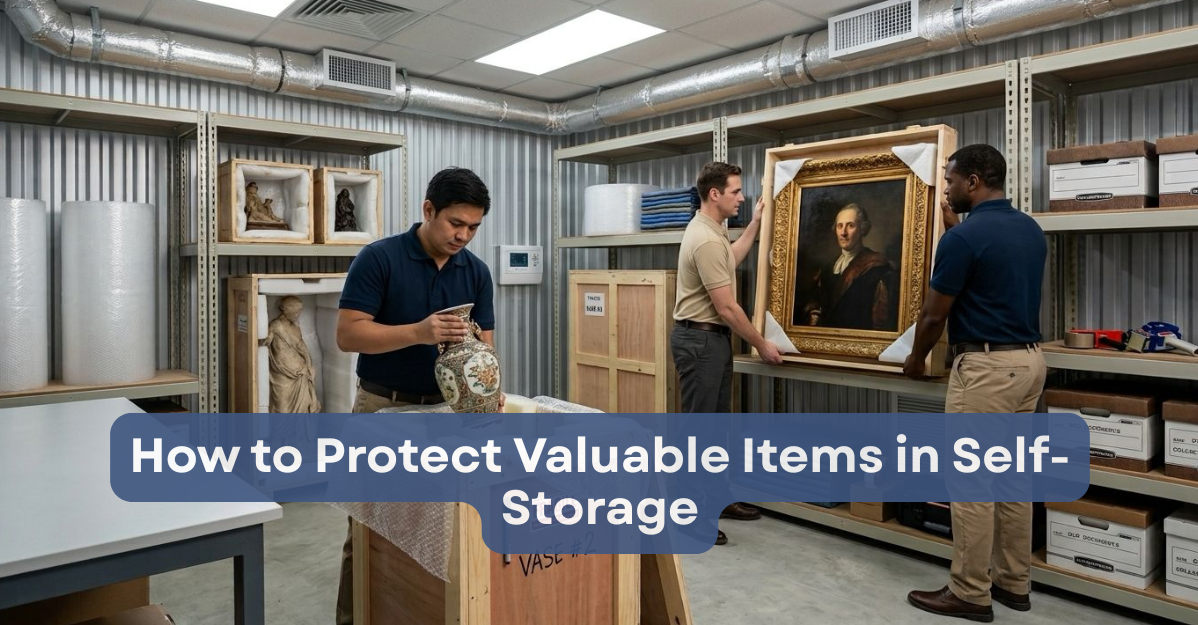
Choosing the right storage unit isn’t just about size—it’s also about protection. While standard storage units work well for many everyday items, some belongings need a more stable environment to stay in good condition. That’s where climate-controlled storage comes in. Climate-controlled units typically maintain consistent temperature and humidity levels, helping protect items from extreme heat, cold, and moisture. But is the added cost always necessary? The answer depends on what you’re storing, how long you plan to store it, and how valuable those items are. Here’s how to decide if climate-controlled storage is worth the extra investment. 1. Understand What Climate-Controlled Storage Really Does Climate-controlled storage is designed to reduce temperature swings and manage humidity inside the unit. This controlled environment helps prevent common storage-related damage such as: Warping and cracking Mold and mildew growth Peeling, fading, or deterioration Electronics corrosion If you’re storing items that could be damaged by heat, cold, or moisture, climate control adds a valuable layer of protection and peace of mind. 2. Items That Benefit Most From Climate Control Not everything needs climate control, but certain belongings are much safer in a temperature-stable environment. Climate-controlled storage is especially worth considering for: Wood furniture (tables, dressers, antiques) Electronics (TVs, computers, audio equipment) Photos, documents, and artwork Leather goods (furniture, jackets, handbags) Musical instruments Collectibles and heirlooms Business records or inventory sensitive to heat or moisture These items can be costly—or impossible—to replace, making climate control a smart long-term investment. Pro Tip: If it would be expensive, difficult, or heartbreaking to replace, climate control is usually worth it. 3. Consider How Long You’ll Be Storing Your Items Duration matters. Short-term storage for sturdy items may not require climate control, but long-term storage often does. Short-term storage: Standard units may work for garage items, tools, or furniture you’ll retrieve soon. Long-term storage: Extended exposure to temperature fluctuations increases the risk of damage, especially for delicate or valuable belongings. The longer items stay in storage, the more important environmental stability becomes. 4. Climate and Seasonal Changes Matter In many regions, temperatures and humidity levels fluctuate significantly throughout the year. Heat waves, cold snaps, and moisture in the air can all impact stored items over time. Climate-controlled storage helps buffer your belongings from these seasonal extremes, making it especially beneficial if you’re storing items year-round or through multiple seasons. 5. When Standard Storage Is Usually Enough Climate control isn’t necessary for everything. A standard storage unit is often sufficient for items such as: Outdoor furniture Lawn equipment Tools and hardware Plastic bins and non-sensitive household goods Metal shelving or garage overflow If items are durable and not affected by temperature or humidity changes, a standard unit can be a cost-effective choice. 6. The Real Value: Peace of Mind While climate-controlled storage typically costs more than standard units, the value often lies in prevention. Repairing or replacing damaged furniture, electronics, or irreplaceable keepsakes can far exceed the monthly difference in storage cost. For many renters, climate control isn’t just about storage—it’s about confidence knowing their belongings are protected. Pro Tip: Think of climate-controlled storage as insurance for your most important items. 7. Choosing the Right Storage Solution The best storage choice depends on a few key questions: What am I storing? How long will it be in storage? How sensitive are these items to temperature or humidity? Would damage be costly or irreversible? Answering these honestly will guide you toward the right unit type—without paying for features you don’t need. Final Thoughts Climate-controlled storage isn’t necessary for everyone, but for the right items, it’s absolutely worth the extra cost. If you’re storing valuables, sentimental belongings, or items sensitive to environmental changes, climate control offers long-term protection and peace of mind. At Dove Storage , we offer a variety of storage solutions—including climate-controlled options—designed to meet different needs and budgets. Whether you’re storing household items, business materials, or treasured keepsakes, choosing the right environment can make all the difference. Explore your options with Dove Storage and store smarter, not riskier.

Owning a motorcycle or classic car is more than just having a vehicle—it’s about preserving a passion, an investment, and often a piece of history. Whether you’re storing a motorcycle during the off-season or protecting a classic car you don’t drive year-round, proper storage is essential to keep it in top condition. Self-storage offers a secure, flexible solution when garage space is limited or when you want added protection from weather, dust, and unnecessary wear. With the right preparation and storage setup, your vehicle can remain safe, clean, and ready to ride or drive when you need it. Here’s how to store a motorcycle or classic car the right way. 1. Prepare Your Vehicle Before Storage Before placing any vehicle into storage, proper preparation is critical. Taking a little time upfront can prevent long-term damage and costly repairs later. Start with a thorough cleaning. Wash and dry the exterior to remove dirt, road salt, and debris that can cause corrosion. For motorcycles, clean the chain and exposed metal parts. For classic cars, don’t forget the undercarriage and wheel wells. Next, address basic maintenance: Change the oil and top off essential fluids Inflate tires to the recommended pressure Add a fuel stabilizer to prevent fuel breakdown Disconnect the battery or use a battery maintainer These steps help protect the engine, fuel system, and electrical components while your vehicle is not in use. Pro Tip: Place moisture absorbers inside the vehicle to help prevent interior humidity buildup. 2. Choose the Right Storage Unit Not all storage units are ideal for vehicle storage. Selecting the right unit plays a major role in protecting your motorcycle or classic car. Consider the following options: Climate-Controlled Units : Ideal for classic cars and high-value motorcycles. These units help reduce exposure to temperature fluctuations and humidity that can damage paint, leather, rubber seals, and interiors. Drive-Up Units : Perfect for easy loading and unloading, especially for motorcycles or vehicles you may need to access periodically. Indoor Storage : Offers additional protection from the elements and provides a cleaner, more controlled environment. Choosing the correct unit size also matters. Your vehicle should fit comfortably with enough room to move around without risk of scratches or dents. 3. Protect the Exterior and Interior Once your vehicle is inside the unit, add an extra layer of protection. Use a breathable, high-quality vehicle cover designed specifically for motorcycles or cars. Avoid plastic tarps, which can trap moisture and lead to mildew or corrosion. Inside the vehicle: Clean and condition leather seats and dashboards Place desiccant packs to manage moisture Leave windows slightly cracked if recommended for your vehicle type For motorcycles, consider placing the bike on a stand to reduce tire pressure points during long-term storage. Pro Tip: Never store a vehicle uncovered, even indoors—dust and debris can still cause wear over time. 4. Organize Accessories and Parts Safely Many motorcycle and classic car owners also need space for helmets, riding gear, spare tires, tools, or original parts. A self-storage unit makes it easy to store everything in one secure location. Use shelving or sturdy storage bins to keep accessories off the ground and organized. Label containers clearly so you can find parts easily when it’s time to ride or restore. Keeping everything together not only saves space at home but also protects valuable accessories from damage or loss. 5. Prioritize Security and Peace of Mind When storing a valuable vehicle, security matters. Look for a self-storage facility that offers features such as: Gated access Well-lit premises On-site management Monitored property areas These layers of security help ensure your motorcycle or classic car remains protected while in storage. Pro Tip: Keep a photo inventory and record of your vehicle’s condition before storage for added peace of mind. 6. Check on Your Vehicle Periodically Even when stored properly, vehicles benefit from occasional check-ins. Visit your storage unit periodically to: Inspect for moisture or dust buildup Check tire pressure Ensure covers and protective materials are in place If storing long-term, consider briefly starting the engine (when appropriate and permitted) or rotating tires to maintain condition. 7. Enjoy Easy Access When You’re Ready One of the biggest advantages of self-storage is flexibility. Whether spring riding season arrives or it’s time to take your classic car out for a show, having your vehicle stored nearby makes retrieval simple and stress-free. With everything properly prepared and stored, you can enjoy your vehicle without worrying about damage from weather, overcrowded garages, or limited space at home. Storing a motorcycle or classic car isn’t just about parking it—it’s about preserving its value, performance, and appearance. With the right preparation and a well-chosen self-storage unit, you can protect your investment and keep it ready for the road. At Dove Storage , we offer clean, secure, and flexible self-storage solutions designed to accommodate motorcycles, classic cars, and the accessories that come with them. Explore your local Dove Storage facility today and store your vehicle with confidence.

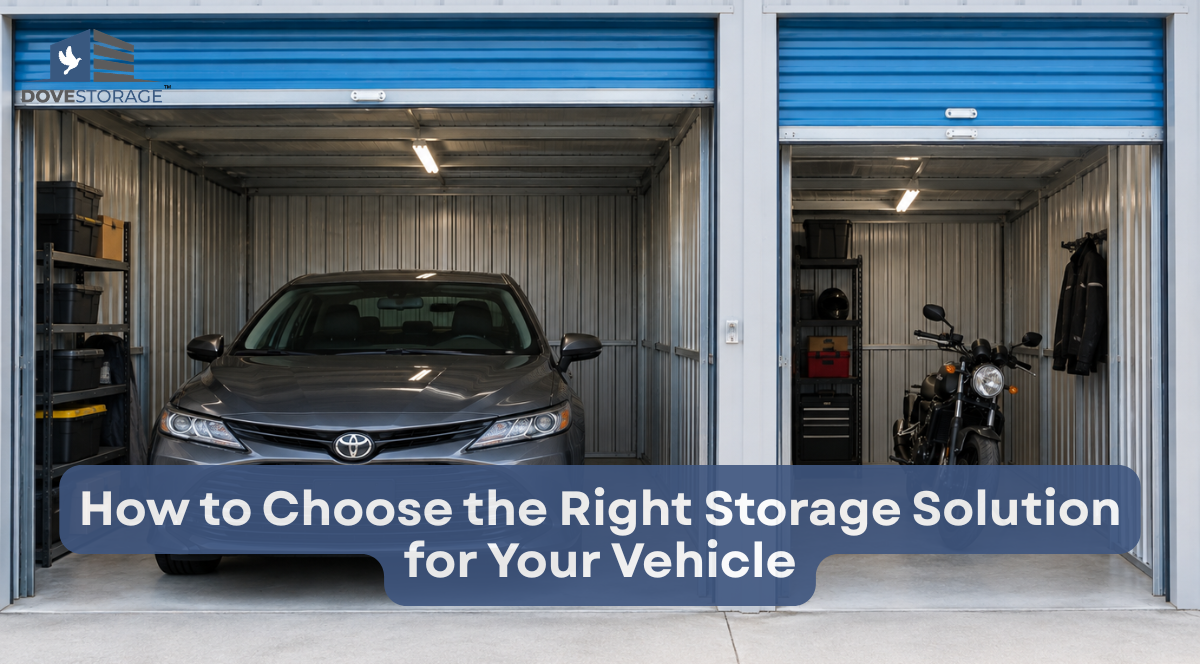
Vehicles are more than just transportation—they’re investments. Whether it’s a classic car you only drive on weekends, a boat reserved for summer adventures, or an RV that fuels your road trips, finding the right place to store these vehicles can be a challenge. Limited driveway space, HOA restrictions, and exposure to weather often make home storage impractical. That’s where professional vehicle storage comes in. Self-storage facilities offer secure, flexible solutions designed to protect your vehicles while freeing up space at home. Understanding your options can help you choose the right storage solution for your car, boat, or RV—and keep it in great condition year-round. Here’s a breakdown of the most common vehicle storage options and how to decide what works best for your needs. 1. Understanding Vehicle Storage Types Not all vehicle storage is the same. The right option depends on the size of your vehicle, how often you need access, and how much protection you want. Outdoor Storage Outdoor parking spaces are ideal for larger vehicles like boats, RVs, trailers, and work trucks. These designated spaces offer a convenient and cost-effective option for vehicles that don’t fit in a standard garage or driveway. Covered Storage Covered vehicle storage provides overhead protection from sun, rain, and snow while still offering the convenience of outdoor access. This option is popular for boats and RVs that benefit from added weather protection without needing full enclosure. Enclosed Storage Enclosed storage units offer the highest level of protection. These units are fully enclosed, similar to a private garage, making them ideal for classic cars, motorcycles, or vehicles you want shielded from dust, weather, and environmental exposure. At Dove Storage, vehicle storage options vary by location, allowing customers to choose a solution that fits their vehicle size and storage needs. 2. Car Storage: Protecting Everyday and Classic Vehicles Car storage isn’t just for collectors—it’s useful for anyone with limited parking space or seasonal vehicles. You might consider car storage if: You own a classic or vintage car You’re storing a secondary or seasonal vehicle You’re relocating or traveling for an extended period Your garage is needed for other uses Enclosed storage is often preferred for classic and high-value vehicles, while outdoor or covered options work well for daily drivers that simply need a secure parking space. Pro Tip: Before storing your car, clean it thoroughly, top off fluids, inflate tires properly, and use a car cover for added protection. 3. Boat Storage: Keeping Your Watercraft Ready for the Season Boats take up a lot of space, and many neighborhoods don’t allow driveway or street parking. Proper boat storage helps protect your investment and keeps it ready for the next launch. Common boat storage options include: Outdoor storage for easy loading and towing Covered storage to reduce sun and weather exposure Enclosed units for smaller boats and jet skis When choosing boat storage, consider the trailer length and turning clearance needed for easy maneuvering. Pro Tip: Drain water systems, remove valuables, and cover your boat securely before placing it in storage. 4. RV Storage: Space-Saving Solutions for Big Adventures RVs are built for freedom—but storing them at home isn’t always easy. RV storage facilities offer the space and accessibility these large vehicles require. Outdoor and covered RV storage are the most common options, providing ample room for: Motorhomes Travel trailers Fifth wheels Camper vans Storing your RV off-site helps prevent overcrowded driveways, reduces neighborhood concerns, and protects your vehicle when it’s not in use. Pro Tip: Disconnect batteries, seal vents and openings, and check tire pressure regularly during storage. 5. Choosing the Right Vehicle Storage Facility Selecting the right storage facility is just as important as choosing the right storage type. Look for features that support convenience, protection, and peace of mind, such as: Gated access Well-lit storage areas Clearly marked parking spaces Clean and well-maintained grounds Multiple size options to accommodate different vehicles Dove Storage facilities are designed with accessibility and security in mind, making them a trusted choice for vehicle storage across many locations. 6. Preparing Your Vehicle for Storage Proper preparation helps prevent issues while your vehicle is stored. Before storing any vehicle: Wash and dry thoroughly to prevent corrosion Remove personal items and valuables Check fluid levels and tire pressure Use covers when appropriate Lock doors and secure trailers Taking these steps helps ensure your vehicle is in the same condition when you retrieve it as when you stored it. 7. Enjoy More Space at Home One of the biggest benefits of vehicle storage is reclaiming space at home. By storing cars, boats, or RVs off-site, you can: Free up garage space Reduce driveway congestion Comply with HOA or city regulations Keep your property organized and uncluttered Vehicle storage gives you flexibility—without sacrificing convenience. Keep Your Vehicles Protected and Ready Vehicle storage isn’t just about parking—it’s about protecting what moves you. Whether you’re storing a car, boat, or RV, choosing the right storage option helps preserve your investment, reduce stress, and create more space at home. At Dove Storage , we offer a variety of vehicle storage solutions to meet your needs. From o utdoor parking to enclosed units, our facilities provide clean, secure, and accessible options designed to fit your lifestyle. Visit Dove Storage today to explore available vehicle storage options near you.