
Storing Inventory and Equipment for Small Businesses A Smart, Scalable Solution
Dove Storage • April 18, 2025
For small business owners across the U.S., space is often one of the most pressing challenges. Whether you run a growing e-commerce shop, a mobile service business, or a brick-and-mortar retail store, managing inventory and equipment efficiently is key to keeping operations running smoothly.
But when storage begins to crowd your workspace, slow down productivity, or limit your ability to expand, it's time to consider a better solution—self-storage.Self-storage units are an increasingly popular option for small business owners who need secure, cost-effective, and scalable storage without committing to expensive warehouses or larger office leases. In this article, we’ll explore why self-storage is a smart solution for small business inventory and equipment, how to use it effectively, and what features to look for in a facility.
Why Small Businesses Need Storage Solutions
Most small businesses experience fluctuating storage needs throughout the year. You might have:
Seasonal inventory that takes up extra space during the holidays
Bulky equipment or tools that aren’t needed every day
Office furniture or supplies that are not immediately in use
Marketing materials like banners or displays used occasionally
Overcrowded offices or workshops can hurt productivity, create safety hazards, and limit your ability to scale operations. Self-storage gives businesses the flexibility to store overflow items, manage supply chains, and optimize space without a significant financial commitment.
Benefits of Using Self-Storage for Business Inventory & Equipment
1. Cost-Effective Alternative to Warehousing
Renting commercial space for storage can be expensive and comes with long-term contracts, maintenance fees, and utilities. Self-storage units are more affordable and typically available on a month-to-month basis, which is ideal for small businesses with changing needs.
2. Scalability
As your business grows, you can upsize to a larger unit or rent multiple units without having to relocate your entire operation. This flexibility allows you to scale up or down depending on demand or seasonality.
3. Security and Peace of Mind
Modern storage facilities are equipped with 24/7 surveillance, gated access, and on-site staff, providing peace of mind that your tools, products, or documents are safe. Some facilities also offer climate-controlled units that protect sensitive items from extreme temperatures or humidity.
4. Improved Organization
Storage units offer a clean, dedicated space for organizing inventory or equipment. You can install shelving, label boxes, and create systems that improve accessibility and inventory tracking—something difficult to do in a cluttered workspace.
5. Convenient Access
Many storage providers now offer extended or 24/7 access, making it easy for you to retrieve items early in the morning, late at night, or on weekends. This is especially helpful for businesses with non-traditional hours or mobile operations.
Types of Businesses That Can Benefit
Almost any small business can take advantage of self-storage, but here are a few examples:
E-commerce Sellers:
Store products, packaging materials, and returns in a dedicated unit instead of a garage or spare room.
Contractors & Tradespeople:
Keep tools, machinery, and construction materials safe and organized between jobs.
Event Planners:
Store event décor, furniture, and supplies without cramming them into your home or office.
Retail Stores:
Use storage units for seasonal inventory, overstock, or promotional materials.
Cleaning & Maintenance Services:
Securely store chemicals, vacuums, and other equipment in a convenient location.
How to Use Business Storage Effectively
If you’re planning to use a self-storage unit for your business, keep these tips in mind:
1. Choose the Right Size
Evaluate what you need to store and how often you’ll access it. Many facilities offer unit sizes from 5’x5’ to 10’x30’, giving you plenty of options. If you’re not sure, start small—you can always upgrade later.
2. Invest in Shelving and Storage Bins
Create vertical storage systems using racks and bins to maximize floor space. Label everything clearly and keep an inventory list so you can quickly find what you need.
3. Use Climate-Controlled Units for Sensitive Items
If you’re storing electronics, paperwork, textiles, or anything sensitive to temperature or humidity, go for a climate-controlled unit to avoid damage.
4. Keep It Clean and Rotated
Just like a warehouse, your unit should be kept clean and organized. Use a first-in, first-out (FIFO) approach to keep inventory fresh, especially if you sell perishable or dated items.
5. Track Your Inventory
Use inventory management software or a simple spreadsheet to track what’s in your unit. This helps reduce waste, avoid duplicate orders, and save time during busy seasons.
What to Look for in a Business-Friendly Storage Facility
Not all storage facilities are created equal. If you’re storing business-related items, prioritize facilities with:
Business-friendly hours or 24/7 access
Drive-up units for easy loading and unloading
Climate control, if needed
Strong security features, including surveillance and gated entry
Flexible lease options and online account management
Package acceptance or mail services, if you receive inventory regularly
For small business owners, self-storage units offer a practical, flexible, and affordable solution to inventory and equipment management. Whether you're running an online store, a service-based operation, or a growing local shop, having an organized off-site storage system can free up space, reduce clutter, and support your business's growth.
If you’re ready to optimize your business storage, explore the secure and scalable storage options available at Dove Storage. Contact us today
or visit our website to find the perfect unit for your small business needs.

Explore storage solutions for boats, trailers, and RVs. Learn how to choose suitable vehicle storage, prepare equipment, protect it from weather, and free up space at home.
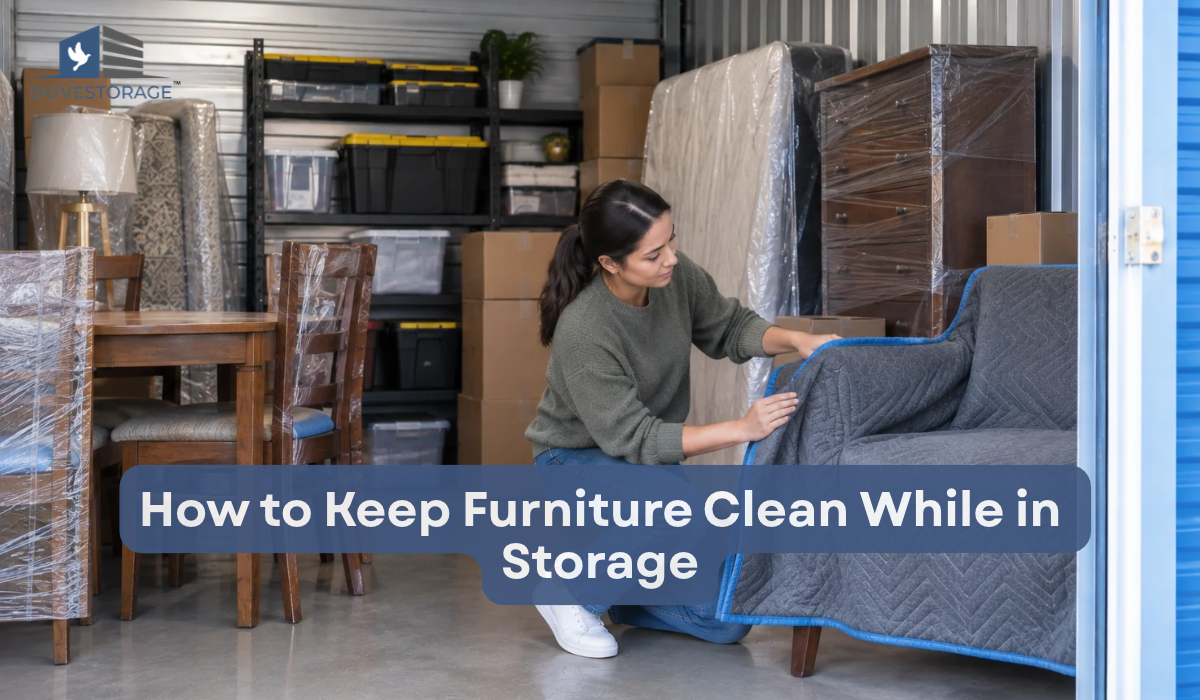
Learn how to keep furniture clean while in storage with tips for cleaning, protective covers, moisture prevention, proper organization, and long-term furniture care.
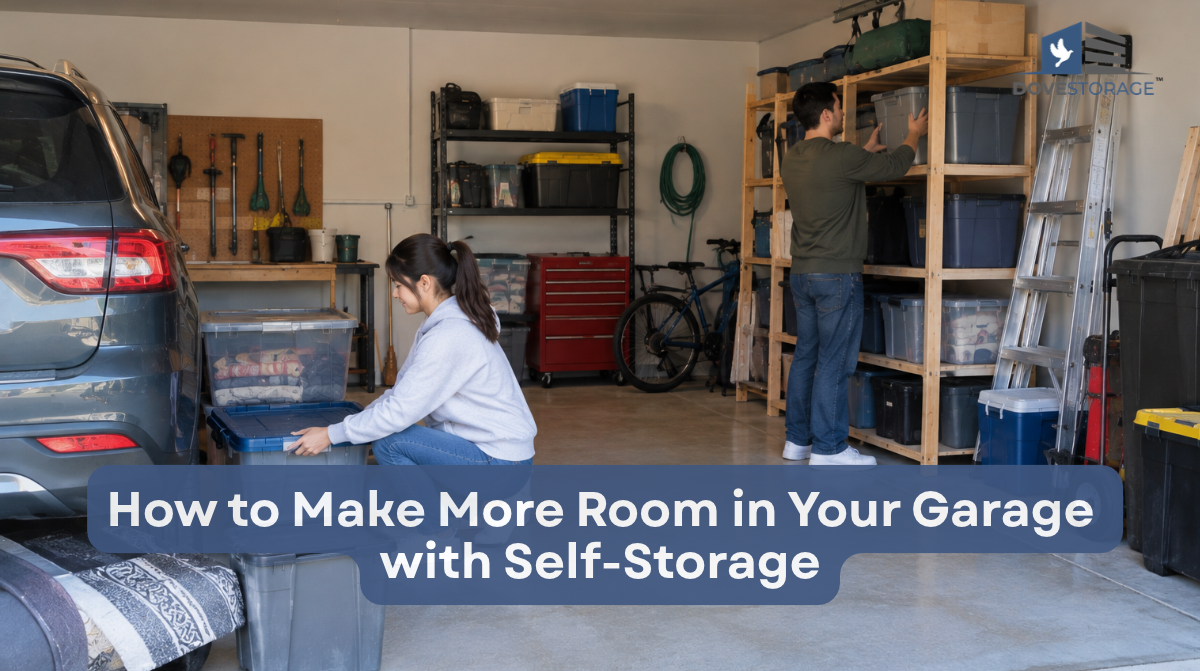
Make more room in your garage with self-storage. Discover tips for decluttering, organizing, storing seasonal items, and reclaiming valuable space.
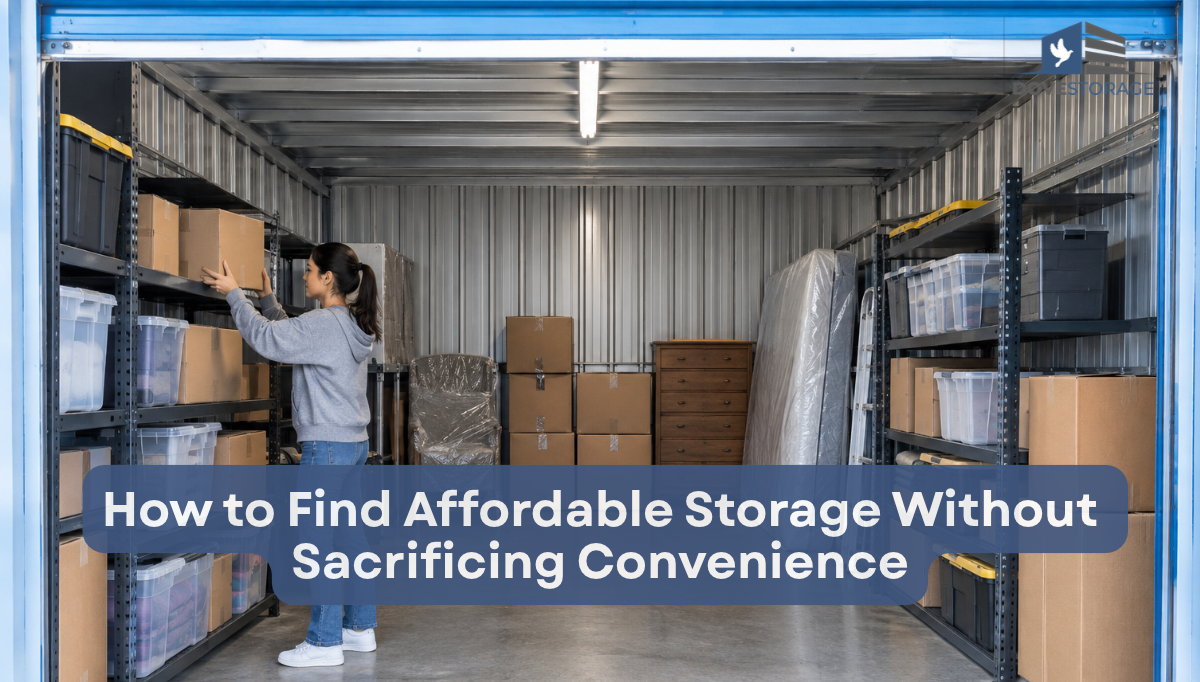
Discover how to find affordable self-storage without sacrificing convenience with tips on unit sizes, rental costs, location, security, and flexible storage options.

Learn how to store clothing long-term without damage with tips for cleaning, packing, moisture protection, organization, and choosing the right storage environment.
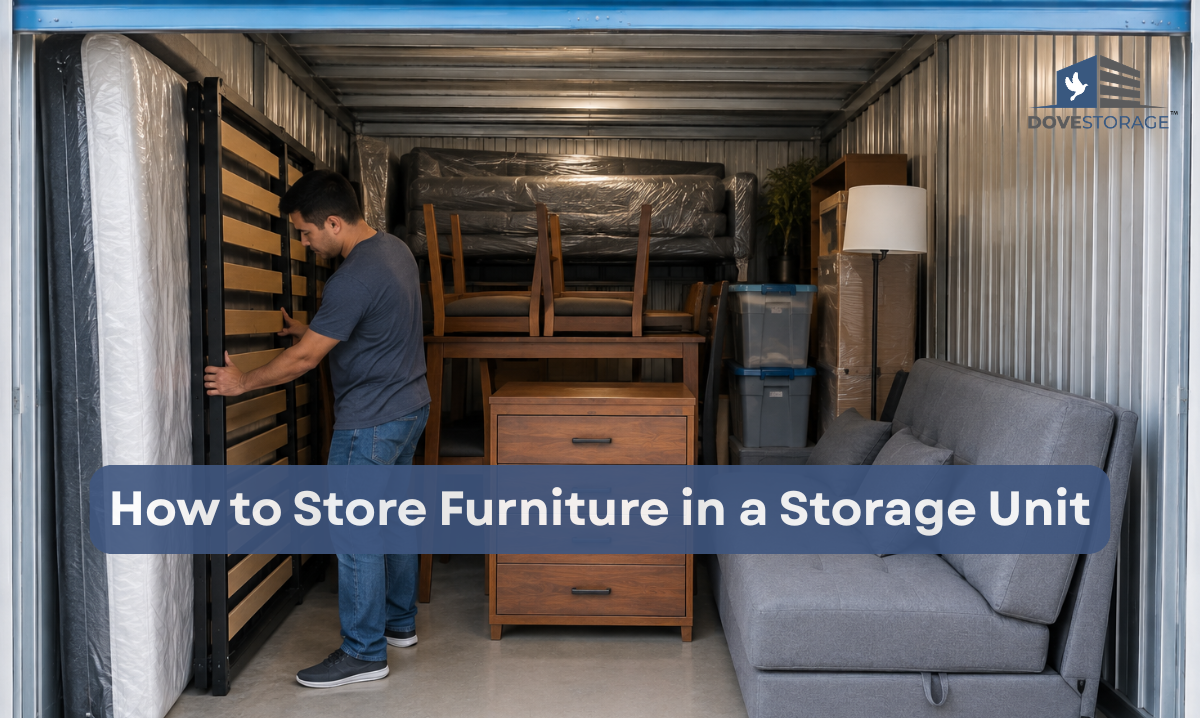
Learn how to store furniture safely in a storage unit with tips for cleaning, packing, protecting, organizing, and choosing the right storage space.
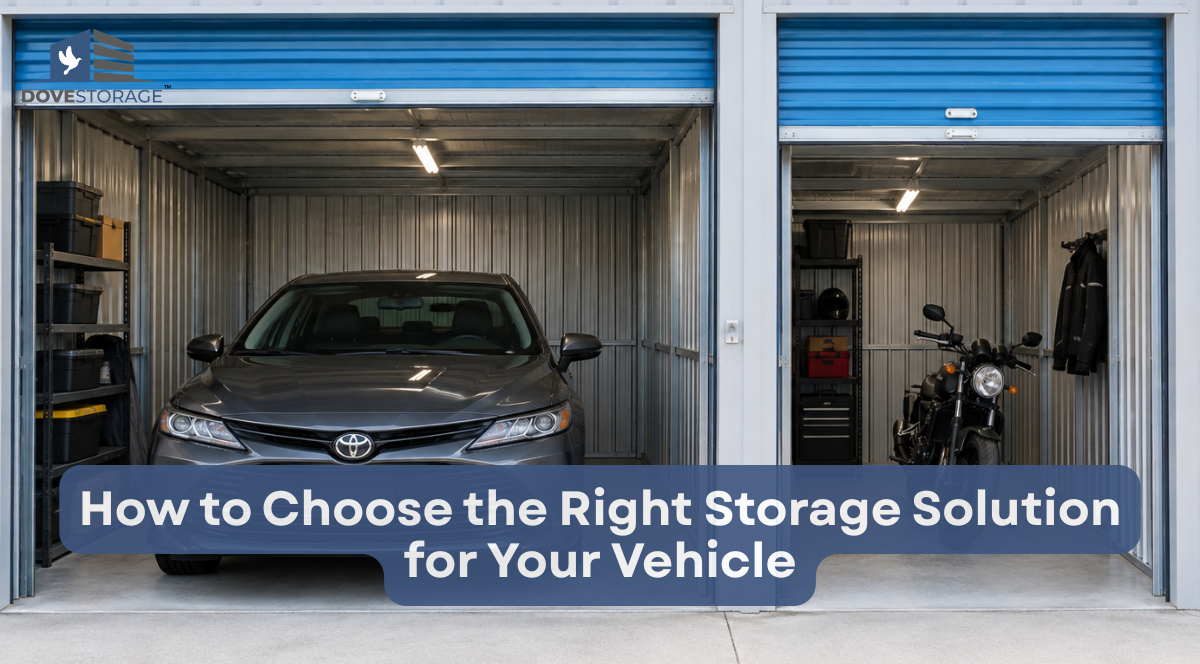
Learn how to choose the right vehicle storage solution based on size, access, security, protection, and budget for cars, motorcycles, boats, and more.
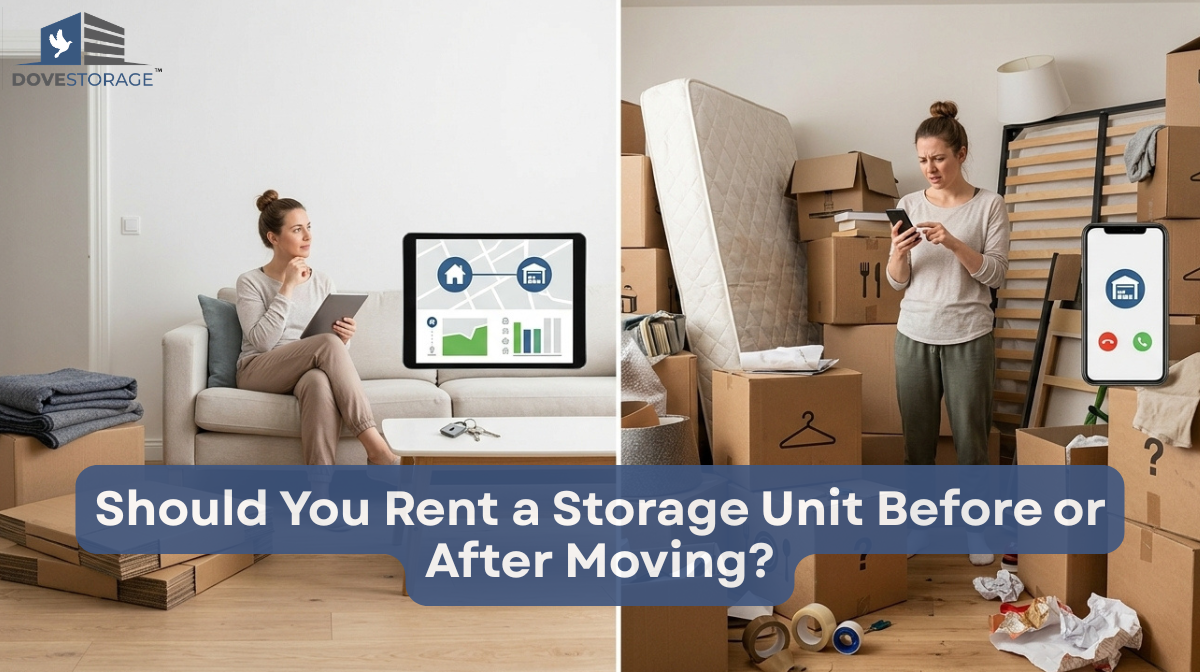
Should you rent a storage unit before or after moving? Learn how self-storage can simplify packing, moving between homes, downsizing, and settling into your new space.

Declutter your home without feeling overwhelmed with simple, manageable steps for sorting, organizing, storing, donating, and creating a more functional space.

Not sure if you need a storage unit? Discover common signs it’s time for extra space, from home clutter and moving to downsizing, seasonal storage, and business needs.