
Disclosures and Transparency in Self-Storage Contracts: What Every Renter Should Know
Dove Storage • April 10, 2025
As self-storage becomes an increasingly popular solution for personal and business storage needs, more renters are signing contracts with storage facilities across the U.S. While self-storage units are convenient and flexible, they come with legal and financial commitments that renters must understand.
At the core of this is contract transparency—clear, honest communication from the facility about terms, fees, responsibilities, and rights.Understanding the fine print of a self-storage agreement is crucial to avoiding hidden fees, misunderstandings, or legal issues.
This article breaks down the importance of disclosures and transparency in self-storage contracts, what renters should look for, and how facilities can build trust with their clients.
Why Contract Transparency Matters
A self-storage contract is a legal agreement between the renter (tenant) and the storage facility (owner or operator). It outlines the rights and obligations of both parties and governs everything from payment schedules to what happens in the event of default.Without transparency, renters may unknowingly agree to terms that can lead to unexpected fees, limited access, or even loss of belongings. For facilities, unclear contracts can lead to disputes, negative reviews, and legal challenges. A transparent contract helps both parties set expectations and minimize conflict.
Key Elements of Transparent Self-Storage Contracts
1. Clear Rental Fees and Payment Terms
A transparent contract should include a detailed breakdown of the monthly rent, due date, accepted payment methods, and any late fees. Renters should know exactly how much they’re expected to pay, when payments are due, and what happens if a payment is missed.
Look for: Late fee amounts, grace periods, auto-payment options, and rent increase clauses.
2. Access Hours and Restrictions
Some facilities offer 24/7 access, while others have limited hours. Renters must be informed of access rules upfront. If access is restricted during holidays or maintenance, it should be clearly stated.
Look for: Regular access hours, special access fees, and policies for after-hours entry.
3. Security and Liability Disclosures
Facilities often promote features like gated access, cameras, or security personnel—but renters should also know the limits of facility liability. Most storage providers do not cover damages or theft, and insurance may be required.
Look for: Facility’s liability disclaimers, tenant responsibility for insurance, and available insurance plans.
4. Termination and Move-Out Policies
Transparency about ending the rental agreement is essential. Renters should know how much notice is required, if partial-month refunds are available, and what condition the unit must be in upon move-out.
Look for: Required notice period, cleaning fees, final inspection policies, and refund eligibility.
5. Default and Lien Procedures
Perhaps the most serious aspect of a self-storage contract is what happens if you miss a payment. After a certain period, facilities may have the legal right to auction your items. Contracts must disclose timelines and procedures for default, including required notices.
Look for: Number of days before default, lien sale notices, grace periods, and auction procedures.
6. Prohibited Items and Usage Restrictions
Self-storage contracts typically include a list of items that cannot be stored in the unit—such as hazardous materials, perishable goods, and firearms. Transparent contracts should define these clearly to prevent violations that could lead to termination or legal action.
Look for: Prohibited items list, unit usage limits (e.g., no business operations or habitation), and enforcement procedures.
Red Flags Renters Should Watch Out For
While most reputable self-storage providers aim for honest and clear agreements, renters should be cautious of:
Hidden Fees:
Look out for unexpected charges like admin fees, lock charges, or security deposits not disclosed upfront.
Unclear Insurance Terms: Some facilities require tenants to carry insurance but don’t explain where to obtain it or what’s covered.
Ambiguous Language: Vague terms like “management discretion” can be used to enforce rules arbitrarily. Ask for clarification when needed.
Automatic Rent Increases: If the facility reserves the right to raise rent without notice or justification, this could impact long-term affordability.
What Makes a Contract Truly Transparent?
A transparent self-storage contract is:
Easy to Read:
Avoids legal jargon and uses simple, direct language.
Complete: Covers all essential terms without requiring assumptions or separate documents.
Accessible: Provided well before move-in and easily available for review.
Explained: Facility staff should be willing and able to explain each section clearly to tenants.
Tips for Renters Before Signing a Contract
Ask Questions
– If anything is unclear, don’t hesitate to ask the facility staff for clarification.
Request a Copy
– Always get a copy of the signed contract for your records.
Compare Policies
– Different storage companies have different policies. Compare before choosing.
Review Periodically
– If you’re storing long-term, review the contract every few months to stay up to date with changes or updates.
In the self-storage industry, disclosures and transparency aren’t just good business practices—they’re essential to trust, safety, and long-term customer satisfaction. Renters should always take the time to read and understand their contracts before signing, while facility operators must ensure their agreements are clear, fair, and easy to understand.
Whether you’re a first-time renter or a seasoned storage user, being informed about your self-storage contract is the key to a smooth experience. Looking for a self-storage provider that values transparency and customer trust? Visit Dove Storage
today or contact us to learn more about our clear, renter-friendly storage agreements and available units.
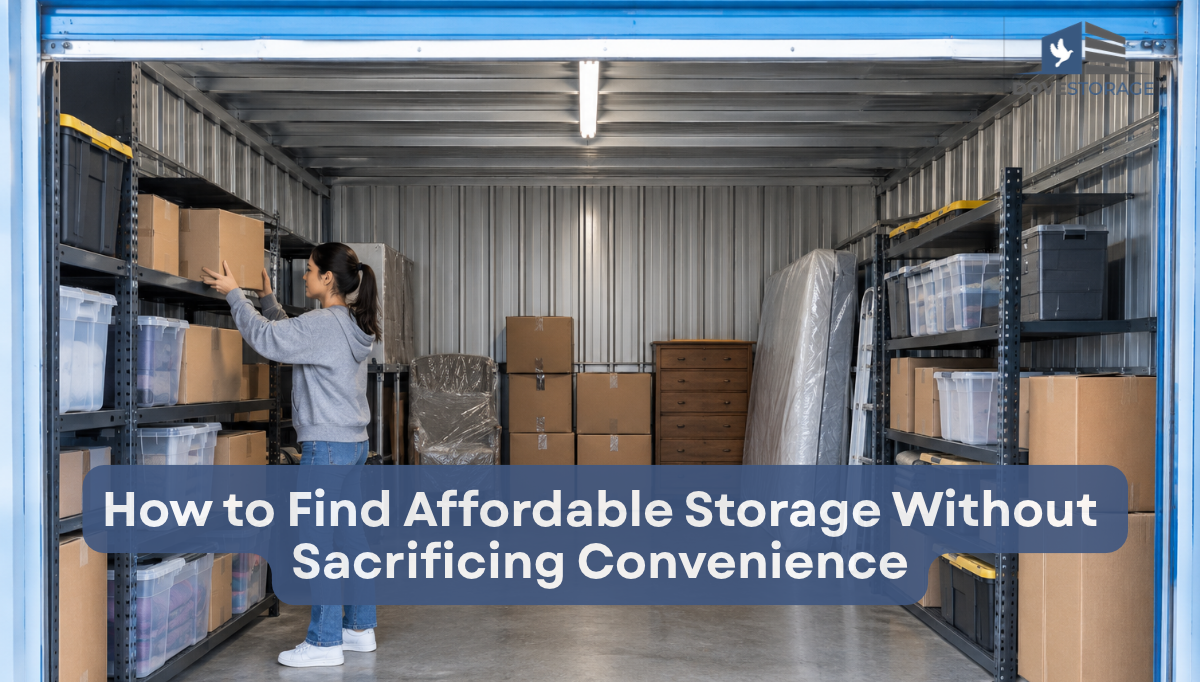
Discover how to find affordable self-storage without sacrificing convenience with tips on unit sizes, rental costs, location, security, and flexible storage options.

Learn how to store clothing long-term without damage with tips for cleaning, packing, moisture protection, organization, and choosing the right storage environment.
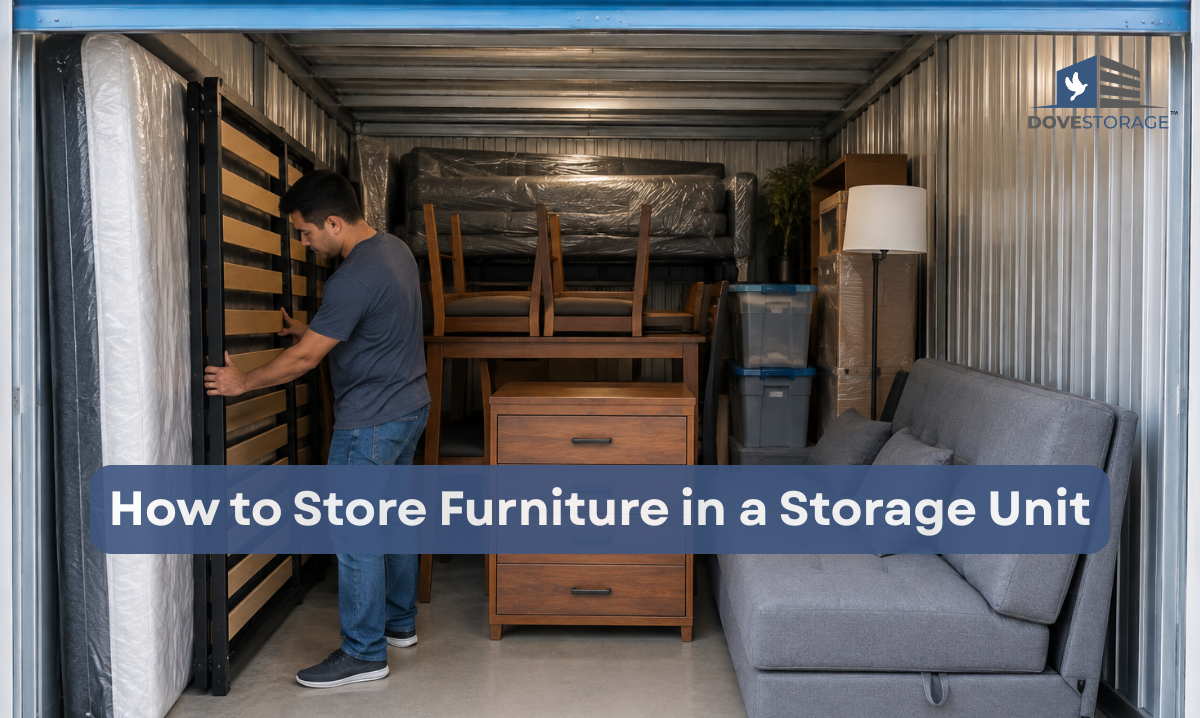
Learn how to store furniture safely in a storage unit with tips for cleaning, packing, protecting, organizing, and choosing the right storage space.

Learn how to choose the right vehicle storage solution based on size, access, security, protection, and budget for cars, motorcycles, boats, and more.
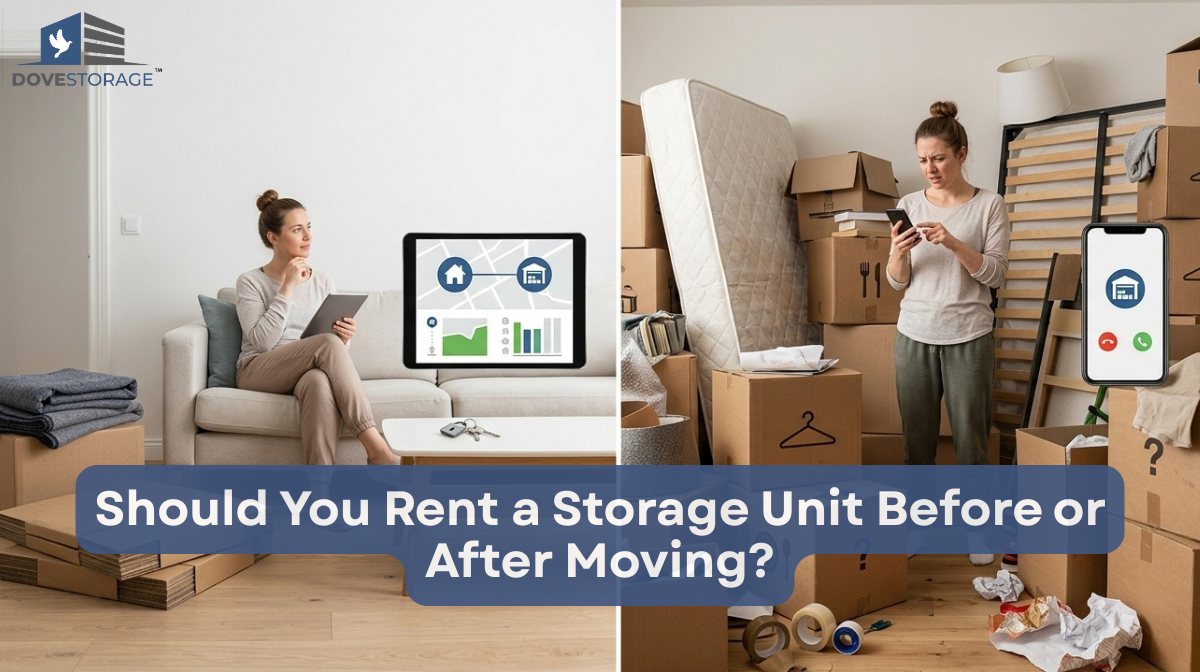
Should you rent a storage unit before or after moving? Learn how self-storage can simplify packing, moving between homes, downsizing, and settling into your new space.

Declutter your home without feeling overwhelmed with simple, manageable steps for sorting, organizing, storing, donating, and creating a more functional space.

Not sure if you need a storage unit? Discover common signs it’s time for extra space, from home clutter and moving to downsizing, seasonal storage, and business needs.

Save money on self-storage with practical tips for choosing the right unit size, comparing prices, packing efficiently, decluttering, and maximizing your storage budget.
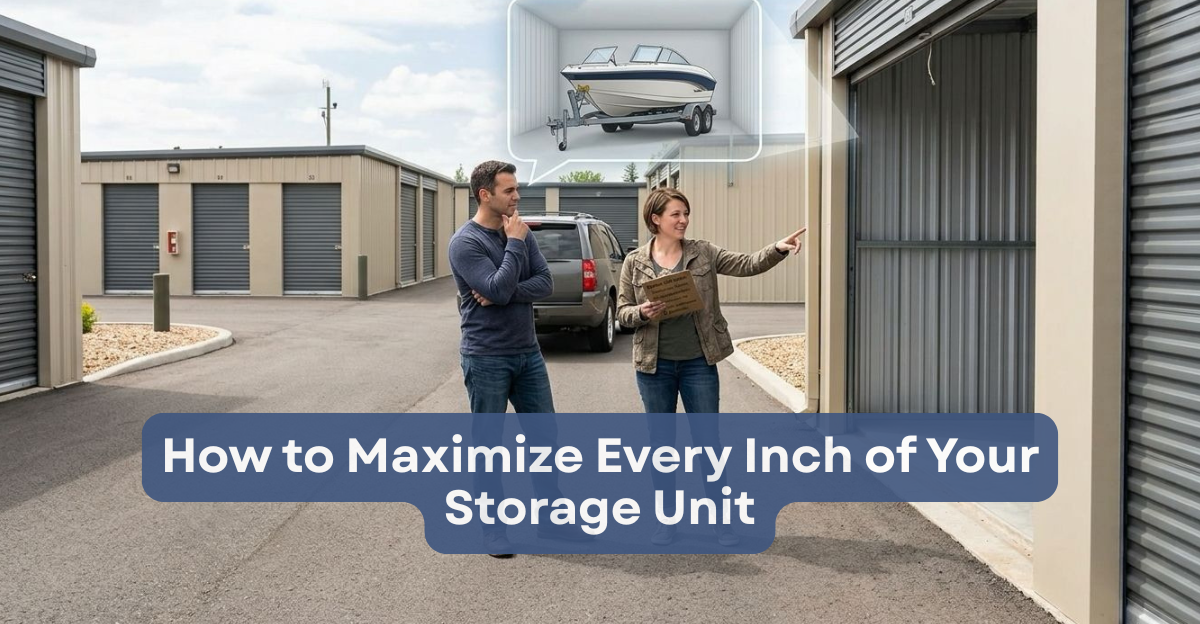
Maximize every inch of your storage unit with smart packing, stacking, labeling, and organization tips that save space while keeping belongings accessible.

Discover the top reasons people rent self-storage units, from creating more space and moving to storing seasonal items, business inventory, and sentimental belongings.