
Storing Belongings While Traveling or Living Abroad
Dove Storage • August 26, 2025
Whether you’re embarking on a months-long trip around the world, taking a temporary work assignment overseas, or moving abroad for studies, one big question arises:
What should you do with your belongings while you’re away?
For many U.S. travelers and expatriates, renting a self-storage unit offers a secure, flexible, and cost-effective way to safeguard possessions until they return. This guide will walk you through the best practices for storing items during extended travel or living abroad—so you can leave with peace of mind.
1. Why Use a Storage Unit Instead of Leaving Items at Home?
While asking friends or family to hold onto your things might seem easier, it can be inconvenient for them and risky for your items. Self-storage facilities offer advantages like:
- Security Features – Gated access, surveillance cameras, alarms, and on-site staff reduce theft risk.
- Climate Control Options – Prevent damage to sensitive items like electronics, documents, and wooden furniture.
- Flexible Terms – Month-to-month rentals allow you to extend your stay without penalty.
- Privacy & Control – You decide who can access your belongings.
2. Choosing the Right Storage Unit for Long-Term Travel
When storing belongings for several months—or even years—you need a storage unit that can protect them for the long haul. Consider the following:
a. Climate-Controlled Units
If you’re storing electronics, artwork, photos, or furniture, a climate-controlled self-storage unit keeps temperature and humidity levels stable, preventing warping, mold, and other climate-related damage.
b. Unit Size
Inventory your belongings before choosing a size. Common long-term options include:
- 5x10 ft – Good for storing small apartment contents.
- 10x10 ft – Fits the contents of a one-bedroom apartment.
- 10x20 ft – Suitable for a full household’s belongings.
c. Location
While price may tempt you to choose a facility far from your home, consider selecting one in a convenient area for someone you trust to access if needed.
3. Preparing Items for Long-Term Storage
The way you pack and prepare your belongings can make all the difference in their condition when you return.
a. Clean Everything First
Dust, crumbs, or moisture left on items can lead to odors, mold, or pest problems.
b. Use Quality Packing Materials
- Sturdy boxes with lids
- Plastic bins for moisture-sensitive items
- Furniture covers or blankets
- Silica gel packs to absorb humidity
c. Avoid Plastic Wrap for Furniture
Plastic can trap moisture and cause mold; breathable covers are better for wood, leather, and fabric.
d. Elevate Items Off the Floor
Use pallets or shelving to protect against potential flooding or leaks.
4. Security Considerations While You’re Away
Since you won’t be nearby to check on your unit regularly, choosing a facility with strong security is essential. Look for:
- 24/7 Video Surveillance
- Individual Unit Alarms
- Controlled Gate Access
- Well-Lit Premises
Many modern storage facilities also offer online account management, letting you monitor payments, receive alerts, and sometimes even get access logs.
5. Assigning an Emergency Contact
Before you leave, add an authorized contact to your account—someone who can access your unit or make decisions if needed. This is especially important if:
- There’s an urgent repair issue in your unit.
- The facility needs to reach you but can’t due to time zones or unreliable service abroad.
- You need to arrange for early retrieval of certain items.
6. Managing Payments from Abroad
One of the biggest risks of storing belongings while traveling is missing a payment and having your account go into default. Avoid this by:
- Setting Up Auto-Pay – Ensure your rent is deducted automatically each month.
- Using Online Payment Portals – Most facilities offer digital management.
- Maintaining a Valid Credit Card – Notify your bank that you’ll be overseas to avoid declined charges.
7. Insurance for Stored Belongings
Even with strong facility security, unexpected events like fires, floods, or break-ins can happen. Many facilities require proof of insurance, which can be obtained through:
- Your homeowner’s or renter’s insurance policy (check if it covers stored items).
- The storage facility’s own insurance offerings.
8. Returning from Abroad: Smooth Retrieval
When you return, give the facility advance notice of your move-out date to avoid paying for unused days. Inspect your belongings carefully—especially electronics and furniture—before taking them home. If you plan on storing items again for future trips, you may want to keep certain non-essential belongings packed and ready.
Storing belongings while traveling or living abroad doesn’t have to be stressful. By choosing a secure, climate-controlled self-storage unit, preparing your items properly, and setting up reliable payment and contact systems, you can protect your possessions until you return. The right preparation not only safeguards your valuables but also gives you peace of mind—allowing you to focus on your adventures, not your attic.
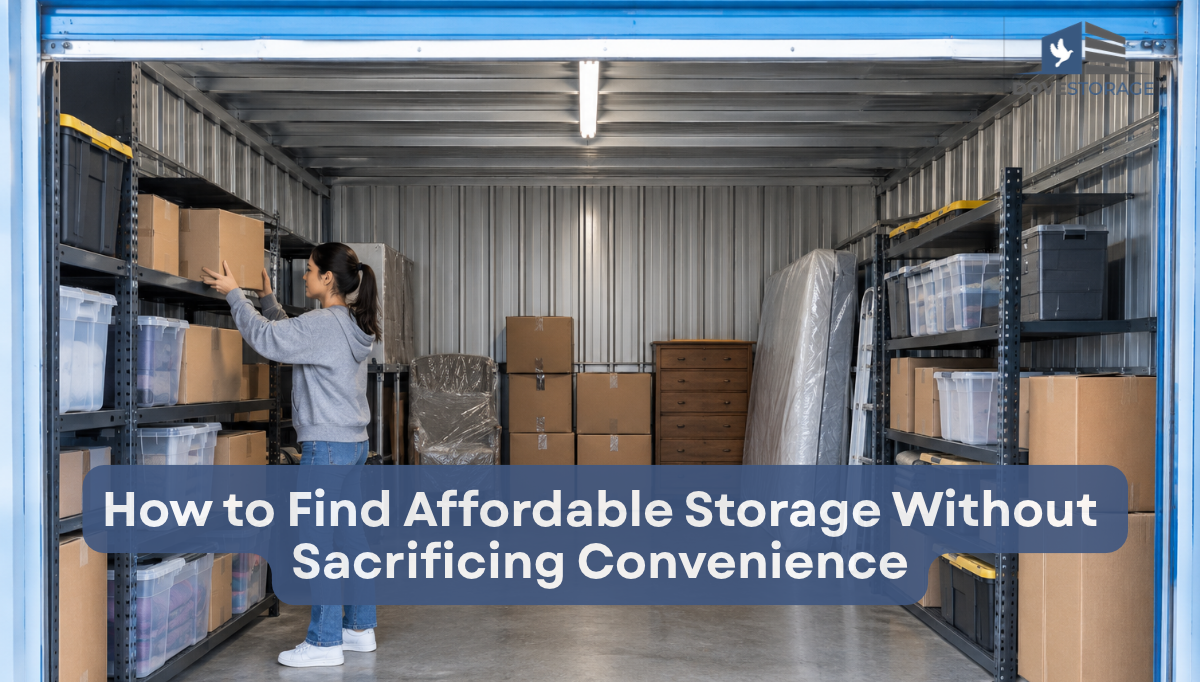
Discover how to find affordable self-storage without sacrificing convenience with tips on unit sizes, rental costs, location, security, and flexible storage options.
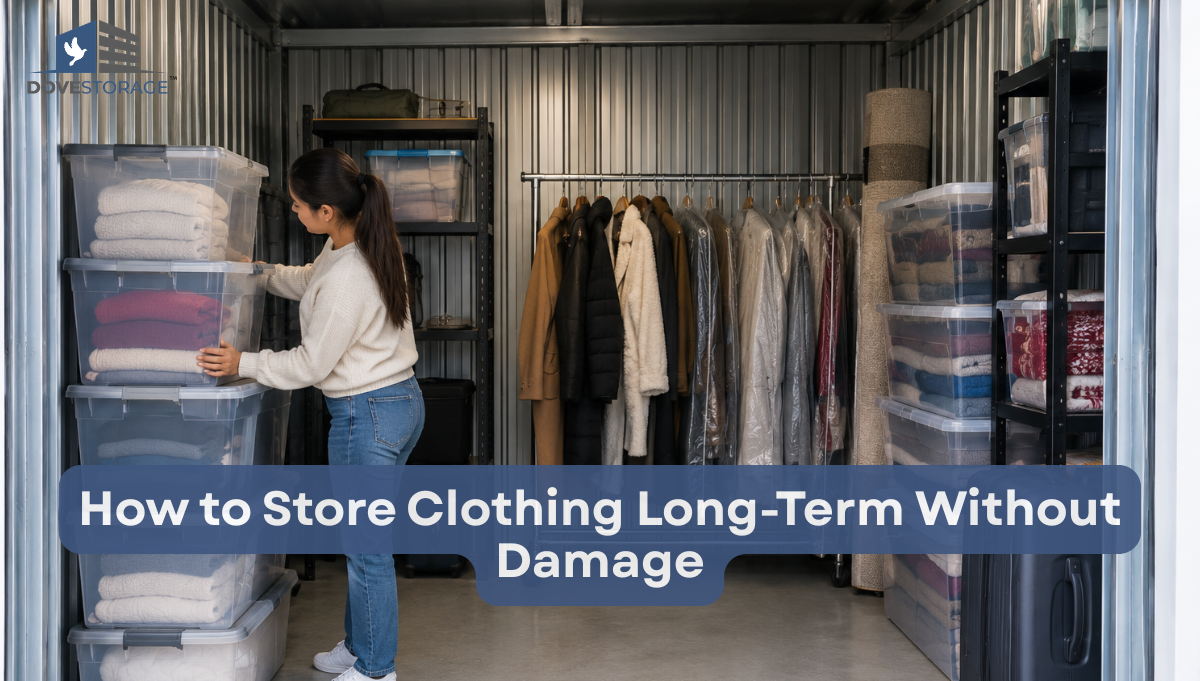
Learn how to store clothing long-term without damage with tips for cleaning, packing, moisture protection, organization, and choosing the right storage environment.
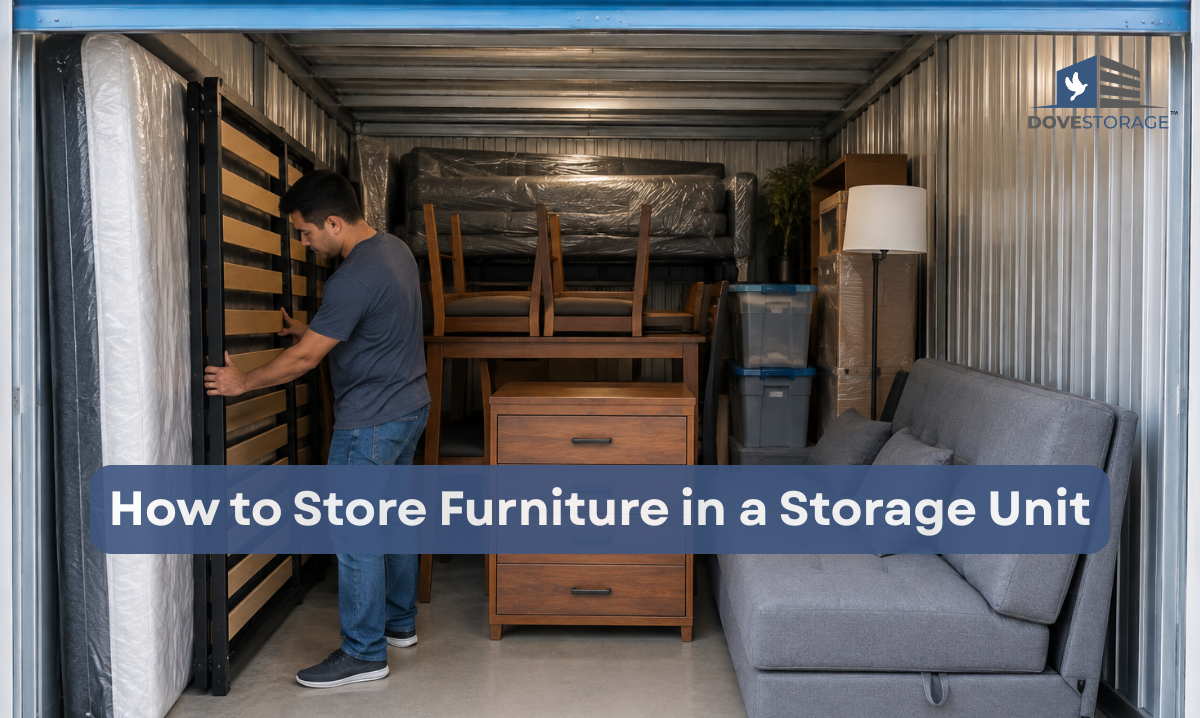
Learn how to store furniture safely in a storage unit with tips for cleaning, packing, protecting, organizing, and choosing the right storage space.
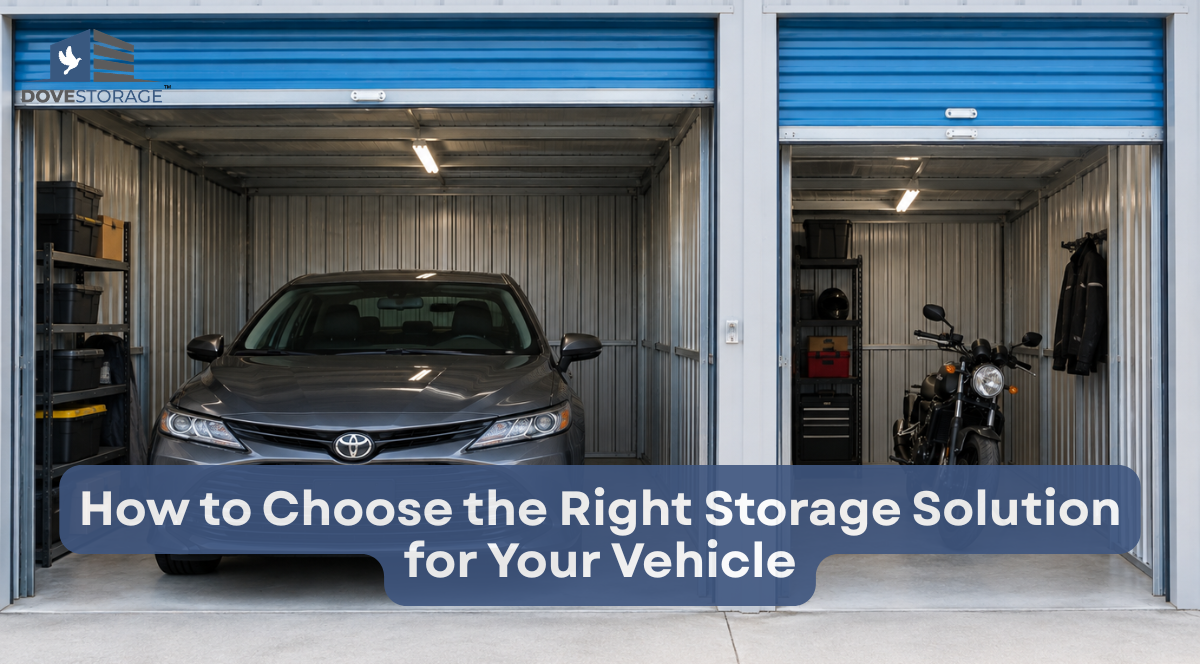
Learn how to choose the right vehicle storage solution based on size, access, security, protection, and budget for cars, motorcycles, boats, and more.
Should you rent a storage unit before or after moving? Learn how self-storage can simplify packing, moving between homes, downsizing, and settling into your new space.
Declutter your home without feeling overwhelmed with simple, manageable steps for sorting, organizing, storing, donating, and creating a more functional space.
Not sure if you need a storage unit? Discover common signs it’s time for extra space, from home clutter and moving to downsizing, seasonal storage, and business needs.
Save money on self-storage with practical tips for choosing the right unit size, comparing prices, packing efficiently, decluttering, and maximizing your storage budget.
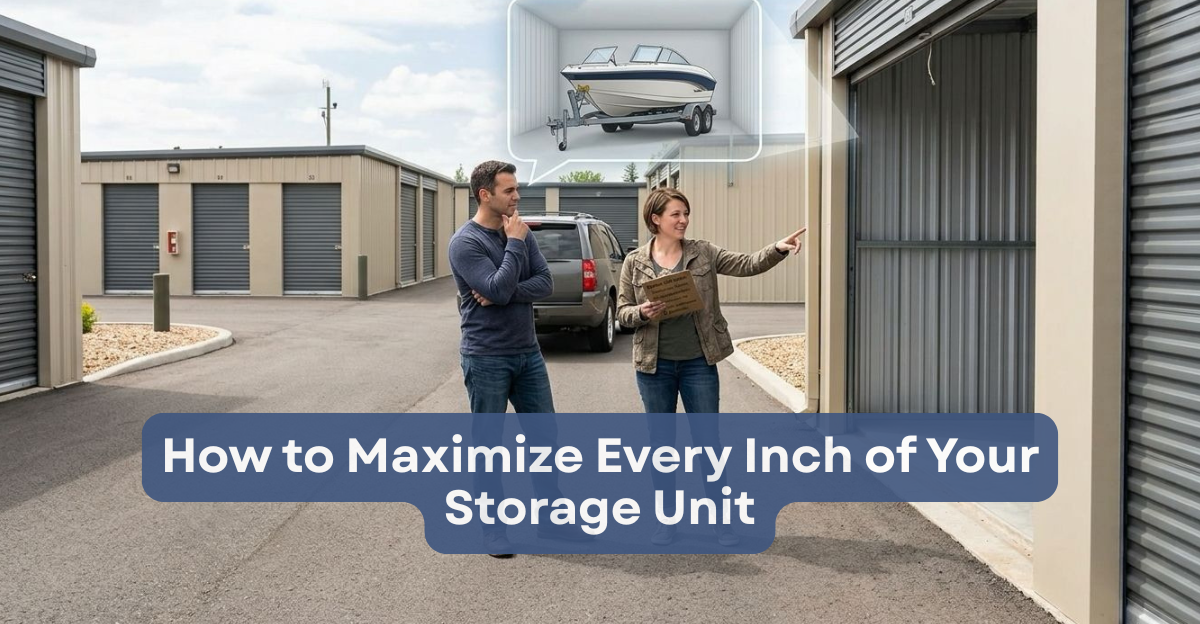
Maximize every inch of your storage unit with smart packing, stacking, labeling, and organization tips that save space while keeping belongings accessible.
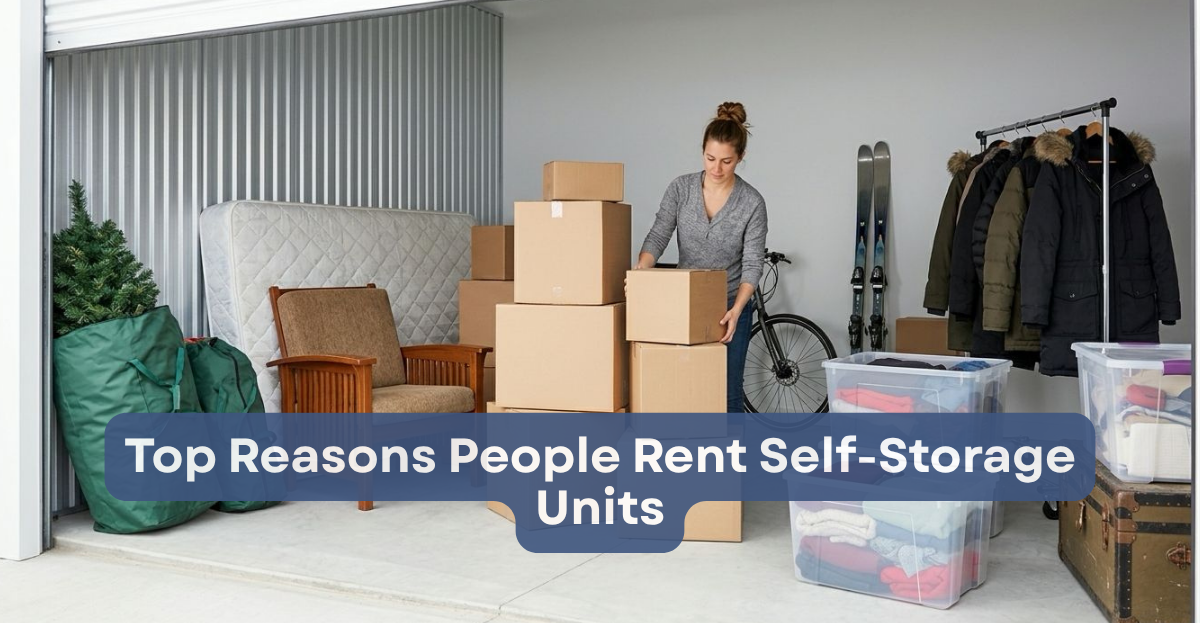
Discover the top reasons people rent self-storage units, from creating more space and moving to storing seasonal items, business inventory, and sentimental belongings.