Can You Get Your Belongings Back After an Auction Is Scheduled?
Dove Storage • August 21, 2025
For many self-storage renters, receiving notice that their unit is headed for auction can feel like a worst-case scenario. It usually means missed payments have added up, and the facility is exercising its legal right to sell the stored contents to recover the unpaid balance. But here’s the good news: in many cases, you can still get your belongings back even after the auction has been scheduled—though you’ll need to act quickly and understand your state’s self-storage lien laws.
This article breaks down how storage auctions work, what deadlines matter, and the steps you can take to reclaim your items before they’re gone.
1. Understanding the Storage Auction Process
When you rent a storage unit, your rental agreement includes a lien clause. This means the facility has a legal claim to your stored items if you fail to pay rent. Here’s the typical timeline when payments go unpaid:
- Late Payment – Most facilities give a short grace period before charging late fees.
- Default Status – After a set number of days without payment (varies by state), your account goes into default.
- Lien Notice – The facility sends written notice (often by certified mail or email) stating that your belongings will be sold at auction if payment isn’t made.
- Public Auction Notice – The auction is advertised publicly as required by law.
- Auction Day – Your unit’s contents are sold to the highest bidder.
Once an auction date is set, your window to act is small—but it’s still possible to stop the process.
2. The Key Factor: State Lien Laws
Self-storage lien laws vary by state, so the exact deadlines and procedures will depend on where you live. Generally, you can reclaim your belongings any time before the auction begins by paying the full amount owed. This often includes:
- Past-due rent
- Late fees
- Lien fees (cost of enforcing the lien)
- Auction fees (advertising, administrative costs)
Example:
In many states, if your auction is scheduled for 10 a.m. on Friday, you may pay your full balance at 9:59 a.m. to stop it—though some facilities may require payment by the close of business the day before.Always check your lien notice for the exact redemption deadline.
3. Contact the Storage Facility Immediately
If you’ve received auction notice and want to keep your items, communication is critical. Contact the facility as soon as possible to:
- Confirm the total amount owed – Get an exact figure, including all fees.
- Ask about the redemption deadline – Every facility has a cutoff time before the auction begins.
- Discuss payment methods – Some facilities only accept cash or certified funds once an account is in default.
- The sooner you speak with the manager, the more options you’ll have.
4. Be Prepared to Pay in Full
Facilities rarely allow partial payments once the auction process has started. To stop the sale, you’ll almost always need to:
- Pay all rent and late fees
- Cover lien and auction preparation costs
- Sometimes pay the next month’s rent upfront
- If you can’t pay the entire balance, the facility is not legally required to postpone the auction.
5. After the Auction Starts, It’s Too Late
Once the auction begins—even if your unit hasn’t yet been sold—you’ve legally lost your rights to the contents.In most states:
- The winning bidder becomes the lawful owner immediately after the sale is complete.
- The facility cannot take payment from you once bidding has started.
- Your rental agreement is terminated.
- This is why it’s essential to act before the first bid is taken.
6. Special Circumstances
Some situations may allow for exceptions or extensions:
- Military Deployment – Under the Servicemembers Civil Relief Act (SCRA), active-duty military members may have additional protections against lien enforcement.
- Natural Disasters or Medical Emergencies – Some facilities may work with you if you can show proof of hardship.
- Errors in Procedure – If the facility didn’t follow your state’s lien laws (e.g., improper notice), you may have legal grounds to challenge the auction.
7. Preventing Auction Risk in the Future
The best way to avoid losing your belongings is to take preventive steps:
- Set Up Auto-Pay – Reduces risk of missed payments.
- Keep Contact Info Updated – So lien notices don’t get lost.
- Store Only What You Can Afford to Lose – If you can’t replace it, prioritize paying that unit’s rent above other bills.
- Communicate Early – If you’re having financial trouble, contact the facility before you default—many offer payment plans before the lien process begins.
Yes, you can often get your belongings back after an auction is scheduled—but only if you act quickly and pay in full before the redemption deadline. Once the auction begins, your rights to those items are gone. If you’ve received an auction notice, don’t wait. Call your storage facility immediately, find out exactly how much you owe, and arrange payment before it’s too late. A few hours—or even minutes—can make the difference between keeping your possessions and losing them for good.
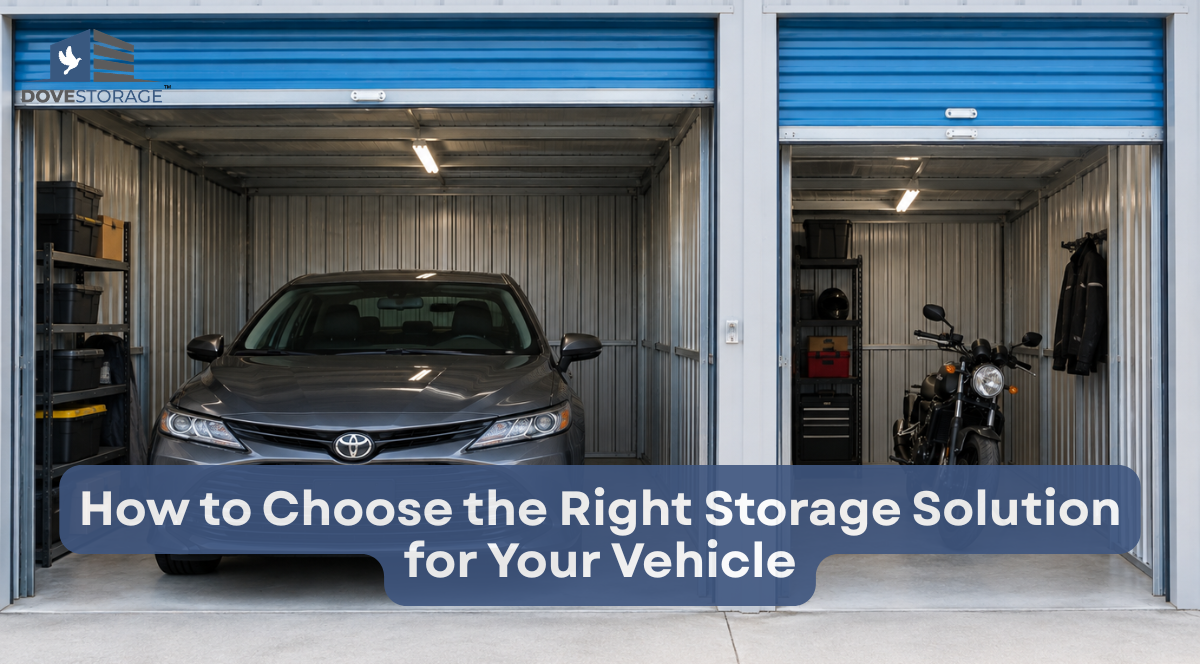
Vehicles are valuable investments, but when they sit unused for long periods, improper storage can lead to costly damage and unnecessary wear. Whether you own a classic car, motorcycle, boat, or recreational vehicle, seasonal storage is one of the best ways to protect your investment and keep it in great condition year-round. With the right preparation and storage setup, you can prevent issues like battery failure, rust, moisture damage, and tire deterioration. Here’s how to properly prepare your vehicles for seasonal storage and keep them ready for the road or water when the season returns. 1. Clean Your Vehicle Thoroughly Before Storage Before placing any vehicle into storage, give it a complete cleaning inside and out. Dirt, salt, moisture, and debris can cause long-term damage if left sitting for months. For cars and motorcycles: Wash and dry the exterior completely Vacuum the interior Remove food, trash, and personal items Wax painted surfaces for added protection For boats: Clean the hull and deck Remove standing water Empty coolers and compartments Dry upholstery and seating areas thoroughly A clean vehicle is less likely to develop odors, mold, corrosion, or staining during storage. Pro Tip: Don’t forget to clean underneath your vehicle where dirt and road salt often collect. 2. Protect the Battery During Long-Term Storage Vehicle batteries naturally lose charge over time, especially when left unused for extended periods. To help preserve battery life: Disconnect the battery if storing long-term Use a battery maintainer or trickle charger when appropriate Check terminals for corrosion before storage This simple step can help prevent dead batteries and extend overall battery lifespan. 3. Top Off Fluids and Change the Oil Fresh fluids help protect your engine and internal components during storage. Before storing your vehicle: Change the oil and oil filter Top off coolant, brake fluid, and windshield washer fluid Fill the gas tank to reduce moisture buildup Add a fuel stabilizer for longer storage periods For boats, be sure to flush the engine and follow manufacturer winterization recommendations if applicable. Proper fluid maintenance helps reduce corrosion and keeps your vehicle running smoothly when it’s time to use it again. 4. Protect Tires From Damage Vehicles that sit in one position for too long can develop flat spots or uneven tire wear. To help protect tires during storage: Inflate tires to the recommended pressure Move the vehicle occasionally if possible Use tire blocks or mats for longer storage periods For motorcycles, using a center stand can help reduce prolonged pressure on the tires. Pro Tip: Avoid storing vehicles directly on dirt or damp surfaces whenever possible. 5. Use a Quality Vehicle Cover A breathable, properly fitted vehicle cover adds an extra layer of protection against dust, dirt, and moisture. Choose a cover designed specifically for your vehicle type: Car covers for sedans, trucks, or classic vehicles Motorcycle covers with secure fasteners Boat covers that protect against debris and moisture buildup Avoid plastic tarps, which can trap condensation and potentially damage surfaces over time. 6. Choose the Right Storage Space Not all storage spaces are ideal for vehicles. Choosing the right type of storage can make a big difference in protecting your investment. Depending on your needs, consider: Indoor storage for additional weather protection Covered storage for boats or recreational vehicles Drive-up storage access for easier loading and unloading Spacious units for seasonal equipment and accessories A clean, secure, and well-maintained storage facility helps provide added peace of mind while your vehicle is stored away. 7. Prepare Boats and Recreational Equipment Properly Boats and seasonal recreational equipment often require additional preparation before storage. Important steps may include: Draining water systems Removing electronics and valuables Cleaning fishing gear and accessories Checking trailers and tire pressure Covering exposed areas securely Taking time to winterize and organize equipment now can help prevent expensive repairs later. 8. Check on Your Vehicle Periodically Even while in storage, occasional inspections can help catch small issues before they become major problems. During periodic visits: Check for leaks or moisture Inspect tire pressure Ensure covers remain secure Start the vehicle occasionally if recommended by the manufacturer Routine checks help ensure your vehicle stays in excellent condition throughout the storage season. Seasonal vehicle storage is about more than simply parking your car, motorcycle, or boat—it’s about protecting your investment and extending its lifespan. With proper preparation and the right storage environment, you can avoid unnecessary wear, reduce maintenance issues, and keep your vehicle ready for your next adventure. At Dove Storage , we offer clean, secure, and convenient storage solutions for vehicles, motorcycles, boats, and seasonal equipment. Whether you need short-term or long-term storage, our facilities are designed to help keep your belongings protected and accessible when you need them most. Visit Dove Storage today to find the right storage solution for your vehicle needs.

Whether you’re storing a car, motorcycle, boat, trailer, or recreational vehicle, proper preparation can make a big difference in protecting your investment. Vehicle storage is a convenient solution during moves, seasonal changes, long trips, or when you simply need extra space at home. However, storing a vehicle incorrectly can lead to battery issues, tire damage, moisture buildup, and unnecessary wear over time. The good news is that with the right steps, you can keep your vehicle in excellent condition while it’s in storage. Here’s what you should know before storing a vehicle at a self-storage facility. 1. Choose the Right Type of Vehicle Storage Not all vehicle storage options are the same, so it’s important to select the one that best fits your needs and the type of vehicle you’re storing. Here are some common options to consider: Outdoor Parking Storage: Ideal for larger vehicles like RVs, trailers, and boats that need extra space. Covered Vehicle Storage: Offers added protection from sun, rain, and other weather conditions. Enclosed Storage Units: Great for cars, motorcycles, and classic vehicles that need additional protection and privacy. Choosing the right storage setup helps protect your vehicle and makes accessing it easier when needed. Pro Tip: Measure your vehicle beforehand so you can choose the correct storage space size. 2. Clean Your Vehicle Thoroughly Before Storage Before placing your vehicle into storage, give it a full cleaning inside and out. Dirt, dust, bird droppings, and moisture can damage paint and surfaces if left sitting for long periods. Make sure to: Wash and dry the exterior completely Vacuum the interior Remove food, trash, and personal items Clean out the trunk and storage compartments A clean vehicle is less likely to develop odors, stains, or unwanted pest issues while stored. 3. Check Fluids and Maintenance Items Basic maintenance before storage can help prevent costly issues later. Before storing your vehicle: Top off essential fluids like oil, coolant, and brake fluid Check for leaks or maintenance concerns Ensure tires are properly inflated Consider changing the oil if the vehicle will be stored long-term Taking care of these small maintenance tasks can help your vehicle stay in better condition during storage. Pro Tip: Slightly overinflating tires within the recommended range may help reduce flat spots during extended storage periods. 4. Protect the Battery A vehicle battery can lose charge over time when sitting unused. If you plan to store your vehicle for an extended period, it’s important to prepare the battery properly. Depending on the length of storage, you may want to: Disconnect the battery Use a battery maintainer or trickle charger Start the vehicle periodically if permitted and practical Proper battery care helps ensure your vehicle is ready to go when you return. 5. Use a Quality Vehicle Cover Even when stored indoors or under cover, a breathable vehicle cover adds an extra layer of protection against dust, dirt, and debris. Choose a cover designed specifically for your type of vehicle and avoid plastic tarps that can trap moisture. A properly fitted cover helps preserve your vehicle’s paint and finish while in storage. 6. Understand Facility Rules and Requirements Before moving your vehicle into storage, check with the storage facility about any requirements or documentation needed. Some facilities may require: Proof of registration Insurance information Valid identification Vehicle condition requirements Knowing these details ahead of time helps make the move-in process faster and smoother. Pro Tip: Ask about vehicle size restrictions and access procedures before reserving your space. 7. Consider Security and Accessibility When storing a vehicle, peace of mind matters. Choosing a clean, well-maintained facility with strong security measures can help you feel more confident about leaving your vehicle in storage. Look for features such as: Gated access Security cameras Well-lit storage areas On-site management Accessibility is also important, especially if you plan to retrieve or use your vehicle regularly. 8. Prepare for Long-Term Storage Properly If your vehicle will be stored for several months, taking a few extra precautions can help preserve its condition. For long-term vehicle storage: Use fuel stabilizer if recommended Avoid engaging the parking brake for extended periods Place moisture absorbers inside the vehicle Visit periodically to inspect the condition if possible These extra steps can help prevent common storage-related problems and keep your vehicle in better shape over time. Vehicle storage is more than simply parking your car or RV—it’s about protecting your investment and keeping it ready for future use. With proper preparation and the right storage facility, you can avoid unnecessary wear, save space at home, and enjoy greater peace of mind. At Dove Storage , we offer clean, secure, and convenient vehicle storage solutions designed to fit a variety of needs. Whether you’re storing a car, boat, trailer, or recreational vehicle, our team is here to help you find the right space for dependable storage and easy access.

Running a small office often means making the most of limited space. As paperwork, client records, tax documents, and office supplies begin to pile up, staying organized can quickly become a challenge. Overcrowded filing cabinets and cluttered workspaces not only reduce productivity—they can also make it harder to locate important documents when you need them most. Fortunately, self-storage units provide a practical and cost-effective solution for managing business files and office materials. With the right storage strategy, small businesses can keep important documents secure, organized, and accessible while freeing up valuable office space. Here’s how to do it effectively. 1. Identify Which Documents Need to Be Stored Before moving files into storage, start by reviewing what your office truly needs to keep on-site. Separate active files from archived records and determine which documents are rarely accessed but still important to retain. Examples of documents commonly stored include: Tax records Client files Employee paperwork Financial documents Contracts and invoices Legal and compliance records Storing older or less frequently used paperwork off-site helps reduce office clutter while keeping essential records protected and accessible when needed. Pro Tip: Create categories for your files before packing to make retrieval faster later on. 2. Choose the Right Storage Unit for Business Files Not all storage units are ideal for document storage. Paper records can be sensitive to heat, humidity, and moisture, so selecting the right environment is important. Here are a few features to consider: Climate-Controlled Units: Help protect paper documents, electronics, and office equipment from temperature and humidity fluctuations. Indoor Storage Units: Provide an added layer of protection from weather and outside conditions. Drive-Up Units: Useful if your business frequently rotates inventory, supplies, or archived files. If you’re storing important records long-term, climate-controlled storage can help preserve document quality and prevent damage over time. 3. Use Proper Packing and Labeling Systems Organization is everything when storing business documents. A well-structured filing system saves time and prevents frustration when retrieving files later. Here are some best practices: Use sturdy banker boxes or plastic bins for durability. Label every box clearly with categories and dates. Avoid overpacking boxes to prevent tearing or crushing. Store documents upright whenever possible for easier access. Keep an inventory list of stored records. Pro Tip: Color-coded labels can make it easier to identify departments, years, or file types at a glance. 4. Maximize Space With Shelving and Layout Planning A storage unit can quickly become disorganized without a system in place. Using shelving and planning your layout carefully helps maximize space and improve accessibility. Consider these storage strategies: Place frequently accessed files near the front. Use vertical shelving to create additional storage space. Leave a center aisle for easier movement and retrieval. Stack heavier boxes on the bottom for stability. A clean and organized storage setup makes managing office records much more efficient over time. 5. Protect Sensitive and Important Documents Business records often contain confidential or valuable information, so protecting them should always be a priority. When selecting a storage facility, look for features such as: Gated access Security cameras Well-lit premises Secure unit options For additional protection, use waterproof containers or sealed bins for especially important paperwork and backup files. Pro Tip: Digitizing essential records before storing physical copies adds an extra layer of security and convenience. 6. Free Up Valuable Office Space One of the biggest advantages of off-site document storage is reclaiming workspace within your office. Removing excess files and supplies creates a cleaner, more productive environment for employees and clients. With fewer boxes and filing cabinets taking up room, businesses can: Improve workspace organization Create additional desk or meeting areas Reduce office clutter and stress Make daily operations more efficient A well-organized office not only looks more professional—it also supports better workflow and productivity. 7. Maintain and Update Your Storage System Regularly Document storage isn’t something you should set up once and forget about. Periodically reviewing and updating your storage system helps keep everything organized and relevant. Schedule regular check-ins to: Remove outdated files Reorganize categories as needed Update inventory lists Ensure boxes remain in good condition Consistent maintenance helps prevent overcrowding and keeps your document storage system working efficiently for your business. Keeping business documents organized doesn’t have to overwhelm your office space. With the right self-storage solution, small businesses can securely store important records, improve organization, and create a more efficient workplace. At Dove Storage , we offer clean, secure, and convenient storage units designed to support both personal and business storage needs. Whether you need extra room for archived files, office supplies, or business inventory, Dove Storage has flexible solutions to help your business stay organized.

Running a business comes with constant challenges—especially when it comes to managing inventory. As products, supplies, equipment, and documents begin to pile up, valuable workspace can quickly disappear. Whether you operate a small retail shop, an online business, or a growing service company, staying organized is essential for efficiency and growth. Fortunately, self-storage units offer a practical and cost-effective way to manage business inventory without the expense of expanding office or warehouse space. With the right storage strategy, businesses can stay organized, improve workflow, and protect valuable assets. Here’s how self-storage can help streamline your inventory management. 1. Free Up Valuable Workspace One of the biggest challenges businesses face is limited space. Excess inventory, supplies, and equipment can quickly overcrowd offices, storefronts, or work areas, making daily operations less efficient. A self-storage unit provides extra space for items you don’t need on-site every day, allowing you to keep your primary workspace clean and organized. Businesses commonly store: Extra inventory and stock Marketing materials and signage Office furniture and equipment Seasonal products and displays Archived documents and files By moving nonessential items into storage, you create a more productive environment for employees and customers alike. Pro Tip: Keep only fast-moving inventory at your business location and store overstock items in your storage unit. 2. Manage Seasonal Inventory More Efficiently Many businesses experience seasonal fluctuations in inventory. Retailers, contractors, event businesses, and service providers often need extra storage during busy seasons but less space during slower months. Self-storage offers the flexibility to rotate inventory throughout the year without committing to a large warehouse lease. For example: Retail stores can store holiday merchandise during the off-season. Landscaping companies can store seasonal equipment and tools. Event businesses can keep decorations, tables, and supplies organized between events. This approach helps businesses stay prepared while avoiding clutter and overcrowding. 3. Reduce Operating Costs Expanding commercial space or leasing a warehouse can be expensive, especially for small businesses. Self-storage offers a more affordable alternative for inventory management. Instead of paying for unused office or retail square footage, businesses can rent a storage unit that fits their specific needs. This allows companies to scale inventory space up or down as operations change. Self-storage can help reduce costs related to: Commercial rent Warehouse overhead Office expansion Inventory overflow management For growing businesses, this flexibility can make a significant difference in managing budgets effectively. 4. Keep Inventory Organized and Accessible An organized inventory system saves time and reduces stress. A storage unit can serve as an extension of your business operations when set up properly. To maximize efficiency: Use shelving units to organize products vertically. Label boxes clearly by category or SKU. Store frequently used items near the front. Create aisles for easy access and inventory checks. Having a structured setup makes it easier to track products, restock inventory, and retrieve items quickly when needed. Pro Tip: Maintain a digital inventory list so you always know what’s in storage and where it’s located. 5. Protect Valuable Business Assets Inventory, equipment, and important business materials represent a major investment. Proper storage helps protect these assets from damage and unnecessary wear. Depending on your needs, businesses may benefit from: Climate-controlled storage for sensitive items like electronics, documents, or materials Indoor storage units for additional protection from weather Drive-up access for loading and unloading bulky inventory efficiently A clean, secure storage environment helps businesses maintain the condition of products and equipment over time. 6. Support Business Growth Without the Stress As businesses grow, inventory needs often grow with them. Self-storage gives companies the flexibility to expand operations without rushing into larger commercial leases. Whether you’re launching new products, increasing online sales, or managing temporary overflow inventory, storage units provide extra breathing room during periods of growth. This flexibility is especially valuable for: E-commerce businesses Startups Contractors and service providers Local retailers Home-based businesses With additional storage space available when needed, businesses can scale more confidently and stay organized during transitions. 7. Improve Overall Efficiency Cluttered workspaces can slow down operations, create safety issues, and reduce productivity. By moving excess inventory into a dedicated storage unit, businesses can improve day-to-day efficiency. An organized environment helps employees work more effectively, speeds up inventory management, and creates a better experience for customers visiting your location. Small operational improvements often lead to better workflow, stronger organization, and smoother business operations overall. Managing inventory doesn’t have to overwhelm your workspace or your budget. Self-storage offers businesses a flexible, affordable, and organized solution for handling extra inventory, equipment, and supplies. Whether you’re managing seasonal stock, growing your operations, or simply trying to stay organized, the right storage solution can help your business run more efficiently. At Dove Storage , we offer clean, secure, and convenient storage units designed to support both personal and business storage needs. Visit Dove Storage today to find the right storage solution for your growing business.

Running a local business often means balancing growth, space, and costs all at once. As inventory increases and operations expand, many business owners find themselves quickly running out of room. While traditional warehouses may seem like the obvious solution, they often come with high costs, long-term commitments, and unnecessary overhead. That’s why more local businesses are turning to self-storage as a flexible, affordable, and practical alternative. From inventory management to equipment storage, self-storage units offer the space businesses need—without the complexity of a warehouse lease. Here’s why it works so well. 1. Lower Overhead Costs for Growing Businesses One of the biggest reasons businesses choose self-storage over warehouses is cost savings. Warehouses often come with high rental fees, utility expenses, and long-term lease agreements that may not suit small or growing businesses. Self-storage provides a more budget-friendly solution, allowing businesses to only pay for the space they actually need. This makes it easier to manage cash flow while still having room to grow. Pro Tip: Many small businesses start with a single unit and expand only when their inventory demands it. 2. Flexible Space That Grows With You Unlike traditional warehouses that require long-term commitments, self-storage offers flexibility. Business owners can adjust their storage space as their needs change—whether they’re scaling up for busy seasons or downsizing during slower periods. This adaptability is especially helpful for seasonal businesses, online sellers, contractors, and service-based companies that experience fluctuating inventory or equipment needs throughout the year. 3. Ideal for Inventory and Equipment Storage Self-storage units are perfect for storing business inventory, tools, supplies, and equipment. Whether you’re running an e-commerce store or a local service business, having a dedicated space outside your home or storefront helps keep operations organized and efficient. Many businesses use storage units to separate their work materials from their primary workspace, creating better organization and productivity. Pro Tip: Use shelving and labeled bins to keep inventory easy to track and access. 4. More Convenient Access Than Traditional Warehouses While warehouses are often located in industrial zones, self-storage facilities are typically more accessible and closer to residential and commercial areas. This makes it easier for business owners to pick up supplies, restock inventory, or drop off equipment without long travel times. The convenience of a nearby storage facility helps save time and streamline daily operations, especially for small business owners managing multiple responsibilities. 5. No Long-Term Commitments or Complicated Contracts Warehouses often require lengthy lease agreements and strict terms, which can be challenging for small or growing businesses. Self-storage offers a simpler alternative with more flexible rental terms. This allows business owners to scale their storage usage based on real-time needs without being locked into rigid agreements. It’s a practical solution for businesses that value agility and control. 6. Better Organization for Small Business Operations A cluttered workspace can slow down productivity and make it harder to manage inventory or equipment. Self-storage helps businesses stay organized by creating a dedicated space for non-essential items or overflow stock. By separating business inventory from your primary workspace, you can improve efficiency and maintain a cleaner, more professional environment. 7. A Practical Solution for Seasonal Demand Many local businesses experience seasonal fluctuations—whether it’s retail, landscaping, event services, or construction. Self-storage makes it easy to store extra inventory, seasonal equipment, or promotional materials when they’re not in use. Instead of overcrowding your workspace, you can rotate items in and out of storage as needed, keeping operations smooth year-round. 8. Secure Storage for Peace of Mind Security is essential when storing business assets. Self-storage facilities are designed with safety in mind, offering features such as gated access, surveillance systems, and well-maintained premises. This gives business owners peace of mind knowing their inventory, tools, and supplies are stored in a secure environment. Choosing between a warehouse and self-storage comes down to flexibility, cost, and practicality. For many local businesses, self-storage offers the perfect balance—affordable space, convenient access, and the ability to scale as needed without long-term pressure. At Dove Storage , we understand the needs of local business owners. Our clean, secure, and affordable storage units are designed to support your growth, whether you’re managing inventory, equipment, or seasonal supplies. Visit Dove Storage today to find a storage solution that works for your business.

For contractors, tradespeople, and small construction businesses, staying organized is just as important as getting the job done right. Between tools, materials, equipment, and seasonal supplies, workspace can quickly become crowded and inefficient. When your truck, garage, or job site starts overflowing, productivity often takes a hit. Fortunately, self-storage units offer a practical, flexible solution. They provide secure space for tools and materials while helping you stay organized, efficient, and ready for every job. Here’s how self-storage can support contractors and trades professionals. 1. Start by Organizing Tools and Equipment Strategically Before moving items into a storage unit, take time to sort through your tools, materials, and equipment. Group everything into categories: daily-use tools, seasonal equipment, specialty tools, and items rarely used. Ask yourself: Do I use this regularly on job sites? Is this only needed for specific projects or seasons? Would this be better stored securely rather than kept in my truck or workspace? Power tools, ladders, scaffolding components, surplus materials, and backup equipment are great candidates for storage. Keeping only essential tools on hand helps reduce clutter and improves efficiency on the job. Pro Tip: Label tool bins clearly by trade or project type so you can grab what you need quickly. 2. Choose the Right Type of Storage Unit Not all storage needs are the same, especially for contractors who work with heavy equipment and materials. Choosing the right unit can make day-to-day operations much smoother. Here are some common options: Drive-Up Units: Ideal for contractors who need frequent access to tools and heavy equipment. You can load and unload directly from your vehicle for convenience. Indoor Units: Provide an added layer of protection from dust and weather, making them ideal for sensitive materials or valuable tools. Spacious Units: Perfect for storing larger equipment, bulk materials, or job-site overflow inventory. Selecting the right setup helps ensure your tools stay organized, accessible, and protected. 3. Pack and Organize for Efficiency Efficient organization in your storage unit saves time on every job. Use heavy-duty bins: Store tools and hardware in durable containers that can handle weight and frequent handling. Label everything clearly: Mark boxes by trade, project type, or tool category. Install shelving: Keeps tools off the ground and makes it easier to access items quickly. Create zones: Separate plumbing, electrical, carpentry, or general construction supplies. Pro Tip: Place frequently used tools near the front of the unit for faster access between job sites. 4. Use Storage for Project and Seasonal Rotation Contractors often work on different types of projects throughout the year, which means equipment needs can change frequently. For example: Store landscaping tools during winter months Rotate in roofing or exterior equipment during peak seasons Keep surplus materials from completed projects organized for future use This system helps you keep your workspace lean and ensures you always have what you need when demand shifts. 5. Protect Valuable Tools and Materials Tools and equipment are major investments for any contractor, so keeping them secure is essential. Look for storage features such as: Gated access Security monitoring Well-maintained, organized facilities To further protect your items, consider: Using lockable tool chests inside your unit Storing materials in moisture-resistant containers Keeping items elevated on pallets or shelving Pro Tip: Take photos and keep an inventory list of all stored tools and equipment for easy tracking and insurance purposes. 6. Create a More Efficient Work Operation Once your tools and materials are organized in storage, your daily workflow becomes much smoother. You can: Keep your work truck less cluttered and more organized Reduce time spent searching for tools Improve job-site efficiency with pre-packed equipment kits Separate ongoing project materials from general inventory By moving overflow items into storage, you create a more professional and efficient operation overall. 7. Maintain and Reorganize Your Storage Unit Regularly Just like a job site, your storage unit benefits from regular upkeep. Reorganize tools based on current projects Remove unused or outdated materials Restock frequently used supplies Keep walkways clear for easy access Regular maintenance ensures your storage space continues to support your workflow instead of slowing it down. Staying organized is key to running a successful contracting or trade business. A self-storage unit gives you the flexibility to store tools, manage materials, and keep your operation running smoothly without clutter or chaos. At Dove Storage , we provide clean, secure, and convenient storage solutions designed to support contractors, tradespeople, and small businesses. Whether you’re managing tools, equipment, or job-site overflow, we’re here to help you stay organized and ready for every project.

Running a small business comes with constant challenges—limited space, growing inventory, seasonal demand changes, and the need to stay organized while keeping costs under control. As operations expand, many business owners quickly realize that their home, office, or storefront is no longer enough to support their storage needs. Fortunately, self-storage units offer a flexible and cost-effective solution. They give small businesses the extra space they need without the commitment and expense of leasing larger commercial properties. Here’s how self-storage can help your business operate more efficiently and grow with confidence. 1. Start by Identifying Your Storage Needs Before renting a storage unit, take a close look at what your business actually needs to store. Many small business owners underestimate how much space is being taken up by non-essential items. Walk through your workspace and categorize items into: keep on-site, store, relocate, or discard. Ask yourself: Do I need daily access to this item? Is this seasonal or occasional inventory? Am I paying valuable workspace space for things I rarely use? Items like extra inventory, marketing materials, tools, event supplies, and archived documents are often perfect for storage. Pro Tip: Separating essential and non-essential items first helps you choose the right storage unit size and avoid overpaying for unused space. 2. Choose the Right Type of Storage Unit for Your Business Not all storage units serve the same purpose, and choosing the right type can make your workflow much smoother. Here are a few common options: Climate-Controlled Units: Ideal for sensitive items such as documents, electronics, packaging materials, or wood-based products. These units help maintain stable temperature and humidity levels year-round. Drive-Up Units: Perfect for businesses that move inventory frequently. Easy access makes loading and unloading faster and more efficient. Indoor Units: Provide added protection within a more secure, enclosed environment, making them a great option for valuable or delicate business items. Selecting the right unit ensures your inventory and equipment stay protected while remaining easy to manage. 3. Improve Organization and Workflow Efficiency Self-storage isn’t just about extra space—it’s about improving how your business operates day to day. Once you’ve chosen a unit, organize it in a way that supports efficiency: Use uniform boxes for easier stacking and space optimization Clearly label all inventory and materials Store frequently used items near the front Use shelving to maximize vertical space and improve visibility Leave a small walkway for easier access Pro Tip: A well-organized storage unit can function like a mini warehouse, helping you save time during busy operations. 4. Manage Seasonal Inventory with Ease Many small businesses experience seasonal fluctuations in demand. Self-storage makes it easier to adapt without overcrowding your workspace. For example: Store holiday merchandise during off-season months Rotate promotional materials based on campaigns Keep event equipment safely stored when not in use Organize seasonal products in advance for smoother transitions This approach helps maintain a clean, functional workspace while ensuring your inventory is always ready when needed. 5. Protect Business Inventory and Important Documents Keeping business assets safe is essential, especially when storing items long-term. A self-storage facility offers a secure environment for: Extra inventory and supplies Equipment and tools Archived records and paperwork Marketing and promotional materials For added protection, use durable bins, waterproof containers, and proper labeling. Keeping a digital inventory of stored items can also help you stay organized and avoid unnecessary duplication. Pro Tip: Consistent organization reduces loss, damage, and wasted time searching for stored items. 6. Free Up Valuable Business Space One of the biggest advantages of self-storage is the ability to reclaim your primary workspace. By moving excess items off-site, you can: Create a more efficient office or storefront layout Improve customer-facing spaces Expand work areas for employees Reduce clutter and increase productivity A clean and organized workspace helps improve focus, workflow, and overall business performance. 7. Scale Your Business Without Major Overhead Costs As your business grows, so does your need for space. However, upgrading to a larger commercial property isn’t always cost-effective. Self-storage offers a flexible alternative that allows you to scale gradually. You can increase or adjust your storage space as your business evolves—without long-term lease commitments or high overhead costs. This makes it an ideal solution for startups, growing retailers, contractors, and service-based businesses. 8. Maintain and Reorganize Your Storage Over Time Just like your business operations, your storage system should be reviewed regularly. Schedule time to: Reorganize inventory based on usage Remove outdated or unused materials Check stored items for condition and updates Maintain a clear inventory list Keeping your storage unit organized ensures it continues to support your business instead of becoming an extension of clutter. Running a small business requires smart decisions about space, cost, and efficiency. Self-storage provides a practical solution that helps business owners stay organized, reduce overhead, and focus on growth. At Dove Storage , we offer clean, secure, and affordable storage units designed to support both personal and business needs. Visit Dove Storage today to find a storage solution that helps your business stay organized, efficient, and ready for growth.

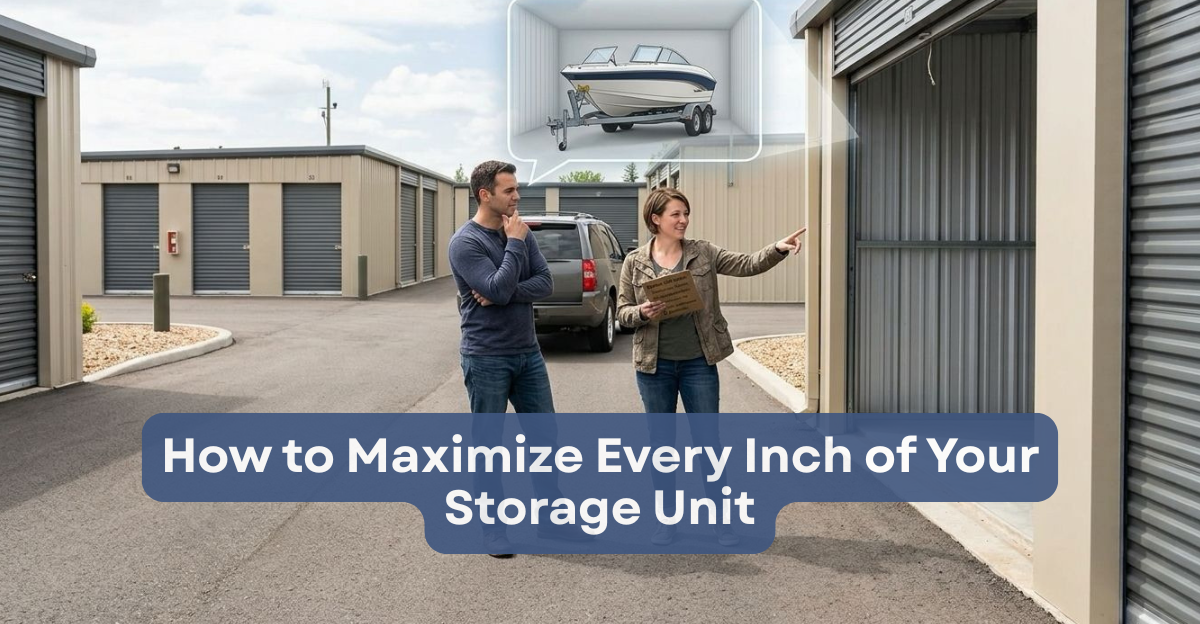
A self-storage unit is one of the most effective ways to create space at home, simplify a move, or organize business inventory. However, simply renting a unit isn’t enough—how you use it makes all the difference. Many people unintentionally waste space, damage belongings, or make storage more complicated than it needs to be. The good news is that most of these issues are easy to avoid with the right approach. Here are some of the most common storage mistakes—and how to prevent them so you can get the most out of your storage experience. 1. Not Choosing the Right Storage Unit Size One of the biggest mistakes people make is renting a unit that’s either too small or unnecessarily large. A unit that’s too small leads to overcrowding and damage, while a unit that’s too large means wasted space and money. The key is to assess what you’re storing before moving in. Items like furniture, boxes, appliances, and seasonal items all take up different amounts of space. Planning ahead helps you choose the right fit from the start. Pro Tip: Make a quick inventory list before renting so you can better estimate the space you’ll need. 2. Skipping Proper Packing and Protection Improper packing can lead to broken items, dust buildup, or unnecessary wear and tear over time. Many people use mismatched boxes, skip wrapping fragile items, or leave belongings loosely packed. This can create avoidable damage, especially during long-term storage. Using sturdy boxes, protective wrapping, and sealed containers helps keep everything in better condition. Pro Tip: Clearly label every box so you can quickly find what you need later without unpacking everything. 3. Poor Organization Inside the Unit A disorganized storage unit can quickly become frustrating and inefficient. Stacking items randomly or not leaving space to walk makes it difficult to access belongings when needed. Over time, this can turn your unit into a cluttered, unusable space. A better approach is to organize by category and frequency of use. Items you access often should be placed near the front, while long-term storage items can go toward the back. 4. Overpacking Boxes and Containers Overloaded boxes are a common mistake that can lead to damage. When boxes are too heavy, they become difficult to move and can collapse under pressure. This not only damages the contents but also creates safety issues when stacking. Keeping boxes at a manageable weight ensures easier handling and better long-term protection. Pro Tip: Use multiple smaller boxes instead of one large heavy box whenever possible. 5. Ignoring Climate Sensitivity Not all items are meant to be stored the same way. Items like electronics, wooden furniture, photos, and documents can be sensitive to temperature and humidity changes. Without proper consideration, these items may warp, fade, or deteriorate over time. Choosing the right storage environment for your belongings is essential for long-term preservation. 6. Forgetting to Leave a Walkway Maximizing space is important, but completely filling your unit without a path can create problems later. Without a walkway, retrieving items becomes difficult and often requires unpacking everything just to reach one box. Leaving a small aisle down the center or along one side makes your unit far more functional and accessible. 7. Not Keeping an Inventory List Many people forget exactly what they’ve stored over time, which leads to confusion or duplicate purchases. Without a simple tracking system, finding specific items becomes time-consuming and frustrating. Keeping a basic written or digital inventory helps you stay organized and aware of what’s inside your unit. Pro Tip: Take photos of boxed items before storing them for easier reference later. 8. Treating Storage as a One-Time Setup Storage is not something you “set and forget.” Over time, units can become disorganized, items may shift, and needs can change. Without occasional maintenance, even a well-packed unit can become cluttered. A quick seasonal check-in helps ensure everything stays in good condition and properly organized. Make Storage Simple, Organized, and Stress-Free Avoiding these common mistakes can make a huge difference in how effective and efficient your storage experience is. With the right planning, your storage unit becomes an extension of your home or business—not just an extra space full of boxes. At Dove Storage , we offer clean, secure, and affordable storage solutions designed to fit your needs. Whether you’re decluttering your home, moving, or storing business items, our facilities are here to help make storage simple and convenient. Visit Dove Storage today to find the right storage unit for you.

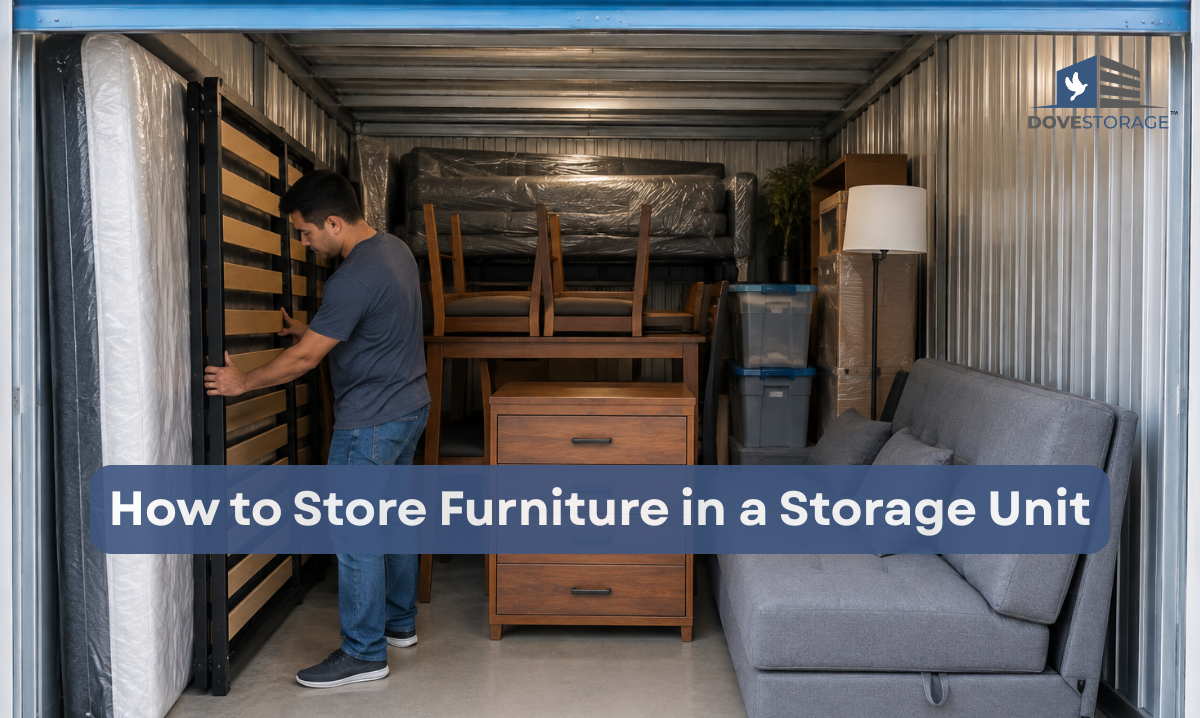
A clutter-free home doesn’t just happen on its own—it’s the result of smart decisions, good planning, and efficient packing. Whether you’re preparing for a move, downsizing, renovating, or simply freeing up space at home, how you pack your belongings for storage makes a huge difference in how well they stay protected and how easy they are to access later. Self-storage units are a flexible solution for keeping your belongings safe while giving you more room to live and work comfortably. At Dove Storage, we offer clean, secure, and convenient storage options designed to fit a variety of personal and business needs. Here’s how to pack for storage like a pro so you can make the most of your unit. 1. Start with a Smart Decluttering Plan Before you even think about boxes and tape, take time to decide what actually needs to go into storage. Go through each room and sort your items into four categories: keep, store, donate, and discard. Ask yourself: Have I used this in the past year? Is this something I only need seasonally? Does this item still serve a purpose or hold value? Items like holiday decorations, extra furniture, sports gear, and sentimental keepsakes are often perfect for storage. By being selective upfront, you’ll save space, time, and money on your storage unit. Pro Tip: Decluttering first helps you avoid paying to store items you don’t actually need. 2. Choose the Right Packing Supplies Using the right materials is key to protecting your belongings while maximizing space inside your storage unit. Here are essentials you’ll need: Strong, durable boxes in multiple sizes Packing tape and dispensers Bubble wrap or packing paper Markers for labeling Plastic bins for long-term protection Whenever possible, choose uniform box sizes so they stack neatly and make better use of vertical space. Plastic bins are especially useful for items that need extra protection from dust or moisture. 3. Label Everything Clearly and Consistently Labeling may seem simple, but it’s one of the most important steps in efficient storage packing. Clearly mark each box with its contents and the room it came from. Instead of vague labels like “miscellaneous,” be specific: “Kitchen – Baking Supplies” “Bedroom – Winter Clothes” “Living Room – Decor” This makes it much easier to locate items without having to open multiple boxes later. Pro Tip: Label at least two sides of each box so you can identify it no matter how it’s stacked. 4. Pack Strategically to Maximize Space How you pack your boxes is just as important as what you put in them. A little strategy goes a long way in helping you use your storage unit efficiently. Place heavier items at the bottom of boxes Fill empty spaces with soft materials to prevent shifting Keep similar items grouped together Avoid overpacking boxes to prevent damage For fragile items, wrap each piece individually and use padding to reduce movement during transport and storage. 5. Disassemble Large Furniture When Possible Bulky furniture takes up a lot of space, so disassembling larger items can help you maximize your storage unit. Consider: Removing table legs Taking apart bed frames Detaching couch cushions Storing screws and hardware in labeled bags Wrap furniture pieces in blankets or protective covers to prevent scratches and dust buildup while in storage. 6. Load Your Storage Unit Like a Pro Once your items are packed, how you load your storage unit will determine how easy it is to access your belongings later. Place items you’ll need less often in the back Keep frequently used items near the front Leave a small walkway for accessibility Stack heavier boxes on the bottom and lighter ones on top Using shelving units inside your storage space can also help keep everything organized and off the floor. 7. Protect Your Items for Long-Term Storage To keep your belongings in good condition, take extra precautions before placing them in storage. Use plastic bins for sensitive or valuable items Avoid storing items that are damp or unclean Cover furniture and mattresses with breathable covers Store electronics in original boxes if available For added peace of mind, consider choosing a storage unit that offers enhanced security features and a well-maintained environment. 8. Keep an Inventory of What You Store A simple inventory list can save you a lot of time and frustration later. Write down or digitally track what you place in your storage unit. Include: Box numbers General contents Estimated value or importance You can even take photos of each box before sealing it. This makes it easier to remember what you stored and avoid buying duplicates. 9. Plan for Easy Access in the Future Think ahead when packing so you don’t have to unpack everything just to find one item. Place seasonal items together Keep essentials near the front Avoid stacking important boxes too deep Revisit your unit occasionally to reorganize if needed A well-organized storage unit works like an extension of your home—not just a place to “put things away.” Packing for storage doesn’t have to be stressful. With the right approach, you can protect your belongings, maximize your space, and stay organized long-term. It’s all about being intentional—from the moment you start sorting to the way you load your storage unit. At Dove Storage , we’re committed to helping you create more space in your life with clean, secure, and convenient storage solutions. Whether you’re storing seasonal items, furniture, or personal keepsakes, we’re here to help make the process simple and stress-free.

Choosing the right storage unit size is one of the most important steps when renting self-storage. Go too small, and you may run out of space quickly. Go too large, and you might end up paying for space you don’t use. The good news is that with a little planning, you can easily find the perfect fit for your needs. Whether you’re storing a few boxes, the contents of a room, or an entire household, understanding unit sizes will help you make a smart, cost-effective decision. Here’s how to determine what size storage unit you really need. 1. Start by Understanding What You’re Storing Before choosing a unit, take inventory of everything you plan to store. Walk through your home, garage, or office and group your items into categories: Small boxes and personal items Furniture and appliances Seasonal decorations and clothing Business inventory or equipment Ask yourself: Is this a short-term or long-term storage need? Will I need frequent access to these items? Are any items oversized or fragile? Knowing exactly what you’re storing will help you avoid guessing and choosing the wrong size. Pro Tip: Take photos of your items before packing. It helps you visualize space needs more accurately. 2. Understand Common Storage Unit Sizes Most storage facilities offer a range of unit sizes designed for different needs. While exact dimensions may vary, here’s a general guide: Small Units (5x5 to 5x10) Ideal for boxes, small furniture, seasonal items, or dorm-room contents. Think of it like a walk-in closet. Medium Units (5x15 to 10x10) Great for one-bedroom apartments, including furniture, appliances, and multiple boxes. A popular choice for personal storage. Large Units (10x15 to 10x20) Suitable for multi-room homes, larger furniture, and bulky items like couches, mattresses, and appliances. Extra-Large Units (10x30 and above) Best for full household moves, business storage, or large equipment and inventory. 3. Think About How You’ll Pack and Organize The way you pack your storage unit plays a big role in how much space you actually need. Smart organization can often help you fit more into a smaller unit. Use uniform boxes for easier stacking Disassemble furniture when possible Place heavier items on the bottom Use vertical space with shelving Leave a small aisle for access A well-organized unit can make a smaller size work much more efficiently than expected. Pro Tip: Don’t underestimate vertical space—many people choose a larger unit when better stacking would have been enough. 4. Consider How Often You’ll Access Your Items If you plan to access your belongings regularly, you may need extra space to move around comfortably inside your unit. Frequent access → choose a slightly larger unit for easy organization Long-term storage → you may be able to maximize space more tightly Leaving an access path inside your unit can make a big difference in convenience, especially for business inventory or seasonal items. 5. Match the Unit to Your Life Situation Your storage needs often depend on what’s happening in your life: Moving or relocating → larger unit for flexibility Renovating your home → medium to large unit for furniture Downsizing → mix of small and medium storage Business storage → size depends on inventory volume and turnover Thinking about your situation helps you choose a unit that fits not just your items, but your purpose. 6. Don’t Forget About Future Storage Needs One common mistake is only planning for today’s items. If you expect to add more belongings over time, it’s smart to factor that in now. Seasonal items like holiday decorations Business inventory growth Future furniture or household items Choosing slightly more space upfront can save you from needing to upgrade later. 7. Get Help When You’re Unsure If you’re stuck between two sizes, it’s always helpful to speak with a storage professional. Facilities like Dove Storage can guide you based on real-world experience and help you avoid paying for unnecessary space. A quick walkthrough of your items or a list can often help determine the perfect fit. Choosing the right storage unit size doesn’t have to be complicated. By understanding what you’re storing, how you’ll organize it, and how often you’ll access it, you can confidently select a unit that fits your needs without wasting space or money. At Dove Storage , we offer a variety of clean, secure, and affordable storage unit sizes to match every situation—from a few personal items to full household storage needs. Visit Dove Storage to find the right space for your belongings and make storage simple and stress-free.