Smart Locks vs. Traditional Locks: What’s Safer?
Dove Storage • June 27, 2025
Security is a top concern for anyone renting a self-storage unit. Whether you're storing personal belongings, business inventory, or seasonal items, protecting your valuables is a priority—and that starts with the lock you choose. In today’s market, renters have two primary options: traditional padlocks and smart locks. But which one is safer? This article breaks down the pros and cons of smart locks vs. traditional locks, so you can make the best decision for your storage security.
What Are Traditional Locks?
Traditional locks, such as padlocks or disc locks, use a physical key or combination to open. They’re simple, widely used, and time-tested for basic security.
Common Types:
Padlocks
– Portable and easy to use.
Disc locks
– More secure than padlocks; harder to cut with bolt cutters.
Combination locks
– Use rotating dials with no keys required.
Traditional locks are made from heavy-duty metal and can be highly secure, depending on the quality and type.
What Are Smart Locks?
Smart locks are electronic locking systems that use Bluetooth, Wi-Fi, or keypad access, often controlled through a smartphone app or cloud-based platform. These locks offer features such as remote access, temporary digital keys, and activity logs.
Common Types:
Bluetooth-enabled locks
– Controlled via app and often used without internet.
Wi-Fi-enabled locks
– Allow remote access and monitoring.
Keypad locks
– Allow access using a PIN code.
Some self-storage facilities provide smart locks as part of their security features or offer them as an upgrade for tenants.
Security Comparison: Smart Locks vs. Traditional Locks
1. Tamper Resistance
Traditional locks:
High-quality disc locks offer strong resistance to cutting and prying. However, cheaper padlocks can be easily broken.
Smart locks:
Good models are built with tamper alerts and reinforced hardware, but some low-cost versions may be vulnerable to hacking or power failure.
Winner: Tie – Depends on the lock’s build quality.
2. Access Control
Traditional locks:
Only individuals with the physical key (or combination) can access the unit. If the key is lost or copied, your security is compromised.
Smart locks:
You can grant or revoke access digitally, set temporary codes, and monitor access history.
Winner: Smart Locks
– Greater flexibility and control.
3. Convenience
Traditional locks:
Require carrying a key or remembering a combination. No setup or batteries required.
Smart locks: Controlled by smartphone or keypad—no key needed. Great for managing multiple users or remote access.
Winner: Smart Locks
– More convenient, especially for business users.
4. Power and Connectivity
Traditional locks:
No electricity needed; always functional.
Smart locks:
Rely on batteries or power sources. Battery failure or app glitches can limit access.
Winner: Traditional Locks
– Dependable with no tech issues.
5. Cost
Traditional locks:
Cost between $10–$30 for a decent model. Disc locks may run slightly higher.
Smart locks:
Typically range from $60–$250, depending on features and brand.
Winner: Traditional Locks
– More budget-friendly.
Use Cases: Which Is Better for You?
Use Smart Locks If You:
Need remote access or multiple users (ideal for business owners or shared units)
Want digital logs of access activity
Prefer managing access via smartphone
Rent at a facility that supports digital access
Use Traditional Locks If You:
Want a no-fuss solution
Are you concerned about hacking or battery issues
Only need access for yourself or one person
Have a limited budget
Hybrid Security Tip: Combine Both
Some renters choose to use both types of locks for maximum protection. For example, use a smart lock provided by the facility and add your high-quality disc lock as a physical backup.
Facility Policies Matter Too
Before purchasing any lock, check with your storage facility. Some locations:
Require specific types of locks (e.g., disc locks only)
Offer smart locks as part of the rental package
May prohibit personal smart locks on units
Ask your facility what’s allowed and recommended for your specific unit.
Final Thoughts: What’s Safer?
Smart locks offer better control, monitoring, and flexibility, especially for tech-savvy users or business applications. However, a well-made traditional disc lock remains one of the most secure physical barriers, and its simplicity makes it reliable in any condition. The key to safety isn’t just the lock—it’s using it correctly and being aware of who has access.
Looking for secure and modern self-storage options? Visit www.dovestorage.com
to explore our range of secure storage units, including facilities with smart lock access and enhanced security features. Whether you choose smart or traditional, Dove Storage has your back.
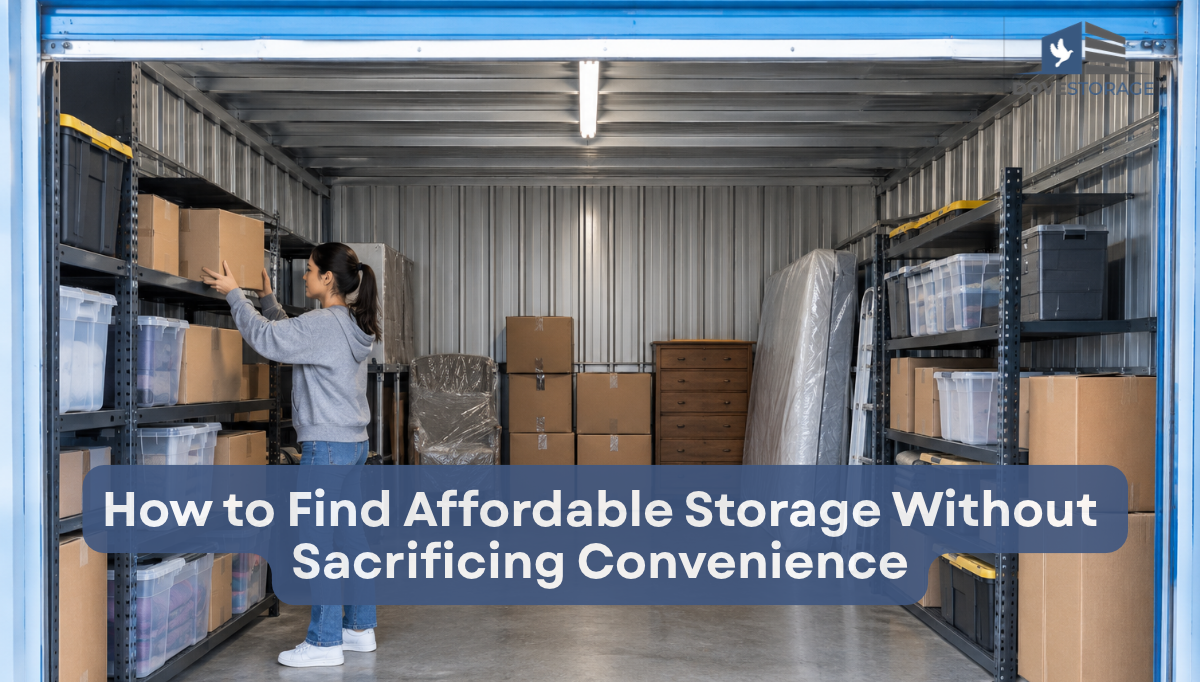
Discover how to find affordable self-storage without sacrificing convenience with tips on unit sizes, rental costs, location, security, and flexible storage options.
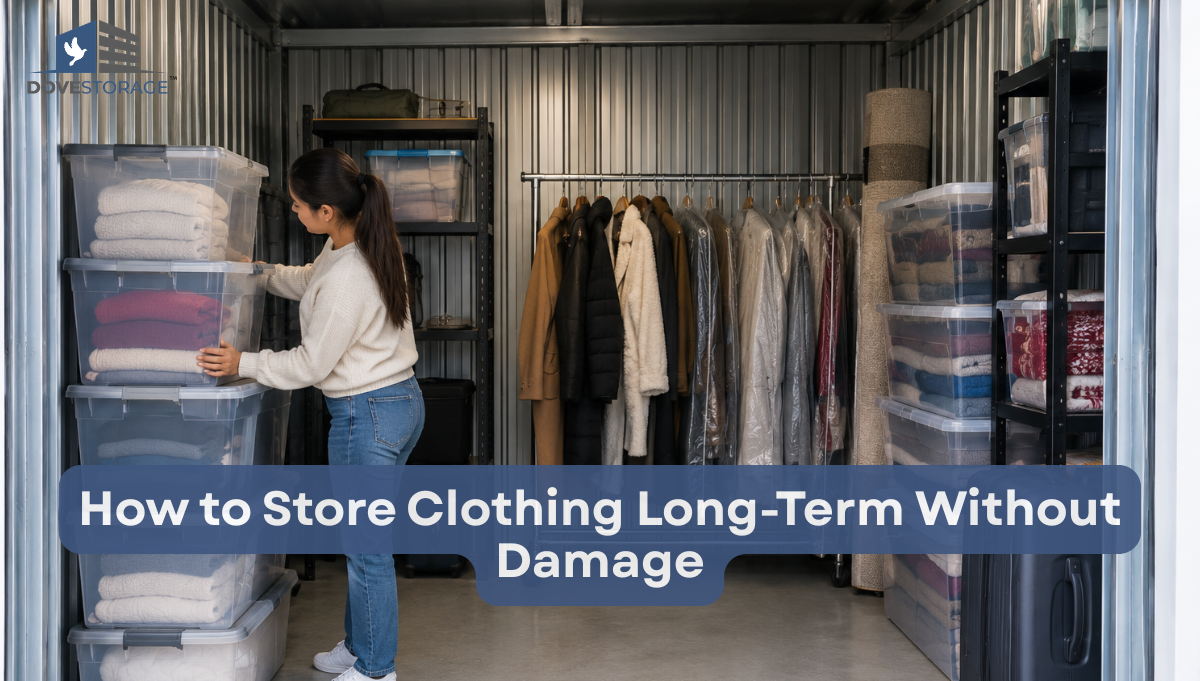
Learn how to store clothing long-term without damage with tips for cleaning, packing, moisture protection, organization, and choosing the right storage environment.
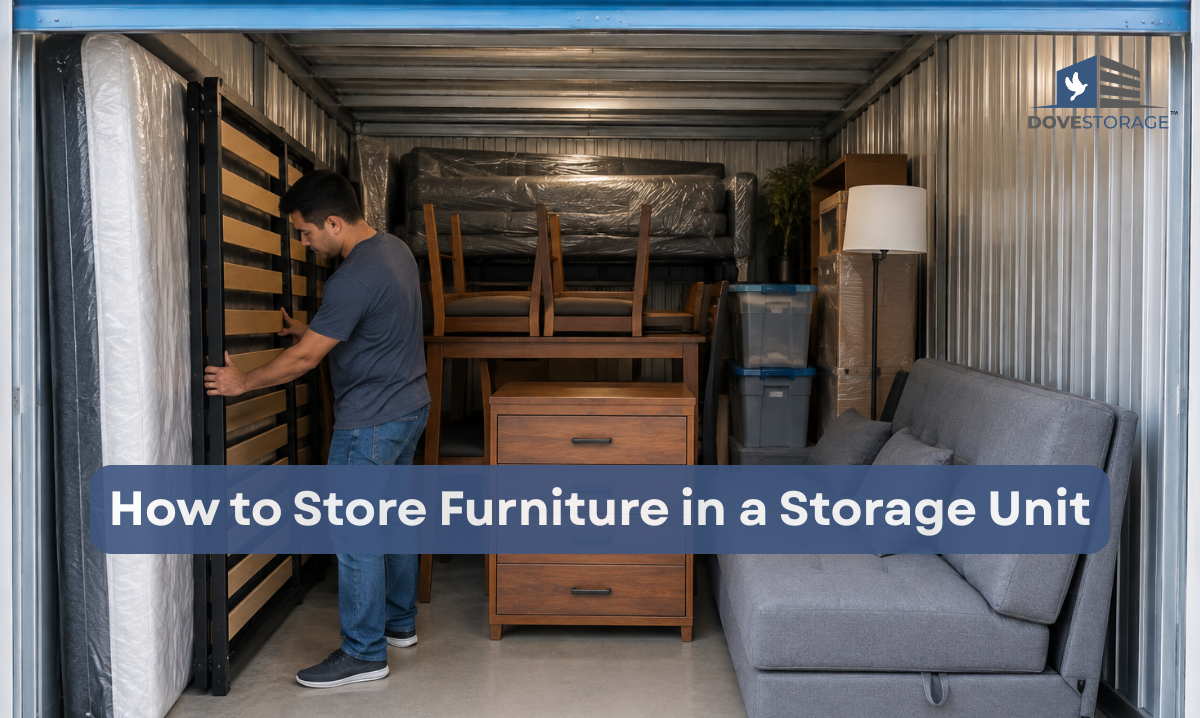
Learn how to store furniture safely in a storage unit with tips for cleaning, packing, protecting, organizing, and choosing the right storage space.
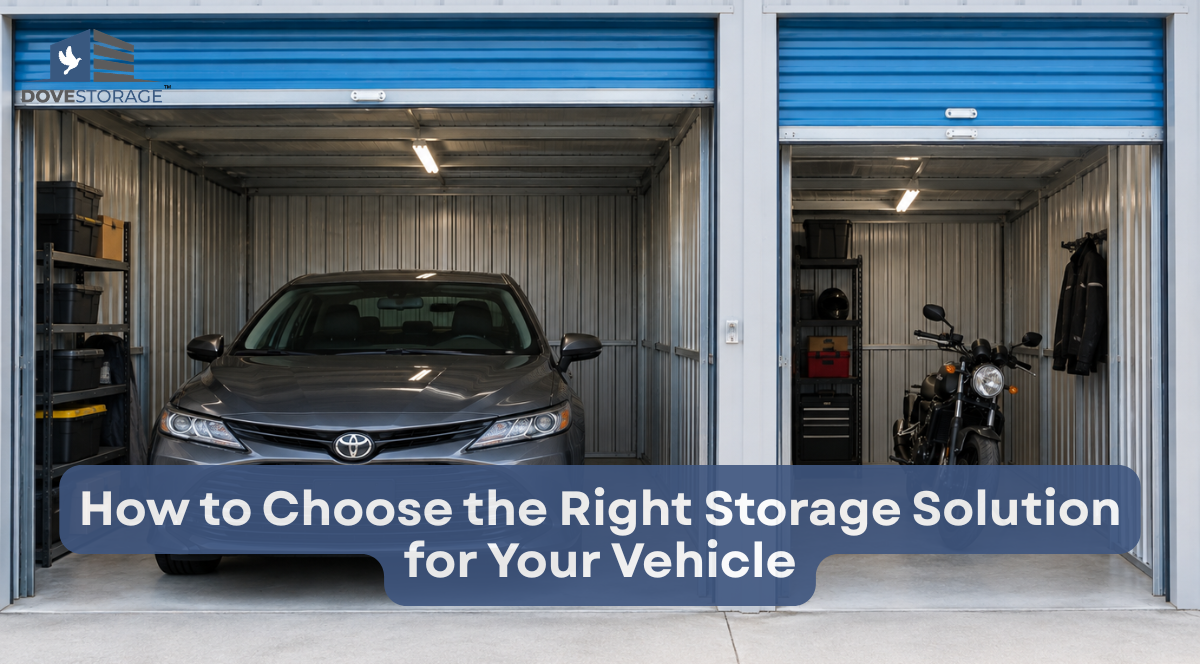
Learn how to choose the right vehicle storage solution based on size, access, security, protection, and budget for cars, motorcycles, boats, and more.
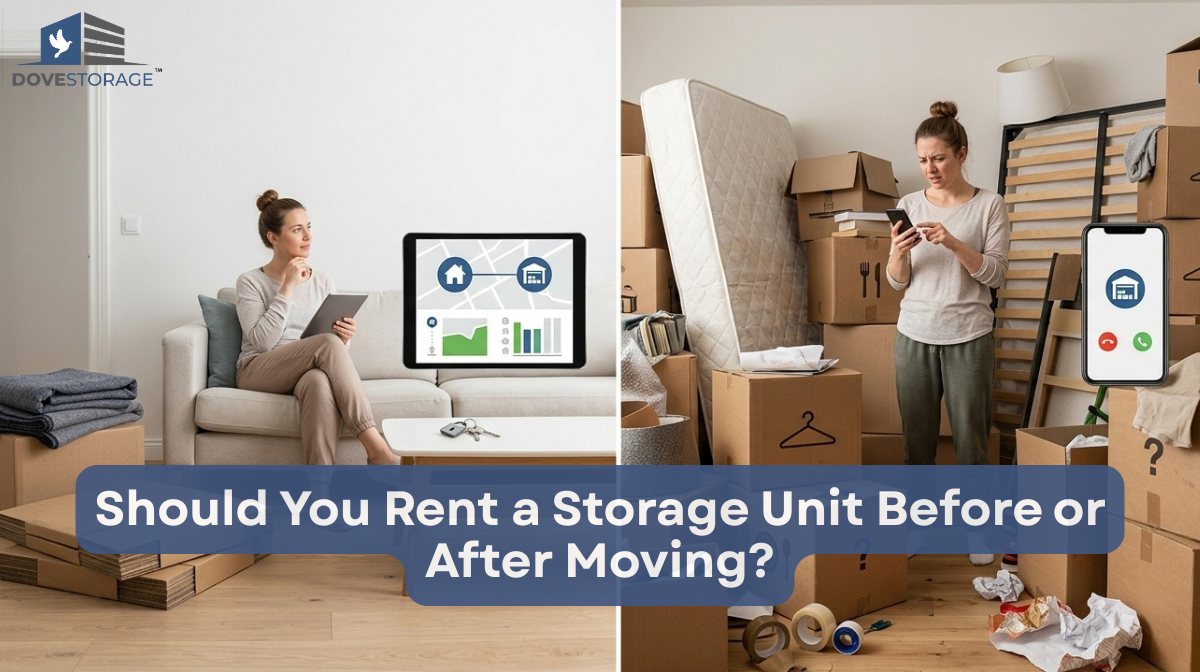
Should you rent a storage unit before or after moving? Learn how self-storage can simplify packing, moving between homes, downsizing, and settling into your new space.

Declutter your home without feeling overwhelmed with simple, manageable steps for sorting, organizing, storing, donating, and creating a more functional space.
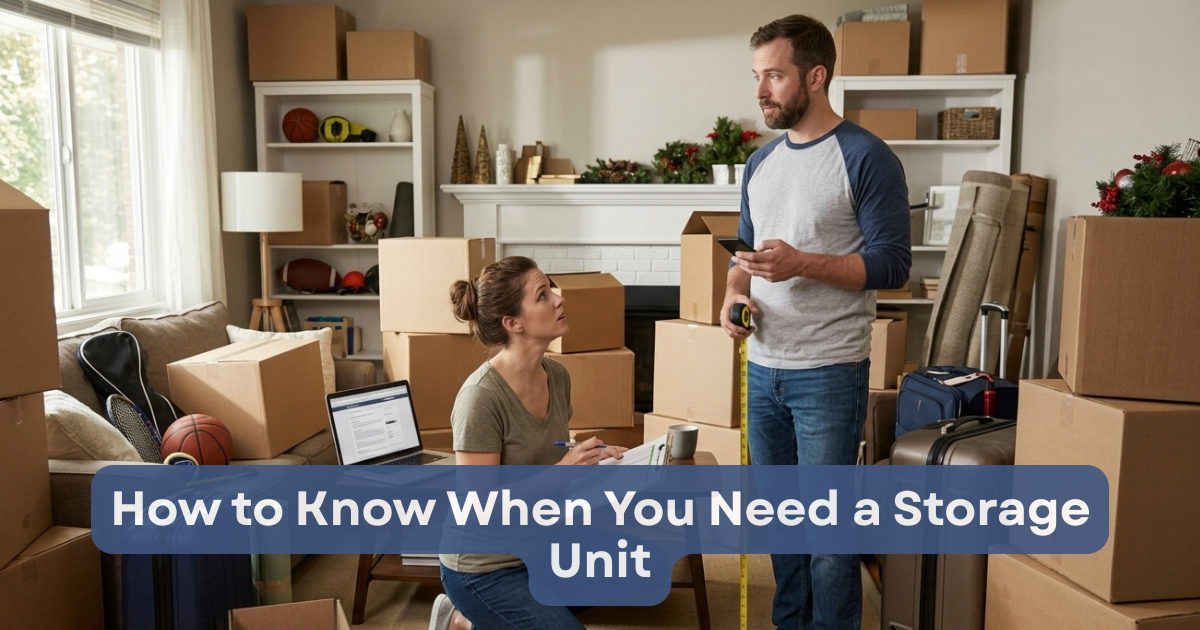
Not sure if you need a storage unit? Discover common signs it’s time for extra space, from home clutter and moving to downsizing, seasonal storage, and business needs.
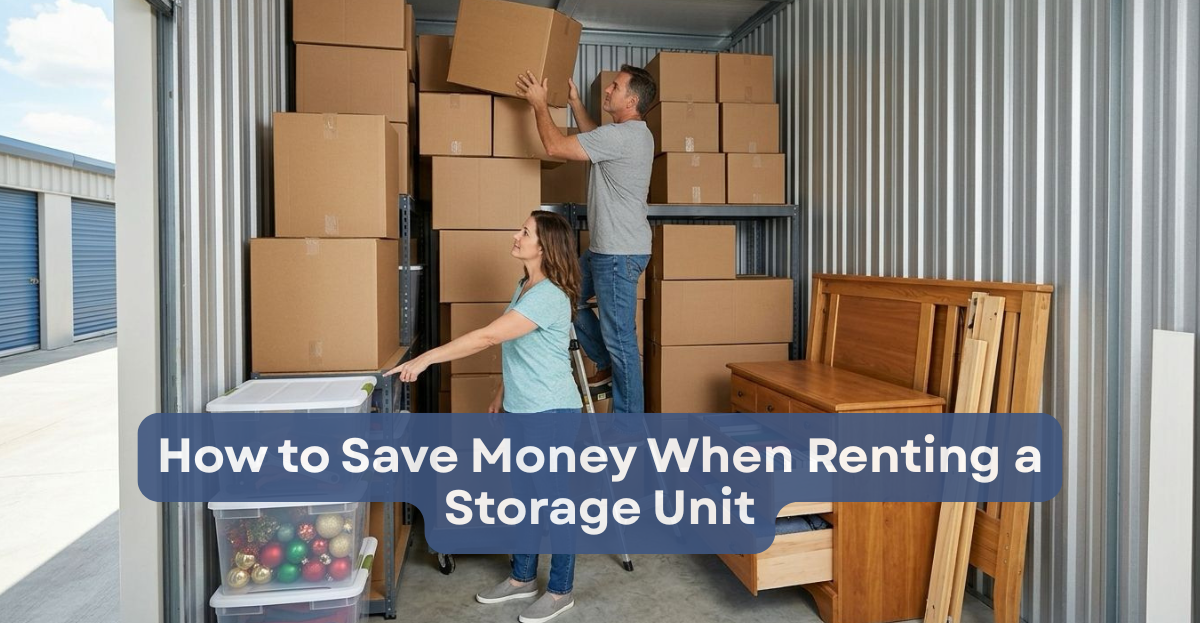
Save money on self-storage with practical tips for choosing the right unit size, comparing prices, packing efficiently, decluttering, and maximizing your storage budget.
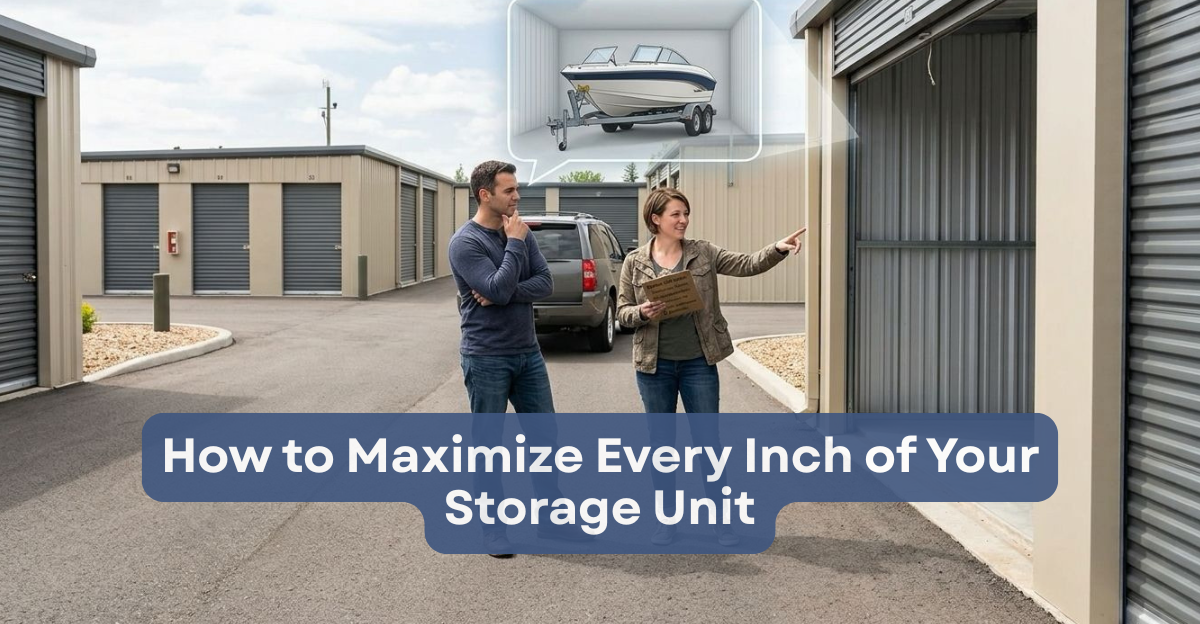
Maximize every inch of your storage unit with smart packing, stacking, labeling, and organization tips that save space while keeping belongings accessible.
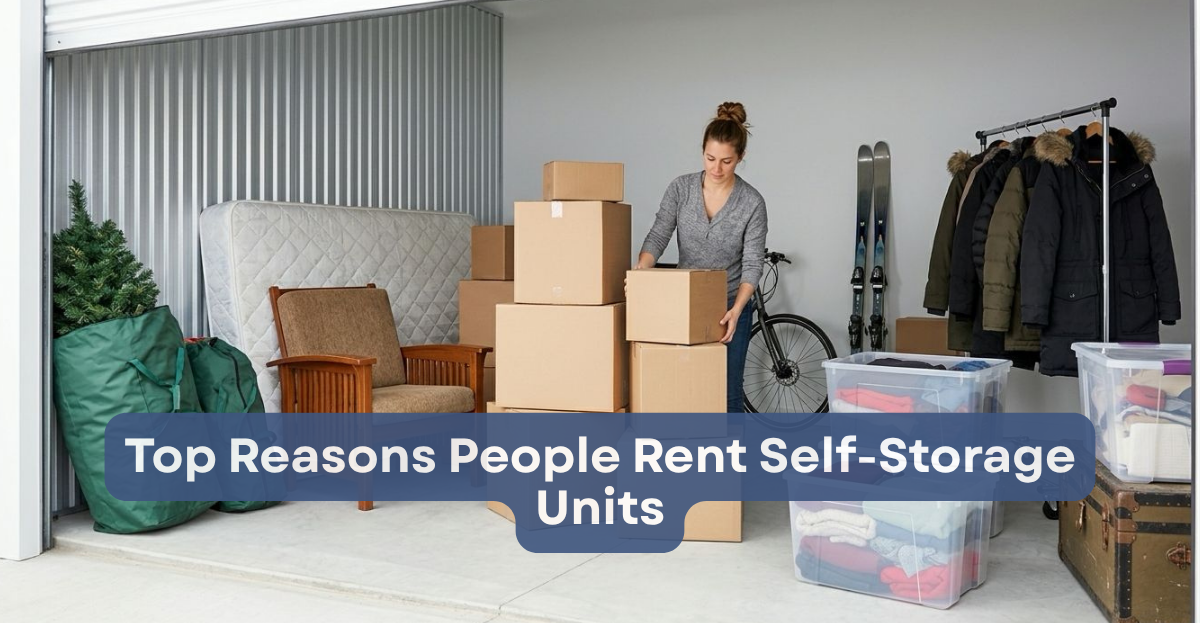
Discover the top reasons people rent self-storage units, from creating more space and moving to storing seasonal items, business inventory, and sentimental belongings.