
How to Pack and Stack Boxes for Maximum Space in a Storage Unit
Dove Storage • June 23, 2025
When using a self-storage unit, proper packing and stacking of boxes can make all the difference. Whether you’re storing personal belongings, business inventory, or seasonal items, knowing how to efficiently arrange your storage unit helps you save space, protect your items, and access what you need more easily.
In this guide, we’ll walk you through the best practices for packing and stacking boxes to maximize your storage unit’s capacity while keeping everything safe and organized.
1. Start with the Right Supplies
The first step to a successful packing and stacking system is using quality materials. Here’s what you’ll need:
- Sturdy boxes in uniform sizes for easier stacking
- Clear plastic bins for visibility and moisture protection
- Packing tape to securely seal each box
- Permanent markers or labels for easy identification
- Furniture blankets or bubble wrap for fragile items
- Shelving units (optional but helpful for maximizing vertical space)
Avoid using old or damaged boxes that can collapse under weight. Uniform box sizes make stacking much easier and safer.
2. Pack Strategically by Category and Weight
When packing your boxes, keep similar items together—such as kitchenware, books, seasonal clothing, or business supplies. This makes unpacking and locating items later more manageable.Pack heavier items in small boxes and lighter items in larger ones. This not only prevents boxes from being too heavy to lift but also avoids the risk of boxes collapsing under weight.
Quick Tips:
Don’t overfill boxes to the point of bulging.
Wrap fragile items in bubble wrap or paper.
Leave a small air gap at the top and fill it with soft materials to prevent shifting.
3. Label Everything Clearly
Proper labeling can save you hours of frustration later. On each box, write:
- A brief description of contents
- The room or category (e.g., “Kitchen – Dishes” or “Office – Cables”)
- An inventory number (e.g., Box 1 of 15)
- Consider labeling multiple sides of the box so it’s visible no matter how you stack it. Some people also use color-coded labels or QR code apps for digital tracking.
4. Use the “Heaviest on Bottom” Rule
When stacking boxes, always place the heaviest ones on the bottom and lighter ones on top. This prevents damage and ensures stability.
Heavier items to go at the bottom include:
Books
Dishes
Power tools
Files and paper documents
Lighter boxes may contain:
Linens
Toys
Seasonal clothing
Decorations
This simple rule helps prevent toppling stacks and crushed contents.
5. Create a Stable Base and Stack Vertically
To maximize vertical space, build your stacks like you would a brick wall—alternating the direction of boxes in each row to create stability. Stacking to the ceiling can save considerable floor space, but always keep safety in mind. Use shelving if you're storing fragile items or want to access specific things regularly. Shelves keep your layout more open and reduce the risk of accidents.
6. Leave an Aisle and Access Points
You don’t need to pack everything wall-to-wall. Leave a narrow aisle down the center or along one side so you can reach boxes in the back without unloading everything in the front. Store items you’ll need more often near the front of the unit—such as tools, files, or holiday decorations. Place rarely used items toward the back.
7. Use Furniture and Odd Shapes Wisely
If you’re storing furniture, think of it as a space-saving opportunity:
- Fill drawers with soft items or supplies
- Use the space under tables for bins or small boxes
- Place small boxes inside cabinets or on bookshelves
- Also, remove legs from tables or take apart large furniture to stack pieces more efficiently.
8. Avoid Stacking Too High or Too Deep
While stacking high can save space, going too far can lead to falls, damage, or injury. Keep stacks no taller than you can safely reach (usually shoulder to eye level). Avoid stacking fragile items more than three or four boxes high unless you’re using shelving. Also, avoid making stacks too deep where items become inaccessible or unstable.
9. Monitor Climate and Moisture
If your unit isn’t climate-controlled, take steps to protect your items:
- Use moisture absorbers like silica gel or DampRid
- Elevate boxes slightly off the floor using pallets or boards
- Don’t pack boxes directly against the walls—leave a little air space for ventilation
- Plastic bins are a good alternative for damp environments, and using sealed bags for clothing or documents adds extra protection.
10. Take Photos of Your Setup
Once your unit is packed and stacked, take photos of the layout and label positions. This can serve as a reference if you need someone else to access the unit or if you forget where you placed certain items. Keep a copy of your item inventory on your phone or in cloud storage for easy access.
Packing and stacking your storage unit properly doesn’t just help you save space—it ensures that your items remain safe, accessible, and well-organized. By using consistent box sizes, labeling clearly, stacking smartly, and planning your layout, you can maximize your storage investment and avoid the frustration of clutter or lost items.
Need a secure, clean, and easy-to-access storage unit? Visit www.dovestorage.com
to find the perfect storage solution near you—and pack smarter with confidence.
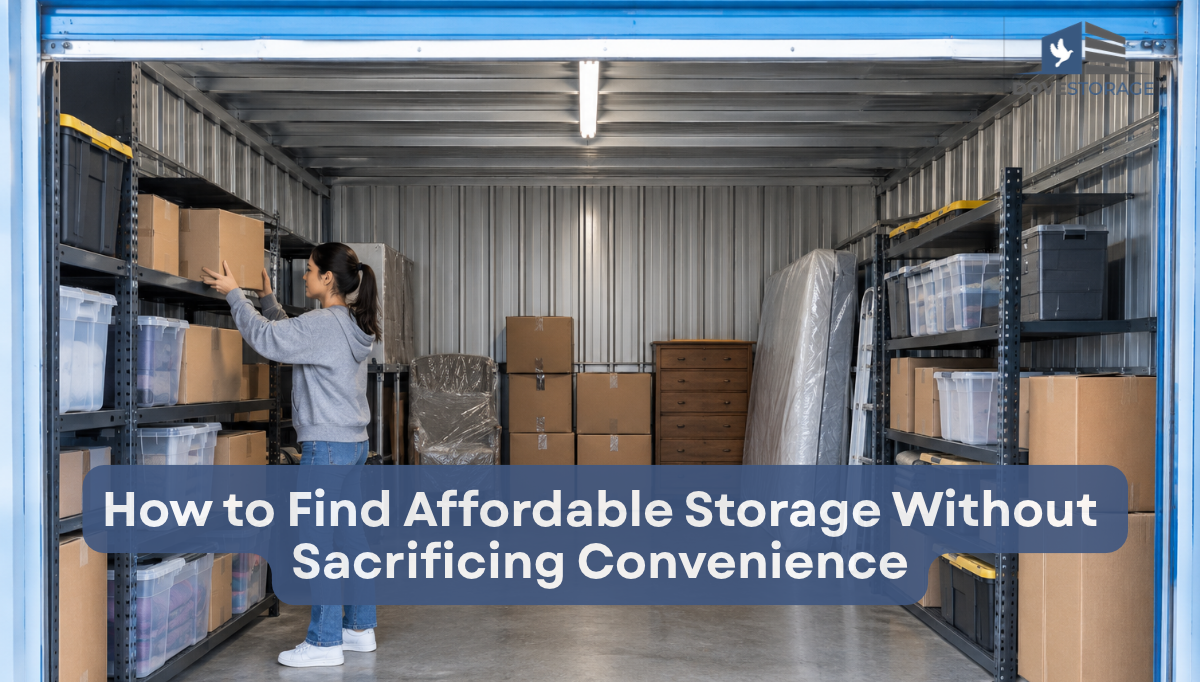
Discover how to find affordable self-storage without sacrificing convenience with tips on unit sizes, rental costs, location, security, and flexible storage options.
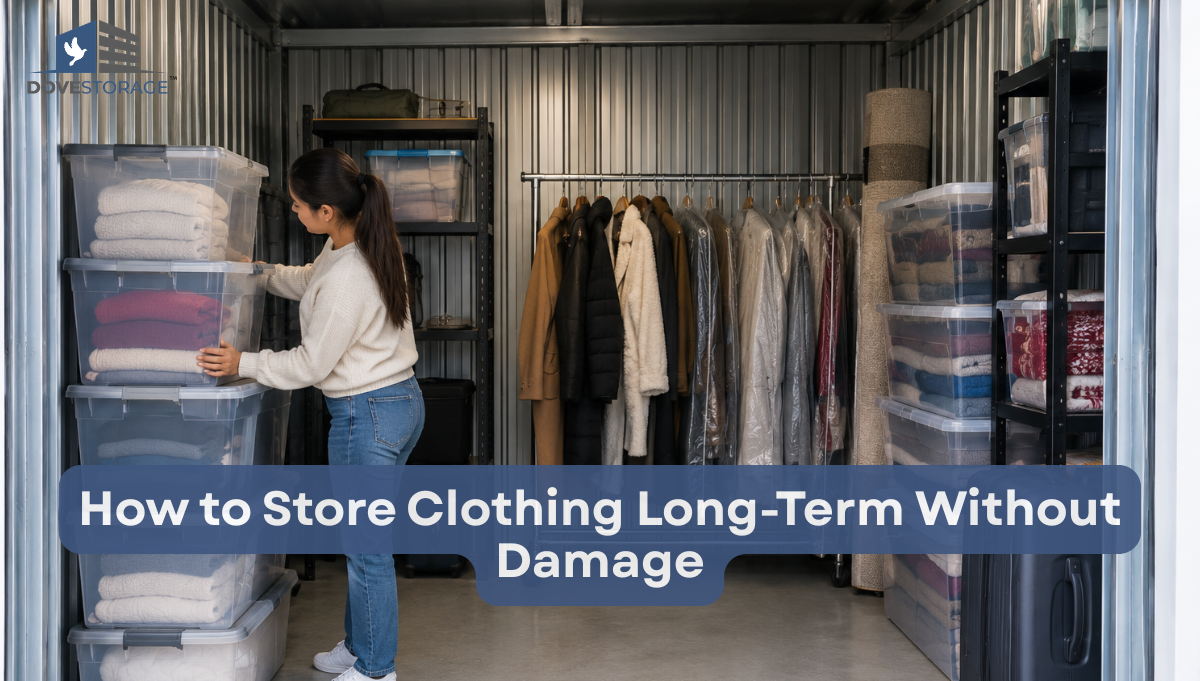
Learn how to store clothing long-term without damage with tips for cleaning, packing, moisture protection, organization, and choosing the right storage environment.
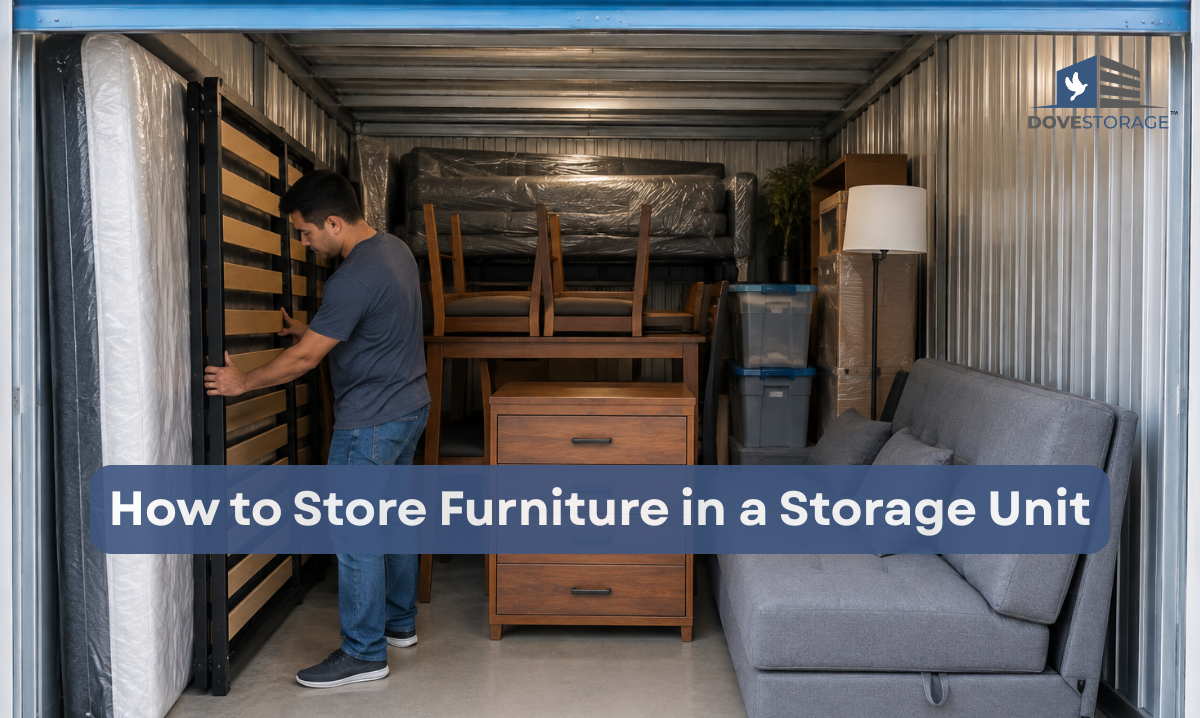
Learn how to store furniture safely in a storage unit with tips for cleaning, packing, protecting, organizing, and choosing the right storage space.
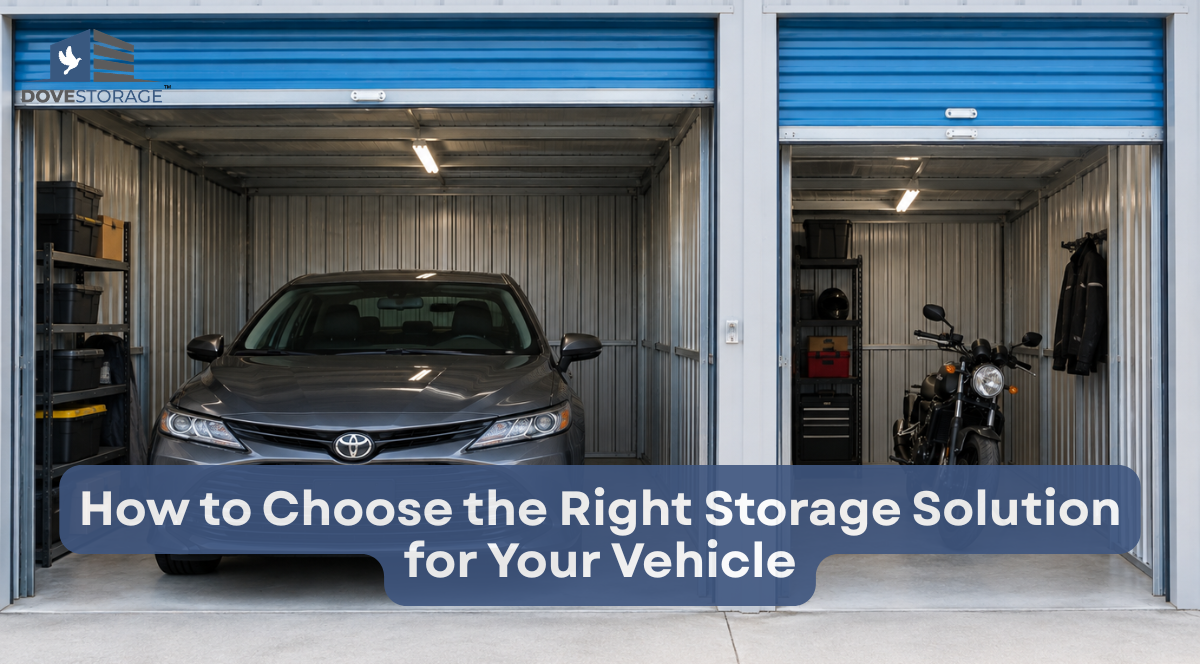
Learn how to choose the right vehicle storage solution based on size, access, security, protection, and budget for cars, motorcycles, boats, and more.
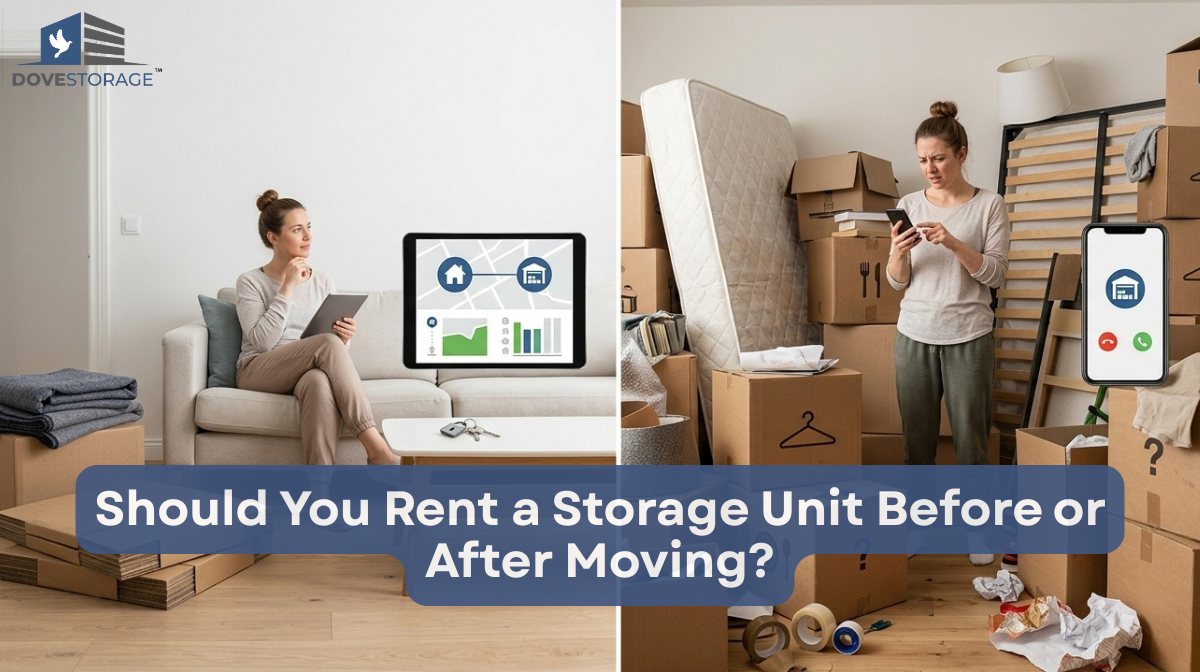
Should you rent a storage unit before or after moving? Learn how self-storage can simplify packing, moving between homes, downsizing, and settling into your new space.
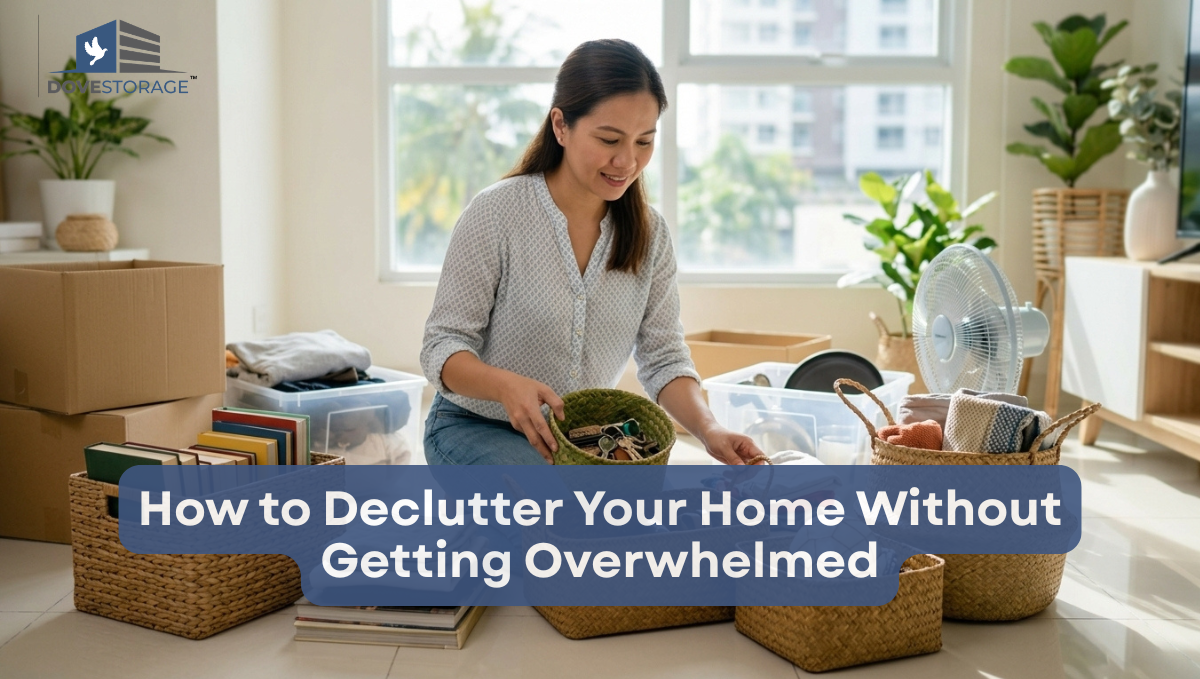
Declutter your home without feeling overwhelmed with simple, manageable steps for sorting, organizing, storing, donating, and creating a more functional space.
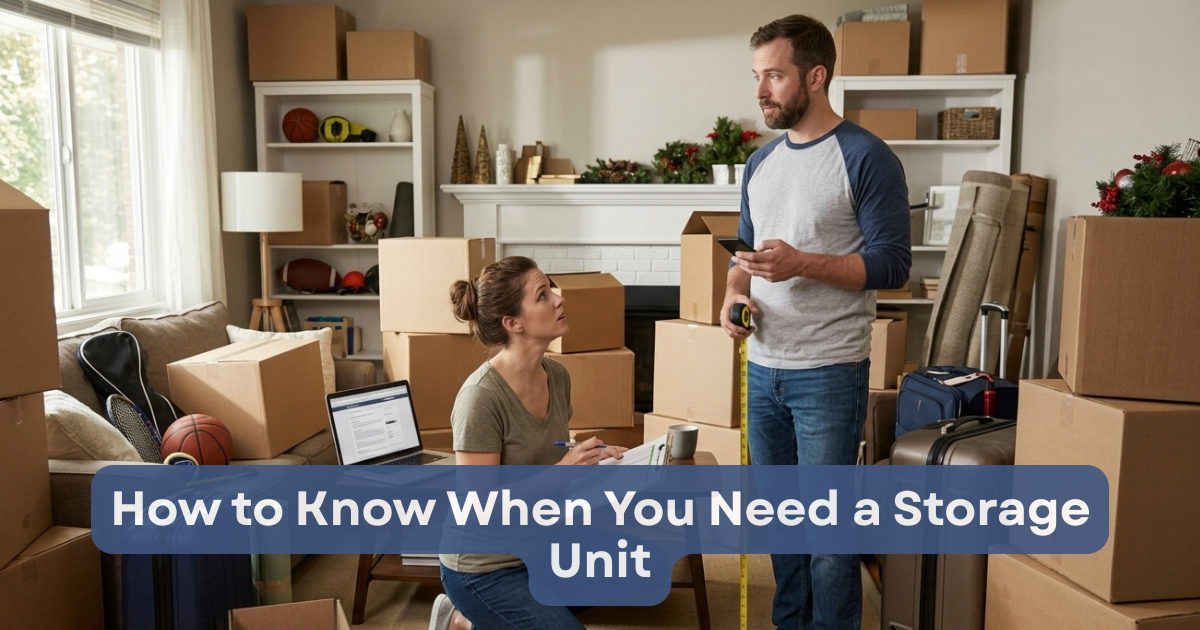
Not sure if you need a storage unit? Discover common signs it’s time for extra space, from home clutter and moving to downsizing, seasonal storage, and business needs.
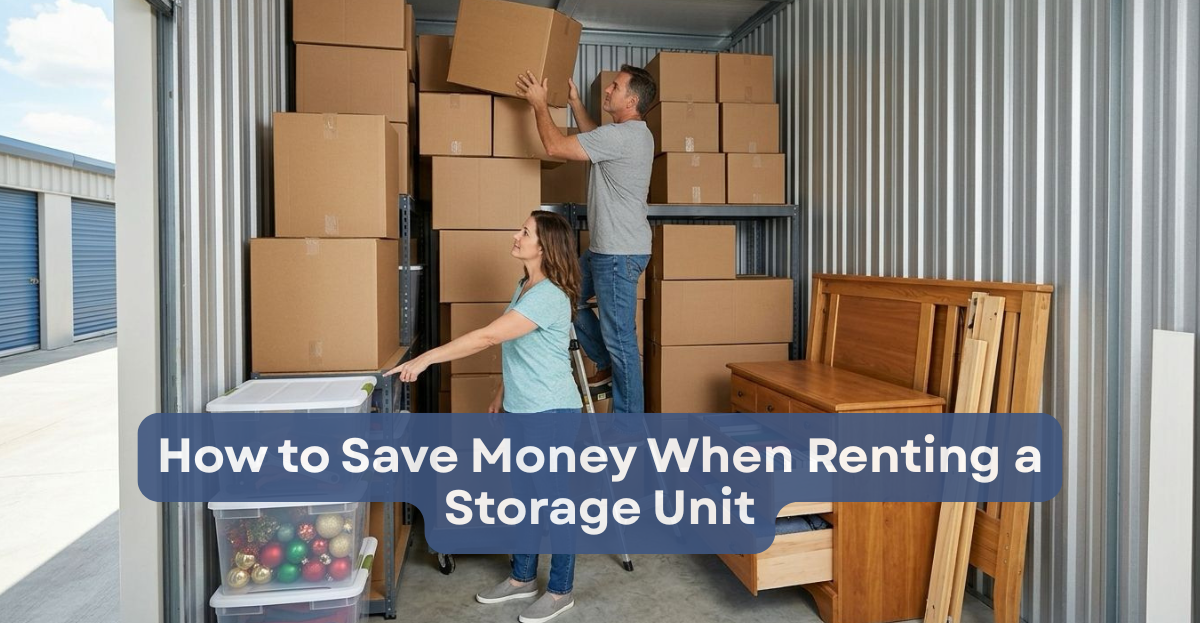
Save money on self-storage with practical tips for choosing the right unit size, comparing prices, packing efficiently, decluttering, and maximizing your storage budget.
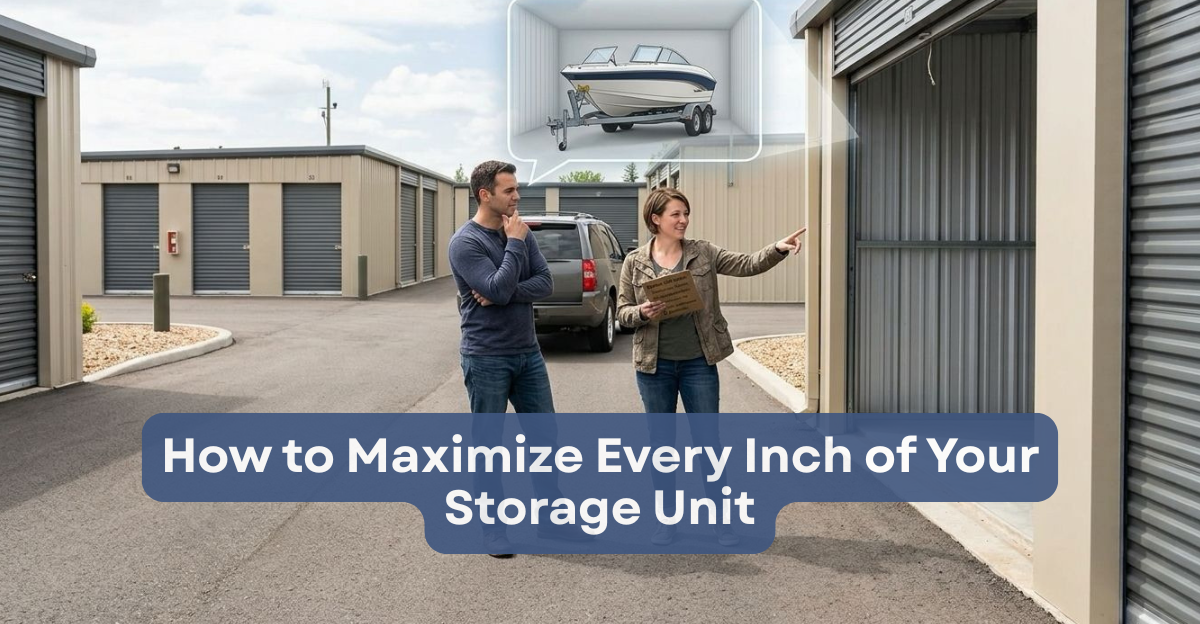
Maximize every inch of your storage unit with smart packing, stacking, labeling, and organization tips that save space while keeping belongings accessible.
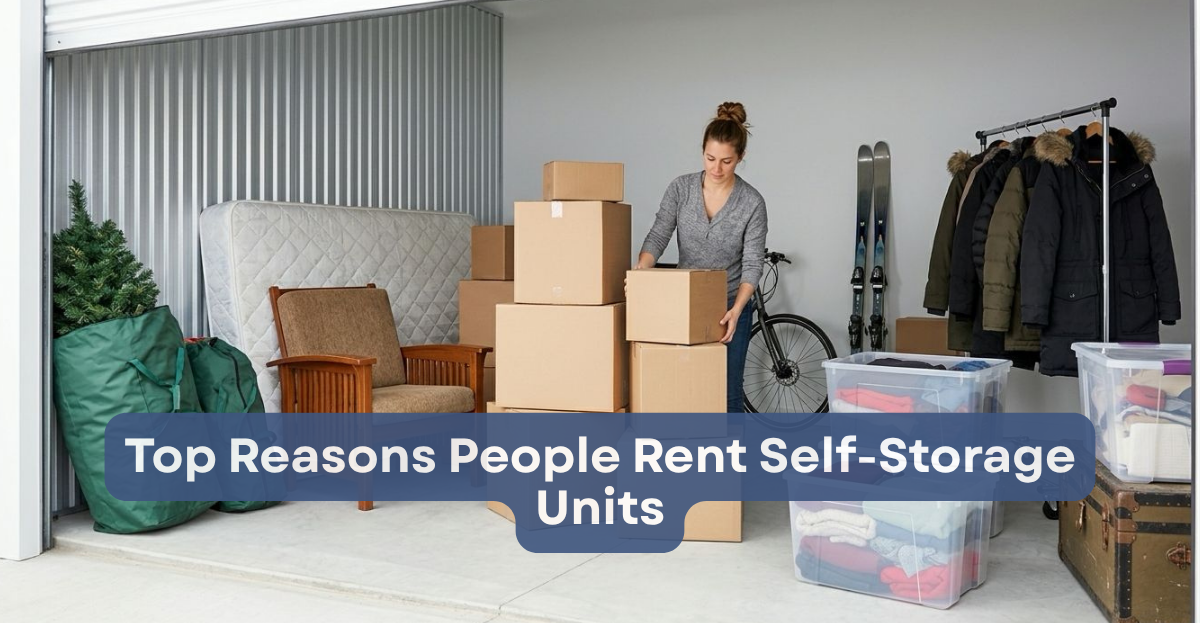
Discover the top reasons people rent self-storage units, from creating more space and moving to storing seasonal items, business inventory, and sentimental belongings.