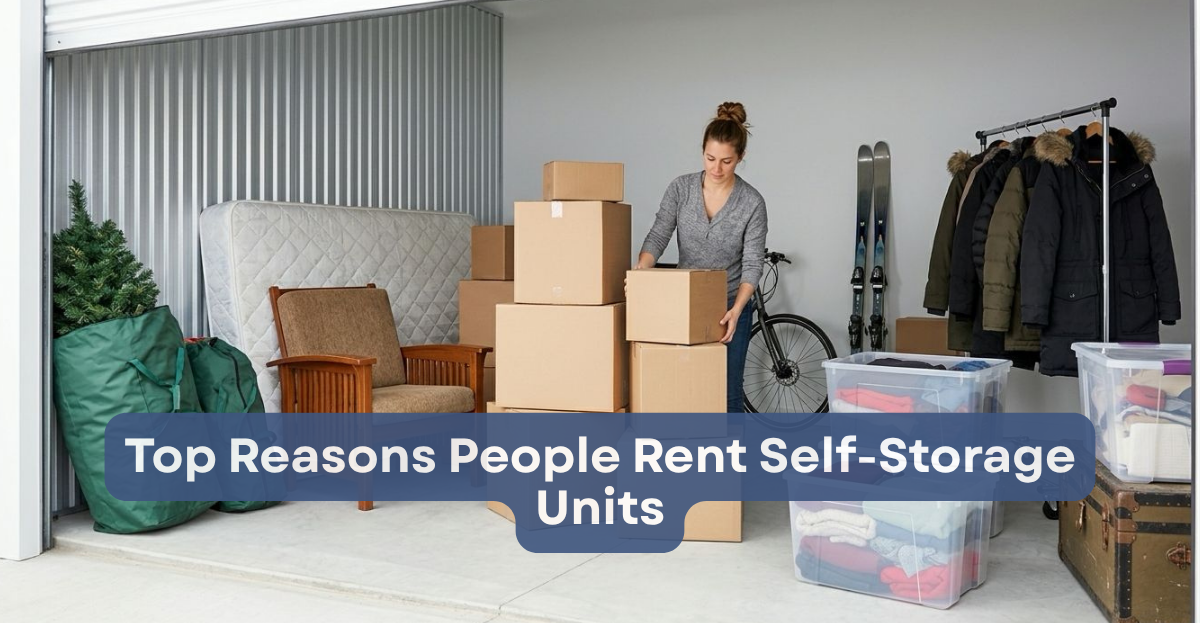
How to Choose Between Indoor and Drive-Up Storage

Dove Storage • June 17, 2025
When it comes to renting a self-storage unit, one of the most important decisions you'll make is choosing between indoor storage and drive-up storage. Both options are widely available across the U.S., but each has unique benefits depending on what you’re storing, how often you need access, and your overall priorities. In this guide, we’ll break down the key differences between indoor and drive-up storage and help you decide which option best suits your needs.

What Is Indoor Storage?
Indoor storage units are located inside a building that’s accessible through a secure entry point. Tenants typically enter using a keypad code and navigate hallways to access their unit. These units are often climate-controlled, which means they maintain consistent temperature and humidity levels.

Best for:
Items sensitive to temperature and humidity (electronics, wood furniture, documents)
People storing long-term or seasonal items
Those concerned about theft or environmental exposure

What Is Drive-Up Storage?
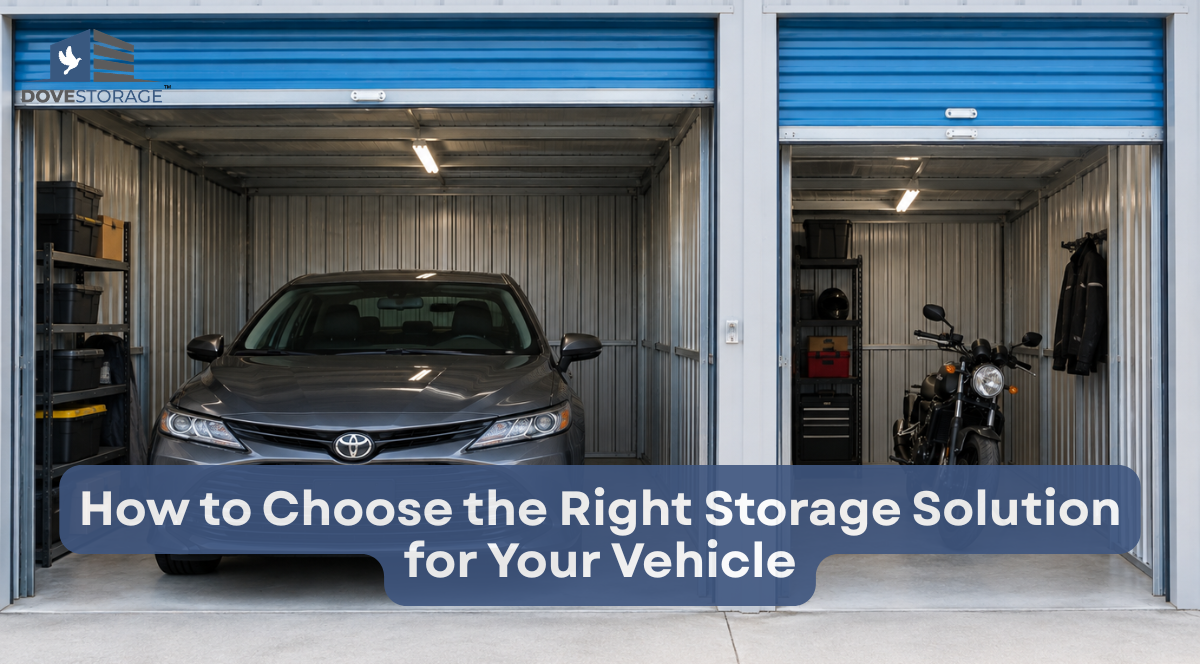
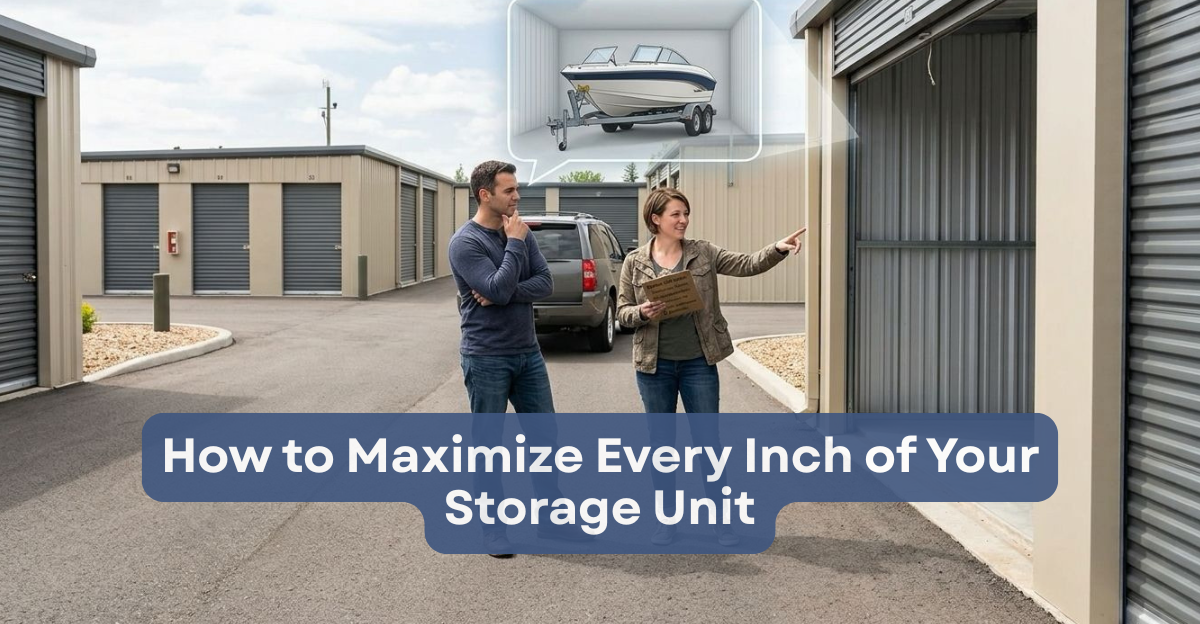
Drive-up storage units are similar to a personal garage. You can pull your vehicle directly up to the door of your unit for easy loading and unloading. These are usually exterior units with wide driveways and may or may not be climate-controlled.

Best for:
Frequent access and heavy or bulky items
Businesses storing tools, inventory, or equipment
People moving and needing fast, regular access

Key Factors to Consider When Choosing Between Indoor and Drive-Up Storage

1. Ease of Access
If convenience is your top priority, drive-up units are tough to beat. You can load and unload items quickly without dealing with hallways, elevators, or tight turns. This is particularly useful for:

Furniture or appliances
Large quantities of boxes
Business deliveries or pickups

Indoor units, while more secure, often require more effort to access. If you only need to visit your unit occasionally, this may not be a problem.

2. Climate Control
Indoor units are more likely to offer climate-controlled environments, which can help protect your items from:

Extreme heat or cold
Humidity
Mold and mildew
Warping or rust

If you're storing antiques, electronics, artwork, important documents, or musical instruments, climate control is highly recommended. While some drive-up units also offer climate control, it's far less common.

3. Security
Indoor storage generally provides a higher level of security:

Gated access to the building
Monitored entry points
Surveillance within hallways
Limited visibility from outside

Drive-up units, while often in gated lots, may be more exposed and vulnerable to break-ins if the facility lacks modern security features. If security is a major concern, indoor storage may give you more peace of mind.

4. Weather Protection
One benefit of indoor storage is protection from the elements. You won't have to worry about:

Rain or snow getting into your unit while accessing it
Dust accumulation from outdoor exposure
Temperature fluctuations impacting sensitive items

On the other hand, drive-up units make it easier to transfer items in any weather—just be sure to bring a tarp or umbrella if the weather turns.

5. Cost
Drive-up units are often less expensive than indoor units, especially if you're not paying for climate control. However, the price difference can vary based on location, facility amenities, and unit size. If you're storing durable items like garage tools, seasonal decorations, or sporting equipment, a drive-up unit might provide better value.

6. Storage Duration
If you plan to store items long-term (several months or more), indoor storage is usually the better option, especially if the items are valuable or sensitive to temperature and moisture. Short-term storage—such as during a move or renovation—might be better suited to drive-up units for quicker access and lower costs.

Which Option Is Right for You?
Here’s a quick checklist to help you decide:

                                             Your Priority                                                                              Best Option
                                           Convenience                                                                Drive-Up 
                                               Security                                                                        Indoor 
                                    Climate-sensitive items                                                      Indoor 
                                          Heavy/bulky items                                                       Drive-Up 
                                            Frequent visits                                                             Drive-Up 
                                         Long-term storage                                                         Indoor 
                                         Budget-conscious                                                         Drive-Up

Choosing between indoor and drive-up storage units depends on what you're storing, how often you’ll access the unit, and your budget. Indoor units are ideal for sensitive items and offer extra security, while drive-up units are great for ease of access and short-term or bulky storage needs. Before making your decision, consider visiting the facility in person, comparing features, and asking about available options like climate control, security measures, and pricing.

Need help choosing the right type of storage unit? Visit www.dovestorage.org to browse available indoor and drive-up options, or contact our team to find the perfect unit for your storage needs.
What Can and Can't Be Stored in a Storage Unit?
By Dove Storage August 25, 2026
Discover what you can and can’t store in a storage unit, from household items and seasonal belongings to prohibited, hazardous, and restricted items.
How to Protect Valuable Items in Self-Storage
By Dove Storage August 21, 2026
Learn how to protect valuable items in self-storage with practical tips for packing, organizing, security, insurance, and long-term care.
Protect Seasonal Clothing with Proper Storage
By Dove Storage August 18, 2026
Learn how to store seasonal clothing properly with tips for cleaning, packing, organizing, and protecting your wardrobe while freeing up space at home.
How to Store Business Documents Safely
By Dove Storage August 14, 2026
Learn how to store business documents safely with practical tips for organizing, protecting, and preserving important records while freeing up valuable office space.
Create More Space at Home with Self-Storage
By Dove Storage August 11, 2026
Create more space at home with self-storage. Discover how to reduce clutter, organize belongings, store seasonal items, and enjoy a cleaner, more functional home.
Best Practices for Long-Term Self-Storage
By Dove Storage August 7, 2026
Learn the best practices for long-term self-storage, including packing tips, organization, climate-controlled units, and ways to keep your belongings safe.
How to Label Storage Boxes for Easy Organization
By Dove Storage August 4, 2026
Learn how to label storage boxes for easy organization with simple tips like color-coding, inventories, and clear labels to save time and stay organized.
By Dove Storage July 28, 2026
Downsizing is an exciting opportunity to simplify your life, reduce expenses, and create a home that's easier to manage. Whether you're moving into a smaller house, transitioning to an apartment, helping a loved one relocate, or simply embracing a minimalist lifestyle, downsizing often comes with one big challenge—deciding what to do with everything you own. The good news is that you don't have to part with your belongings just because you're moving into a smaller space. A self-storage unit provides a convenient and flexible solution, giving you extra room while allowing you to keep the items that still matter. If you're unsure where to begin, check out our guide on How to Choose the Right Storage Unit for Your Needs to find the best storage option for your situation. Here's why storage units are the perfect companion for a successful downsizing journey. 1. Keep the Items You’re Not Ready to Part With Downsizing doesn't mean you have to get rid of everything. Many belongings have sentimental value or may be useful again in the future. A storage unit allows you to safely store items such as: Family heirlooms Photo albums and keepsakes Antique furniture Children's memorabilia Holiday decorations Instead of making rushed decisions during your move, you can keep these items in storage until you're ready to decide what to do with them. Pro Tip: If you're unsure whether to keep or donate something, place it in storage first. You can revisit your decision later without the pressure of moving day. 2. Make Your New Home Feel More Spacious Smaller homes can quickly become overcrowded if every possession comes with you. Using a storage unit allows you to move only the items you use regularly while storing belongings that aren't needed every day. This helps you: Keep closets organized Reduce clutter in living areas Create more functional rooms Enjoy a cleaner, more open home Living with less clutter can also reduce stress and make your new space feel more comfortable. You may also enjoy our blog on How Self-Storage Helps You Reclaim Space at Home for additional organization ideas. 3. Store Seasonal Items Instead of Crowding Your Home Many household items are only used for part of the year but still take up valuable space. Perfect items for storage include: Holiday decorations Winter clothing Patio furniture Lawn equipment Camping gear Sports equipment Rotating seasonal belongings in and out of storage helps maximize your living space without sacrificing convenience. For more ideas, read our Seasonal Storage Tips: What to Store and When . Pro Tip: Store seasonal items together in clearly labeled bins so they're easy to find when you need them. 4. Protect Furniture During Your Transition Sometimes your new home simply isn't ready for every piece of furniture. A storage unit provides a safe place for: Extra bedroom furniture Dining room sets Family heirlooms Large cabinets Decorative pieces This gives you time to decide what fits best without rushing to sell or donate valuable furniture. If you're storing wood furniture, electronics, photographs, or other delicate belongings, consider a climate-controlled storage unit for additional protection from temperature and humidity changes. You can learn more in our blog, Understanding the Different Types of Storage Units: Climate-Controlled vs. Standard . 5. Make Moving Less Stressful Downsizing often involves multiple steps, including selling your current home, purchasing a new one, or waiting for renovations to finish. A storage unit provides flexibility by giving you temporary space for your belongings while you transition between homes. Instead of trying to move everything at once, you can: Move in stages Keep walkways clear during packing Organize items more efficiently Reduce moving-day pressure Having extra storage space can make the entire process feel more manageable. You may also find our guide on Moving Soon? How Self-Storage Can Simplify Your Move helpful as you prepare for your transition. 6. Create Room for New Opportunities Downsizing often means embracing a new chapter in life. Whether you're retiring, becoming an empty nester, or relocating for work, having fewer belongings in your home creates opportunities to use your space differently. For example, you can: Turn a spare room into a home office Create a guest room Build a hobby or craft room Design a relaxing reading area A storage unit gives you the flexibility to enjoy your new home without feeling overwhelmed by excess belongings. 7. Stay Organized After You Downsize Downsizing doesn't end once you've moved. Staying organized is just as important afterward. To keep your storage unit efficient: Label every box clearly. Keep an inventory of stored items. Store frequently used belongings near the front. Stack boxes carefully using sturdy containers. Visit periodically to reorganize when needed. Maintaining an organized storage unit makes it easy to find what you need while keeping your home clutter-free. For additional organization strategies, read our blog on Tips for Packing and Organizing Your Storage Unit Efficiently . Pro Tip: Leave a small walkway inside your storage unit so you can easily access items in the back without unpacking everything. Downsizing is about creating a home that better fits your current lifestyle—not giving up the belongings that matter most. A self-storage unit provides the extra space you need to make thoughtful decisions, stay organized, and enjoy a smoother transition into your new home.  At Dove Storage , we offer clean, secure, and affordable storage solutions to help make downsizing easier. Whether you need temporary storage during a move or long-term space for treasured belongings, we're here to help you find the right storage unit for your needs. If you're still deciding, our Self-Storage FAQs: Answers to Common Questions can help you learn more before choosing a unit. Visit Dove Storage today to discover a storage solution that fits your next chapter.
By Dove Storage July 21, 2026
Choosing the right self-storage unit is just as important as deciding what size storage unit you need . One of the most common questions renters have is whether they should choose an indoor storage unit or a drive-up storage unit. While both options provide a safe and convenient place to store your belongings, each is designed to meet different storage needs. Whether you're moving, decluttering, renovating, or storing business inventory, understanding the differences between indoor and drive-up storage units can help you make the best decision. If you're new to self-storage, our Beginner's Guide to Renting a Storage Unit is a great place to start. 1. What Is an Indoor Storage Unit? Indoor storage units are located inside a larger building and are accessed through interior hallways. These units provide an extra layer of protection from the elements and are often a great choice for items that benefit from being stored indoors. Indoor units are ideal for storing: Furniture Electronics Important documents Clothing Family heirlooms Collectibles Many indoor units are also available with climate control, making them a good option for temperature-sensitive belongings. To learn more about climate-controlled storage and when it's worth choosing, read our guide on Understanding the Different Types of Storage Units: Climate-Controlled vs. Standard . Pro Tip: If you're storing items made of wood, leather, paper, or fabric for an extended period, an indoor unit can provide added peace of mind. You can also check out our article on How to Prepare Your Items for Long-Term Storage for additional packing tips. 2. What Is a Drive-Up Storage Unit? Drive-up storage units are located on the ground level and allow you to park your vehicle directly in front of the unit. This makes loading and unloading large or heavy items much faster and more convenient. Drive-up units are perfect for storing: Large furniture Appliances Moving boxes Business inventory Lawn equipment Tools Outdoor gear Because you can drive directly to your unit, these are especially popular for customers who need frequent access to their belongings. Pro Tip: If you'll be moving bulky items or making multiple trips to your storage unit, drive-up access can save you time and effort. For more moving advice, read Best Ways to Move Items Into a Storage Unit Without Stress . 3. Consider What You're Storing The type of items you plan to store should be one of the biggest factors in your decision. Choose an indoor storage unit if you're storing: Family keepsakes Electronics Artwork Important paperwork Delicate furniture Choose a drive-up storage unit if you're storing: Heavy equipment Large furniture Business supplies Seasonal equipment Boxes you'll access regularly Matching your storage unit to your belongings helps keep everything organized and protected. If you're unsure how much space you'll need, our guide What Size Storage Unit Do You Need? A Complete Size Guide can help you choose the right fit. 4. Think About Accessibility Convenience matters, especially if you'll be visiting your storage unit often. Drive-up storage units make loading and unloading simple because your vehicle can be parked directly outside the door. This is especially helpful during moves or when transporting large items. Indoor storage units may require walking through hallways or using carts to transport belongings, but many customers appreciate the added protection that comes with being inside a building. Pro Tip: Consider how often you'll need to retrieve items before choosing your unit. If you're storing seasonal belongings, you may also enjoy our blog on How Storage Can Help You Stay Organized Year-Round . 5. Compare Protection from the Elements Weather can play a role in selecting the right storage option. Indoor storage units provide additional protection from rain, snow, wind, and direct sunlight since they're located inside an enclosed building. Drive-up units are built to protect stored belongings, but because the doors open directly to the outdoors, you'll want to pack your items carefully using sturdy boxes, plastic containers, and protective covers. Proper packing helps protect your belongings regardless of which type of unit you choose. Our article Tips for Packing and Organizing Your Storage Unit Efficiently offers additional strategies for keeping your belongings safe and organized. 6. Consider Your Budget Both indoor and drive-up storage units provide excellent storage solutions, but pricing can vary depending on location, size, and available features. Drive-up units are often a practical choice for customers prioritizing convenience and easy access. Indoor units may offer additional features that make them worthwhile for customers storing valuable or delicate belongings. The best value comes from choosing the unit that fits both your storage needs and your budget. If you're comparing storage options, you may also find Average Cost of a Storage Unit and What Affects the Price helpful. 7. Which Storage Unit Is Right for You? There's no one-size-fits-all answer. The best storage unit depends on what you're storing and how you plan to use it. An indoor storage unit may be the right choice if you: Want added protection from the weather Are storing delicate or valuable belongings Need long-term storage for household items A drive-up storage unit may be ideal if you: Need to move heavy or bulky items Plan to access your belongings frequently Want quick and convenient loading and unloading Taking a few minutes to evaluate your storage needs can help ensure you choose the option that's right for you. If you're still deciding, our blog How to Choose the Right Storage Unit for Your Needs can help you compare your options. Both indoor and drive-up storage units offer reliable solutions for creating extra space at home or for your business. The key is understanding the advantages of each option and selecting the one that best matches your belongings, budget, and lifestyle. At Dove Storage , we offer a variety of clean, secure, and affordable storage options to fit your unique needs. Whether you're looking for the convenience of a drive-up unit or the added protection of an indoor storage unit, we're here to help you find the right solution. Browse our available storage units or explore our collection of self-storage tips and resources to learn more before choosing the storage solution that's right for you.
How Storage Can Help You Stay Organized Year-Round
By Dove Storage July 7, 2026
Stay organized year-round with self-storage tips from Dove Storage. Reduce clutter, maximize space, and store seasonal items with confidence.