
Prepping Items for Long-Term Storage
Dove Storage • September 30, 2025
When it comes to storing your belongings for several months—or even years—proper preparation is key. Long-term storage isn’t as simple as boxing everything up and leaving it in a self-storage unit. Without the right precautions, items can become damaged by dust, moisture, pests, or improper packing.
Whether you’re downsizing, moving abroad, or simply need extra space, knowing how to prep your items for long-term self-storage can save you time, money, and stress in the future. Here’s a guide to ensure your belongings remain safe and in great condition.
1. Choose the Right Storage Unit
Before packing, consider the type of storage facility you’ll use. The right environment makes all the difference for long-term preservation.
- Climate-Controlled Units: Ideal for electronics, wood furniture, documents, and clothing. These regulate temperature and humidity to prevent warping, mold, and mildew.
- Standard Units: Suitable for less sensitive items like tools, plastic containers, or outdoor furniture.
- Indoor vs. Drive-Up: Indoor units add extra security and protection from weather, while drive-up units are convenient for loading heavy items.
👉 Pro Tip:
Always visit the facility and ask about security features, pest control measures, and unit cleanliness before signing a lease.
2. Clean and Dry Everything Before Storing
Moisture, dirt, and grease are the biggest enemies of long-term storage. Take the time to thoroughly clean and dry every item before packing.
- Furniture: Dust, vacuum, and wipe down surfaces. Apply furniture polish or conditioner to wood and leather to prevent cracking.
- Appliances: Defrost refrigerators, clean washers/dryers, and leave doors slightly ajar to avoid mold.
- Clothing: Wash and dry completely to prevent odors and mildew. Store in breathable garment bags instead of plastic.
- Electronics: Wipe down surfaces and remove batteries to prevent corrosion.
3. Pack with the Right Materials
Using the correct packing supplies protects your belongings from damage during long-term storage.
- Boxes: Choose sturdy, high-quality cardboard boxes or plastic bins with tight-fitting lids. Avoid reusing old grocery boxes that may attract pests.
- Protective Wrap: Use bubble wrap, moving blankets, or furniture pads for delicate items.
- Moisture Protection: Place silica gel packets inside boxes or bins to absorb humidity.
- Covers: Use fabric covers or sheets for furniture instead of plastic, which can trap moisture.
👉 Pro Tip:
Avoid sealing items in airtight plastic bags unless specifically designed for storage—they can encourage condensation.
4. Disassemble Large Items
Breaking down large items saves space and prevents damage.
- Remove legs from tables and couches.
- Take apart bed frames and stack mattresses vertically.
- Bundle hardware in labeled plastic bags and tape them to the item for easy reassembly.
- This makes transport easier and reduces strain on the furniture while stored.
5. Organize and Label Everything
Staying organized ensures you can find what you need—even months later.
- Label Boxes Clearly: Use large, easy-to-read labels on multiple sides.
- Create an Inventory List: Keep a digital or paper record of everything you store.
- Group Items by Category: Store kitchen items together, clothes in one section, and electronics in another.
👉 Pro Tip:
Number your boxes and link them to your inventory list for quick reference.
6. Protect Against Pests and Moisture
Even the cleanest storage facilities may encounter pests or damp conditions. Safeguard your items with a few preventive steps.
- Store clothing, bedding, and fabrics in airtight bins.
- Use cedar blocks or mothballs in garment bags.
- Elevate boxes on pallets or shelves to keep them off the ground.
- Consider adding a small dehumidifier or moisture absorber inside the unit.
7. Stack Strategically
How you arrange your items inside the storage unit matters for both safety and preservation.
- Heavy on the Bottom: Place sturdy items and heavy boxes first.
- Fragile on Top: Keep breakables like glassware, mirrors, or electronics elevated.
- Aisle Access: Leave a walkway down the middle for easy access.
- Vertical Storage: Use shelving units to maximize space and keep items off the floor.
8. Consider Insurance for Peace of Mind
Even with careful preparation, accidents can happen. Many storage facilities require or offer insurance for added protection.
- Check if your homeowners or renters policy covers stored belongings.
- Ask the storage provider about insurance plans for theft, fire, or natural disasters.
- Keep photos and records of valuable items to make claims easier if needed.
Long-term storage requires more planning than short-term solutions, but the effort is worth it. By choosing the right storage unit, cleaning and packing items properly, and taking steps to protect against moisture and pests, you can ensure your belongings remain safe and well-preserved for months or even years.
Whether you’re preparing for military deployment, downsizing your home, or moving abroad, a self-storage facility provides the space, security, and flexibility you need. With careful preparation, you’ll have peace of mind knowing your valuables are protected until you’re ready to use them again.
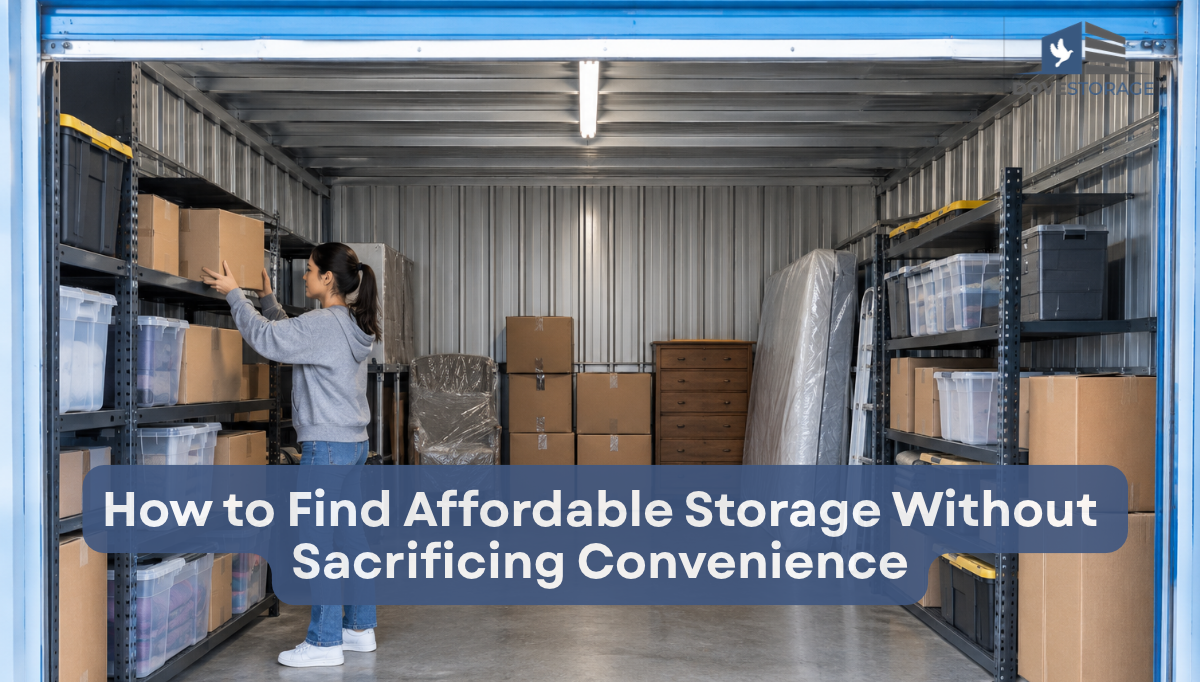
Discover how to find affordable self-storage without sacrificing convenience with tips on unit sizes, rental costs, location, security, and flexible storage options.
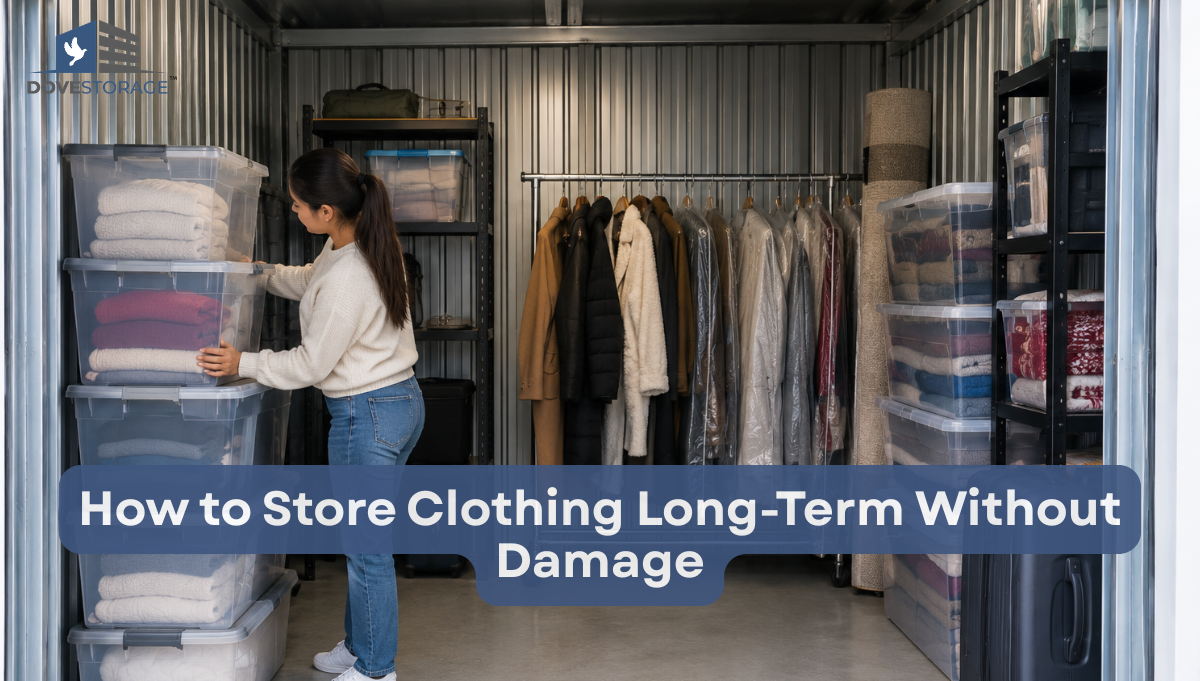
Learn how to store clothing long-term without damage with tips for cleaning, packing, moisture protection, organization, and choosing the right storage environment.
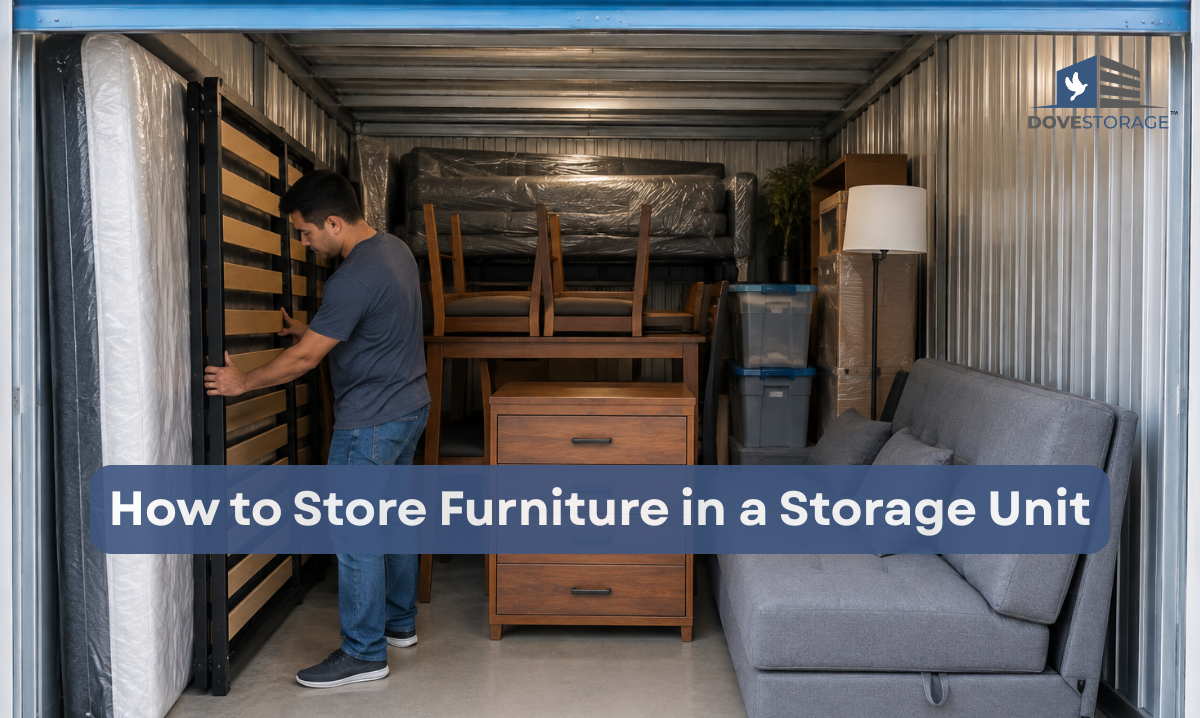
Learn how to store furniture safely in a storage unit with tips for cleaning, packing, protecting, organizing, and choosing the right storage space.
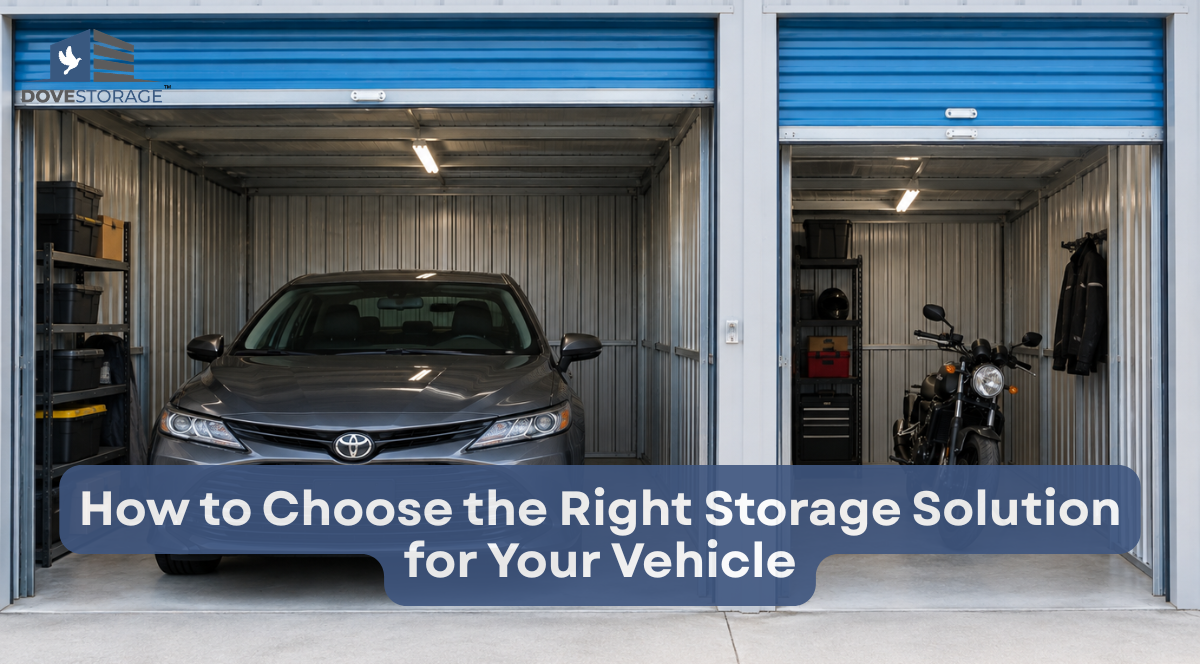
Learn how to choose the right vehicle storage solution based on size, access, security, protection, and budget for cars, motorcycles, boats, and more.
Should you rent a storage unit before or after moving? Learn how self-storage can simplify packing, moving between homes, downsizing, and settling into your new space.
Declutter your home without feeling overwhelmed with simple, manageable steps for sorting, organizing, storing, donating, and creating a more functional space.
Not sure if you need a storage unit? Discover common signs it’s time for extra space, from home clutter and moving to downsizing, seasonal storage, and business needs.
Save money on self-storage with practical tips for choosing the right unit size, comparing prices, packing efficiently, decluttering, and maximizing your storage budget.
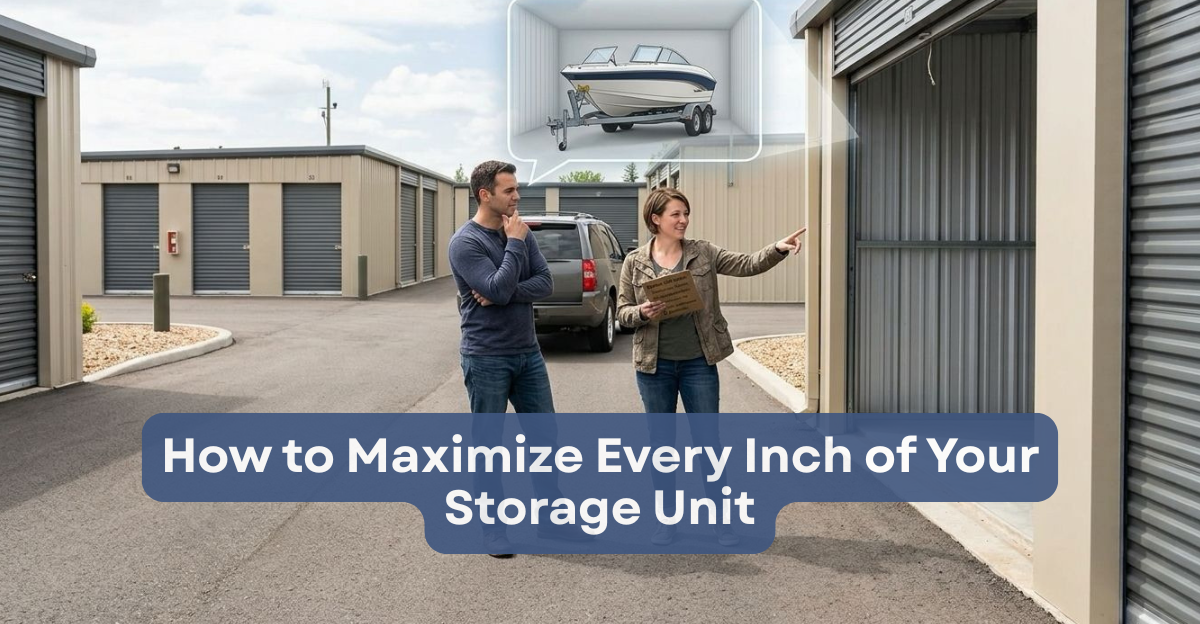
Maximize every inch of your storage unit with smart packing, stacking, labeling, and organization tips that save space while keeping belongings accessible.
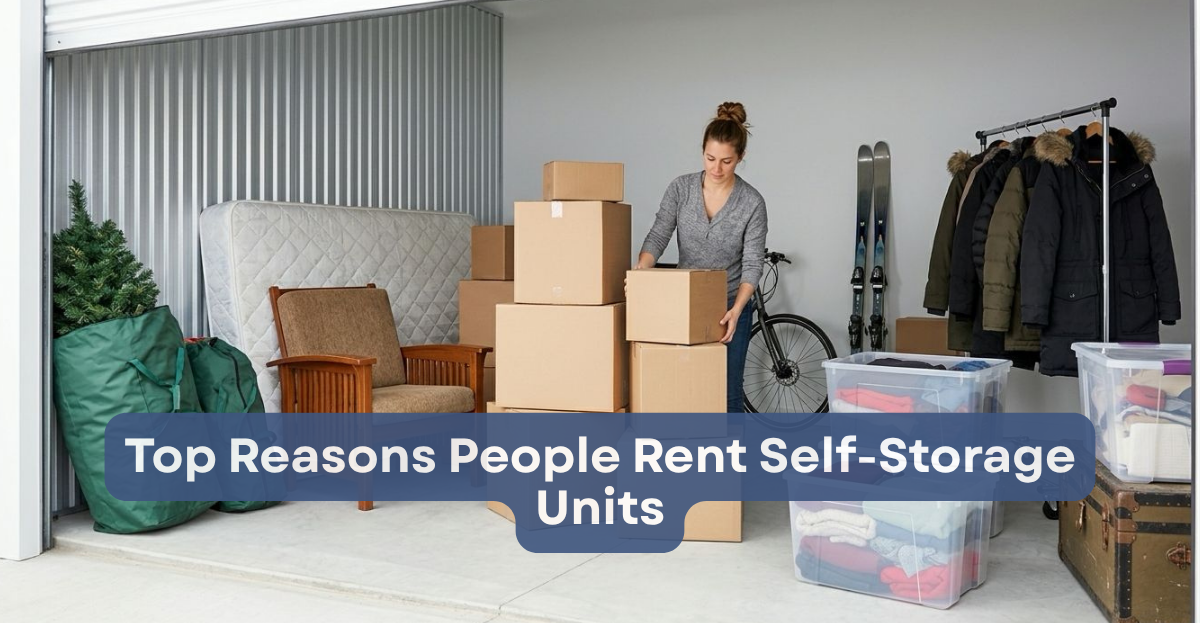
Discover the top reasons people rent self-storage units, from creating more space and moving to storing seasonal items, business inventory, and sentimental belongings.