
Common Misconceptions About Storage Unit Auctions
Dove Storage • October 22, 2025
Storage unit auctions are often portrayed in TV shows and online videos as thrilling treasure hunts filled with forgotten valuables. While entertaining, these portrayals rarely show how storage auctions actually work. In reality, self-storage auctions are a legal process designed to recover unpaid rent—not a high-stakes mystery full of instant riches.
Whether you’re a storage tenant or someone interested in attending auctions, understanding the facts behind these common misconceptions can help you make informed decisions. Let’s clear up some of the biggest myths about storage unit auctions and what they truly mean for renters and buyers.
Myth 1: Storage Auctions Happen Without Warning
Many people assume that their belongings can be auctioned off suddenly if they miss a payment—but that’s not the case.
Storage facilities are required by law to follow strict procedures before holding an auction. Before an auction can occur, facilities must:
- Notify the tenant multiple times about overdue rent.
- Provide a written notice of default and an opportunity to pay.
- Announce the auction publicly (often online or in local listings).
These notices give renters a fair chance to bring their accounts current and reclaim their items before any sale takes place. Auctions are truly a last resort, not a surprise punishment.
Myth 2: Once an Auction Is Scheduled, You Can’t Get Your Belongings Back
Even after an auction has been scheduled, tenants can often still recover their property. Most self-storage facilities allow renters to settle their balance up until the day before (and sometimes the morning of) the auction. As long as the outstanding fees are paid in full, the auction can be canceled, and the tenant can regain access to the unit.
Pro Tip:
If you’ve received a notice of lien sale, contact your facility immediately. Acting quickly can often prevent your unit from being sold.
Myth 3: Storage Auctions Are Secret or Hidden Events
Some believe that storage auctions are closed or private events, but in most states, they are public and transparent. Facilities are required to handle auctions with professionalism and respect. The goal is to recover overdue rent, not to profit from someone’s loss. Facilities follow legal protocols and document everything throughout the process. Once an auction is complete, the buyer must remove all contents, but sensitive personal materials—such as photos, medical records, or identification—are often handled separately and may be returned to the original tenant.
Myth 4: Buyers Always Find Hidden Treasures
Reality TV has created the impression that every storage unit auction holds rare antiques or piles of valuable collectibles. While that’s possible, it’s far from the norm. In reality, most units contain everyday household items—furniture, clothing, electronics, or personal documents. Buyers often take a gamble, since they’re not allowed to enter or search through the unit before bidding. They can only look inside from the doorway. It’s possible to find valuable items, but it’s equally common to find boxes of sentimental or low-value goods.
Myth 5: Tenants’ Personal Belongings Are Thrown Away or Disrespected
Another common misconception is that facilities carelessly discard or expose tenants’ personal items. In truth, reputable self-storage facilities handle auctions with professionalism and respect. The goal is to recover overdue rent, not to profit from someone’s loss. Facilities follow legal protocols and document everything throughout the process. Once an auction is complete, the buyer must remove all contents, but sensitive personal materials—such as photos, medical records, or identification—are often handled separately and may be returned to the original tenant.
Myth 6: Auctions Are the Facility’s First Response to Late Payments
Storage auctions don’t happen after a single missed payment. Facilities typically give a grace period and send multiple reminders before taking further action. Auctions are time-consuming and legally complex, so they’re viewed as a last resort. Tenants are usually given 30–90 days to resolve their balance before the facility begins the lien process. Communication is key—most facilities are willing to work with customers to arrange payment plans or extensions if they reach out early.
Myth 7: You Can’t Attend or Participate Online
Gone are the days when all auctions happened in person. Today, many self-storage auctions are held online, allowing buyers across the country to bid remotely. This change makes the process more efficient and accessible while maintaining transparency. For buyers, this means easier participation and the ability to research multiple listings at once. For facilities, it streamlines the process and ensures compliance with state auction laws.
Myth 8: You Lose Everything If You Miss a Payment
Missing one or two payments doesn’t automatically mean you’ll lose your belongings. Facilities usually reach out multiple times to resolve the issue first.
However, ignoring notices or failing to communicate can result in permanent loss.If you’re struggling financially, be proactive:
- Contact the facility immediately to explain your situation.
- Ask about partial payments or temporary arrangements.
- Consider moving to a smaller storage unit to lower your monthly cost.
- Facilities prefer helping tenants stay current rather than proceeding with an auction.
Storage unit auctions are not as dramatic—or as ruthless—as they’re often portrayed. They’re part of a structured, legal process designed to balance fairness for both tenants and facility owners. Most auctions only occur after multiple notices, and tenants often have ample time to settle their accounts and reclaim their property.
Understanding these facts helps both renters and potential buyers navigate the process more confidently. And if you ever find yourself behind on payments, communication is your best ally—most facilities, like Dove Storage, are willing to help you find a solution before your belongings ever reach the auction stage. For reliable and secure storage solutions, visit Dove Storage
and find the perfect self-storage unit for your needs today.
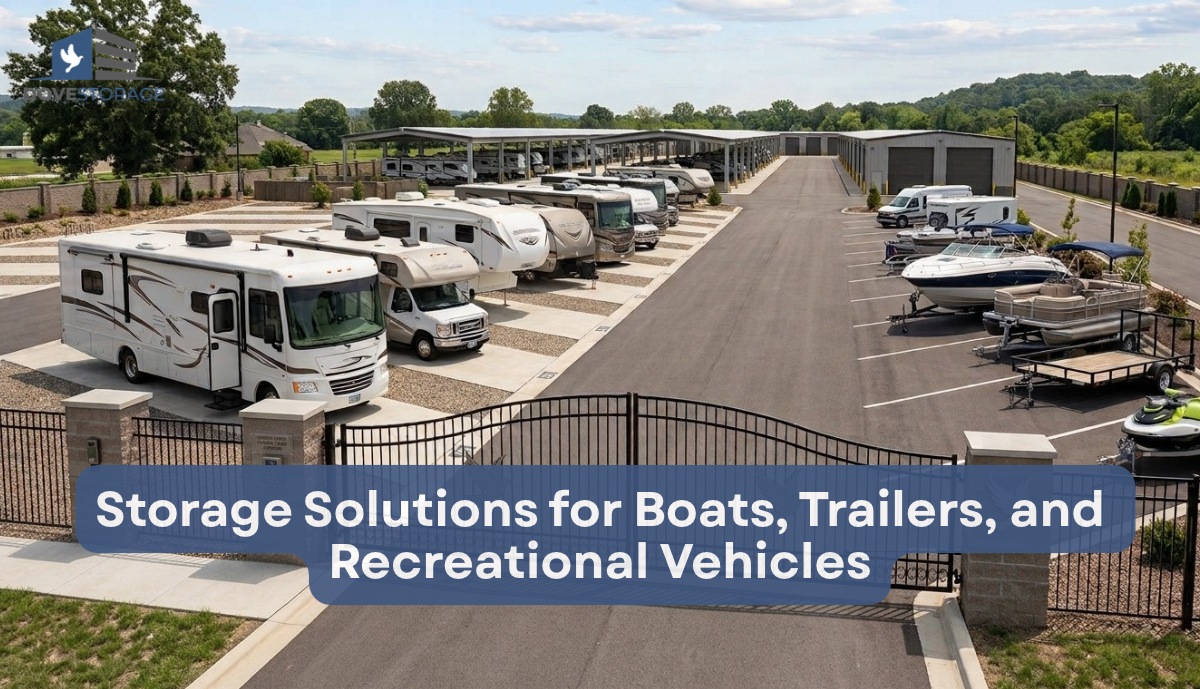
Explore storage solutions for boats, trailers, and RVs. Learn how to choose suitable vehicle storage, prepare equipment, protect it from weather, and free up space at home.
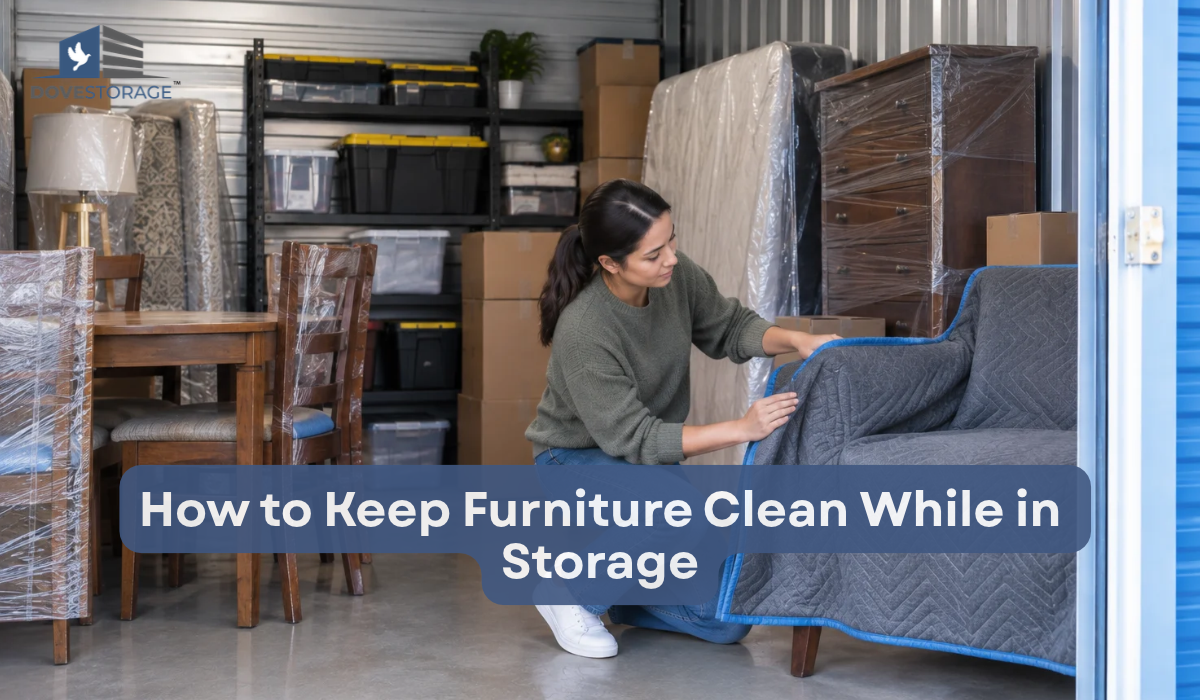
Learn how to keep furniture clean while in storage with tips for cleaning, protective covers, moisture prevention, proper organization, and long-term furniture care.
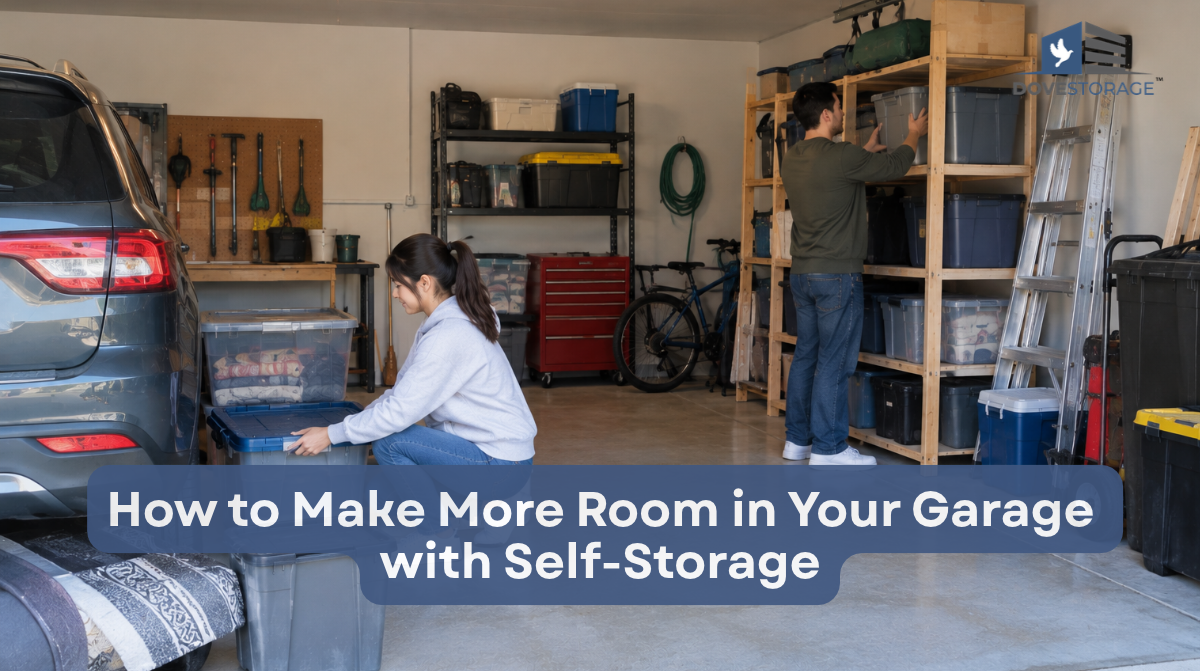
Make more room in your garage with self-storage. Discover tips for decluttering, organizing, storing seasonal items, and reclaiming valuable space.
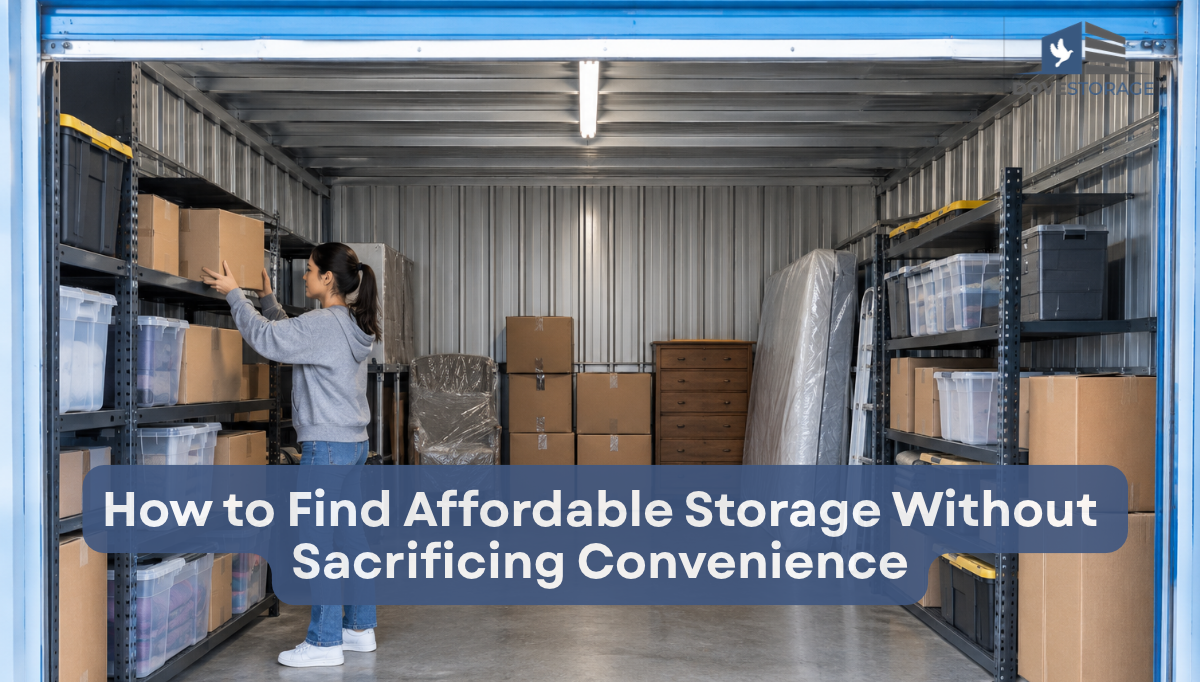
Discover how to find affordable self-storage without sacrificing convenience with tips on unit sizes, rental costs, location, security, and flexible storage options.
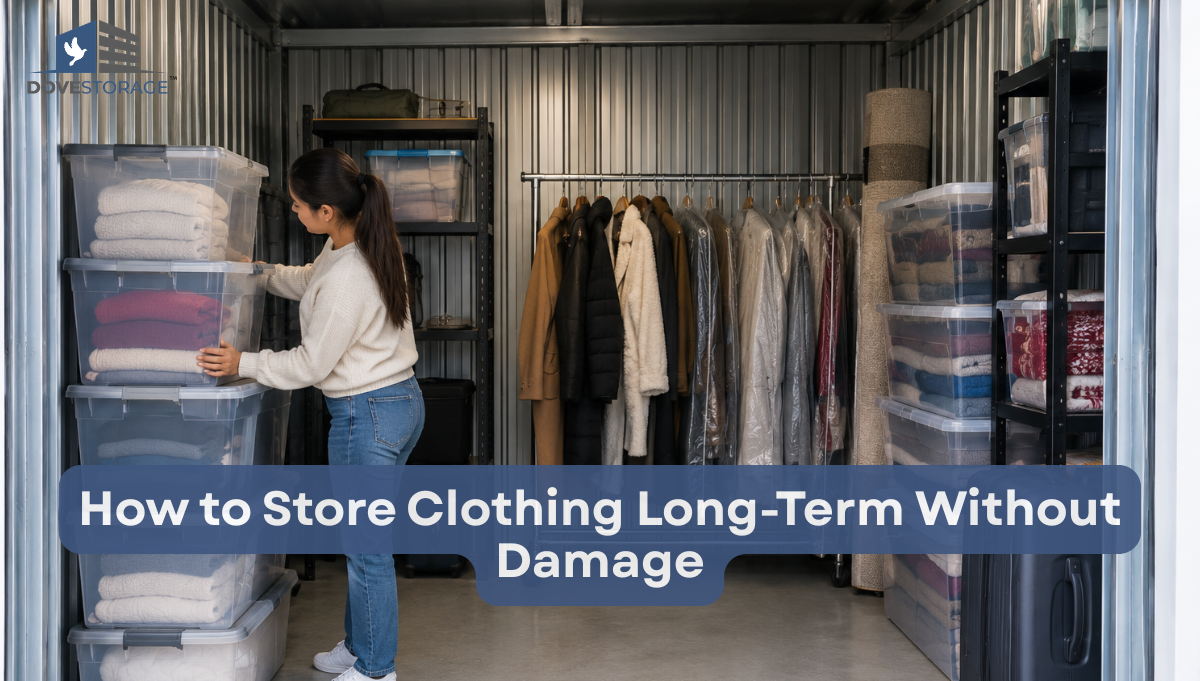
Learn how to store clothing long-term without damage with tips for cleaning, packing, moisture protection, organization, and choosing the right storage environment.
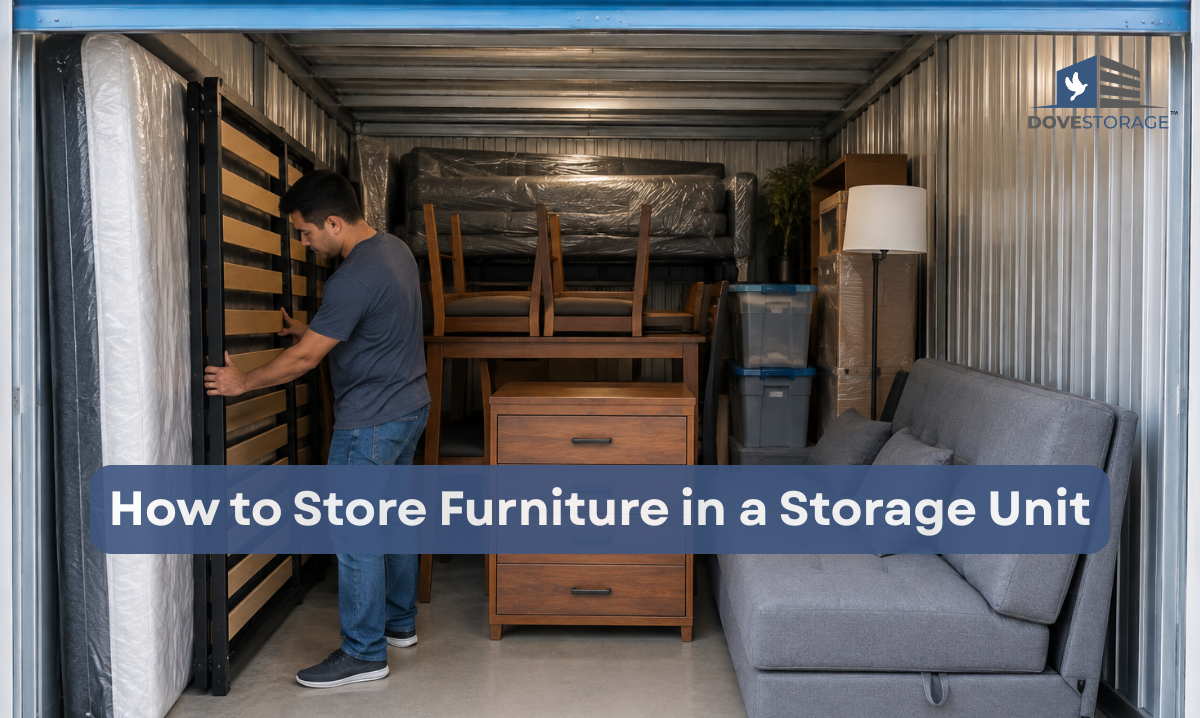
Learn how to store furniture safely in a storage unit with tips for cleaning, packing, protecting, organizing, and choosing the right storage space.

Learn how to choose the right vehicle storage solution based on size, access, security, protection, and budget for cars, motorcycles, boats, and more.
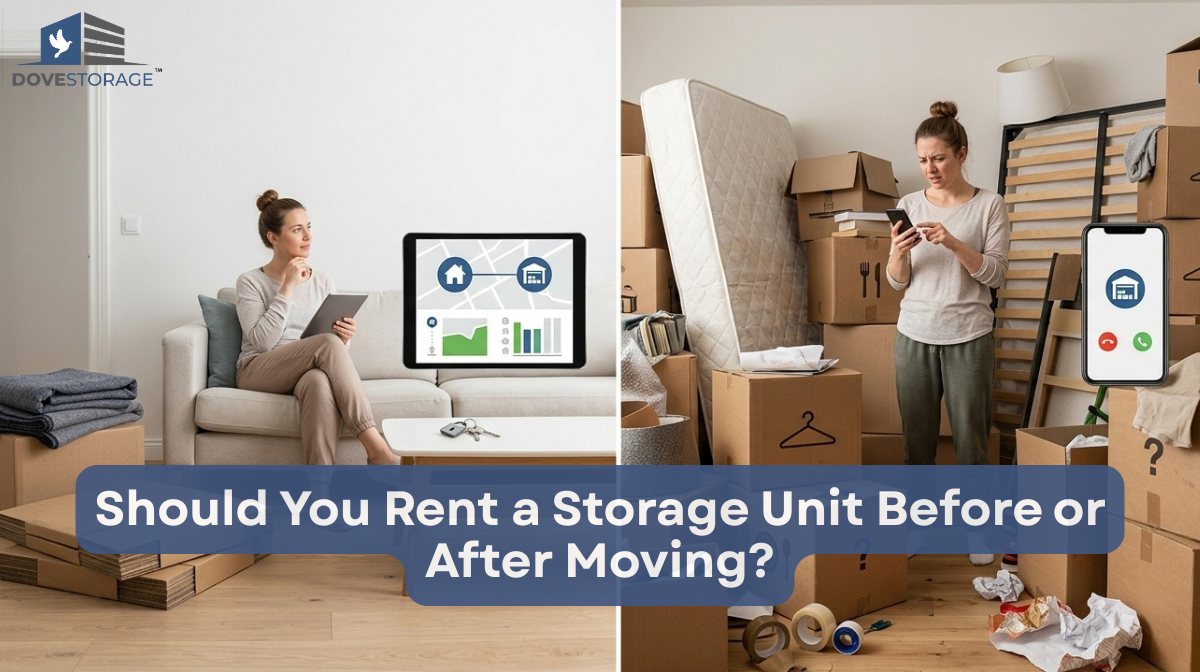
Should you rent a storage unit before or after moving? Learn how self-storage can simplify packing, moving between homes, downsizing, and settling into your new space.

Declutter your home without feeling overwhelmed with simple, manageable steps for sorting, organizing, storing, donating, and creating a more functional space.
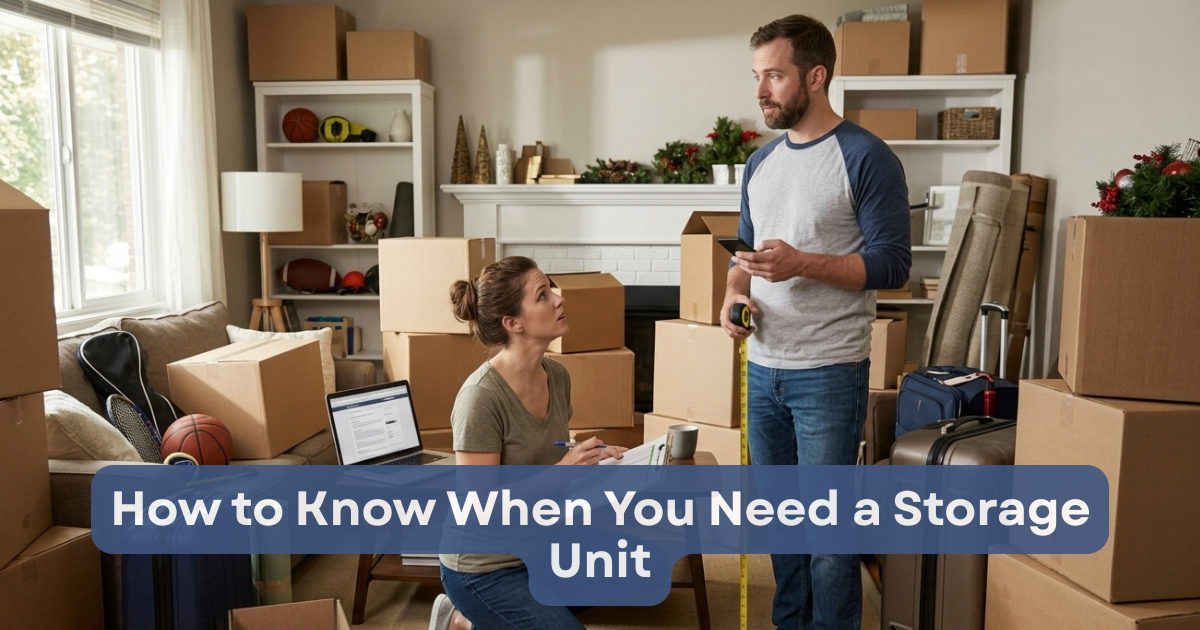
Not sure if you need a storage unit? Discover common signs it’s time for extra space, from home clutter and moving to downsizing, seasonal storage, and business needs.