
How Storage Auctions Work A Beginner’s Guide
Dove Storage • May 1, 2025
Storage auctions have captured public attention in recent years, thanks to popular reality shows and the growing interest in flipping items for profit. But while they may seem like treasure hunts, storage auctions are regulated, legally driven events that follow specific procedures. If you're new to the world of self-storage and wondering how these auctions work, this beginner’s guide will walk you through the basics—from why they happen to how you can participate, what risks to watch for, and what to expect if you win.
Why Do Storage Auctions Happen?
Storage auctions occur when a tenant fails to pay rent on their self-storage unit for a certain period—usually 30 to 90 days, depending on state law and facility policy. After attempts to collect payment or contact the renter fail, the facility may begin a lien process, which allows them to sell the contents of the unit to recoup the owed rent.
Key reasons for storage auctions include:
Non-payment of storage fees
Abandonment of the unit
Legal right to reclaim space for renting
Auctions are typically a last resort and follow strict legal procedures to protect both facility owners and tenants.
Legal Requirements Before the Auction
Storage auctions aren’t random events—they’re governed by state-specific lien laws. Here's what legally must happen before an auction can take place:
Notice to the Tenant:
The facility must notify the renter via mail or electronic means about the overdue balance and the auction timeline.
Public Advertisement:
Most states require auction details to be published in a local newspaper or online at least a few days before the event.
Waiting Period:
A grace period must be given, allowing the renter a final opportunity to pay and stop the auction.
Facilities that don’t follow these steps risk legal penalties and challenges to the sale.
How the Auction Works
1. Auction Types
There are generally two types of storage auctions:
In-person auctions at the storage facility
Online auctions via platforms like StorageTreasures or Lockerfox
Online auctions have become increasingly common, offering broader access and convenience.
2. Registration
To participate, you usually need to register on-site or online before bidding. A valid photo ID and sometimes a refundable cash deposit are required.
3. Unit Inspection
Before bidding, you're typically allowed a brief visual inspection of the unit’s contents from the doorway—no touching or digging. You must rely on what’s visible to make your bidding decision.
4. Bidding Process
Bidding is fast-paced, whether online or in person. The highest bidder wins the unit and must pay in cash (or a specified method) immediately or within a short window of time.
5. Payment and Cleanup
Winners usually have 24–72 hours to:
Remove all contents
Clean the unit
Decide whether to keep, donate, or resell items
Failing to clean up the unit can result in penalties or bans from future auctions.
What Can You Expect to Find?
Contents can vary wildly, but commonly auctioned items include:
Furniture
Clothing and shoes
Electronics
Tools
Business inventory
Collectibles
Unused or unopened goods
While some units contain valuable items, others may not be worth the bid. That’s part of the risk and excitement of the process.
Risks and Considerations
Before jumping into the auction scene, keep these potential pitfalls in mind:
No Guarantees
You’re bidding based on what you can see from the outside—there are no refunds if the unit contains nothing of value.
Legal Compliance
Some items (e.g., firearms, prescription drugs, personal documents) cannot be legally kept or resold. These must be turned over to authorities or returned to the facility.
Time Commitment
Winning a unit means immediate action—hauling, cleaning, and storing. If you’re not prepared to handle the contents efficiently, it can quickly become a hassle.
Due Diligence
Not all facilities are transparent. Make sure auctions are legitimate and follow legal procedures. Ask about lien notices and documentation if you're unsure.
Tips for First-Time Bidders
Start Small:
Attend a few auctions as an observer or start with low-risk bids.
Bring Tools:
Gloves, flashlights, and a lock for the unit are helpful.
Have a Plan:
Know where you'll take items—donation centers, resale shops, or home storage.
Set a Budget:
Decide your maximum bid before the auction starts and stick to it.
Do Market Research:
Know what items resell well if your goal is profit.
Storage auctions can be exciting, profitable, and eye-opening experiences for newcomers. They offer a unique way to purchase goods at low prices and can even become a side hustle for the right person. However, they also require awareness of legal obligations, time, and effort to sort through the contents responsibly. Understanding how the process works—from the initial lien notice to cleanup after winning—ensures you're well-informed and legally protected. Whether you're in it for treasure hunting, reselling, or curiosity, this beginner’s guide gives you the knowledge to get started safely.
Curious about the storage auction world or interested in renting a unit of your own? Visit Dove Storage
to explore affordable, secure storage options near you. Have questions about facility policies or upcoming auctions? Contact us
today!
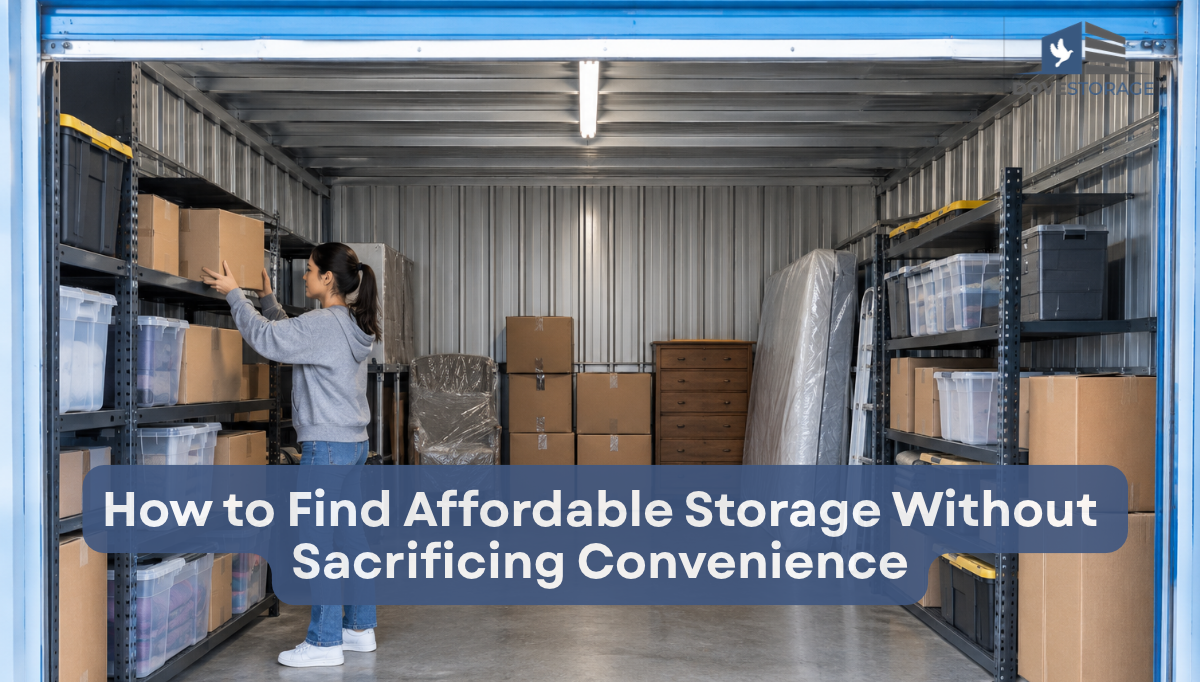
Discover how to find affordable self-storage without sacrificing convenience with tips on unit sizes, rental costs, location, security, and flexible storage options.
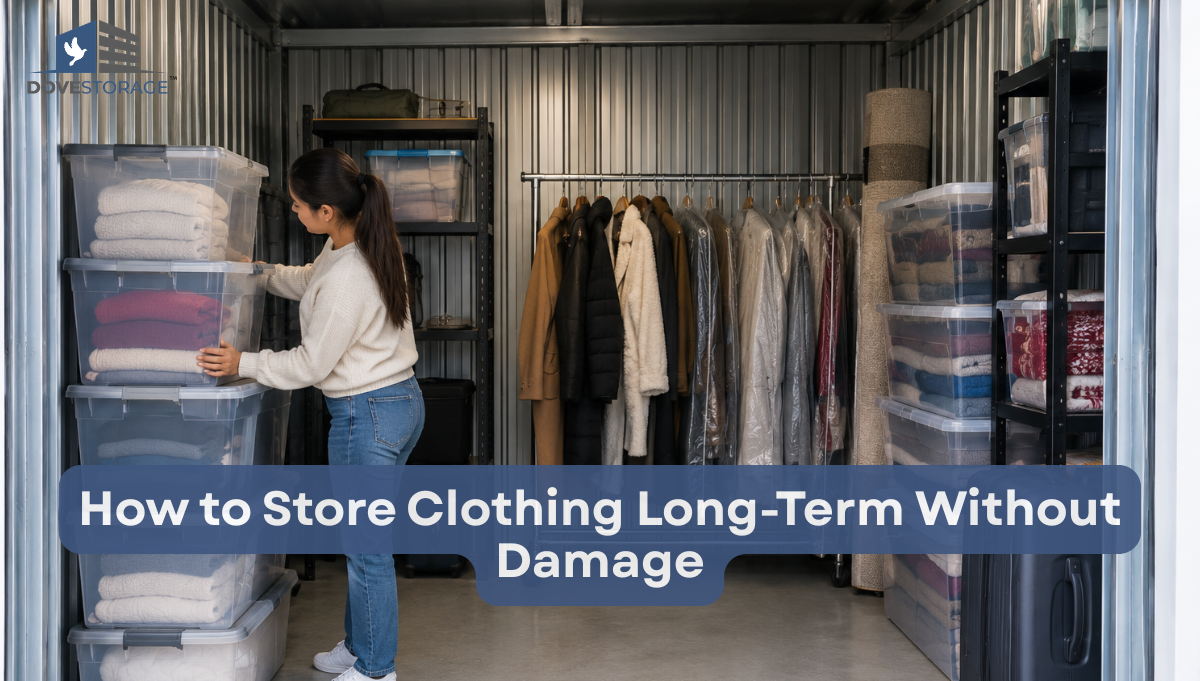
Learn how to store clothing long-term without damage with tips for cleaning, packing, moisture protection, organization, and choosing the right storage environment.
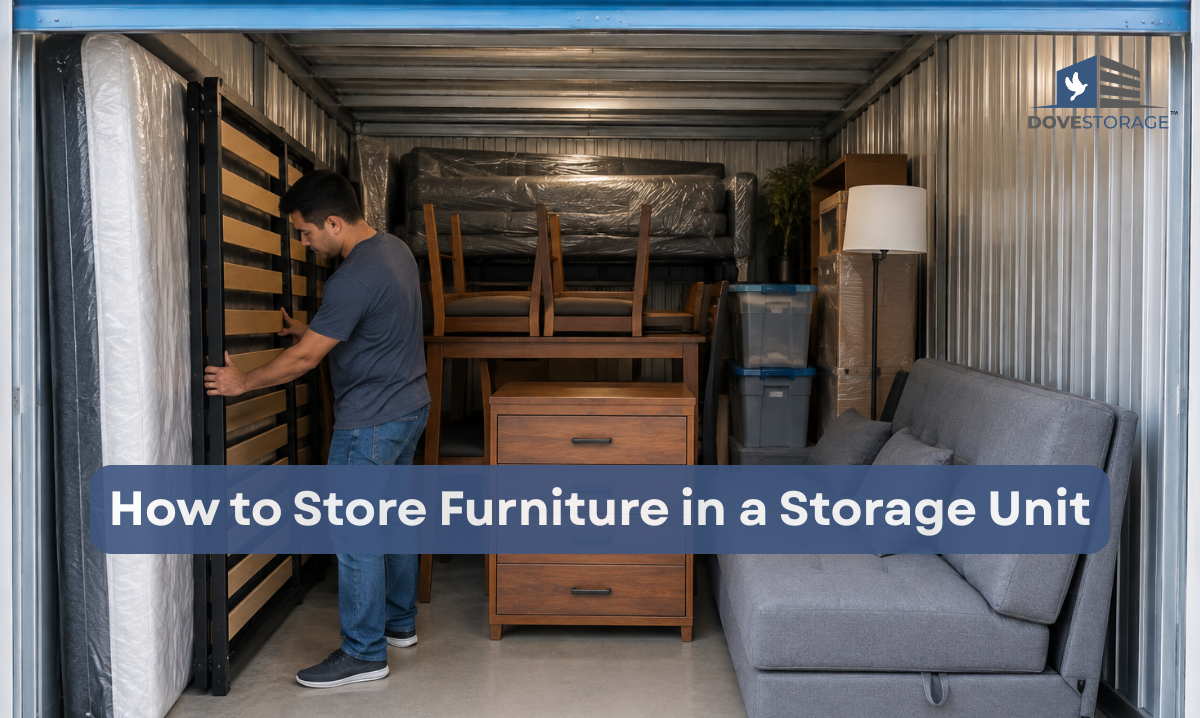
Learn how to store furniture safely in a storage unit with tips for cleaning, packing, protecting, organizing, and choosing the right storage space.
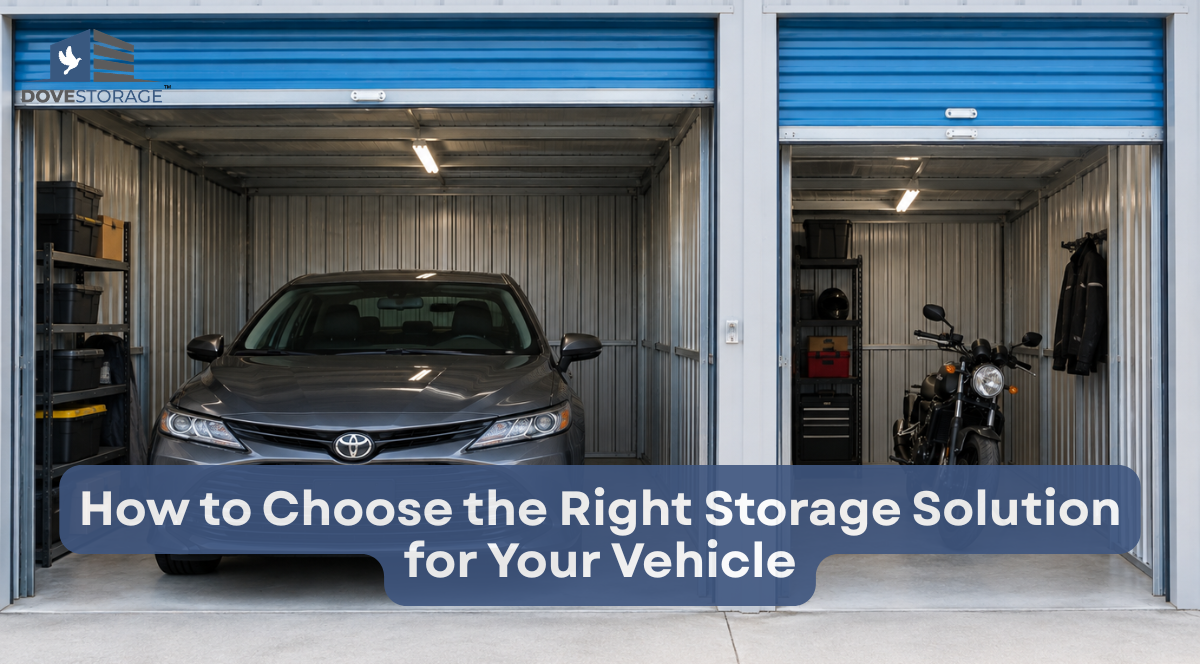
Learn how to choose the right vehicle storage solution based on size, access, security, protection, and budget for cars, motorcycles, boats, and more.
Should you rent a storage unit before or after moving? Learn how self-storage can simplify packing, moving between homes, downsizing, and settling into your new space.
Declutter your home without feeling overwhelmed with simple, manageable steps for sorting, organizing, storing, donating, and creating a more functional space.
Not sure if you need a storage unit? Discover common signs it’s time for extra space, from home clutter and moving to downsizing, seasonal storage, and business needs.
Save money on self-storage with practical tips for choosing the right unit size, comparing prices, packing efficiently, decluttering, and maximizing your storage budget.
Maximize every inch of your storage unit with smart packing, stacking, labeling, and organization tips that save space while keeping belongings accessible.
Discover the top reasons people rent self-storage units, from creating more space and moving to storing seasonal items, business inventory, and sentimental belongings.