
How to Prepare for Your First Storage Auction (for Buyers)
Dove Storage • May 6, 2025
Storage auctions have surged in popularity across the United States, thanks in part to reality TV shows and online platforms. These auctions offer an exciting opportunity for buyers to snag valuable items at competitive prices. However, if you're new to the process, diving in without preparation can lead to confusion or costly mistakes.
This guide outlines everything you need to know to confidently prepare for your first storage auction—from understanding the rules to bidding strategies and legal considerations.
What Is a Storage Auction?
A storage auction occurs when a tenant fails to pay rent on a self-storage unit, typically for 30–90 days or more. After repeated notices and legal procedures, the storage facility has the right to auction off the contents of the unit to recover unpaid rent. Auctions can take place:
On-site at the storage facility
Online via platforms like StorageTreasures.com or Lockerfox.com
Buyers place bids on the entire contents of the unit (not individual items) based on what they can see from the unit’s entrance—no touching or entering the unit before winning.
Step 1: Understand the Rules and Legalities
Before attending or registering for an auction, read up on the rules. Each state has specific laws governing self-storage auctions, and storage facilities may have additional policies. Here are a few key legal points:
Lien laws vary by state and define the timeline and notification process before a unit can be auctioned.
Winning bidders must usually pay in full and in cash immediately after the auction.
Sales are final—you’re buying the contents “as-is” with no guarantees or returns.
Familiarize yourself with your state’s lien laws (available via local government websites) and ask the facility or auction site for a copy of their terms and conditions.
Step 2: Find Upcoming Auctions
You can find storage auctions through several methods:
Online platforms like Storage Treasures, Locker fox, and Bid13
Local newspapers or facility bulletin boards
Calling storage facilities and asking if they host public auctions
Create an account on auction websites to receive alerts and updates for upcoming events in your area.
Step 3: Know What to Expect
At most auctions, you’ll be allowed to briefly view the unit from outside the doorway once it’s opened. Bring a flashlight or use your phone light to inspect what’s visible—furniture, electronics, boxes, tools, etc. You won't be allowed to move items or open containers. While this may feel like guesswork, experienced bidders look for clues to assess value. For example:
Stacked boxes labeled “kitchen” or “bedroom” may suggest organized, complete household contents.
Dust or cobwebs may indicate items have been untouched for years—possibly valuable or vintage.
Brand logos, tools, or electronics may suggest higher resale potential.
Step 4: Set a Budget and Stick to It
It’s easy to get caught in the excitement of bidding wars, especially if you spot something intriguing in the unit. But overbidding is a common rookie mistake. Here’s how to stay smart:
Set a firm budget before the auction.
Factor in other costs like transportation, cleaning, dumping, or storage for items you don’t sell right away.
Remember, you must take everything in the unit, not just the valuable stuff.
Keep your bids strategic and avoid emotional decisions. Many seasoned buyers win big by sticking to smaller, overlooked units others ignore.
Step 5: Bring the Right Supplies
If you win a unit, you'll typically be given 24–72 hours to clean it out. Come prepared with:
A lock (you’ll need to secure the unit after winning)
Gloves and garbage bags
A flashlight
A moving dolly or cart
A truck or trailer for transporting large items
Masks or dust protection in case of mold or old materials
Some facilities offer dumpster access or cleanup services for a fee—ask in advance.
Step 6: Reselling and Inventory Management
Once you’ve removed everything, sort and evaluate your items. Many auction buyers resell through:
eBay, Facebook Marketplace, Craigslist
Local flea markets or garage sales
Pawn shops or antique dealers
Keep a running inventory and organize items to prevent loss or damage. Some buyers even rent self-storage units of their own to manage overflow or seasonal resale operations.
Caution: What Not to Do
Don’t assume everything is valuable. Some units may contain mostly trash or broken items.
Don’t store illegal or hazardous items.
If you find such materials, report them to the facility or local authorities.
Don’t forget taxes.
Any resale income is subject to federal and possibly state tax reporting requirements.
Bidding on a storage unit can be an exciting and profitable experience if approached with preparation and patience. From understanding the rules and legal implications to setting a budget and planning for cleanup, the key to a successful first auction is doing your homework.Start small, learn from each experience, and over time, you’ll develop the skills to spot valuable units, manage inventory, and build a steady side hustle—or even a full-time business.
Thinking about diving into the world of storage auctions? Learn more about how storage facilities operate and explore affordable storage solutions with Dove Storage. Visit www.dovestorage.com
to find a facility near you or contact us to ask about upcoming auctions at our locations.
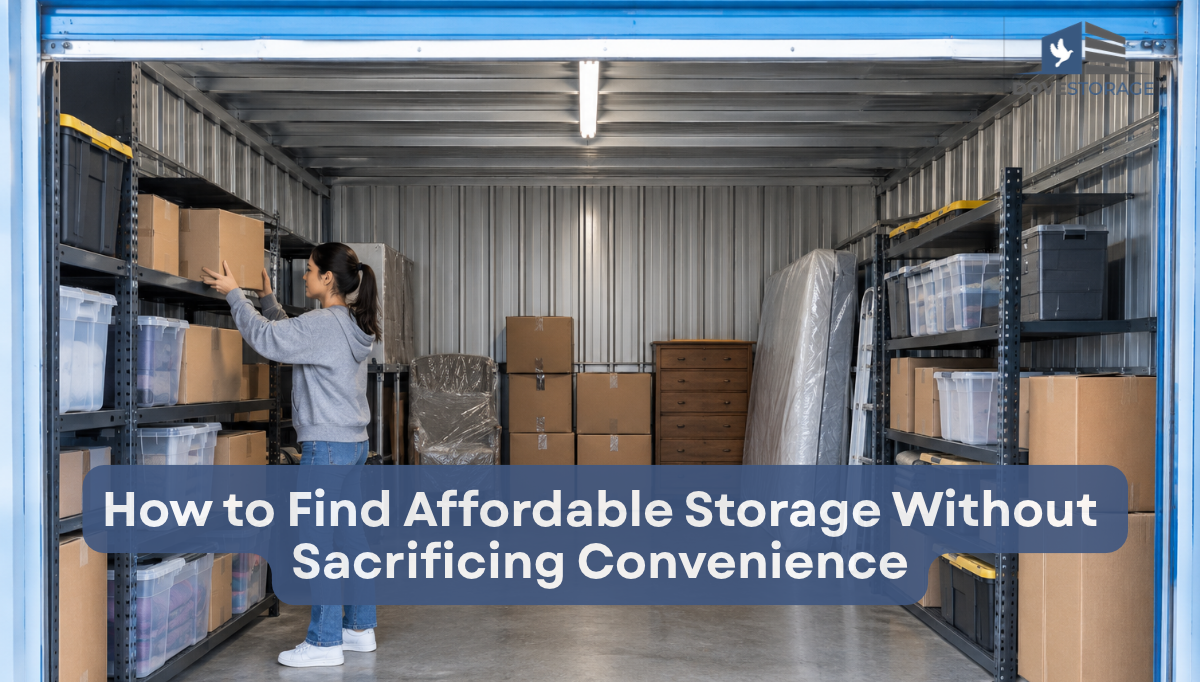
Discover how to find affordable self-storage without sacrificing convenience with tips on unit sizes, rental costs, location, security, and flexible storage options.
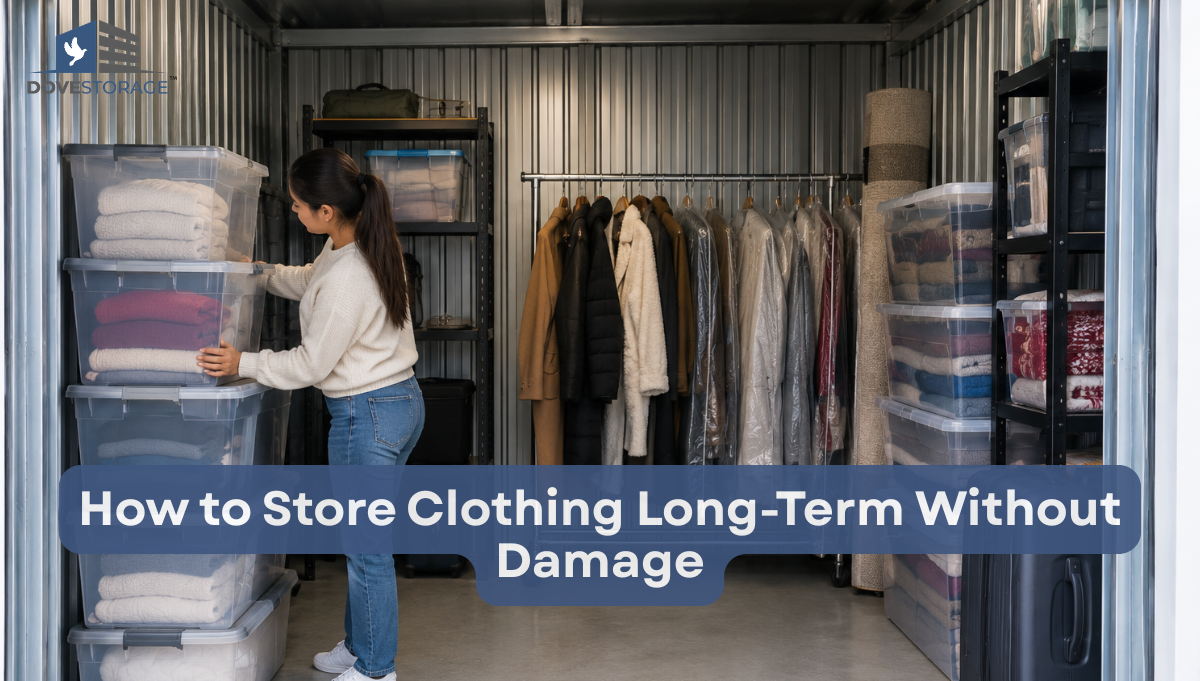
Learn how to store clothing long-term without damage with tips for cleaning, packing, moisture protection, organization, and choosing the right storage environment.
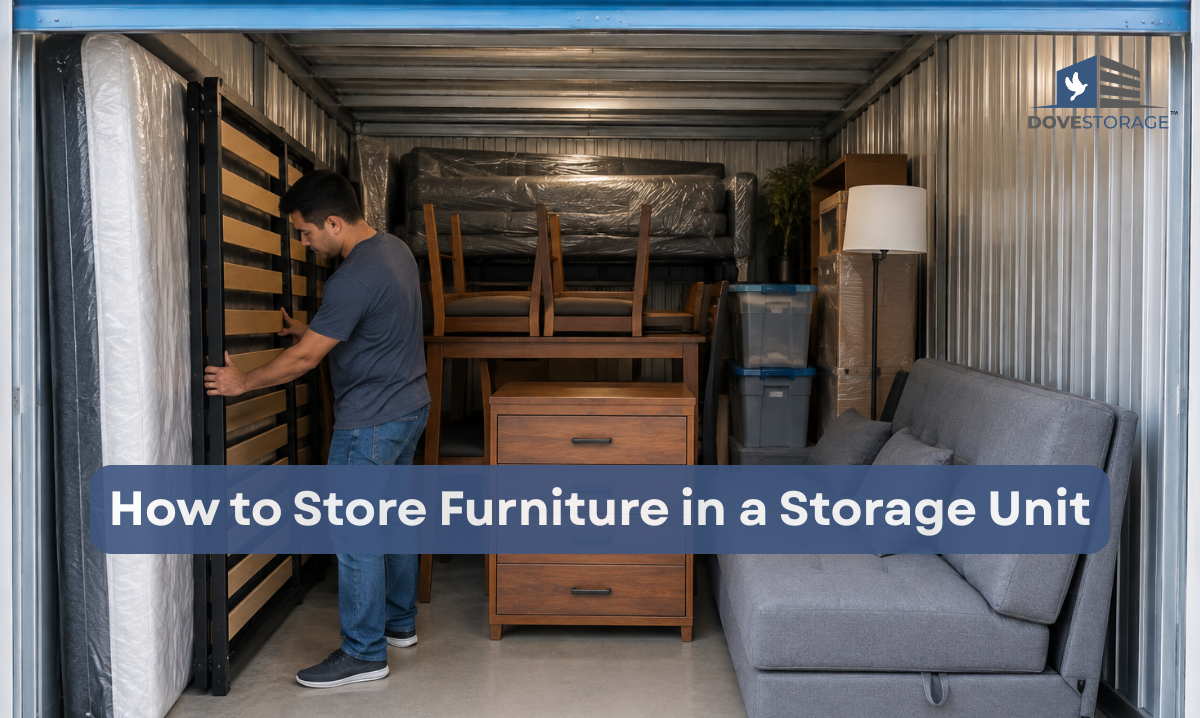
Learn how to store furniture safely in a storage unit with tips for cleaning, packing, protecting, organizing, and choosing the right storage space.
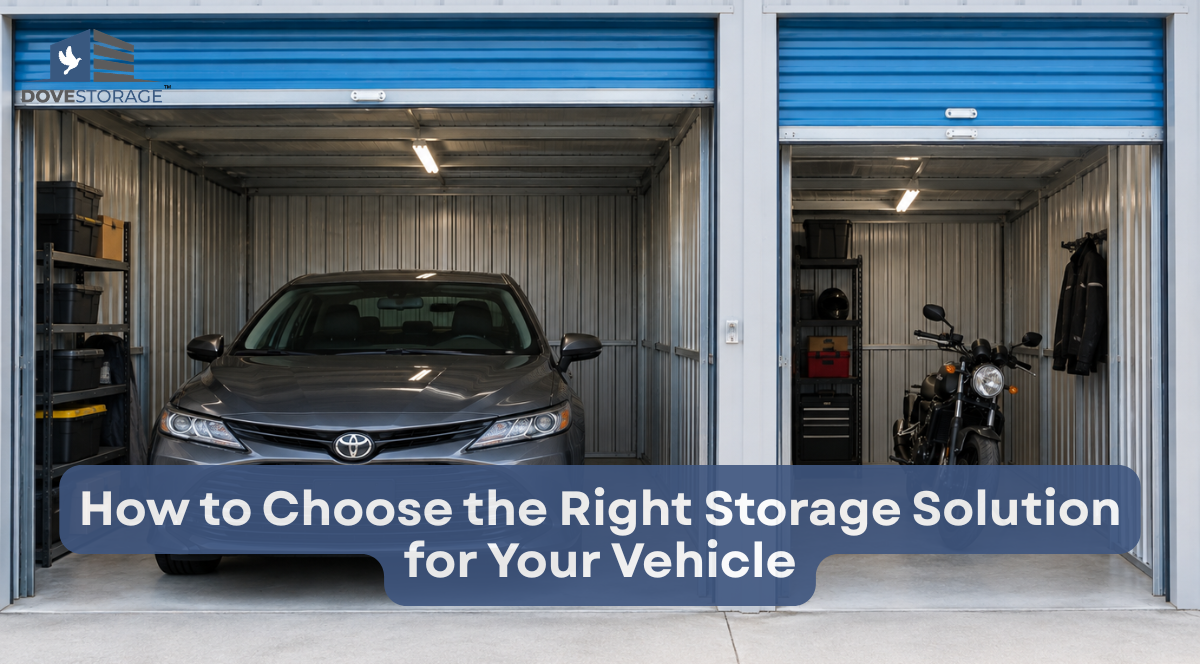
Learn how to choose the right vehicle storage solution based on size, access, security, protection, and budget for cars, motorcycles, boats, and more.
Should you rent a storage unit before or after moving? Learn how self-storage can simplify packing, moving between homes, downsizing, and settling into your new space.
Declutter your home without feeling overwhelmed with simple, manageable steps for sorting, organizing, storing, donating, and creating a more functional space.
Not sure if you need a storage unit? Discover common signs it’s time for extra space, from home clutter and moving to downsizing, seasonal storage, and business needs.
Save money on self-storage with practical tips for choosing the right unit size, comparing prices, packing efficiently, decluttering, and maximizing your storage budget.
Maximize every inch of your storage unit with smart packing, stacking, labeling, and organization tips that save space while keeping belongings accessible.
Discover the top reasons people rent self-storage units, from creating more space and moving to storing seasonal items, business inventory, and sentimental belongings.