Tenant Rights and Responsibilities in Self-Storage Agreements
Dove Storage • April 3, 2025
When renting a self-storage unit, both tenants and facility owners enter into a legal agreement outlining their rights and responsibilities. Understanding these terms is crucial to ensure a smooth rental experience, prevent misunderstandings, and protect both parties’ interests.
Whether you’re storing personal belongings, business inventory, or seasonal items, knowing your legal obligations helps you navigate the self-storage process confidently. This article breaks down the rights and responsibilities of tenants in self-storage agreements, covering essential areas like payment terms, maintenance, and access rights.
1. Understanding Self-Storage Agreements
A self-storage agreement is a binding contract between the tenant (renter) and the facility owner. It outlines the terms and conditions for renting a storage unit, including payment schedules, access permissions, and other essential details. Before signing, tenants should read and understand all sections of the agreement to avoid future issues.Key Components of a Self-Storage Agreement:
Rental Duration
– Defines the length of the rental (e.g., month-to-month or long-term lease).
Payment Terms
– Specifies rent amount, due dates, and late fees.
Access Policies
– Outlines when and how tenants can access their unit.
Liability Clause
– Explains who is responsible for damage or theft.
Termination Conditions
– Details how to end the agreement and retrieve belongings.
2. Tenant Rights in Self-Storage Agreements
Tenants are legally protected by specific rights when renting a storage unit. These rights may vary by location but generally include the following:
a) Right to Access the Unit
Tenants have the right to access their rented storage unit as specified in the agreement. Most facilities offer regular business hours or 24/7 access, but these conditions must be clearly defined in the contract.Tip: Always confirm access hours before signing the agreement to ensure they align with your needs.
b) Right to Safe and Secure Storage
Facility owners must provide a safe and secure environment. This includes maintaining surveillance systems, gated access, and climate-controlled units if promised. Tenants should expect their belongings to be protected against theft, pests, and weather-related damage.Tip: Ask about the facility’s security measures and whether they offer insurance options for added protection.
c) Right to Privacy
Once you rent a storage unit, the contents belong to you, and the facility cannot enter your unit without proper notice—except in emergencies (such as fire or flooding) or if legal action has been taken due to non-payment.Tip: Ensure the contract clearly defines when the facility can access your unit and under what circumstances.
d) Right to Fair Notice of Changes
Facility owners cannot make sudden changes to your rental fees or terms without providing adequate notice. Most states require 30 to 60 days’ written notice for rate increases or policy changes.
Tip: Stay informed of any updates and keep copies of all notices for your records.
3. Tenant Responsibilities in Self-Storage Agreements
While tenants have rights, they also carry legal responsibilities when renting a self-storage unit. Failure to meet these obligations can result in penalties or termination of the agreement.
a) Timely Payment of Rent
Tenants must pay their monthly rent on time. Most facilities offer automatic billing for convenience, but missing payments can result in late fees and, ultimately, lockouts or auction proceedings.Tip: Set up automatic payments or calendar reminders to avoid missing a due date.
b) Proper Use of the Unit
Self-storage units have clear guidelines on what can and cannot be stored. Tenants are typically prohibited from storing:
Hazardous materials (e.g., chemicals, gasoline)
Illegal items (e.g., stolen goods, unregistered firearms)
Perishable goods (e.g., food, plants)
Tip: Review the prohibited items list and ensure all stored items meet the facility’s requirements.
c) Maintaining the Unit
While facility owners are responsible for general maintenance, tenants must keep their unit clean and organized. Failure to do so may result in additional cleaning charges.
Tip: Use sealed containers to prevent dust buildup and label all boxes for easier retrieval.
d) Informing the Facility of Changes
If your address, phone number, or payment information changes, you must notify the facility promptly. This ensures you receive important notices and avoid missed communications.
Tip: Always update your contact information to avoid unintended lockouts or legal actions.
4. What Happens if You Violate the Agreement?
Violating the terms of a self-storage agreement can have serious consequences, including:
Late Payments:
Incurs fees and may lead to restricted access or unit lockout.
Non-Payment:
May result in public auction of stored belongings after proper notice.
Improper Storage:
Can lead to fines or termination of your rental agreement.
Tip: Address issues promptly with facility management to avoid legal action or losing your items.
5. How to Protect Yourself as a Tenant
To safeguard your rights and avoid problems, follow these best practices:
Read the Contract Thoroughly:
Understand every clause before signing.
Request Clarifications:
If any terms are unclear, ask the facility manager for explanations.
Document Everything:
Keep copies of payments, communications, and contract updates.
Purchase Insurance:
Consider getting tenant insurance for additional protection.
Stay Informed:
Be aware of changes to the facility’s policies and local laws.
Understanding your rights and responsibilities in a self-storage agreement is essential for a smooth rental experience. Tenants are entitled to access, security, and privacy, but they must also pay rent on time, follow facility rules, and maintain communication.
By knowing and respecting these legal obligations, you can protect your belongings while fostering a positive relationship with your storage provider. If you're looking for a secure, reliable storage solution, visit Dove Storage
today to check out our available units or contact us to discuss your storage needs!

Discover how to find affordable self-storage without sacrificing convenience with tips on unit sizes, rental costs, location, security, and flexible storage options.

Learn how to store clothing long-term without damage with tips for cleaning, packing, moisture protection, organization, and choosing the right storage environment.
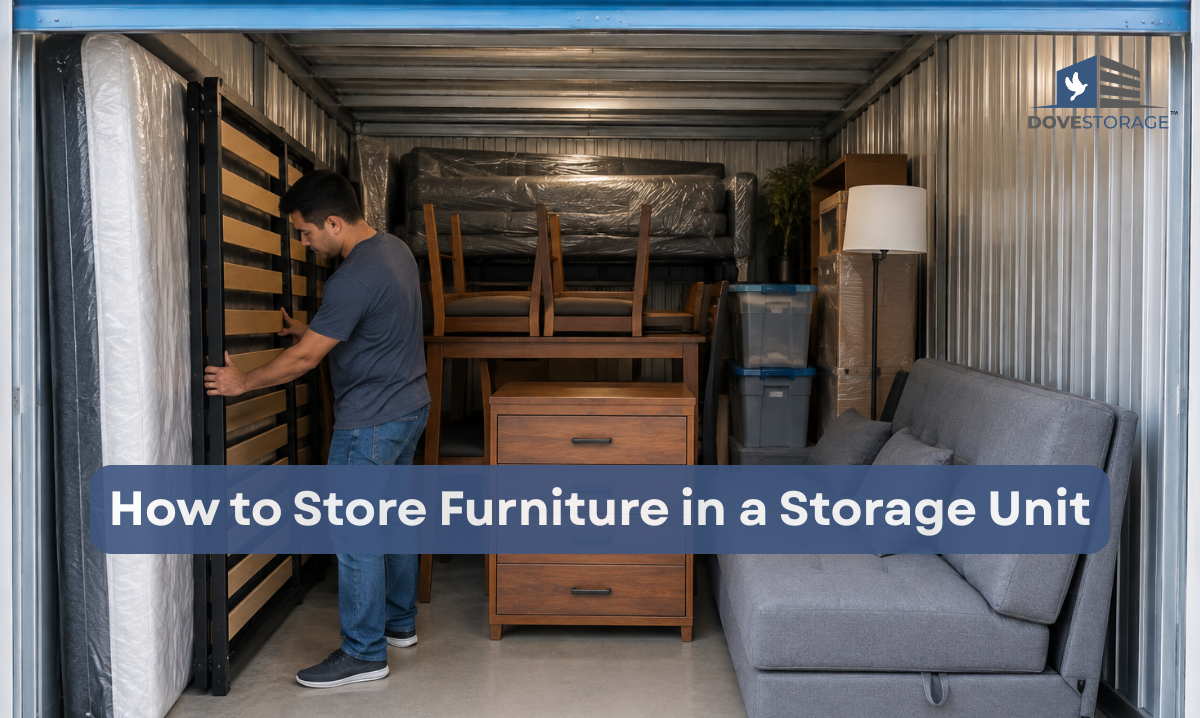
Learn how to store furniture safely in a storage unit with tips for cleaning, packing, protecting, organizing, and choosing the right storage space.

Learn how to choose the right vehicle storage solution based on size, access, security, protection, and budget for cars, motorcycles, boats, and more.
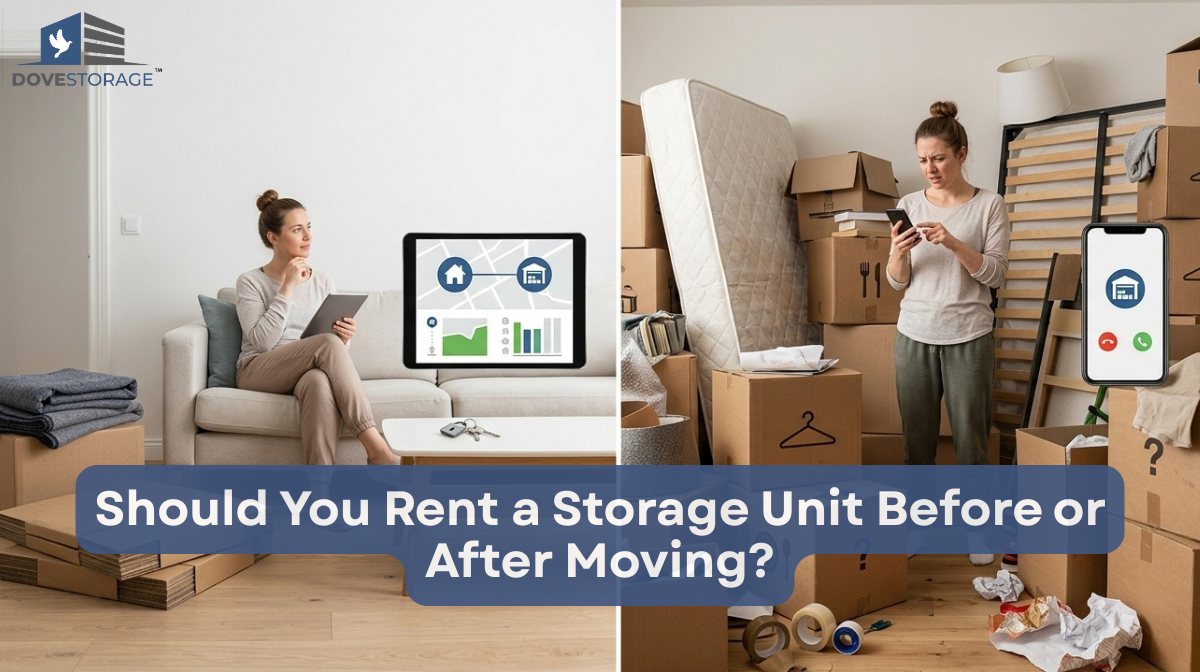
Should you rent a storage unit before or after moving? Learn how self-storage can simplify packing, moving between homes, downsizing, and settling into your new space.

Declutter your home without feeling overwhelmed with simple, manageable steps for sorting, organizing, storing, donating, and creating a more functional space.

Not sure if you need a storage unit? Discover common signs it’s time for extra space, from home clutter and moving to downsizing, seasonal storage, and business needs.

Save money on self-storage with practical tips for choosing the right unit size, comparing prices, packing efficiently, decluttering, and maximizing your storage budget.
Maximize every inch of your storage unit with smart packing, stacking, labeling, and organization tips that save space while keeping belongings accessible.

Discover the top reasons people rent self-storage units, from creating more space and moving to storing seasonal items, business inventory, and sentimental belongings.