
Privacy Laws: Who Can Access Your Stored Items?
Dove Storage • February 24, 2025
Who Has the Right to Access Your Storage Unit?
1. The Tenant (You)
As the renter, you are the primary person with access rights to your self-storage unit. Your lease agreement establishes your ownership over the contents stored inside, meaning that no one else—except those you explicitly authorize—can access your unit.
2. Authorized Individuals
If you want to grant access to a family member, business partner, or employee, you must add them to your lease agreement as an authorized user. Without this written authorization, even close relatives cannot legally enter your unit.
3. The Storage Facility Owner or Manager (In Limited Situations)
While storage facility operators cannot freely enter your unit, there are specific legal circumstances where they may gain access:
Non-payment or Lease Violation:
If rent is overdue for an extended period, the facility can enforce a lien process, which may ultimately lead to the auction of your stored items.
Emergency Situations:
If there is a fire, flooding, or another emergency that threatens safety, the facility may enter the unit to prevent damage or protect the premises.
Suspicion of Illegal Activity:
If a storage unit is suspected of containing illegal or hazardous materials (such as drugs or weapons), the facility may contact law enforcement and cooperate with an investigation.
4. Law Enforcement (With Proper Legal Authorization)
Law enforcement agencies cannot access your storage unit without a warrant. If police suspect illegal activity within a unit, they must obtain a search warrant issued by a judge before entering.
Privacy Protections Under Storage Laws
1. The Self-Storage Facility’s Responsibility
Storage operators are required to protect tenant privacy under state and federal laws. They cannot disclose the contents of your unit to unauthorized individuals or allow access without legal justification.
2. Tenant’s Right to Due Process
If your unit is subject to a lien sale due to non-payment, storage facilities must follow a legal process that includes the following:
Providing written notice of overdue payments
Allowing a set period for payment recovery
Following state laws for public auction procedures
3. Protection from Unlawful Entry
If anyone—including a facility employee or law enforcement—attempts to access your unit without authorization, they may be violating privacy laws. In such cases, you have the right to take legal action for trespassing or unlawful search and seizure
How to Keep Your Stored Items Secure
To protect your self-storage unit from unauthorized access, follow these key steps:
✔ Use a High-Quality Lock
– Invest in a sturdy, tamper-resistant lock to prevent break-ins.
✔ Keep Your Contact Information Updated
– Ensure the storage facility can reach you if any issues arise.
✔ Monitor Your Account
– Stay on top of rental payments to avoid accidental lien procedures.
✔ Understand Your Lease Agreement
– Read and clarify your contract terms to know your rights and responsibilities.
When renting a self-storage unit, your privacy is legally protected under various state and federal laws. While you, as the tenant, have full control over who can access your unit, facility owners and law enforcement must follow strict legal guidelines before gaining entry. By understanding these protections and taking proactive security measures, you can ensure that your stored belongings remain safe and accessible only to those you trust.
For secure and reliable storage solutions, Dove Storage
offers a variety of unit sizes with top-tier security features. Visit our website
today to find a storage unit that meets your needs, or contact us to discuss your storage options!
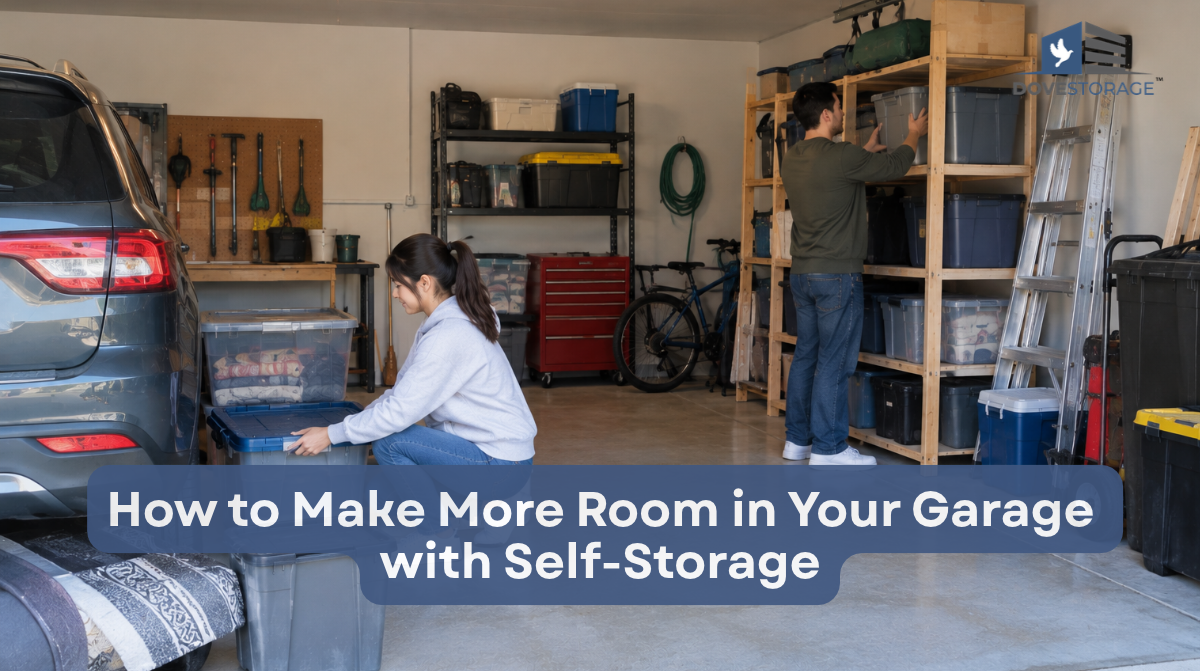
Make more room in your garage with self-storage. Discover tips for decluttering, organizing, storing seasonal items, and reclaiming valuable space.
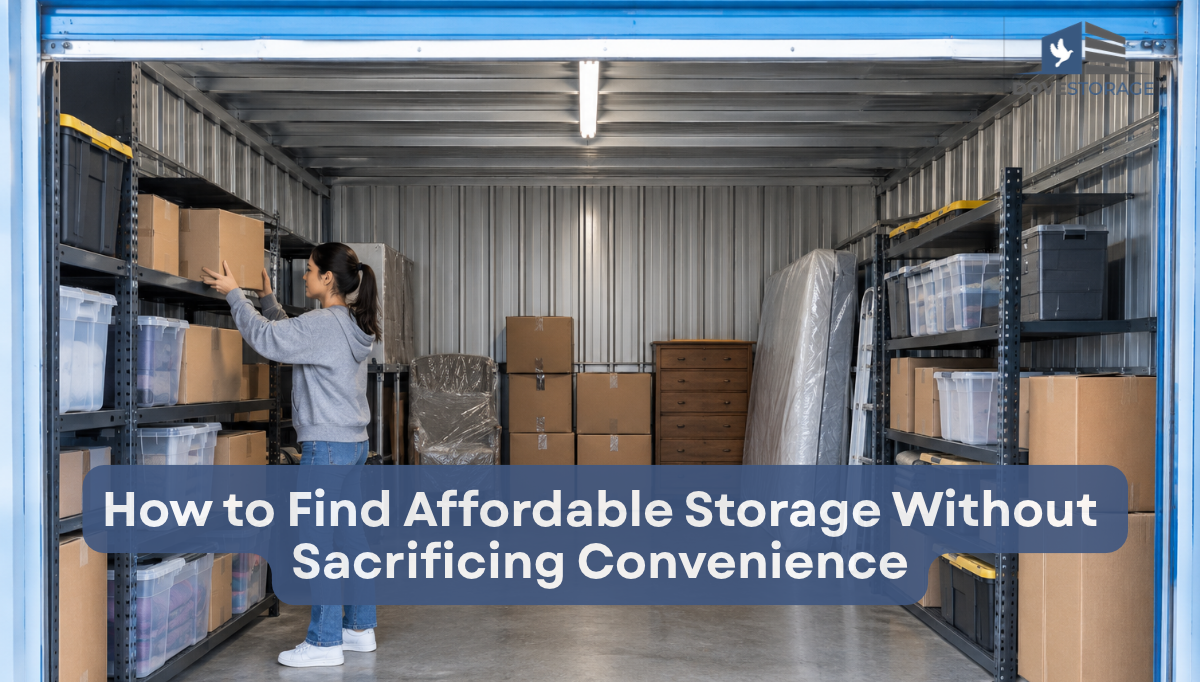
Discover how to find affordable self-storage without sacrificing convenience with tips on unit sizes, rental costs, location, security, and flexible storage options.
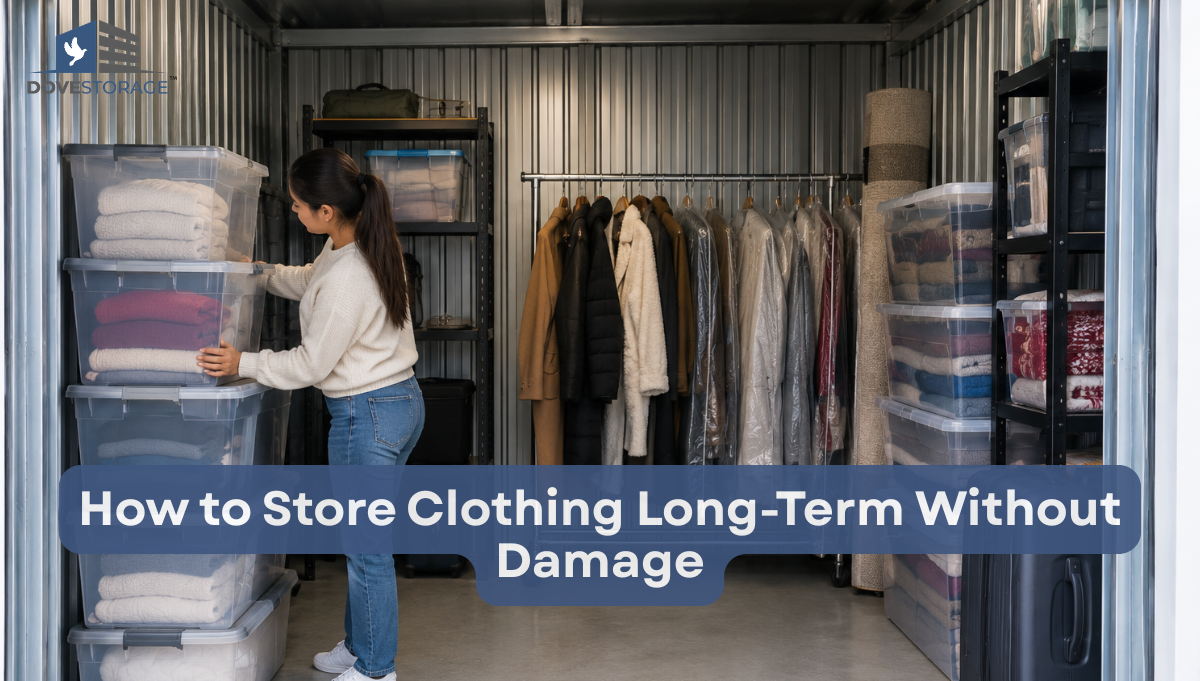
Learn how to store clothing long-term without damage with tips for cleaning, packing, moisture protection, organization, and choosing the right storage environment.
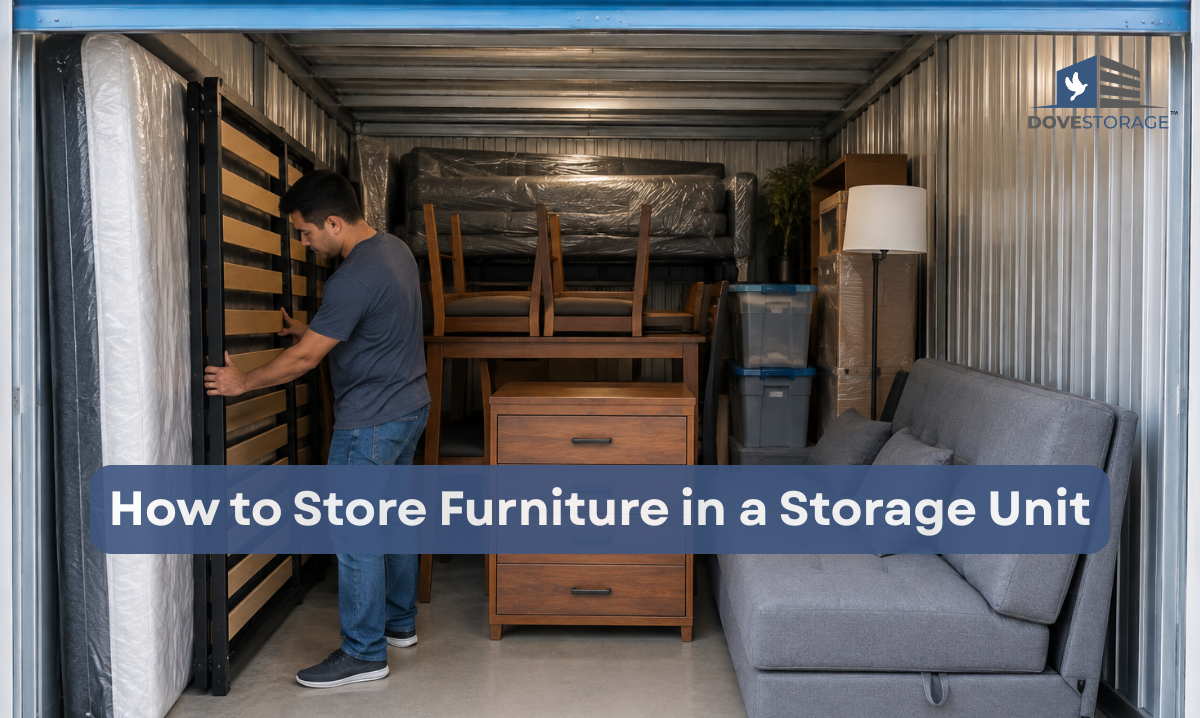
Learn how to store furniture safely in a storage unit with tips for cleaning, packing, protecting, organizing, and choosing the right storage space.
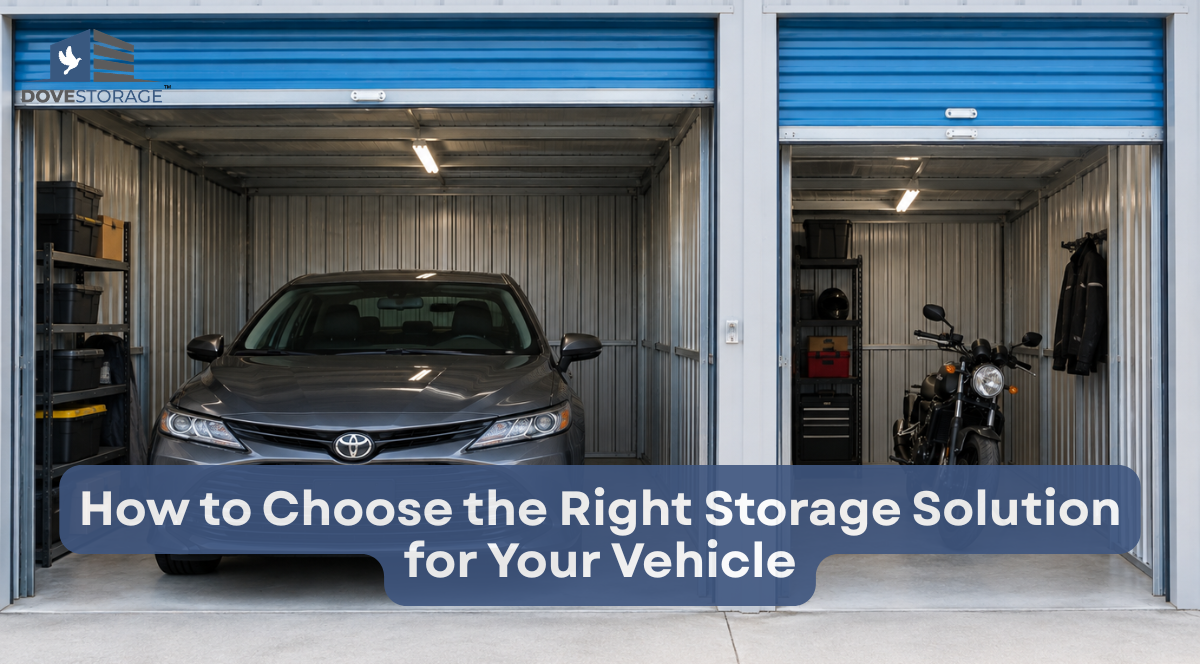
Learn how to choose the right vehicle storage solution based on size, access, security, protection, and budget for cars, motorcycles, boats, and more.
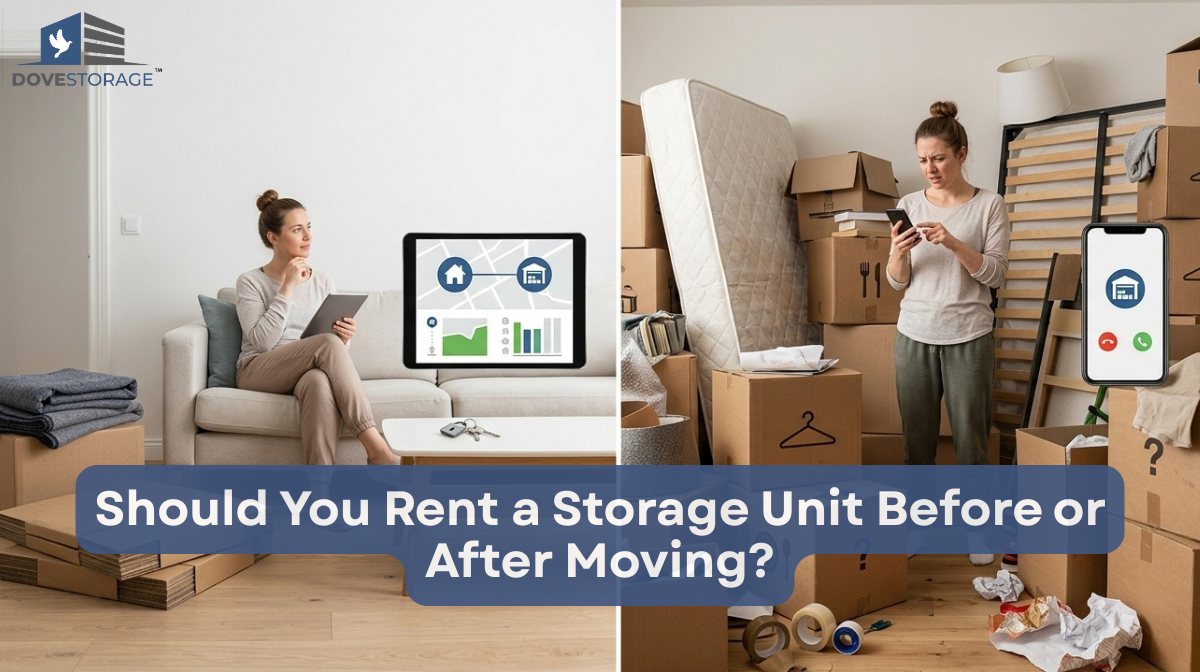
Should you rent a storage unit before or after moving? Learn how self-storage can simplify packing, moving between homes, downsizing, and settling into your new space.
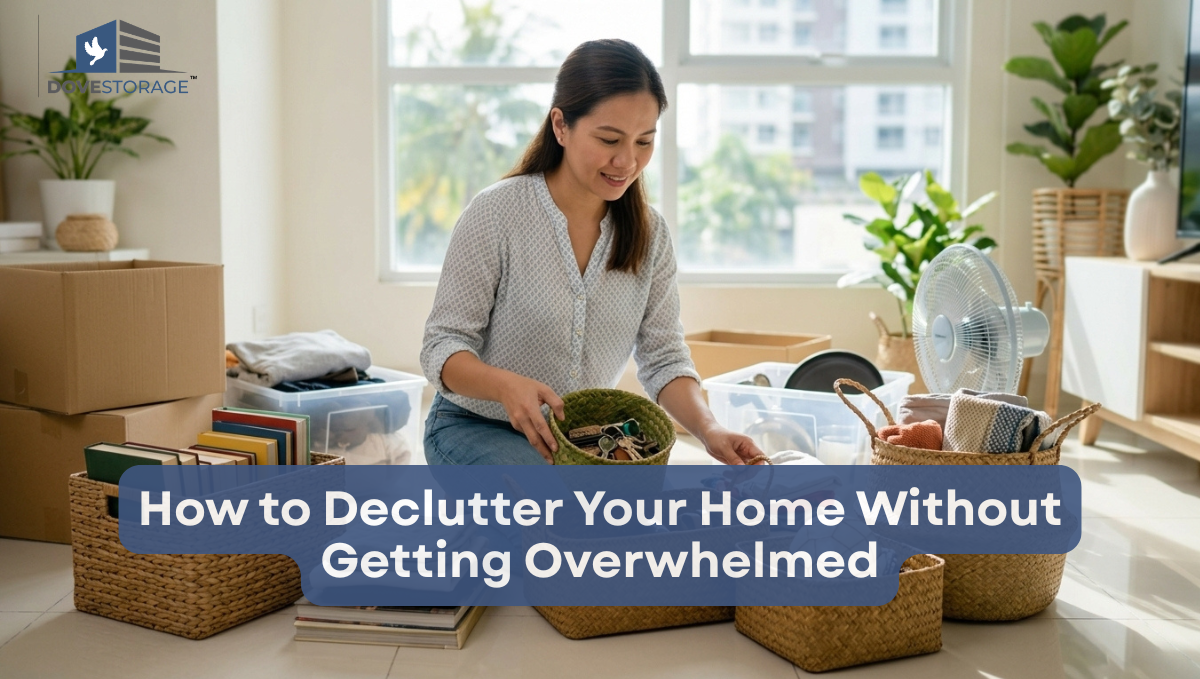
Declutter your home without feeling overwhelmed with simple, manageable steps for sorting, organizing, storing, donating, and creating a more functional space.
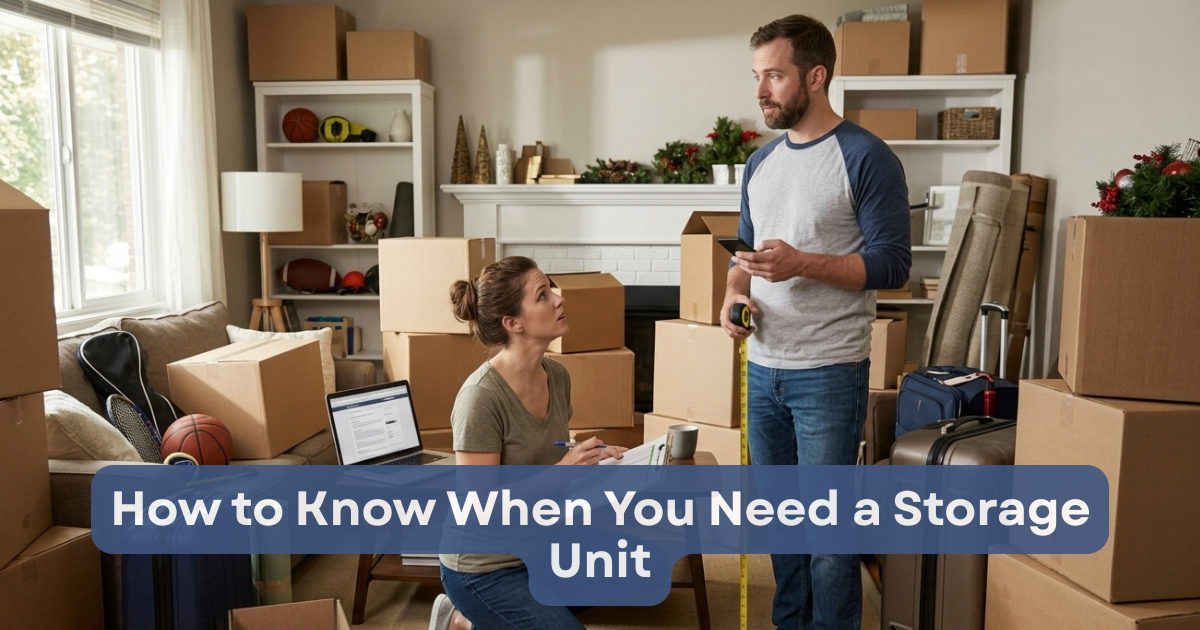
Not sure if you need a storage unit? Discover common signs it’s time for extra space, from home clutter and moving to downsizing, seasonal storage, and business needs.
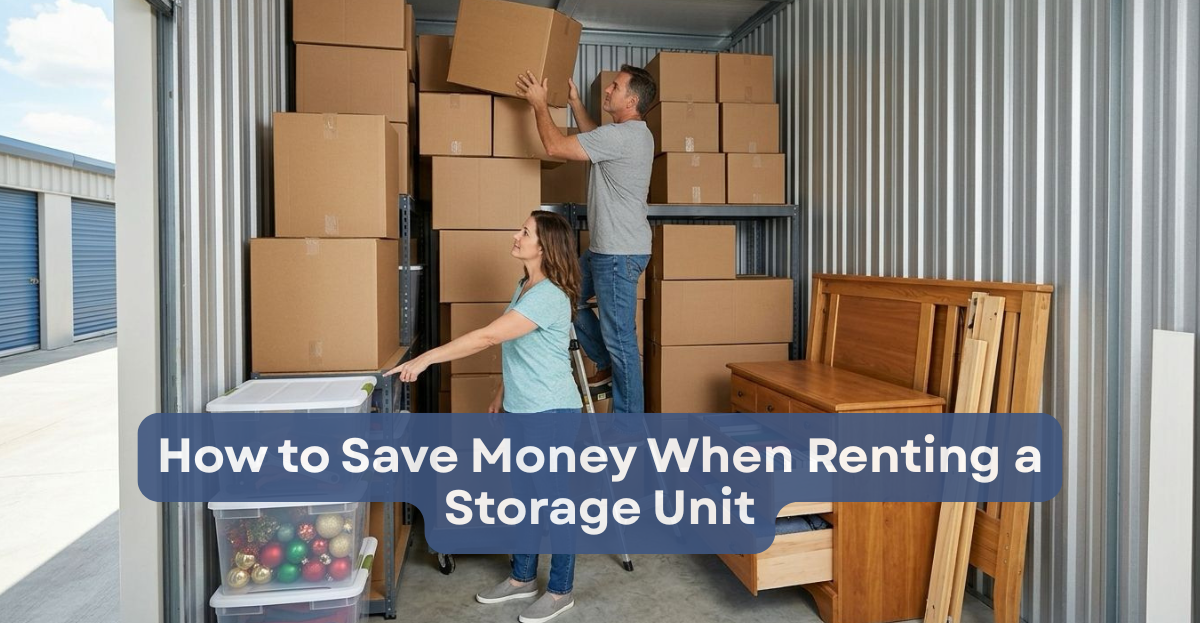
Save money on self-storage with practical tips for choosing the right unit size, comparing prices, packing efficiently, decluttering, and maximizing your storage budget.
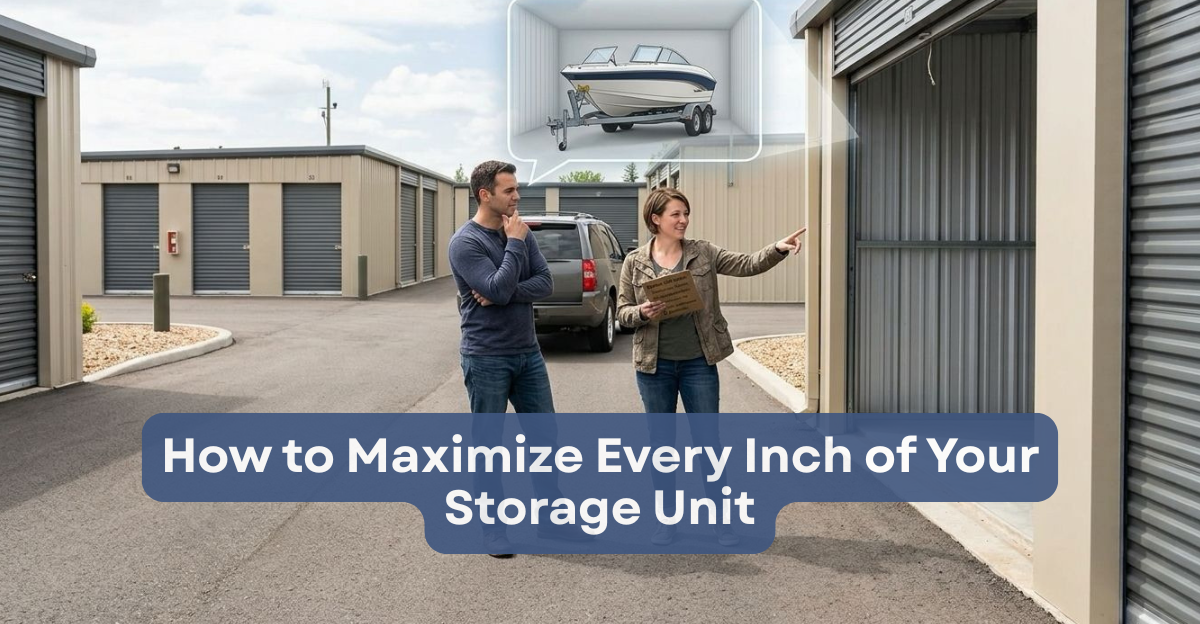
Maximize every inch of your storage unit with smart packing, stacking, labeling, and organization tips that save space while keeping belongings accessible.