
How to Choose Between Indoor and Drive-Up Storage
Dove Storage • September 19, 2025
When it comes to renting a self-storage unit, one of the most important decisions is choosing between indoor storage and drive-up storage. Both options are widely available across the U.S., and each has unique benefits depending on what you’re storing, how often you need access, and the level of protection your belongings require.
For individuals and businesses, selecting the right type of storage unit can save time, money, and stress. Here’s a breakdown of what you should know about indoor and drive-up storage—and how to choose the best fit for your needs.
What Is Indoor Storage?
Indoor storage units are located inside a building. Access typically requires going through a lobby or hallway, which adds an extra layer of security. These units are often climate-controlled, keeping temperature and humidity levels stable.
Best for:
- Sensitive items such as electronics, documents, artwork, antiques, and wooden furniture.
- Long-term storage when you don’t need to access belongings frequently.
- Tenants concerned about weather-related damage.
Advantages of Indoor Storage:
- Climate protection: Stable conditions reduce risks from heat, cold, and moisture.
- Enhanced security: Limited building access and surveillance systems add protection.
- Cleaner environment: Being indoors minimizes dust and debris exposure.
What Is Drive-Up Storage?
Drive-up storage units function like a personal garage. Tenants can pull their car or truck directly up to the door for easy loading and unloading. These are not usually climate-controlled, but their convenience makes them a popular option.
Best for:
- Bulky items such as appliances, large furniture, or business inventory.
- Frequent access where quick loading and unloading is important.
- Short-term or seasonal storage needs.
Advantages of Drive-Up Storage:
- Easy access: Direct loading saves time and effort.
- Ideal for vehicles: Many facilities allow storing cars, motorcycles, or small boats.
- Time-saving: Perfect for movers or businesses needing frequent drop-offs and pickups.
Key Factors to Consider When Choosing
1. Type of Items You’re Storing
If your belongings are sensitive to temperature or humidity, indoor storage with climate control is the safer choice. For durable items like yard equipment, sports gear, or tools, a drive-up unit works well.
2. How Often You Need Access
Do you plan to visit your unit frequently? Drive-up storage is more convenient. If access is less frequent, indoor storage provides better protection at the expense of a little more effort when entering.
3. Security Concerns
Indoor storage generally has an extra security layer since tenants must pass through a main entrance before reaching units. However, most storage facilities offer gated access and surveillance for both types.
4. Budget and Value
Drive-up units are often more affordable since they don’t usually offer climate control. However, choosing indoor storage might save you money in the long run if it prevents damage to valuable items.
5. Local Climate
If you live in an area with extreme heat, freezing winters, or high humidity, climate-controlled indoor units can protect belongings better. In milder climates, outdoor drive-up units may be sufficient.
When Indoor Storage Is the Better Option
- Storing family heirlooms, antiques, or artwork.
- Protecting electronics, records, or business files.
- Living in an area with extreme seasonal changes.
- Prioritizing security and long-term preservation.
- When Drive-Up Storage Is the Better Option
- Moving large furniture or heavy appliances.
- Running a business with frequent inventory rotation.
- Storing vehicles, tools, or outdoor gear.
- Needing quick and frequent access without navigating hallways or elevators.
Tips for Making the Right Choice
- Take an inventory – List everything you’ll store and decide whether it’s sensitive to temperature or humidity.
- Ask about facility features – Inquire about security systems, access hours, and climate control options.
- Visit the facility – Walk through both indoor and drive-up units to compare convenience.
- Balance cost vs. protection – Don’t choose solely based on price—consider long-term preservation.
- Think ahead – If you may need the unit for several months or years, prioritize protection over short-term convenience.
Both indoor storage units and drive-up storage units serve valuable purposes, but the right choice depends on your specific needs. Indoor units offer better protection and climate control, making them ideal for sensitive belongings and long-term storage. Drive-up units provide unmatched convenience for frequent access, heavy items, and quick loading.
By carefully considering what you’re storing, how often you’ll visit, and your local climate, you can choose the storage option that offers the best balance of security, accessibility, and value. Whether you’re storing personal belongings during a move, running a small business, or just need extra space, self-storage facilities across the U.S. provide flexible solutions to fit your lifestyle.
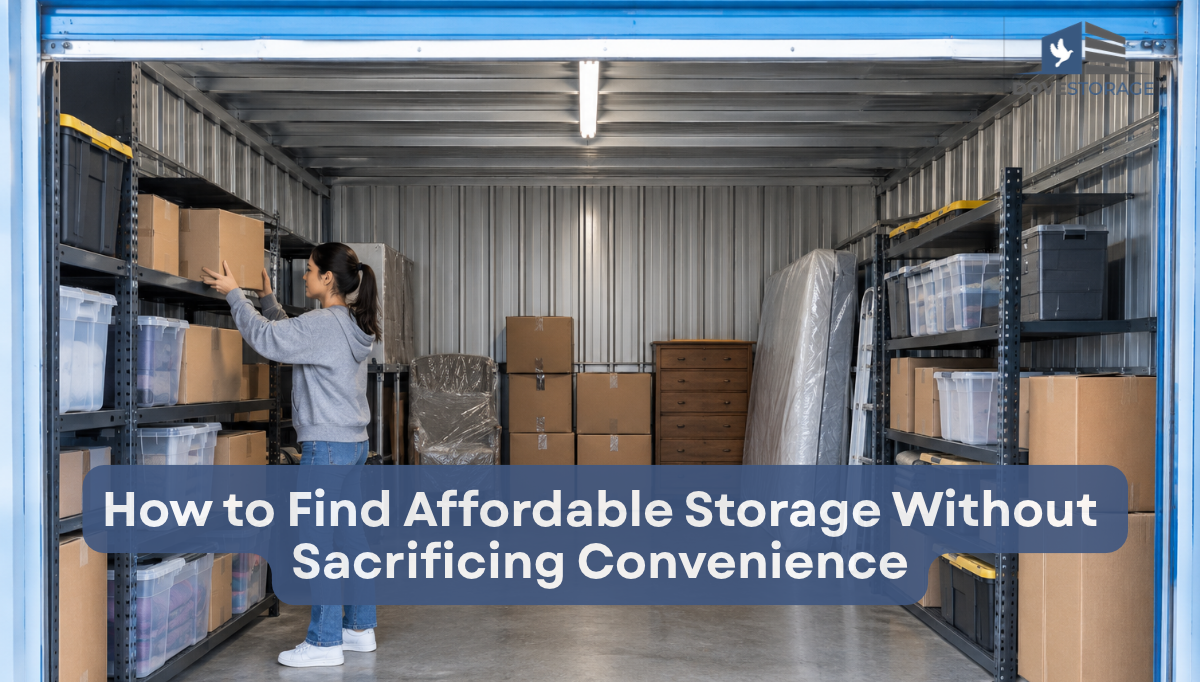
Discover how to find affordable self-storage without sacrificing convenience with tips on unit sizes, rental costs, location, security, and flexible storage options.
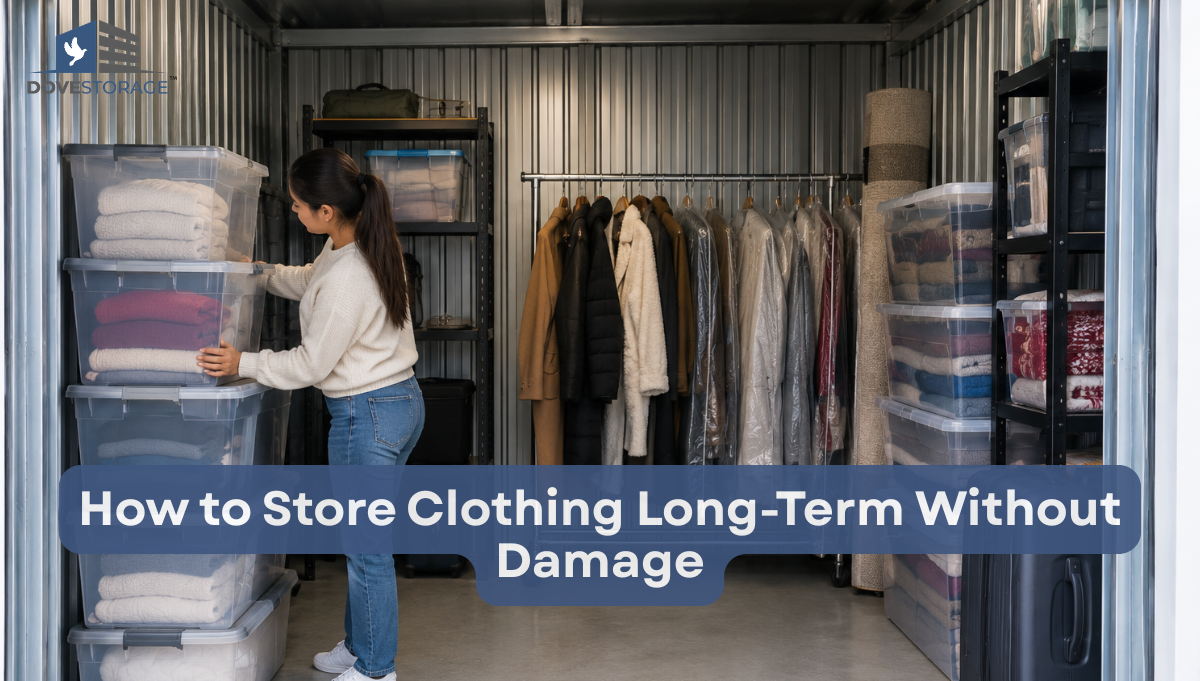
Learn how to store clothing long-term without damage with tips for cleaning, packing, moisture protection, organization, and choosing the right storage environment.
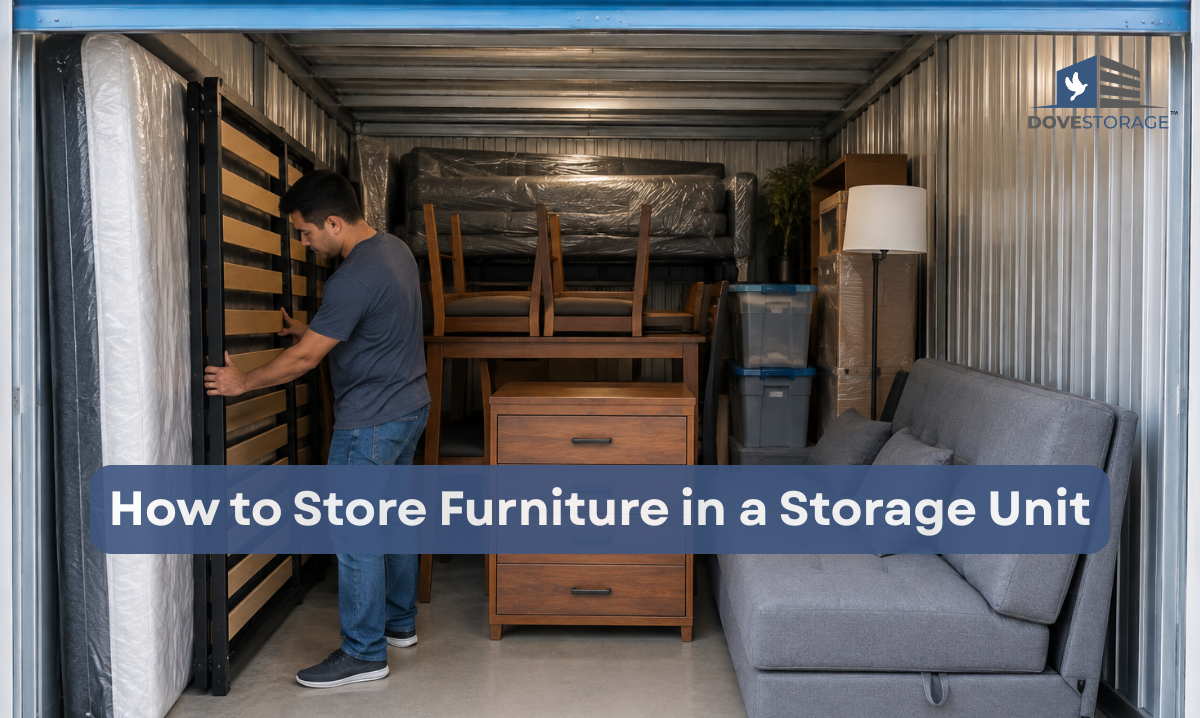
Learn how to store furniture safely in a storage unit with tips for cleaning, packing, protecting, organizing, and choosing the right storage space.
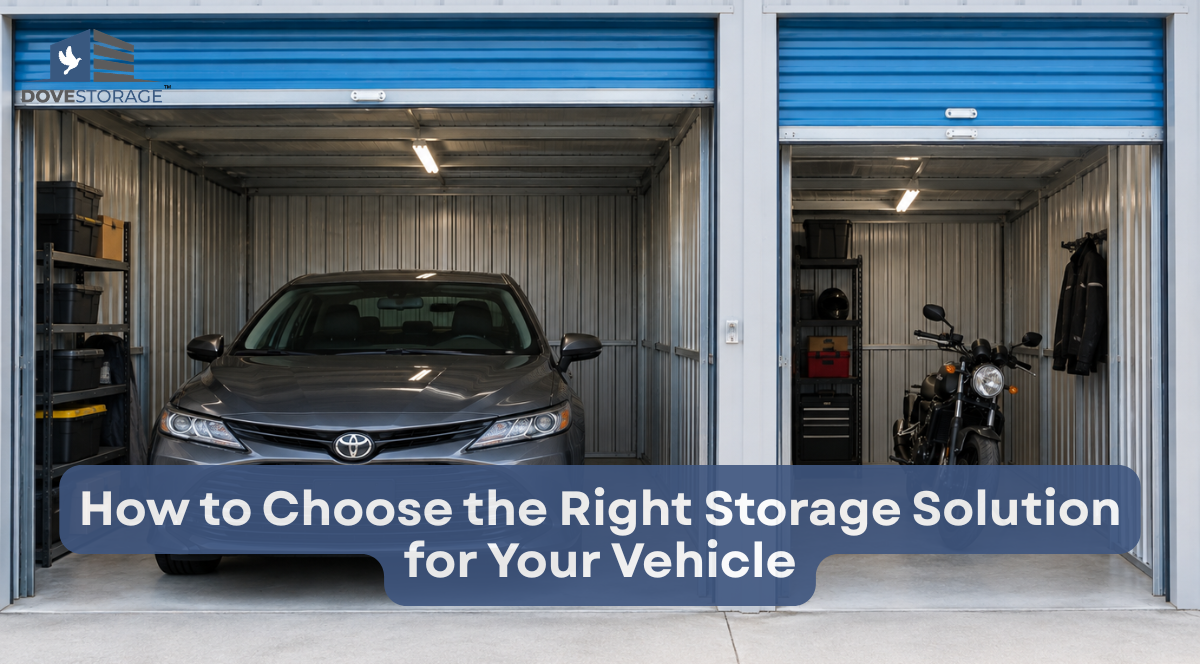
Learn how to choose the right vehicle storage solution based on size, access, security, protection, and budget for cars, motorcycles, boats, and more.
Should you rent a storage unit before or after moving? Learn how self-storage can simplify packing, moving between homes, downsizing, and settling into your new space.
Declutter your home without feeling overwhelmed with simple, manageable steps for sorting, organizing, storing, donating, and creating a more functional space.
Not sure if you need a storage unit? Discover common signs it’s time for extra space, from home clutter and moving to downsizing, seasonal storage, and business needs.
Save money on self-storage with practical tips for choosing the right unit size, comparing prices, packing efficiently, decluttering, and maximizing your storage budget.
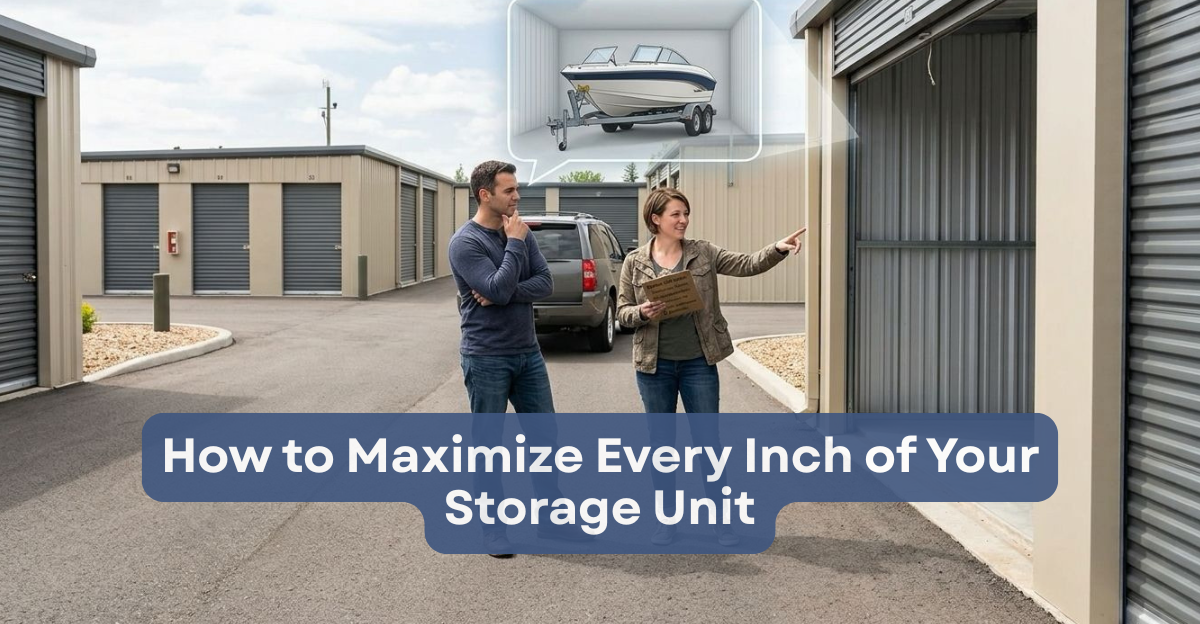
Maximize every inch of your storage unit with smart packing, stacking, labeling, and organization tips that save space while keeping belongings accessible.
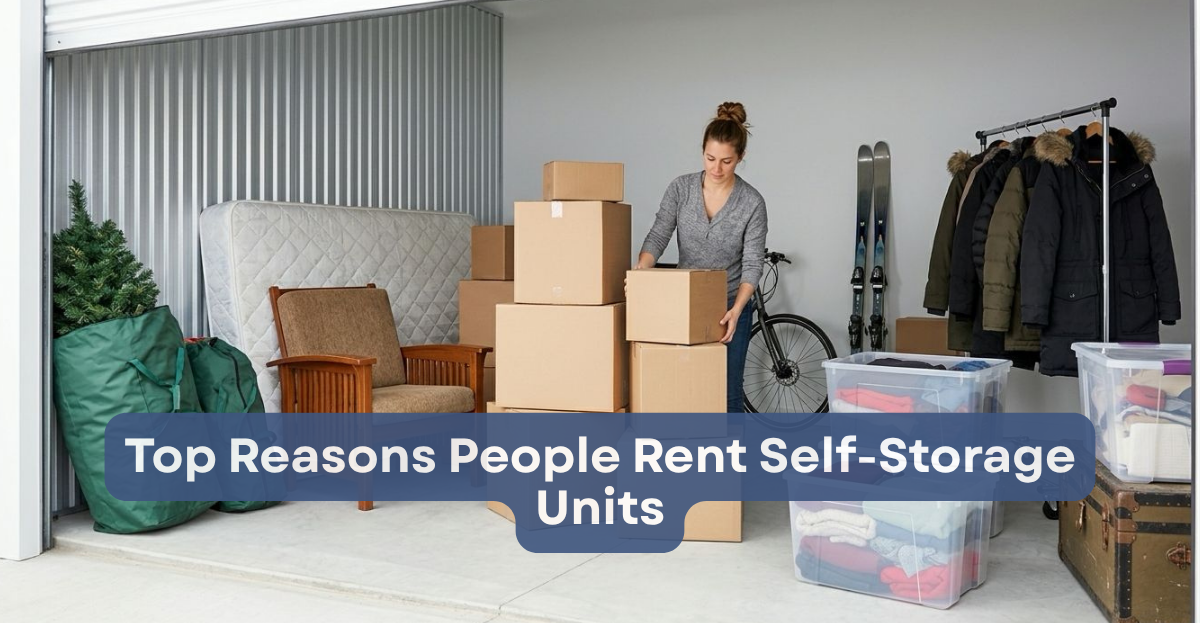
Discover the top reasons people rent self-storage units, from creating more space and moving to storing seasonal items, business inventory, and sentimental belongings.