
How to Pack for Storage Like a Pro
Dove Storage • April 24, 2026
A clutter-free home doesn’t just happen on its own—it’s the result of smart decisions, good planning, and efficient packing. Whether you’re preparing for a move, downsizing, renovating, or simply freeing up space at home, how you pack your belongings for storage makes a huge difference in how well they stay protected and how easy they are to access later.
Self-storage units are a flexible solution for keeping your belongings safe while giving you more room to live and work comfortably. At Dove Storage, we offer clean, secure, and convenient storage options designed to fit a variety of personal and business needs. Here’s how to pack for storage like a pro so you can make the most of your unit.
1. Start with a Smart Decluttering Plan
Before you even think about boxes and tape, take time to decide what actually needs to go into storage. Go through each room and sort your items into four categories: keep, store, donate, and discard.
Ask yourself:
- Have I used this in the past year?
- Is this something I only need seasonally?
- Does this item still serve a purpose or hold value?
Items like holiday decorations, extra furniture, sports gear, and sentimental keepsakes are often perfect for storage. By being selective upfront, you’ll save space, time, and money on your storage unit.
Pro Tip:
Decluttering first helps you avoid paying to store items you don’t actually need.
2. Choose the Right Packing Supplies
Using the right materials is key to protecting your belongings while maximizing space inside your storage unit.
Here are essentials you’ll need:
- Strong, durable boxes in multiple sizes
- Packing tape and dispensers
- Bubble wrap or packing paper
- Markers for labeling
- Plastic bins for long-term protection
Whenever possible, choose uniform box sizes so they stack neatly and make better use of vertical space. Plastic bins are especially useful for items that need extra protection from dust or moisture.
3. Label Everything Clearly and Consistently
Labeling may seem simple, but it’s one of the most important steps in efficient storage packing. Clearly mark each box with its contents and the room it came from.
Instead of vague labels like “miscellaneous,” be specific:
- “Kitchen – Baking Supplies”
- “Bedroom – Winter Clothes”
- “Living Room – Decor”
This makes it much easier to locate items without having to open multiple boxes later.
Pro Tip:
Label at least two sides of each box so you can identify it no matter how it’s stacked.
4. Pack Strategically to Maximize Space
How you pack your boxes is just as important as what you put in them. A little strategy goes a long way in helping you use your storage unit efficiently.
- Place heavier items at the bottom of boxes
- Fill empty spaces with soft materials to prevent shifting
- Keep similar items grouped together
- Avoid overpacking boxes to prevent damage
For fragile items, wrap each piece individually and use padding to reduce movement during transport and storage.
5. Disassemble Large Furniture When Possible
Bulky furniture takes up a lot of space, so disassembling larger items can help you maximize your storage unit.
Consider:
- Removing table legs
- Taking apart bed frames
- Detaching couch cushions
- Storing screws and hardware in labeled bags
Wrap furniture pieces in blankets or protective covers to prevent scratches and dust buildup while in storage.
6. Load Your Storage Unit Like a Pro
Once your items are packed, how you load your storage unit will determine how easy it is to access your belongings later.
- Place items you’ll need less often in the back
- Keep frequently used items near the front
- Leave a small walkway for accessibility
- Stack heavier boxes on the bottom and lighter ones on top
Using shelving units inside your storage space can also help keep everything organized and off the floor.
7. Protect Your Items for Long-Term Storage
To keep your belongings in good condition, take extra precautions before placing them in storage.
- Use plastic bins for sensitive or valuable items
- Avoid storing items that are damp or unclean
- Cover furniture and mattresses with breathable covers
- Store electronics in original boxes if available
For added peace of mind, consider choosing a storage unit that offers enhanced security features and a well-maintained environment.
8. Keep an Inventory of What You Store
A simple inventory list can save you a lot of time and frustration later. Write down or digitally track what you place in your storage unit.
Include:
- Box numbers
- General contents
- Estimated value or importance
You can even take photos of each box before sealing it. This makes it easier to remember what you stored and avoid buying duplicates.
9. Plan for Easy Access in the Future
Think ahead when packing so you don’t have to unpack everything just to find one item.
- Place seasonal items together
- Keep essentials near the front
- Avoid stacking important boxes too deep
- Revisit your unit occasionally to reorganize if needed
A well-organized storage unit works like an extension of your home—not just a place to “put things away.”
Packing for storage doesn’t have to be stressful. With the right approach, you can protect your belongings, maximize your space, and stay organized long-term. It’s all about being intentional—from the moment you start sorting to the way you load your storage unit.
At Dove Storage, we’re committed to helping you create more space in your life with clean, secure, and convenient storage solutions. Whether you’re storing seasonal items, furniture, or personal keepsakes, we’re here to help make the process simple and stress-free.

Explore storage solutions for boats, trailers, and RVs. Learn how to choose suitable vehicle storage, prepare equipment, protect it from weather, and free up space at home.
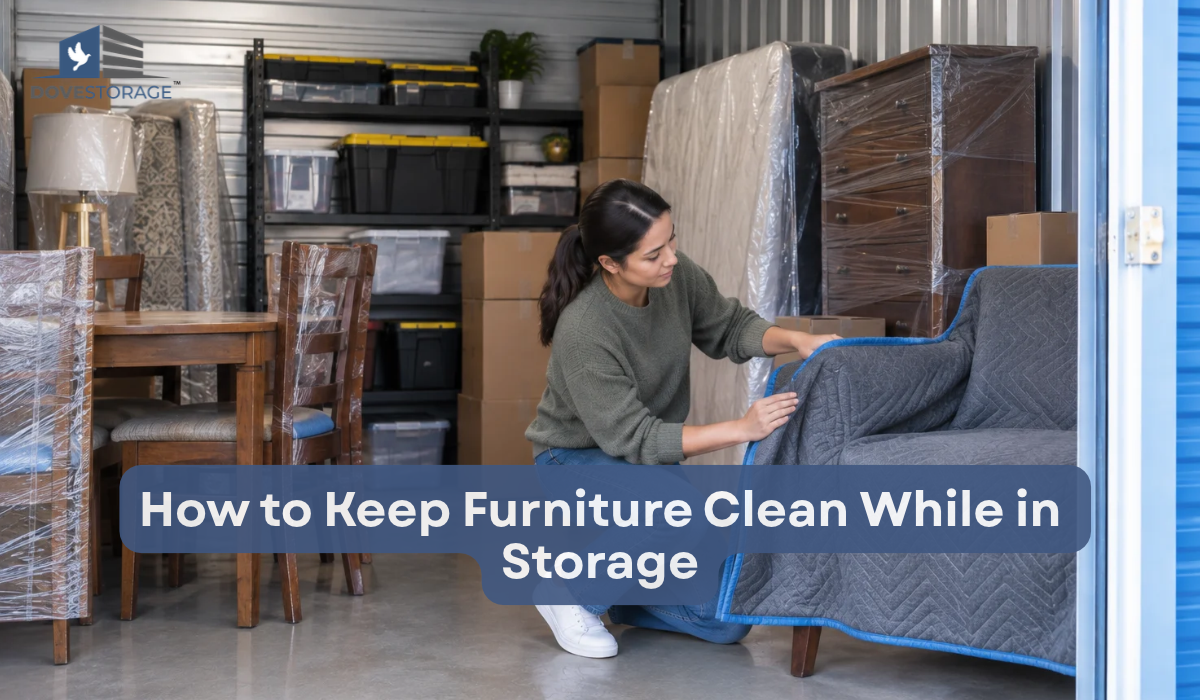
Learn how to keep furniture clean while in storage with tips for cleaning, protective covers, moisture prevention, proper organization, and long-term furniture care.
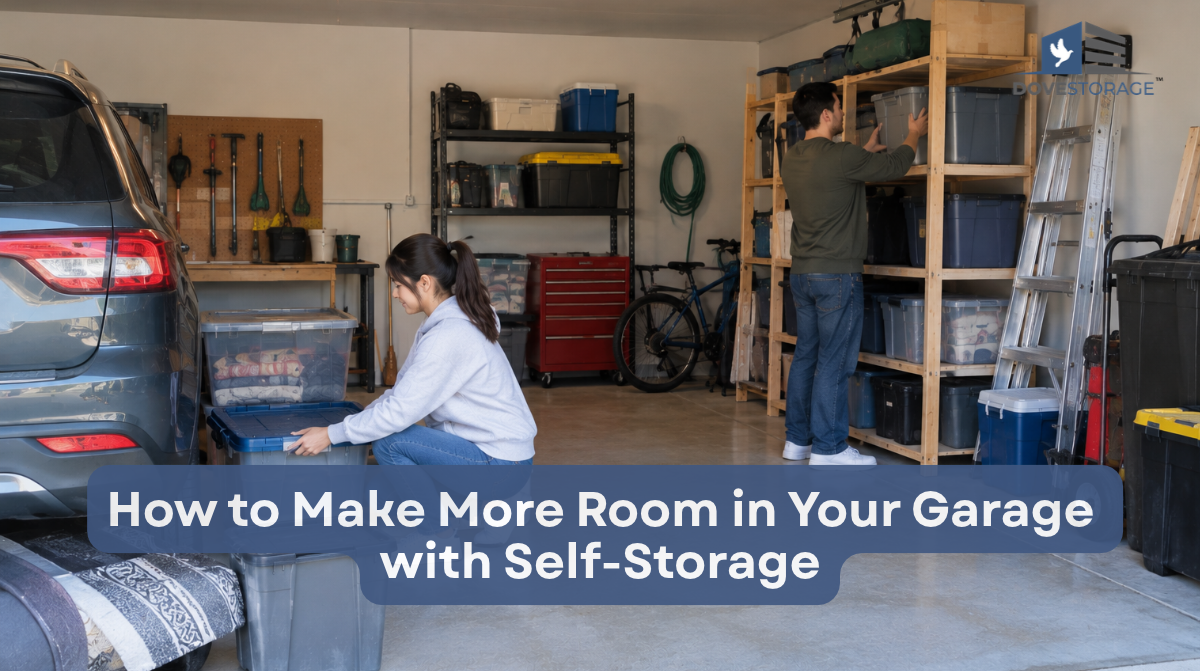
Make more room in your garage with self-storage. Discover tips for decluttering, organizing, storing seasonal items, and reclaiming valuable space.
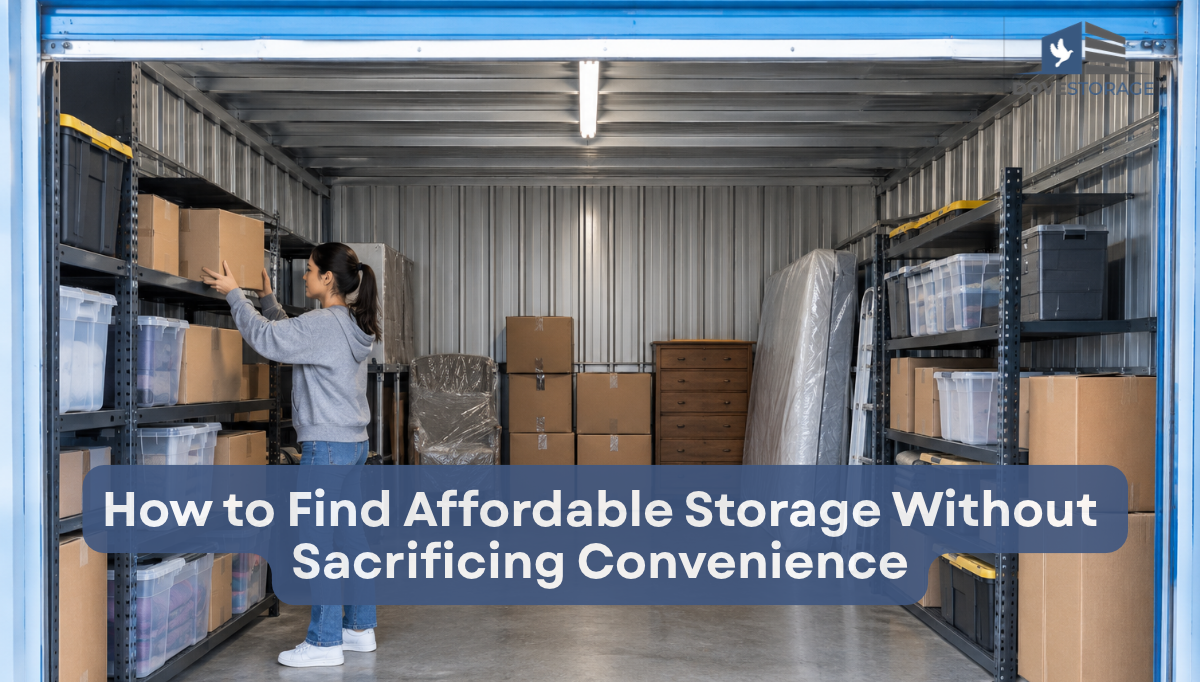
Discover how to find affordable self-storage without sacrificing convenience with tips on unit sizes, rental costs, location, security, and flexible storage options.
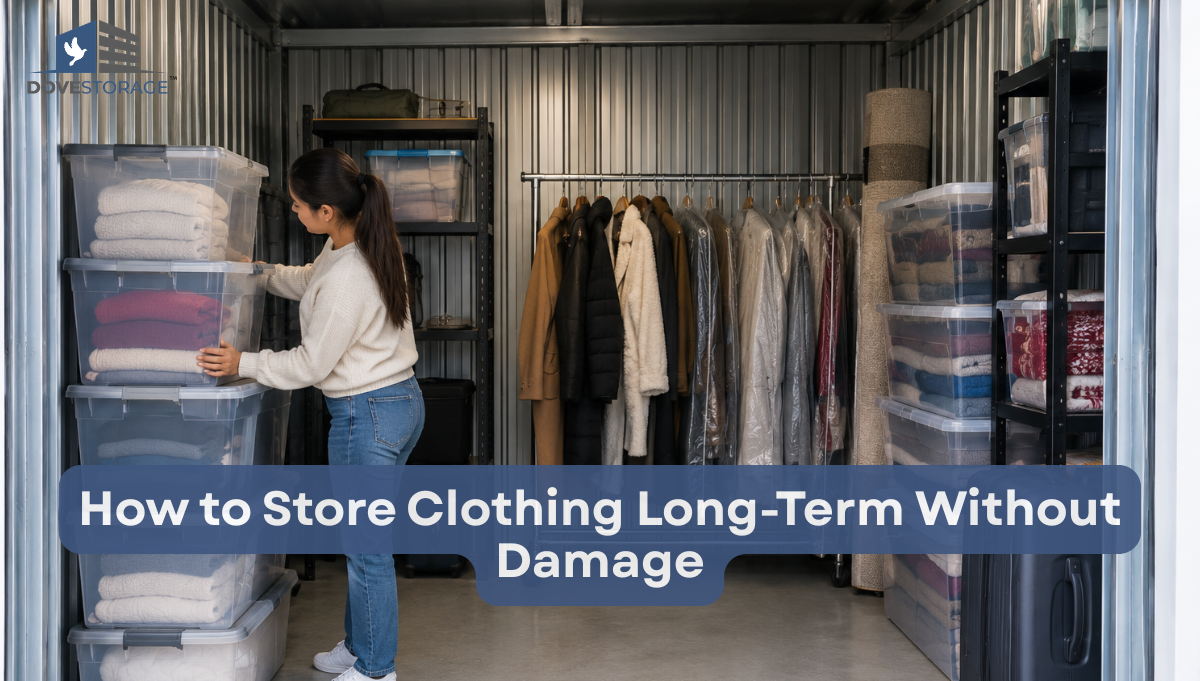
Learn how to store clothing long-term without damage with tips for cleaning, packing, moisture protection, organization, and choosing the right storage environment.
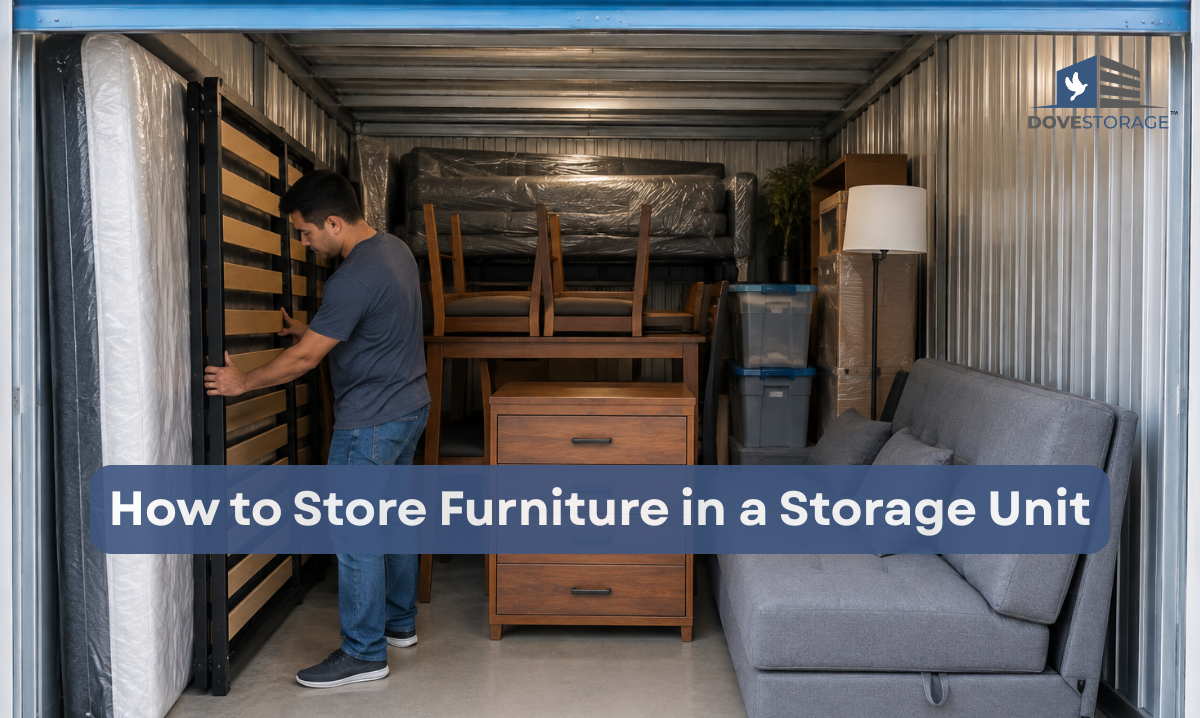
Learn how to store furniture safely in a storage unit with tips for cleaning, packing, protecting, organizing, and choosing the right storage space.
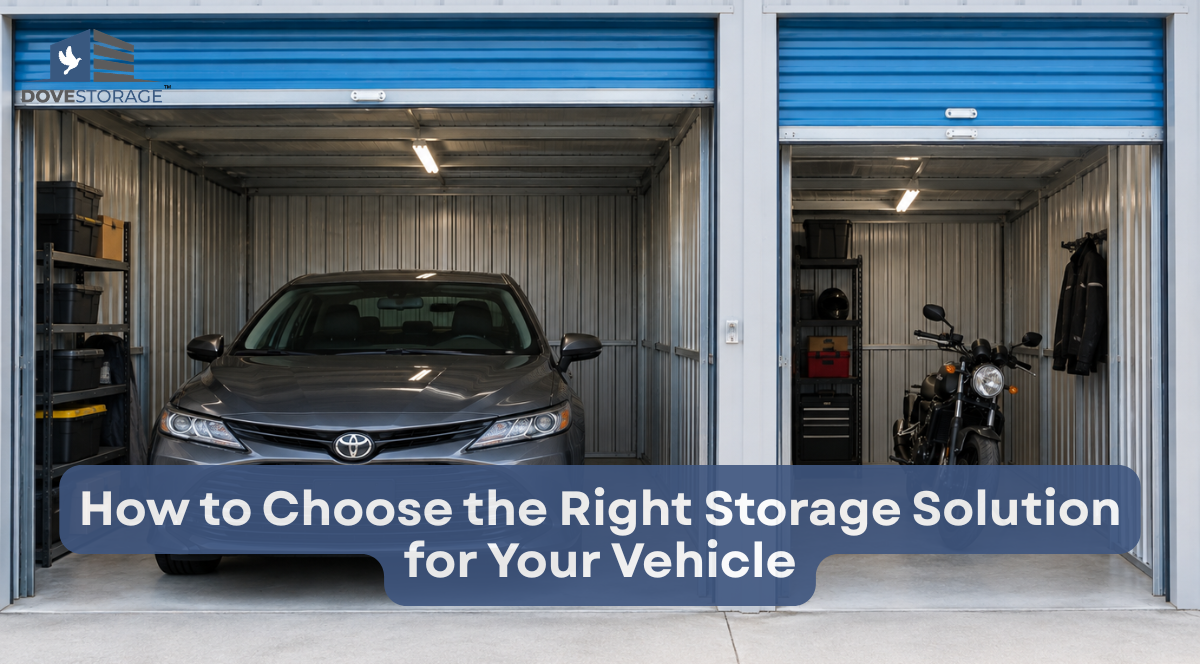
Learn how to choose the right vehicle storage solution based on size, access, security, protection, and budget for cars, motorcycles, boats, and more.
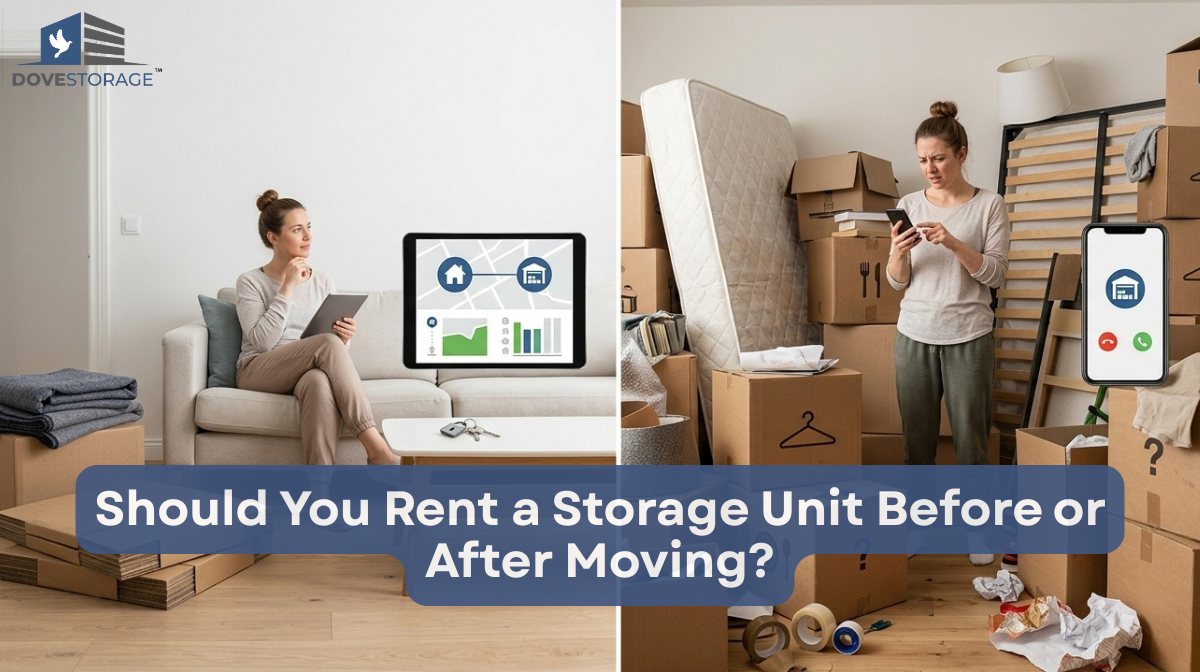
Should you rent a storage unit before or after moving? Learn how self-storage can simplify packing, moving between homes, downsizing, and settling into your new space.
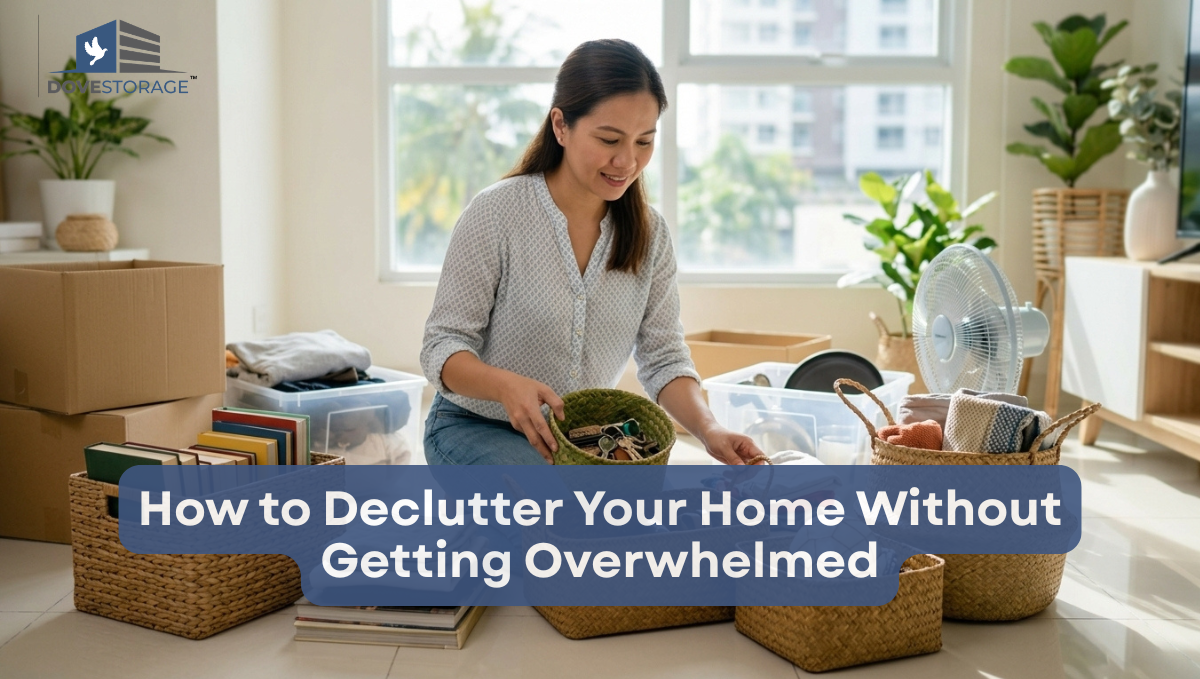
Declutter your home without feeling overwhelmed with simple, manageable steps for sorting, organizing, storing, donating, and creating a more functional space.
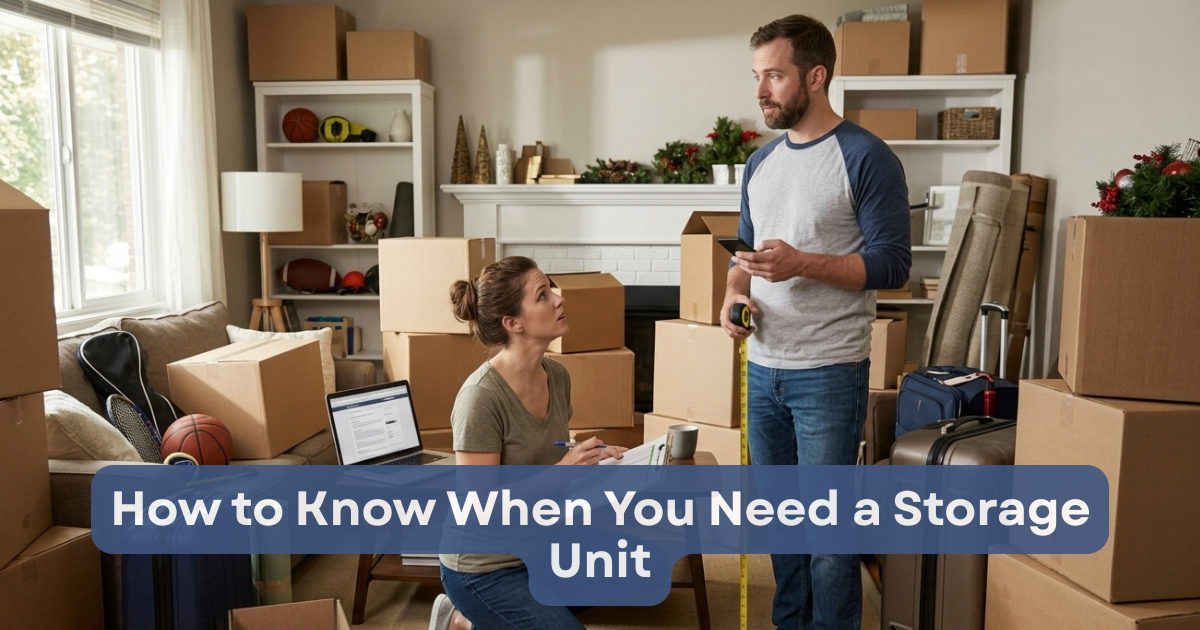
Not sure if you need a storage unit? Discover common signs it’s time for extra space, from home clutter and moving to downsizing, seasonal storage, and business needs.