How to Choose the Right Storage Unit for Your Home
Dove Storage • July 22, 2025
Whether you're downsizing, decluttering, or in between homes, renting a self-storage unit is a practical way to free up space without parting with your belongings. With so many options available, choosing the right storage unit can feel overwhelming.
From size and location to climate control and access, understanding your needs is the key to making a smart, cost-effective decision. This guide will help U.S. readers navigate the process of selecting the best storage unit for home-related needs.
1. Determine What You Need to Store
Start by creating a list of items you plan to store. This will help you estimate how much space you'll need and identify any items that require special care.
Common household items stored in units include:
- Furniture (sofas, beds, tables)
- Seasonal items (holiday decorations, lawn equipment)
- Clothing and personal items
- Appliances and electronics
- Paperwork, photos, or memorabilia
Pro tip:
Group items by category and take measurements of large pieces to avoid over- or underestimating the size of the unit you’ll need.
2. Choose the Right Size Unit
Storage unit sizes vary, typically ranging from 5'x5' to 10'x30'. Here's a quick guide to help you choose:
- 5'x5' (25 sq. ft.): Ideal for boxes, small items, or seasonal decor. Think of it as a walk-in closet.
- 5'x10' (50 sq. ft.): Fits the contents of a small room—great for storing a twin bed, dresser, and boxes.
- 10'x10' (100 sq. ft.): Perfect for a one-bedroom apartment’s worth of items.
- 10'x15' (150 sq. ft.): Suitable for a two-bedroom home or large appliances and furniture.
- 10'x20' and larger: Recommended for full homes or storing vehicles.
If in doubt, ask the storage facility for a size guide or a visual chart to compare storage capacities.
3. Consider Climate-Controlled Storage
Climate-controlled storage units maintain consistent temperature and humidity levels. These units are especially useful if you’re storing sensitive or valuable items like:
- Electronics
- Leather or wooden furniture
- Musical instruments
- Photos and documents
- Clothing and textiles
While climate-controlled units typically cost more (10–30% higher), they offer long-term protection against heat, cold, and moisture—making them a smart investment for many homeowners.
4. Location and Accessibility
When choosing a storage facility, location matters. Consider whether you need regular access to your items or if it’s a set-it-and-forget-it situation.
Nearby facilities:
Convenient if you’ll access items often, such as tools, business inventory, or seasonal gear.
Further from home:
If you’re storing long-term and don’t need frequent access, choosing a facility slightly out of town can be more affordable.
Also, check facility access hours. Some offer 24/7 access, while others have limited hours. Look for easy loading zones, drive-up access, or indoor access depending on your preference.
5. Evaluate Security Features
Protecting your belongings should be a top priority. Look for storage facilities with the following features:
- 24/7 video surveillance
- Gated access with PIN codes or keycards
- Individual unit alarms
- On-site managers or security staff
- Good lighting throughout the property
If you're storing high-value items, you may want to invest in a personal high-security lock, such as a disc or cylinder lock, to add an extra layer of protection.
6. Compare Costs and Contracts
Storage unit costs can vary widely depending on the size, location, and features. On average in the U.S., you can expect:
- Small units: $50–$75/month
- Medium units: $90–$150/month
- Large units: $150–$250/month
Ask about:
- Move-in specials or first-month discounts
- Administrative or lock fees
- Month-to-month vs. long-term contracts
- Automatic payment options to avoid late fees
Pro tip:
Avoid overpaying by only renting the space you need. You can always upgrade later if necessary.
7. Read the Rental Agreement Carefully
Before signing a lease, read the storage unit rental agreement thoroughly. Look for details like:
- Access hours and gate rules
- Payment due dates and late fees
- Termination policy
- Facility responsibilities (e.g., pest control, insurance)
- Tenant responsibilities for damages or misuse
- Make sure the terms align with your needs and budget.
8. Organize for Easy Access
How you organize your storage unit matters—especially if you’ll need to retrieve items while they’re in storage. Tips for smart organization:
- Use clear plastic bins instead of cardboard for durability and visibility
- Label boxes on multiple sides
- Create a pathway inside the unit for easy access
- Store frequently used items near the front
Finding the right self-storage unit for your home is about more than just square footage. Consider what you’re storing, how often you need access, and what level of protection your belongings require. A well-chosen storage solution can save you time, money, and stress—especially during moves, renovations, or seasonal transitions.
Do your research, visit a few facilities, and don’t be afraid to ask questions. With the right storage unit, your home will feel more organized, and your belongings will stay safe and secure.
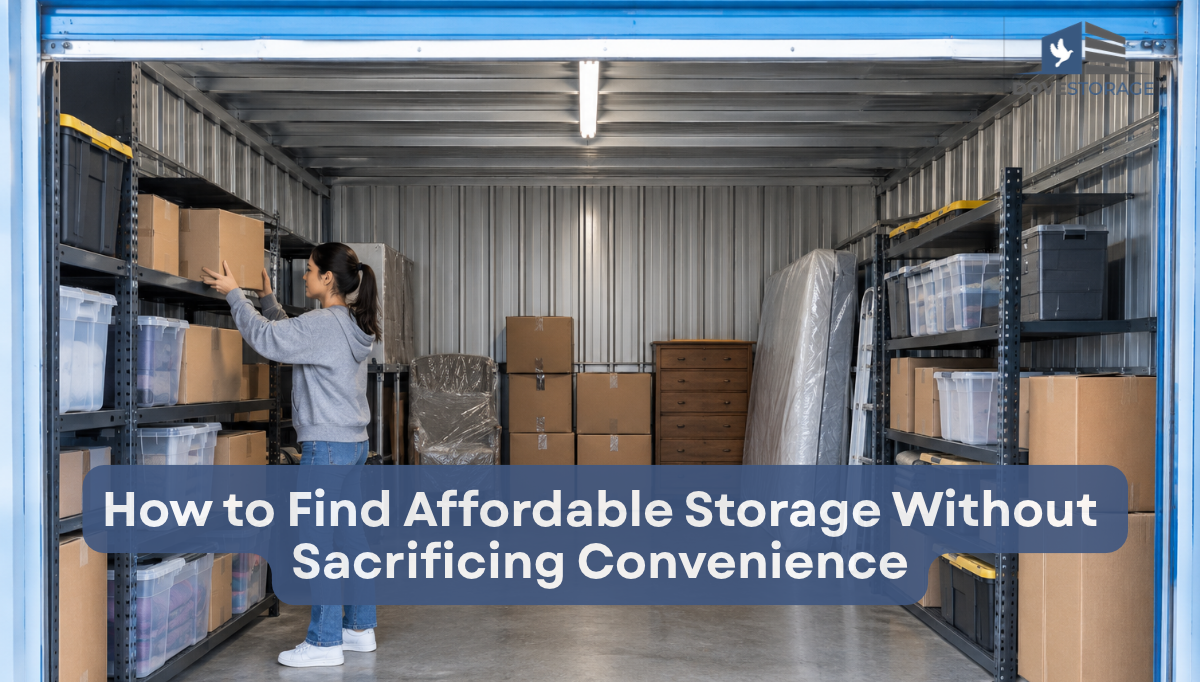
Discover how to find affordable self-storage without sacrificing convenience with tips on unit sizes, rental costs, location, security, and flexible storage options.
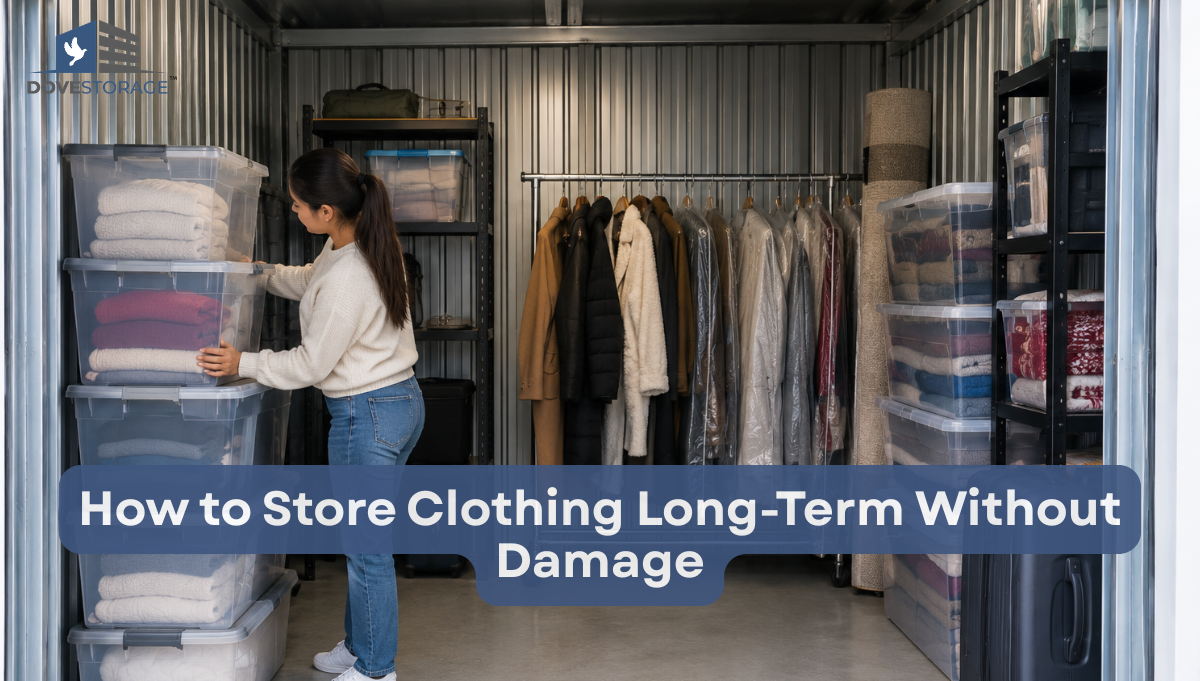
Learn how to store clothing long-term without damage with tips for cleaning, packing, moisture protection, organization, and choosing the right storage environment.
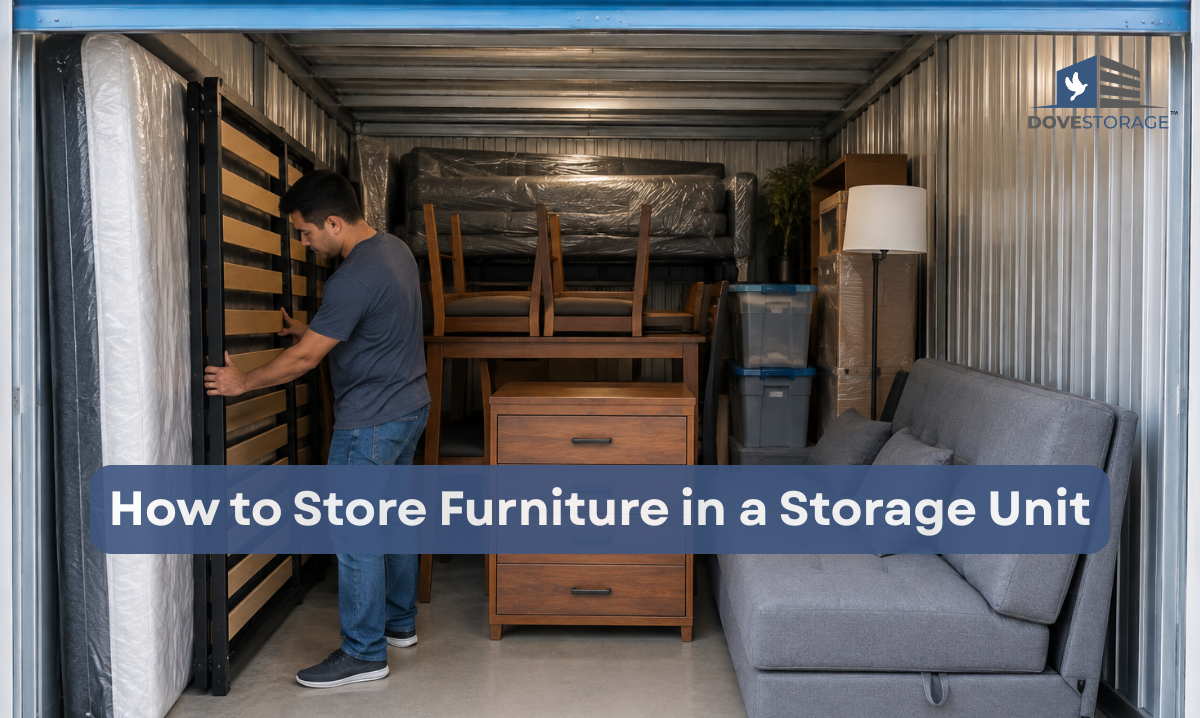
Learn how to store furniture safely in a storage unit with tips for cleaning, packing, protecting, organizing, and choosing the right storage space.
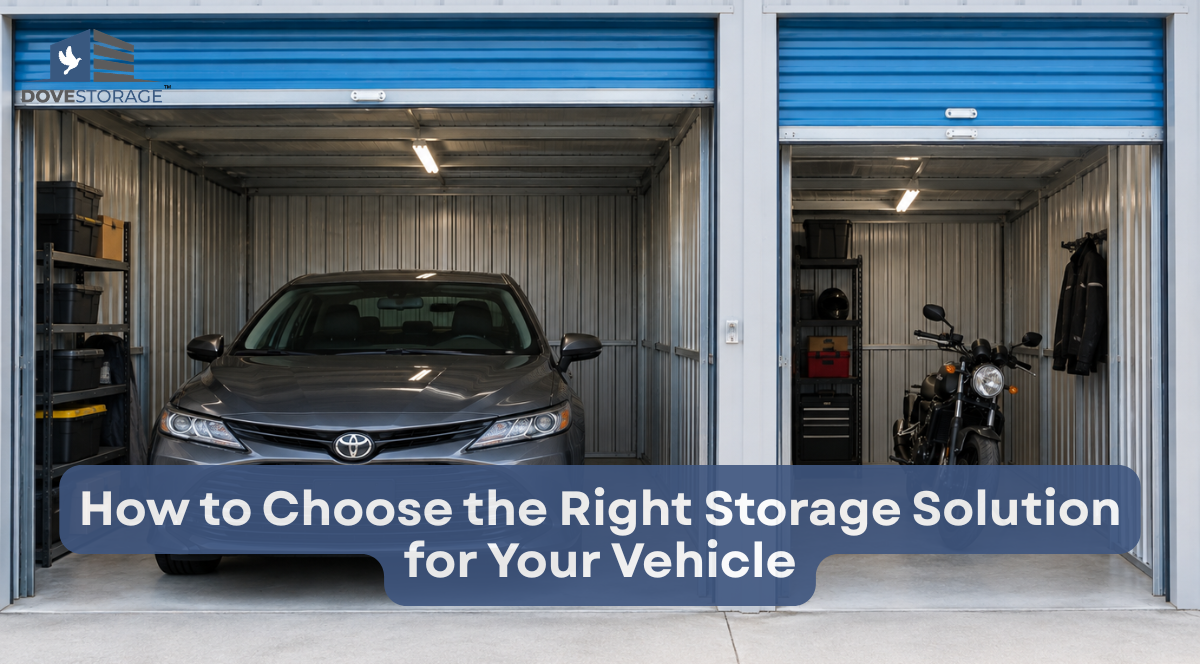
Learn how to choose the right vehicle storage solution based on size, access, security, protection, and budget for cars, motorcycles, boats, and more.
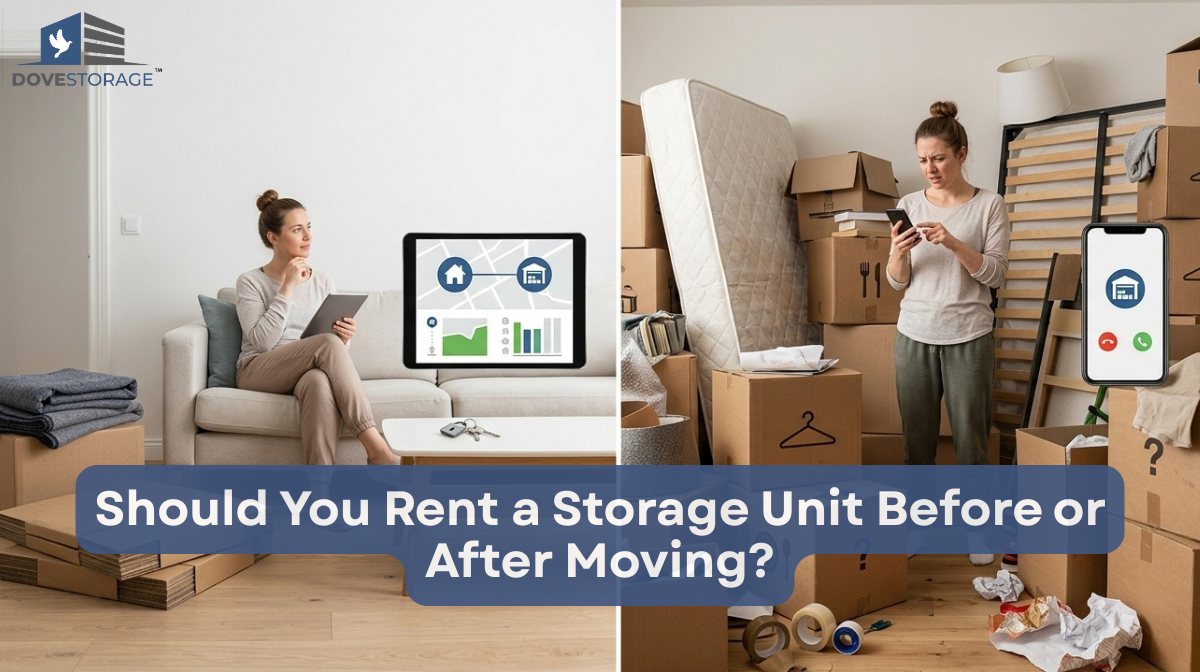
Should you rent a storage unit before or after moving? Learn how self-storage can simplify packing, moving between homes, downsizing, and settling into your new space.
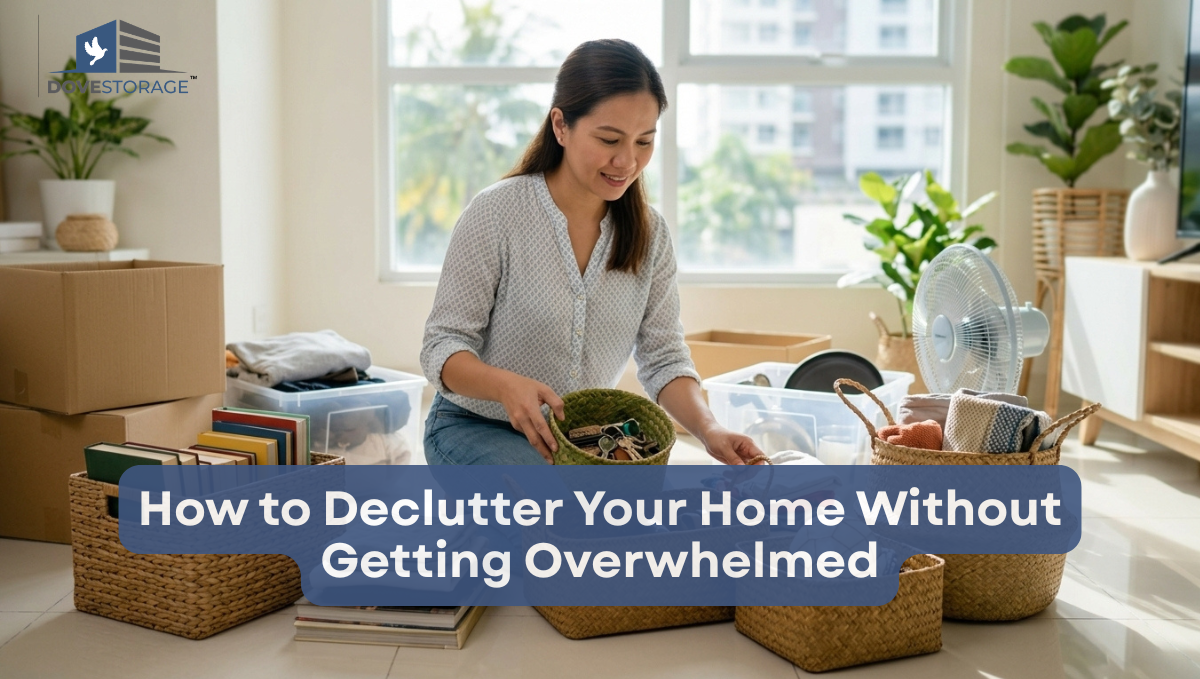
Declutter your home without feeling overwhelmed with simple, manageable steps for sorting, organizing, storing, donating, and creating a more functional space.
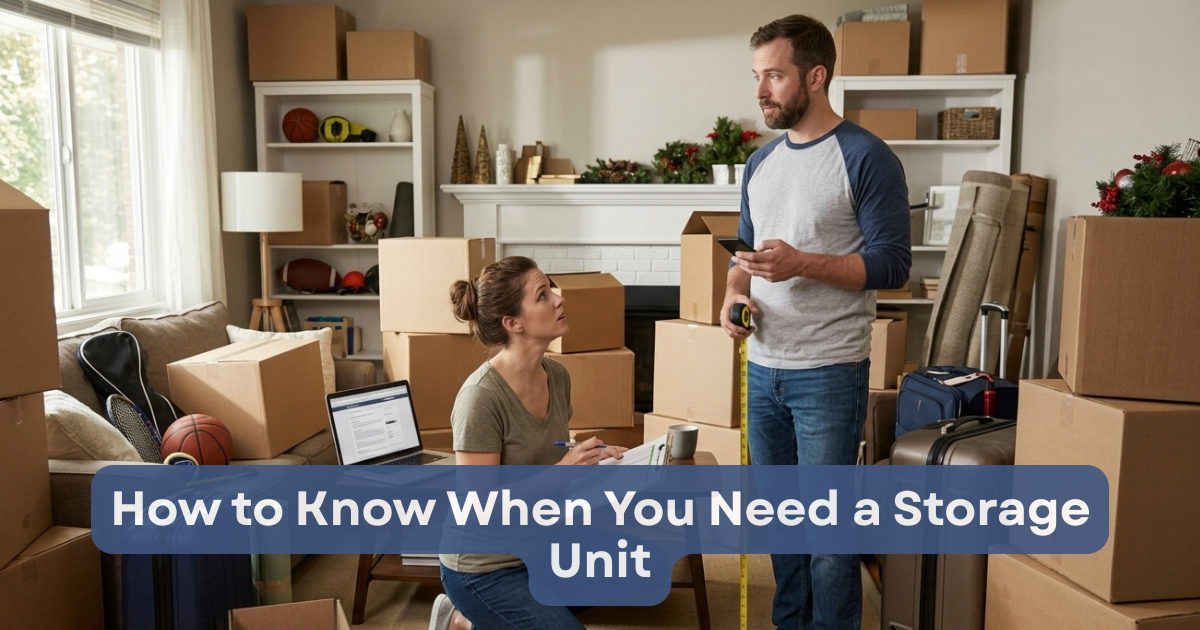
Not sure if you need a storage unit? Discover common signs it’s time for extra space, from home clutter and moving to downsizing, seasonal storage, and business needs.
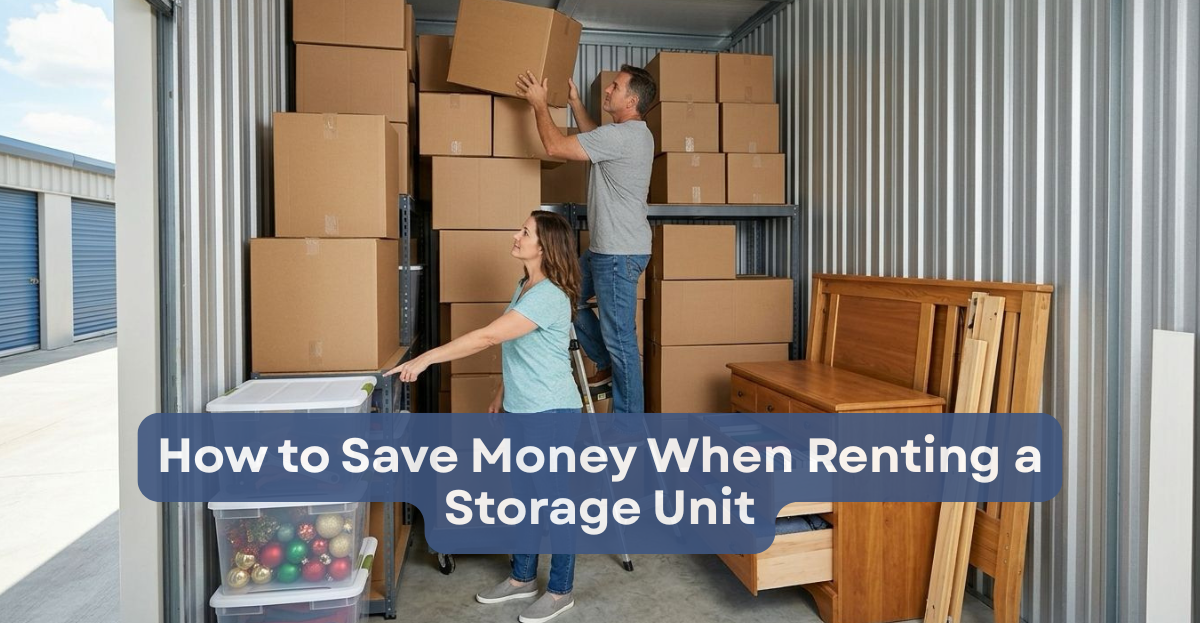
Save money on self-storage with practical tips for choosing the right unit size, comparing prices, packing efficiently, decluttering, and maximizing your storage budget.
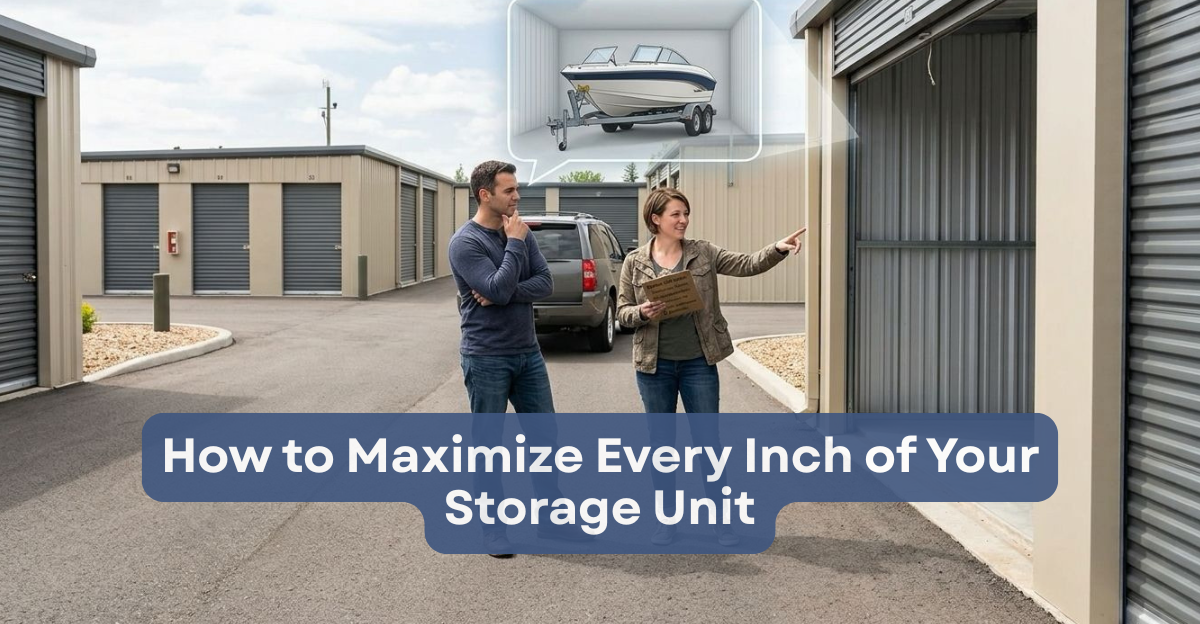
Maximize every inch of your storage unit with smart packing, stacking, labeling, and organization tips that save space while keeping belongings accessible.
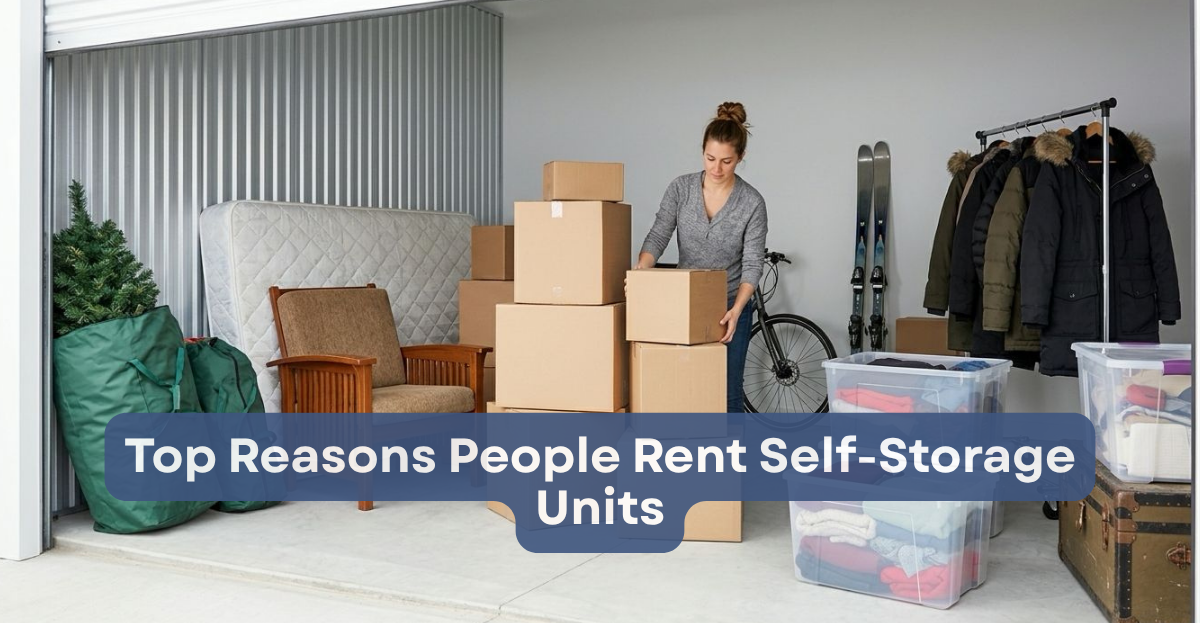
Discover the top reasons people rent self-storage units, from creating more space and moving to storing seasonal items, business inventory, and sentimental belongings.