
What Happens if You Default on Your Storage Payments?
Dove Storage • March 5, 2025
1. What Is Considered Defaulting on Storage Payments?
A storage payment default occurs when a tenant fails to pay rent for their self-storage unit by the due date outlined in their rental agreement. Most storage facilities offer a grace period before applying penalties, but after repeated missed payments, the facility can take legal action to reclaim the unit.
Stages of a Storage Payment Default:
✔ Payment due date
– Rent is expected on a specific day each month.
✔ Grace period (varies by facility) – Some facilities allow a few extra days before applying late fees.
✔ Late fees applied
– A penalty fee is added to your balance.
✔ Unit access restricted
– Some facilities may lock you out of your unit after multiple missed payments.
✔ Lien process begins
– The facility sends notices about overdue payments.
✔ Auction process starts
– If the balance isn’t paid, your belongings may be sold at auction.Every state has self-storage lien laws, so the exact timeline depends on local regulations and the facility’s policies.
2. Late Fees and Restricted Access
Once a payment is missed, most storage companies apply late fees to the balance. These fees can add up quickly, making it even harder to catch up on payments. If the rent remains unpaid for an extended period, many storage facilities will disable access to your unit. This means you won’t be able to retrieve or add items until the overdue balance is paid. To avoid unnecessary fees and restricted access:
✔ Set up automatic payments or payment reminders.
✔ Contact the storage facility if you anticipate a late payment.
✔ Review the facility’s late payment policy so you know the deadlines.
3. The Lien Process: What Happens When You Stop Paying?
If your payment remains unpaid for a certain period (often 30 to 90 days, depending on the state), the storage facility can place a lien on your unit. This means the facility has a legal claim to your stored items as collateral for unpaid rent.
Steps in the Lien Process:
✔ Written notices are sent
– The facility notifies you by mail, email, or phone about the overdue balance.
✔ Public notice is posted
– Some states require storage facilities to advertise upcoming auctions.
✔ Final warning is issued
– You may receive a last chance notice before your unit goes to auction.Storage operators must follow state lien laws, including proper notification procedures, to allow tenants to pay before selling their items.
4. Storage Unit Auctions: How They Work
If the balance is not paid by the deadline, the storage facility has the legal right to sell the contents of the unit at auction to recover lost rent.
How Storage Auctions Work:
✔ The facility lists the unit for auction (often online or in-person).
✔ Bidders can purchase the unit’s contents as a whole lot (not individual items).
✔ The highest bidder wins and takes ownership of the stored items.
✔ The storage facility applies the auction proceeds to the overdue balance.Any remaining balance after the auction may still be the tenant’s responsibility, and some facilities return excess funds if the sale exceeds the amount owed.Important: If valuable or sentimental items are in the unit, contact the facility immediately to try to reclaim them before the auction takes place.
5. How to Prevent Losing Your Storage Unit
1. Set Up Automatic Payments
The best way to avoid missed payments is to enroll in auto-pay. This ensures your rent is paid on time each month, preventing late fees and default.
2. Communicate with the Facility
If you're facing financial difficulties, contact the storage facility. Some may offer:
✔ Payment plans to help you catch up on rent.
✔ Temporary holds or grace periods for special circumstances.
✔ Alternative solutions like downsizing to a smaller, more affordable unit.
3. Know Your Rights
Each state has storage lien laws that protect both the tenant and the facility. Read your rental agreement and stay informed about:
✔ How long before a unit is considered in default.
✔ What the facility must do before auctioning a unit.
✔ Whether you can redeem your unit after defaulting.
4. Remove Important Items in Advance
If you think you won’t be able to make payments, remove sentimental or valuable items before falling behind. This prevents the risk of losing irreplaceable belongings.
Defaulting on self-storage payments can lead to late fees, restricted access, and the loss of your belongings through a storage auction. However, you can avoid this by setting up automatic payments, communicating with the storage facility, and understanding your state’s lien laws.
If you ever find yourself struggling with payments, reach out to your storage provider as soon as possible to discuss possible solutions.Looking for a reliable and secure self-storage facility?
Dove Storage
offers flexible rental options and helpful customer service to ensure your storage experience is smooth and stress-free. Visit our website to learn more about our available units or contact us
today to discuss your storage needs!
Discover how to find affordable self-storage without sacrificing convenience with tips on unit sizes, rental costs, location, security, and flexible storage options.
Learn how to store clothing long-term without damage with tips for cleaning, packing, moisture protection, organization, and choosing the right storage environment.
Learn how to store furniture safely in a storage unit with tips for cleaning, packing, protecting, organizing, and choosing the right storage space.

Learn how to choose the right vehicle storage solution based on size, access, security, protection, and budget for cars, motorcycles, boats, and more.
Should you rent a storage unit before or after moving? Learn how self-storage can simplify packing, moving between homes, downsizing, and settling into your new space.

Declutter your home without feeling overwhelmed with simple, manageable steps for sorting, organizing, storing, donating, and creating a more functional space.
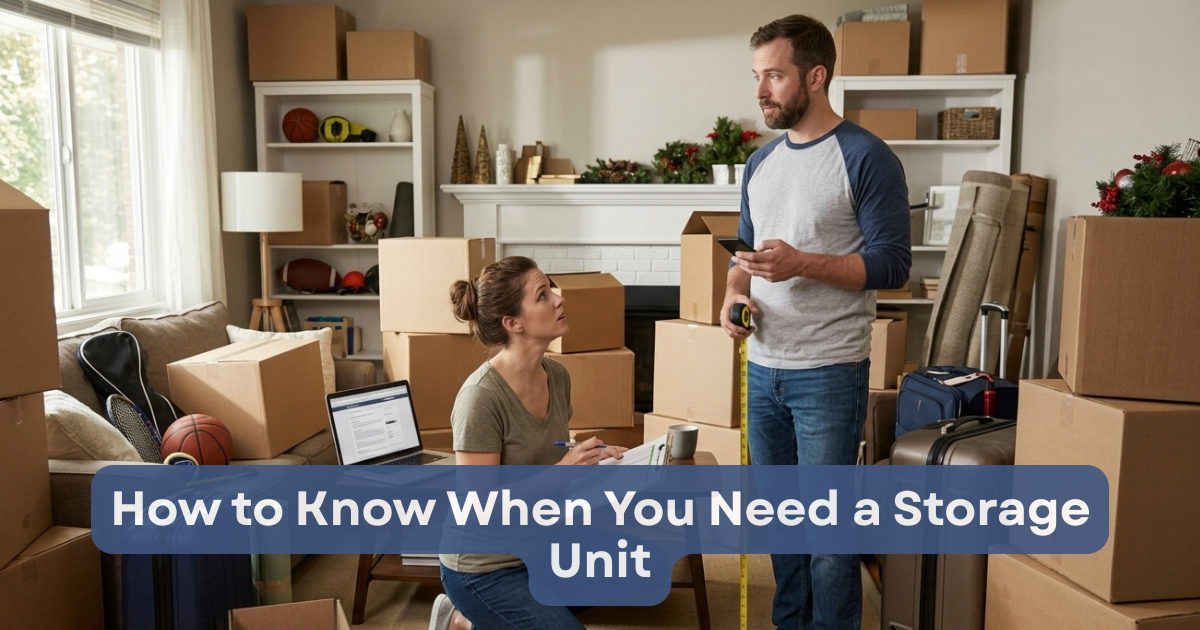
Not sure if you need a storage unit? Discover common signs it’s time for extra space, from home clutter and moving to downsizing, seasonal storage, and business needs.
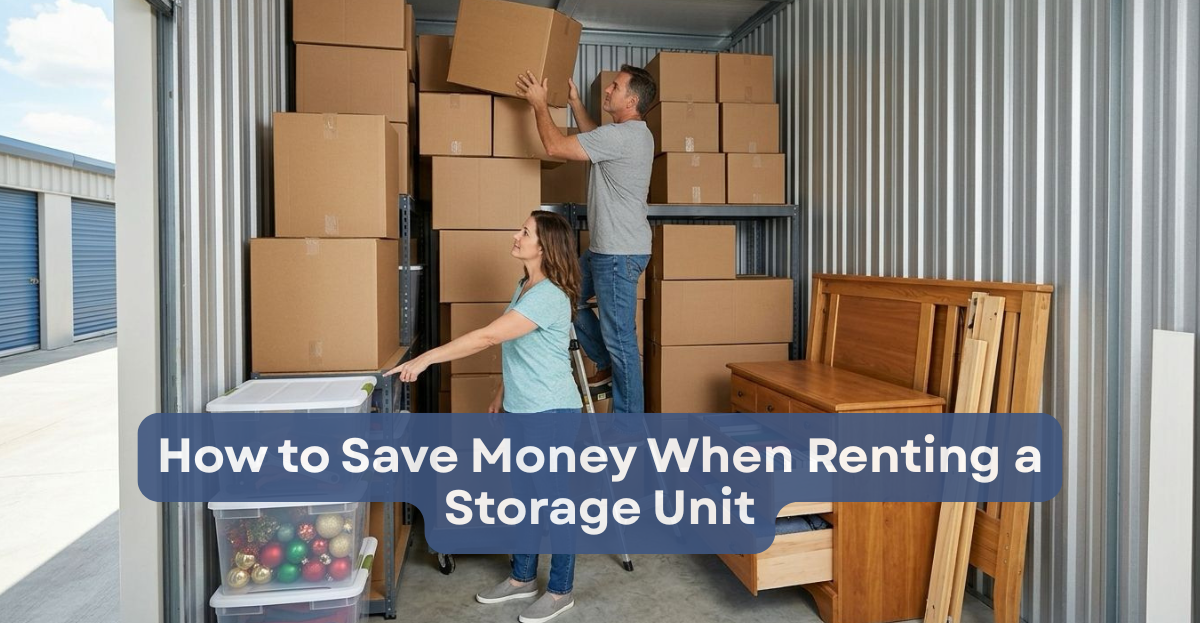
Save money on self-storage with practical tips for choosing the right unit size, comparing prices, packing efficiently, decluttering, and maximizing your storage budget.
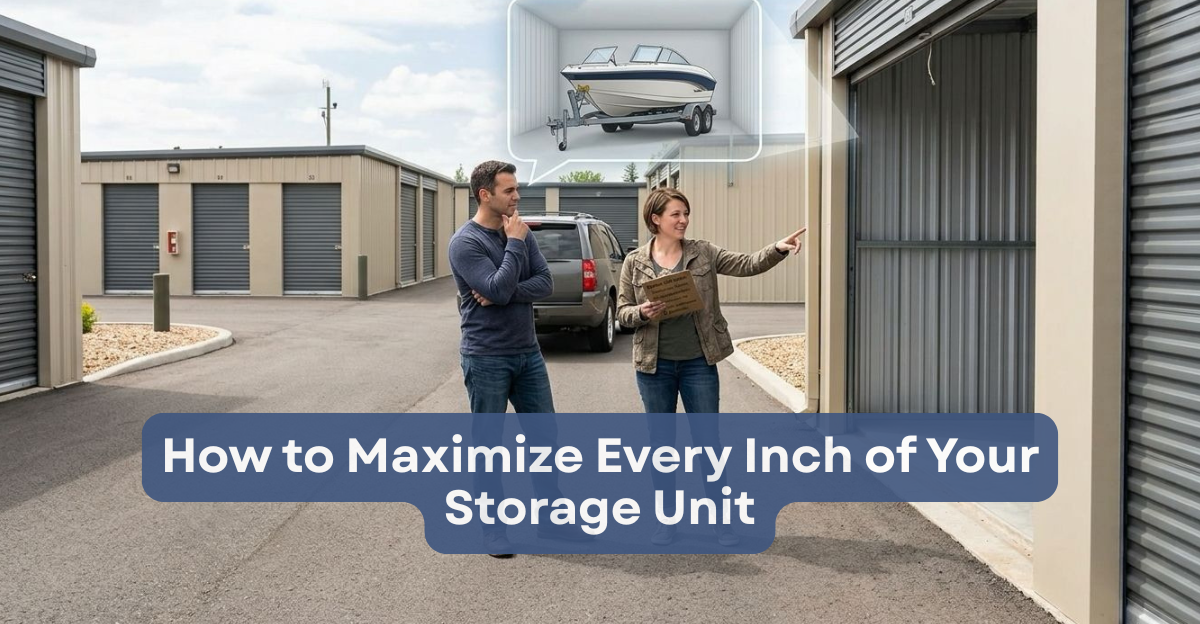
Maximize every inch of your storage unit with smart packing, stacking, labeling, and organization tips that save space while keeping belongings accessible.
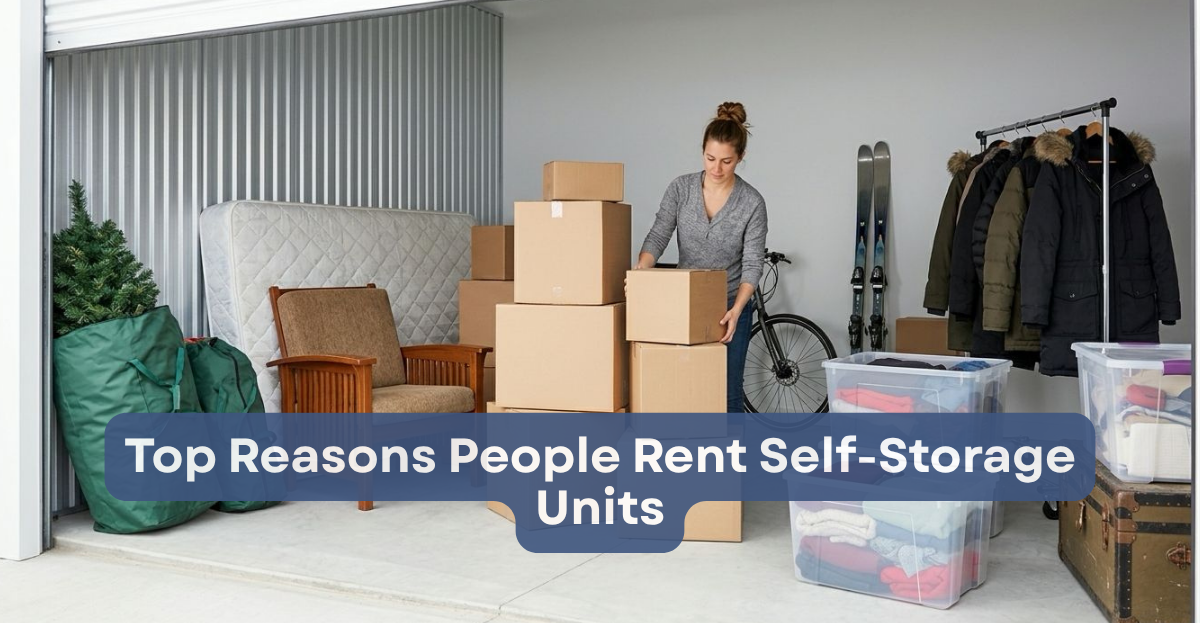
Discover the top reasons people rent self-storage units, from creating more space and moving to storing seasonal items, business inventory, and sentimental belongings.