
What Buyers Should Know Before Bidding at a Storage Auction
Dove Storage
September 2nd, 2025
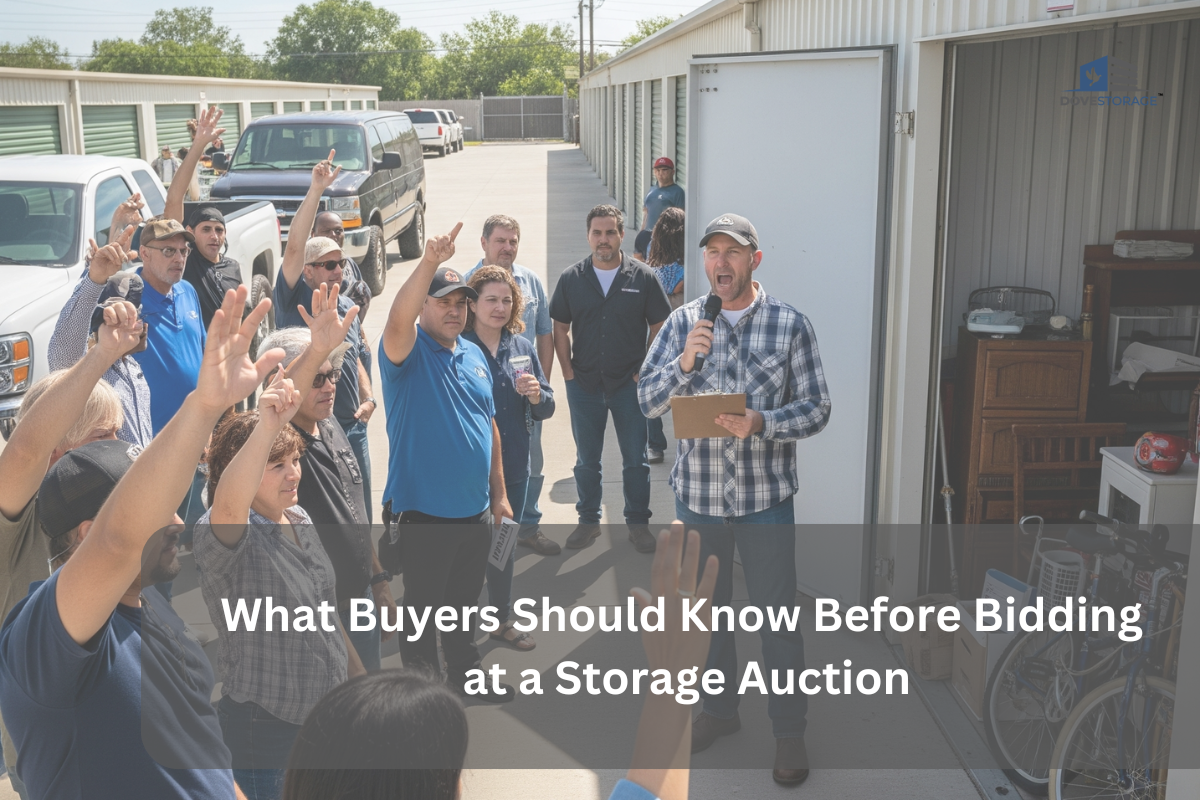
Storage auctions have become increasingly popular in the U.S., fueled in part by reality TV shows that highlight the thrill of bidding on abandoned storage units. While these auctions can offer opportunities to snag valuable items at a fraction of their cost, they also come with risks that every potential bidder should understand before raising their hand.If you’re considering attending a storage auction for the first time, here’s what you need to know.
1. Why Do Storage Auctions Happen?
Storage auctions occur when tenants fall behind on payments for their storage unit. After multiple attempts to notify the tenant and collect overdue rent, the facility has the legal right to auction off the contents of the unit to recover some of the loss. It’s important to note: tenants often have until the last minute to pay off their balance and reclaim their belongings. So, just because a unit is scheduled for auction doesn’t guarantee it will go up for sale.
2. Types of Storage Auctions
There are generally two ways storage auctions are conducted:
- Live Auctions (On-Site): Traditional style where bidders gather at the facility. Units are opened, and bidders can look inside (without touching anything) before bidding begins.
- Online Auctions: Increasingly popular, these allow buyers to view photos or videos of the unit’s contents online and place bids remotely.
- Each format has advantages—live auctions let you see the unit in person, while online auctions provide flexibility to participate from anywhere.
3. What You Can (and Can’t) Do Before Bidding
Before bidding, the storage facility will open the unit door for a brief inspection. Buyers are typically not allowed to enter, touch, or move items. You’ll need to rely on what you can see from the doorway.This limited view means bidding always comes with some uncertainty—what looks like a stack of boxes could be full of valuables, or it could be nothing but old clothes.
4. How Bidding Works
Most auctions operate similarly to other public auctions:
- The auctioneer announces the unit.
- Bidders call out their offers until the highest bid is reached.
- The winner must pay immediately, usually in cash or card.
- Be prepared for competition—experienced buyers may already know the tricks of spotting potentially valuable units.
5. The Costs Involved
While the winning bid is the largest expense, it’s not the only one to consider:
- Cleaning Deposit: Some facilities require a refundable deposit to ensure buyers clean out the unit.
- Transportation Costs: Renting a truck or hiring movers may be necessary if you win a large unit.
- Time and Labor: You’ll need to sort, transport, and possibly dispose of unwanted items.
- If you’re looking to resell items, factor in these costs before bidding to avoid losing money.
6. Risks of Buying at Storage Auctions
Unlike traditional retail, storage auctions come with risks:
- No Guarantees of Value: You may end up with more junk than treasure.
- Condition of Items: Electronics may not work, furniture could be damaged, or items may have mold or pests.
- Legal Restrictions: Certain items (like firearms or medical records) cannot legally be kept and must be turned over to authorities or facility staff.
7. Tips for First-Time Bidders
If you’re new to storage auctions, keep these strategies in mind:
- Start Small – Don’t overspend on your first unit; gain experience before taking bigger risks.
- Set a Budget – Decide your maximum bid before the auction and stick to it.
- Bring Cash – Many facilities require immediate payment in cash.
- Look for Signs of Value – Sturdy boxes, labeled containers, or visible quality furniture can hint at a better unit.
- Have a Plan for Unwanted Items – Be ready to donate, sell, or dispose of items you don’t want.
8. Legal and Ethical Considerations
Storage auctions are governed by state lien laws, which vary slightly by state. Facilities must follow strict rules for notifying tenants before auctioning off belongings.As a buyer, it’s important to act responsibly:
- Respect Sensitive Items: If you find personal documents, photos, or other private belongings, most facilities require you to return them.
- Follow the Rules: Each auction may have unique guidelines, so read and follow them carefully.
9. Is Buying at Storage Auctions Worth It?
For some, storage auctions are a profitable side hustle or even a full-time business. For others, they’re more of a gamble. The outcome often depends on knowledge, preparation, and luck.If you go in with realistic expectations, a clear budget, and a willingness to put in the work, storage auctions can be an exciting and rewarding experience. But remember: it’s never guaranteed that you’ll strike gold.
Bidding at a storage auction isn’t just about finding hidden treasures—it’s about understanding the risks, rules, and responsibilities that come with the process. By preparing ahead of time and starting with a cautious approach, you’ll increase your chances of making a smart, profitable purchase.So before you raise your hand at the next storage auction, make sure you know what you’re getting into.
Dove Storage Blog
Categories