
Long-Term Storage Planning for Growing Startups
Dove Storage
September 5th, 2025
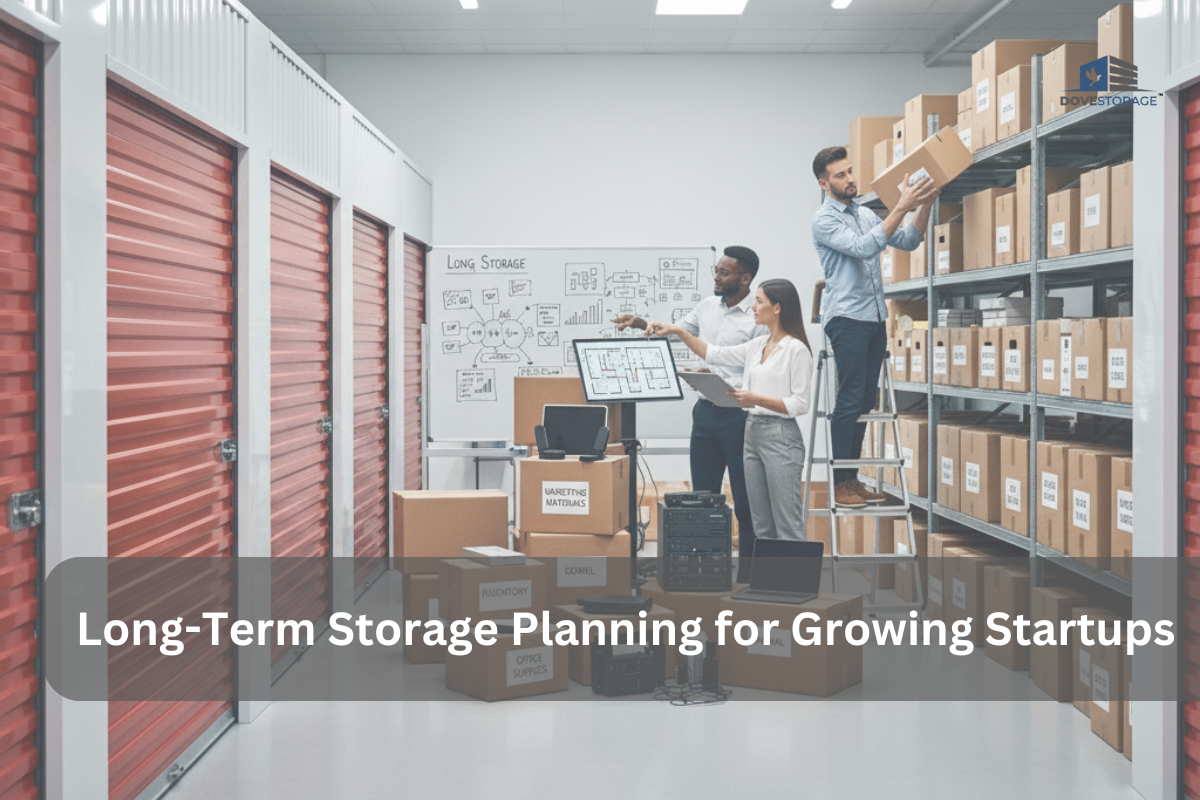
For many startups, the early days are defined by fast growth, tight budgets, and limited office space. As teams expand and operations scale, clutter can quickly pile up—files, promotional materials, inventory, and equipment all compete for space. Without a clear plan, storage can become a hidden challenge that impacts efficiency and productivity.That’s where long-term storage planning comes in. By leveraging self-storage units, startups can keep their offices lean and organized while preparing for sustainable growth. Here’s how startups across the U.S. can benefit from thoughtful storage strategies.
1. Why Startups Need a Storage Strategy
Startups often operate in shared workspaces, small offices, or even remote setups. Space is limited, and every square foot comes at a premium. Long-term storage helps startups:
- Maximize Office Space – Keep the workplace free of clutter by storing nonessential but important items off-site.
- Stay Flexible – Scale operations without constantly needing to move into larger, more expensive office spaces.
- Protect Assets – Store valuable items like equipment, archived documents, and seasonal supplies in a secure facility.
By planning ahead, startups can avoid the stress of last-minute storage solutions and create an environment that supports productivity.
2. What Startups Typically Store
Depending on the industry, the storage needs of startups vary, but common items include:
- Archived Documents – Even in the digital age, businesses often need to keep paper records for tax or compliance purposes.
- Marketing Materials – Trade show booths, banners, and promotional items can take up valuable office space.
- Seasonal Items – Holiday displays, décor, or seasonal product stock can be stored until needed.
- Office Furniture – Growing startups may rotate furniture or hold onto extra desks and chairs for new hires.
- Inventory and Supplies – For product-based startups, storage units provide overflow space for goods awaiting distribution.
A self-storage unit becomes an extension of the office—allowing teams to stay organized while holding onto what they need for future growth.
3. Benefits of Long-Term Self-Storage for Startups
Cost Savings
Renting a storage unit is significantly more affordable than upgrading to a larger office space. For startups watching every dollar, this provides flexibility without draining resources.
Scalability
Startups can adjust unit sizes as their needs change. Instead of committing to a fixed office footprint, businesses can scale storage space up or down as needed.
Security
Modern storage facilities offer features like 24/7 surveillance, gated access, and climate control. This ensures business assets are safe and protected long term.
Organization and Efficiency
Having a designated place for long-term items keeps the office focused on day-to-day operations. Employees can access storage as needed without working around clutter.
4. Choosing the Right Storage Facility
Not all storage units are created equal. Startups should look for facilities that meet their long-term needs. Important features to consider include:
- Climate-Controlled Units – Essential for storing electronics, paper files, and furniture without damage from humidity or temperature fluctuations.
- 24/7 Access – Gives flexibility for teams that may need access outside of traditional business hours.
- Security Measures – Look for gated access, video surveillance, and individual locks.
- Location – Choose a facility near the office for convenient access when needed.
- Flexible Lease Options – Short-term contracts with the ability to renew give startups adaptability as they grow.
By investing in the right storage solution, startups can ensure their assets are safe and accessible.
5. Best Practices for Long-Term Storage Planning
To maximize value, startups should adopt smart storage practices:
- Inventory Everything – Maintain a digital record of what’s stored, making retrieval quick and easy.
- Label Clearly – Use durable labels and organize by category to avoid wasted time searching.
- Use Quality Packing Materials – Protect items with sturdy boxes, bubble wrap, and pallets for long-term safety.
- Plan for Accessibility – Place frequently used items near the front of the unit, with long-term items toward the back.
- Review Regularly – Check storage at least quarterly to ensure items remain in good condition and to update your inventory.
This proactive approach prevents wasted space, lost items, or unnecessary expenses.
6. Storage as a Growth Tool
Long-term storage isn’t just about holding onto extra items—it’s a growth tool for startups. By separating essential daily-use office items from long-term assets, businesses can operate more efficiently. Imagine a startup that frequently attends trade shows. Instead of cramming banners, booth setups, and product samples into a small office, they store them securely off-site. When the event season arrives, everything is organized and ready to go. The office stays professional and clutter-free, while the team saves time and stress.This flexibility gives startups the ability to focus on their mission, not their mess.
For growing startups, long-term storage planning is more than a convenience—it’s a strategic decision. By using self-storage units to manage documents, supplies, and equipment, startups can save money, protect assets, and maintain an efficient workspace.In the fast-paced world of entrepreneurship, every advantage counts. With smart storage planning, startups can scale smoothly, stay organized, and focus on what really matters—building their business.
Dove Storage Blog
Categories